The motorcycle communication systems field just got a significant upgrade with the release of the Fodsports FX7. This state-of-the-art Bluetooth mesh intercom is packed with many advanced features and techs. It will revolutionize the way riders communicate and enjoy their rides. Whether you're a solo rider or part of a group, the FX7 offers unparalleled […]

How Much Does It Cost to Wrap a Motorcycle
December 19, 2025
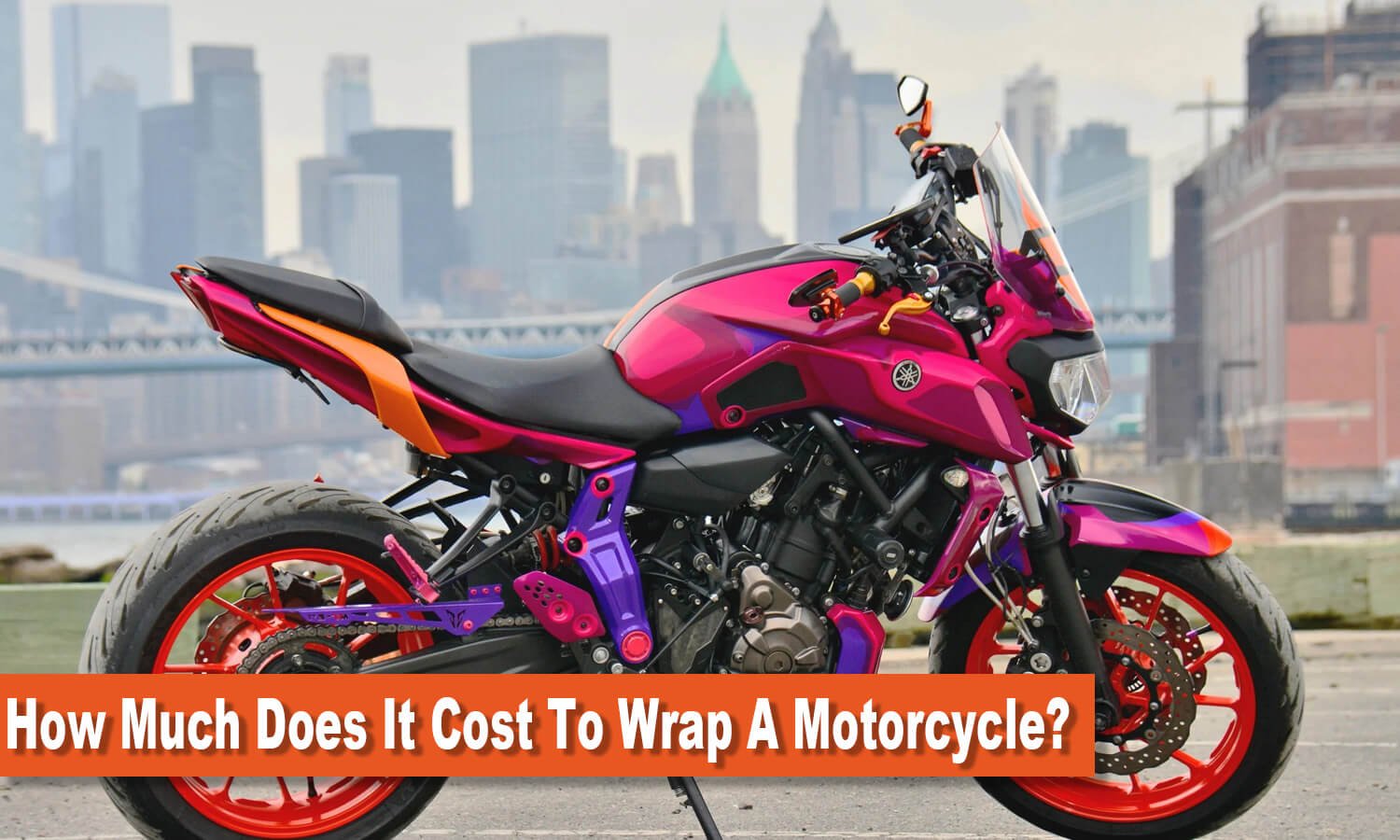
A motorcycle wrap is a vinyl skin applied to a motorcycle. It’s an easy way to change the look without repainting. The vinyl wrap is a durable, flexible material that can bend to fit curved surfaces. It is ideal for motorcycles with sharp angles and aggressive lines. It also comes in a wide range of colors, patterns, and finishes to suit different styles. Below, we’ll break down motorcycle wrap costs and the different vinyl wrap options.
Table of Contents
Types of Motorcycle Wraps and Their Costs
When people talk about motorcycle wraps, they’re really talking about different finishes. The material is still vinyl, but the look, feel, and price can change a lot depending on what you choose.
Gloss wraps
Gloss wraps are the most straightforward option. It resembles factory paint—smooth, shiny, and clean.
They’re easy to maintain, last a long time, and usually sit at the lower end of the price range.
If you want something safe and classic, gloss is hard to go wrong with.
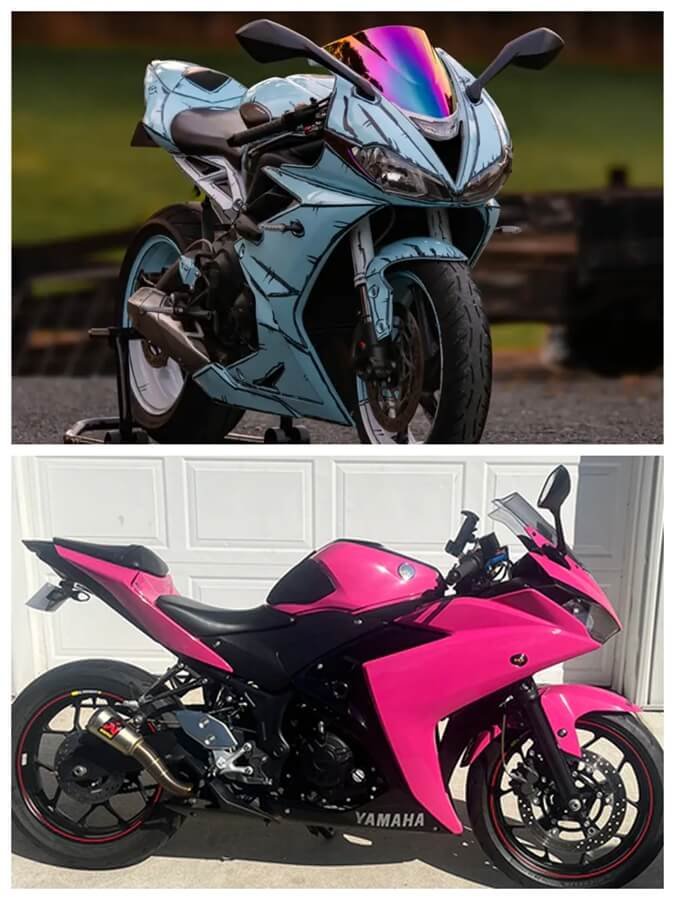
gloss motorcycle wraps
Matte wraps
Matte wraps give the bike that flat, stealthy look a lot of riders love.
They instantly make sharp lines and angles stand out.
The trade-off is that they show dirt and fingerprints more easily, so they need a bit more care.
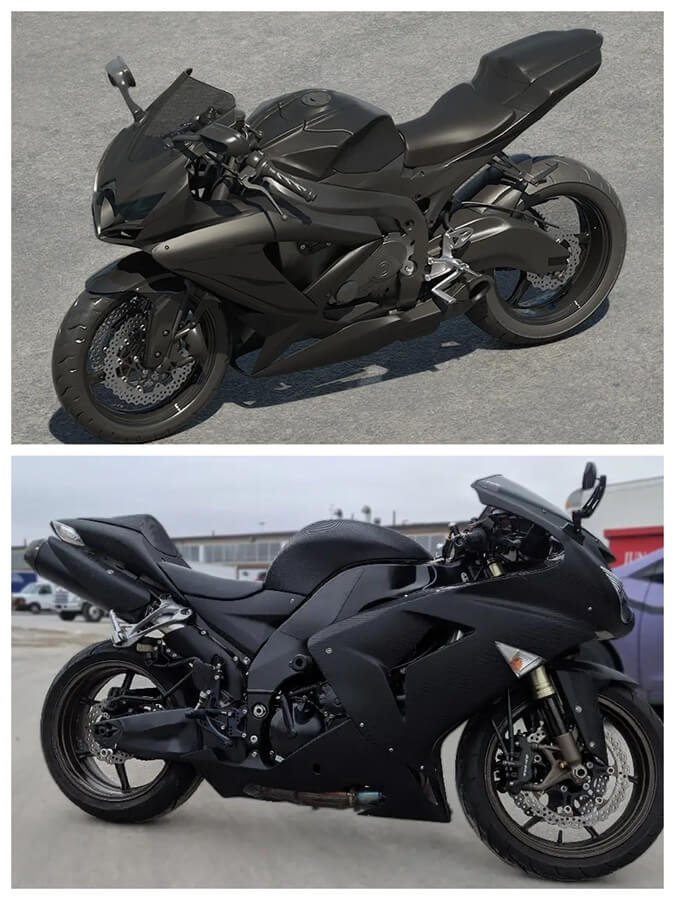
matte motorcycle wraps
Satin (semi-gloss) wraps
Satin is kind of the middle ground between gloss and matte. It has a soft sheen, not fully shiny like gloss and not completely flat like matte.
Many riders pick satin when gloss feels too flashy, and matte feels too dull.
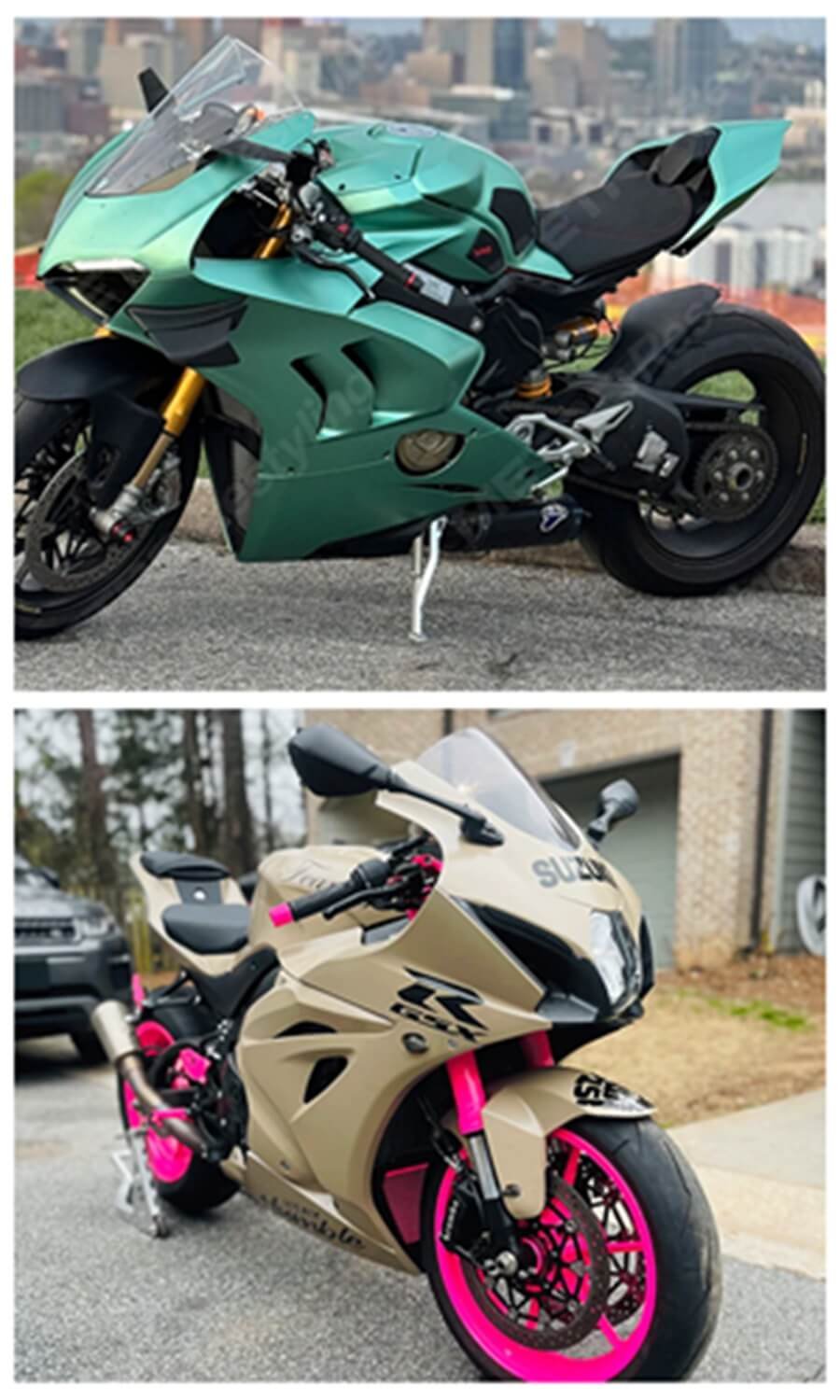
satin motorcycle wraps
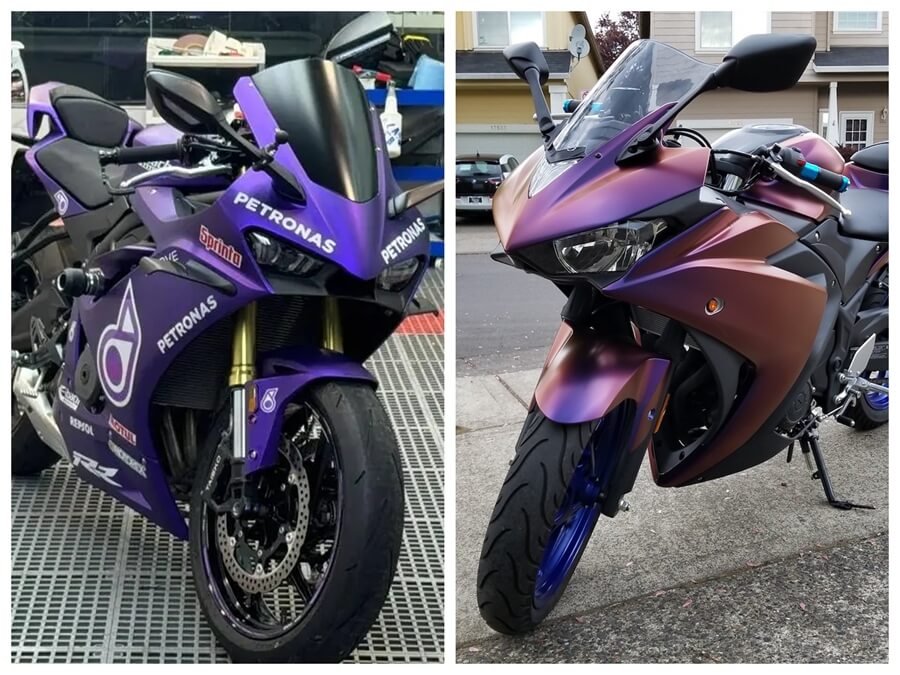
Metallic and pearl wraps
These wraps add sparkle and depth when light hits the bike.
They look more “premium” than basic colors and really pop outdoors or under streetlights.
But these wraps usually cost a bit more due to the extra material and finish.
Metallic motorcycle wraps
Chrome wraps
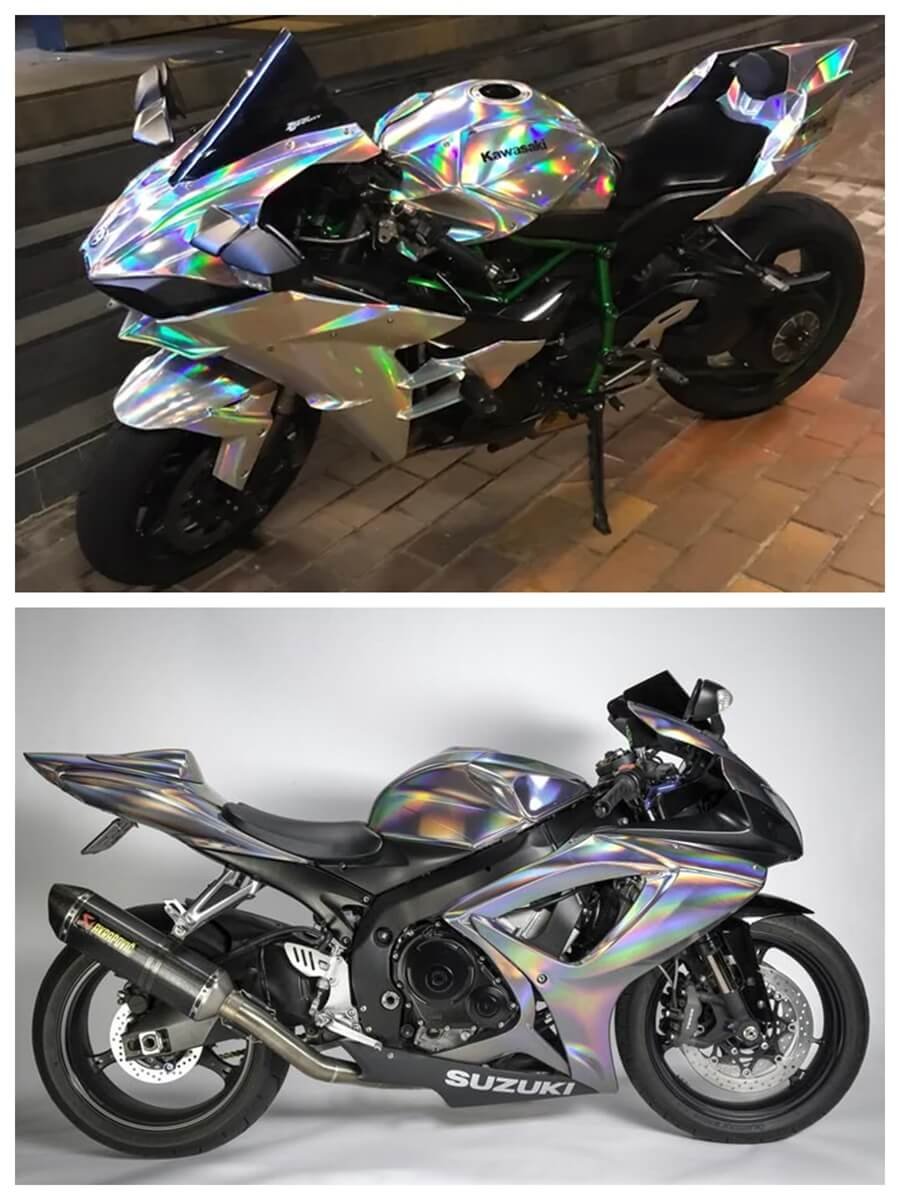
Chrome is the loud one. It’s mirror-like and impossible to miss.
However, it’s expensive and doesn’t last as long as other finishes, which is why most people use it for small accent parts instead of wrapping the whole bike.
chrome motorcycle wraps
Carbon fiber wraps
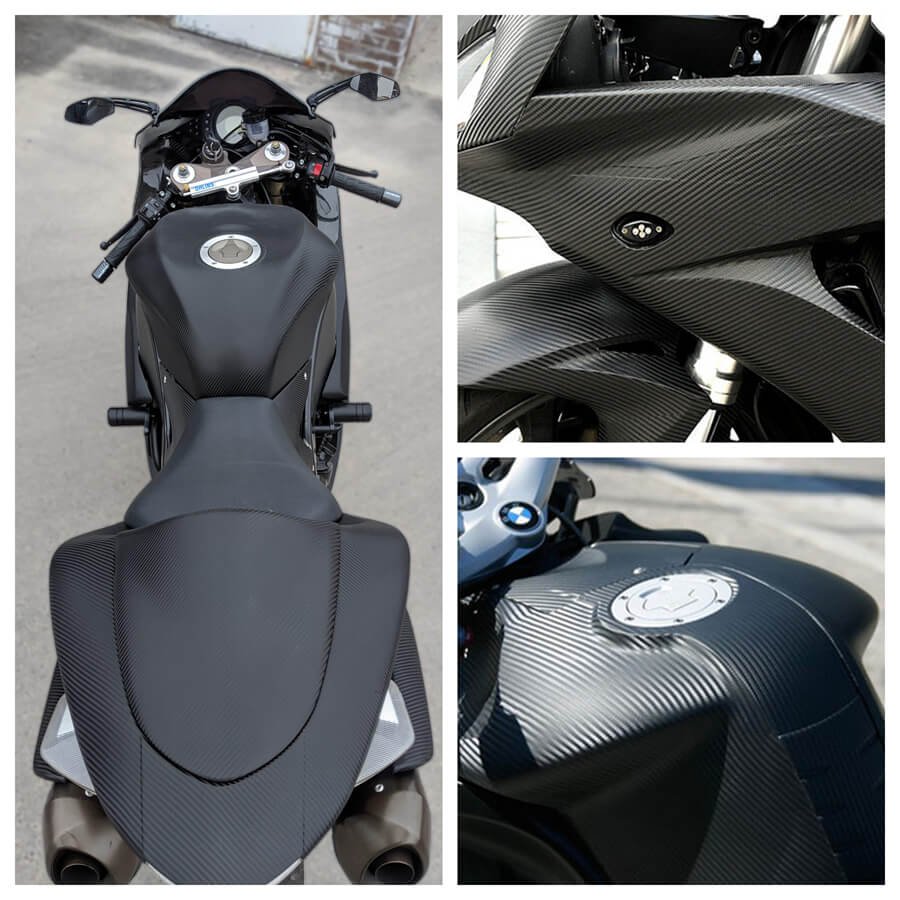
Carbon fiber vinyl has a textured weave that mimics real carbon.
It’s popular on sport bikes and performance builds, especially for tanks, fairings, or trim pieces where you want a more aggressive, race-inspired look.
carbon fiber motorcycle wraps
Custom printed wraps
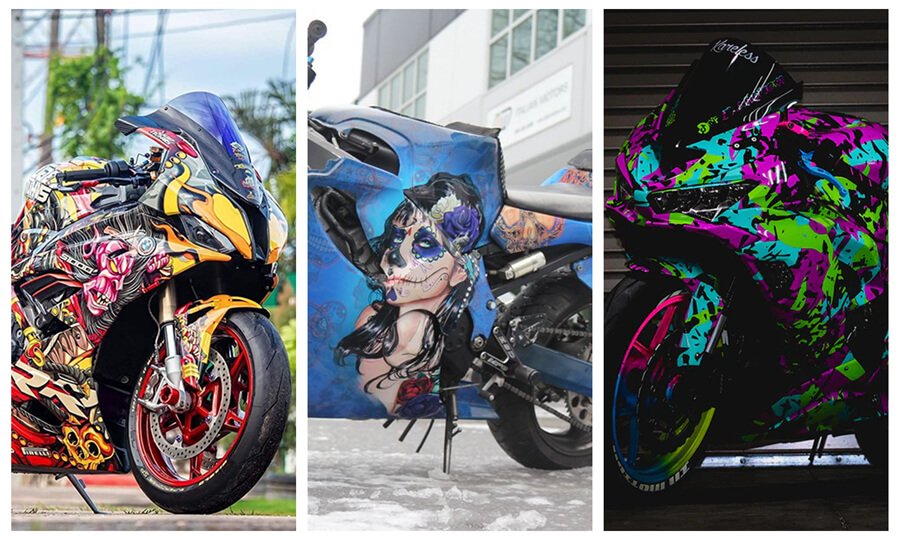
If you want something totally unique—logos, patterns, camo, or full artwork—custom printed wraps are the way to go.
These are printed onto vinyl and priced by square foot, so the final cost depends on how complex the design is.
Custom printed motorcycle wraps
The table below breaks down these wrap types by appearance, cost, and lifespan so you can quickly compare your options.
| Motorcycle Wrap Types | Appearance | Approx. Cost (per 5×10 ft roll) | Typical Lifespan | Notes |
|---|---|---|---|---|
| Gloss | High-shine, like paint | $159–$169 | ~3–7 years | Classic shiny look; easiest to clean and longest-lasting. |
| Matte | Flat, non-reflective | $159–$179 | ~3–5 years | Modern, stealthy finish; shows dirt more easily but very popular. |
| Satin (Semi-Gloss) | Subtle sheen between gloss/matte | (similar to matte/gloss pricing) | ~3–5 years | Subdued shine; a balance of gloss and matte qualities. |
| Metallic/Pearl | Shimmering, sparkly | $169–$179 | ~3–5 years | Contains metal flakes; more depth and sparkle; costs more. |
| Chrome | Mirror-like reflective | ≥$179 | ~1–3 years | Eye-catching mirror finish; least durable, tends to fade/peel sooner. |
| Carbon Fiber | 3D textured weave | $179–$189 | ~3–5 years | Simulated carbon weave look; gives a sporty, tech appearance. |
| Custom Printed | Any graphic/design | ~$15–$20 per sq.ft | ~3–5 years | Fully custom artwork or photos; design time adds to cost. |
How Much Vinyl Do I Need for a Motorcycle?
This is one of the most common questions riders ask before wrapping a bike. The honest answer is: it depends on the bike and how much you plan to wrap.
However, you can obtain a fairly accurate estimate with a few simple guidelines.
- Small bikes and scooters: These usually need the least vinyl. If you’re wrapping most painted parts, around 15–20 square feet is often enough. Great for beginners or budget builds.
- Sport bikes and naked bikes: With more fairings and sharper curves, you’ll want extra material. Most riders plan for 20–30 square feet for a full wrap.
- Cruisers and touring bikes: Big tanks, wide panels, and saddlebags eat up vinyl fast. Expect to need 30–40+ square feet, especially on full dressers or baggers.
- Partial wraps: If you’re only wrapping a tank, fenders, or a few panels, you can usually get away with 5–15 square feet, depending on the part size.
How Much Does It Cost to Wrap a Motorcycle
| Coverage | Typical Cost (USD) |
|---|---|
| Fuel Tank only | ~$100–$300 |
| Single Fairing Panel | ~$200–$600 |
| Front/Rear Fenders | ~$100–$300 (each) |
| Partial Wrap (e.g. tank + few parts) | ~$300–$600 |
| Full Wrap, Standard Vinyl | ~$600–$1,500 |
| Full Wrap, Premium Vinyl / Design | ~$1,500–$3,000+ |
| Full Wrap, Big Cruiser | ~$2,500–$3,500 |
(All above include both materials and installation costs.)
Here’s a quick overview of what you might expect to spend when wrapping a motorcycle:
Partial wraps
Wrapping just the fuel tank or a few panels is cheaper, typically $100–$600, depending on the parts you cover. Partial wraps are a great way to refresh your bike without doing the whole thing.
Full Wraps
Standard vinyl usually costs $600–$1,500. If you choose premium materials or detailed designs, the total can rise to $1,500–$3,000+, especially on larger bikes.
For example, Harley full wraps often hit $2,500–$3,500 due to extra panels.
Next, we’ll dig into what affects the total wrap cost so you can understand exactly why some wraps are cheaper or more expensive.
Factors That Affect Motorcycle Wrap Cost
Several factors determine how much you’ll pay for a motorcycle wrap. Let’s break it down so you can see what really makes the price go up or down.
1. Size of Your Motorcycle
The bigger the bike, the more vinyl you need and the longer it takes to wrap.
Small bikes or scooters: Require less vinyl and less labor. Wrapping is quicker and cheaper.
Cruisers, touring bikes, and modern sport bikes: Often have complex curves, sharp edges, and multiple panels. That means more vinyl, more work, and a higher total cost.
2. Quality of Vinyl Wrap
Not all vinyl is created equal. The better the material, the higher the cost. But it also lasts longer and looks better over time.
Basic Vinyl Wrap ($500–$1,000)
- Cheapest option; fades and peels faster
- Lasts around 2–3 years
- Suitable for budget-conscious riders or short-term projects
Standard / Mid-Grade Wrap ($1,500–$2,500)
- More durable, lasting around 5–7 years
- Good stretch and UV protection
- Ideal for riders seeking a balance of cost, quality, and longevity
Premium / High-End Wrap ($2,500–$4,000+)
- Available in premium designs, textures, finishes, and graphics
- Provides maximum protection and a longer lifespan
- More expensive, but delivers a unique and personalized look
3. Wrap Design and Finish Type
The style you pick also affects the price:
- Single-color wraps: Cheapest.
- Gloss finish: Smooth and shiny, generally the most affordable.
- Matte finish: Trendy, modern look, slightly more expensive.
- Metallic / Pearl: Adds sparkle and depth, costs more.
- Chrome: Mirror-like, eye-catching, more costly and less durable.
- Carbon fiber texture: 3D textured look, premium cost.
4. Labor and Shop Location
Where you get the wrap done matters a lot:
- Big cities and high-cost-of-living areas usually charge more.
- Skilled installers may cost more but deliver a smoother, longer-lasting finish.
- Specialized motorcycle wrap shops often offer premium materials and a wide variety of designs, which increases the total cost.
5. Design Complexity and Graphics
Complex designs cost more:
- Simple single-color wraps: Quick and cheaper to apply.
- Multi-color or custom graphics: Take more time, skill, and materials, which increases both labor and overall cost.
6. DIY vs. Professional Installation
You can save money by doing it yourself, but there are trade-offs to consider.
DIY Wrapping
- Cheapest option if you have the tools and skills
- Equipment needed:
- Vinyl wrap: $100–$500
- Heat gun: $20–$100
- Squeegees, knives, tape: $30–$80
- Measuring tape, gloves, cleaning supplies: $10–$20
- Full DIY wrap: ~$180–$650 (materials only)
- Risks: Mistakes can waste vinyl; requires patience and practice
Professional Installation
- Clean, flawless finish
- Access to quality materials and professional tools
- Faster turnaround and often includes a guarantee
- Typical cost: $1,000–$3,000 for a full motorcycle wrap
Motorcycle Wrap Lifespan
With proper care, vinyl wraps last several years but not forever. Most high-quality wraps on bikes can stay looking great for 5–7 years. Premium cast vinyl (3M 2080, Avery SW900, etc.) often touts a 5–7 year warranty, and riders have reported 5+ years of use before fading begins. Some budget films may start to crack or fade after only 3–4 years, especially in harsh sun or on frequently handled parts.
- Gloss and Satin: These are among the longest-lasting (similar to each other). Gloss wraps typically last 3–7 years; satin about 3–5 years.
- Matte: Also about 3–5 years, but matte wraps require more careful cleaning (avoiding harsh chemicals and overheating) to keep the finish from “glossing out”.
- Chrome: Most reflective chrome wraps last only 1–3 years at best before peeling or dulling.
- Custom Prints/Metallic: Prints on cast vinyl also last roughly 5 years, assuming a top-brand film is used. Metallics (pearl, glitter) behave like gloss, ~3–5 years.
Motorcycle Wrap Maintenance Tips
- Regular cleaning: Hand wash your wrap every 1–2 weeks with mild soap and water. Avoid abrasive brushes or strong chemicals (no acetone or ammonia). Rinse and dry gently.
- Avoid UV and heat: Whenever possible, park in shade or indoors. UV light gradually breaks down vinyl. A UV-protective overlaminate or ceramic coating can extend life.
- Touch-ups: Small nicks or lifting edges should be repaired quickly. Many vinyls have self-healing properties for light scratches (apply heat), but any peeled edges should be re-tucked or replaced to prevent further peeling.
- Longevity factors: Top brands and expert installation significantly extend life. Proper surface prep (cleaning/degreasing) before application also ensures better adhesion and lifespan.
Over time, all wraps fade or peel eventually. When it’s time, the vinyl can be peeled off, often revealing “like-new” paint underneath. This preserves your bike’s paint and can even boost resale value.
Vinyl Wrapping vs. Painting: Pros & Cons
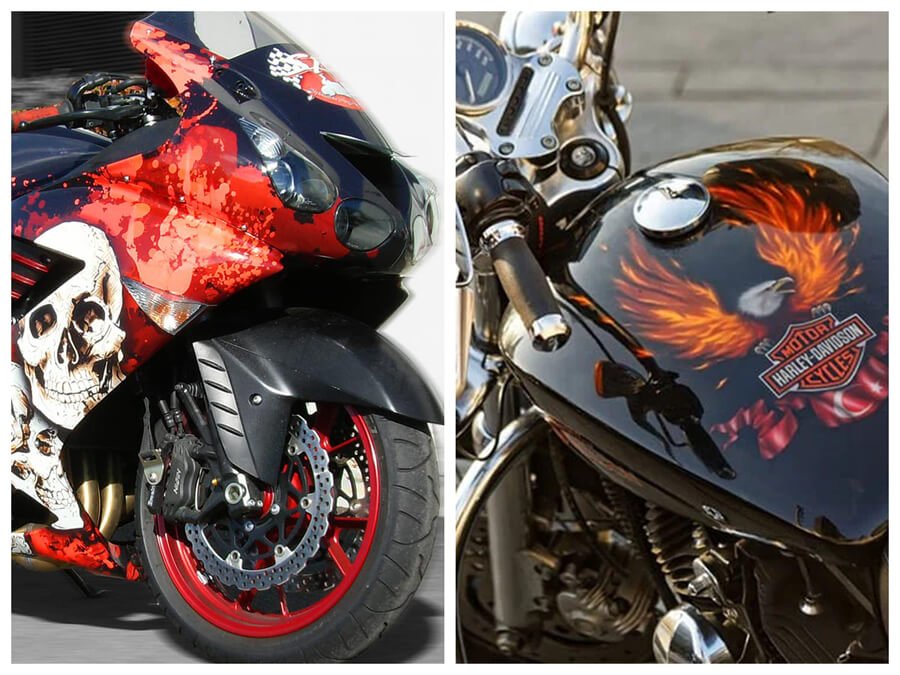
vinyl wrap vs. painting your motorcycle
Vinyl Wrapping
Pros:
- Cost: Far cheaper than a high-end paint job. Full bike wraps run ~$600–$3,000, whereas quality paint jobs often exceed $2,500–$5,000.
- Flexibility: Vinyl is removable. You can peel it off and return to the original paint (or re-wrap in a new design) without damage. This makes style changes easy and is great for preserving collector value.
- Design options: Unlimited colors and textures. Complex graphics or color shifts are easy with vinyl; doing the same in paint is extremely difficult or impossible.
- Protection: Wrap adds a sacrificial layer, protecting paint from UV, chips, and scratches.
- Turnaround: Wraps can be done in days; paint jobs take much longer (days to weeks).
Cons:
- Durability: Vinyl wrap is less durable than quality paint. It will eventually fade, peel, or scratch through, especially thin/chrome films. A paint job (especially multiple clear coats) can last a decade or longer if maintained.
- Limited Texture/Finish: Some finishes (like real matte) require careful installation to avoid glossy spots. Deep color changes (like color-shifting or pearlescent effects) may look better in paint than in wrap, although vinyl can approximate many looks.
- Skill Required: Both painting and wrapping require professional skill for the best results. However, shoddy wrap installation (bubbles, edges) is a common issue if done poorly.
- Permanent vs Reversible: Paint is permanent. If you get tired of it, you must repaint it. Wraps offer a non-permanent option.
Motorcycle Painting
Pros:
- Durability & Finish: A high-quality paint job (with primer and clear coat) can outlast a wrap, often 10+ years. It yields the most durable, uniform finish for flat or metallic colors.
- Texture and Gloss: Paint achieves deeper gloss and richer effects. Textures like candy coats, pearls, or real matte finishes (via special clear coats) can look smoother than vinyl.
- Traditional Look: Some riders prefer the classic painted look, especially on vintage bikes. For authenticity (e.g. stock colors), paint preserves original style.
Cons:
- Cost: Painting is expensive. Even a basic solid paint starts around $1,000–$2,500, with custom multi-color work going much higher (often $3,000+).
- Time: It takes weeks (prep, paint, cure), and you’re bike-less during this time.
- Permanence: Changing a painted color means sanding and a full repaint. No “undo,” and resale can suffer if the new color isn’t popular.
- Environmental Concerns: Paint booths require ventilation and have VOC emissions. Although low-VOC paints exist, they cost more.
Below is a quick summary comparison:
| Feature | Vinyl Wrap | Paint Job |
|---|---|---|
| Cost | ~$700–$1,500 (full bike) | ~$2,000–$5,000+ (full bike) |
| Time | ~1–3 days | ~2–4 weeks (multi-stage) |
| Custom Designs | Extremely high flexibility | Limited (complex designs cost much more) |
| Removability | 100% removable, no paint damage | Permanent (changing color needs repainting) |
| Protection | Protects original paint | Paint itself is the finish (no extra protection) |
| Durability | ~5–7 years typical | 10+ years (with good care) |
| Environmental | Low emissions (no spray) | VOCs (unless using special paints) |
In practice, many riders use wraps for bold, experimental styles or when they want to protect the original paint, and use paint when they want a long-term classic finish.
How to Save Money on a Motorcycle Wrap
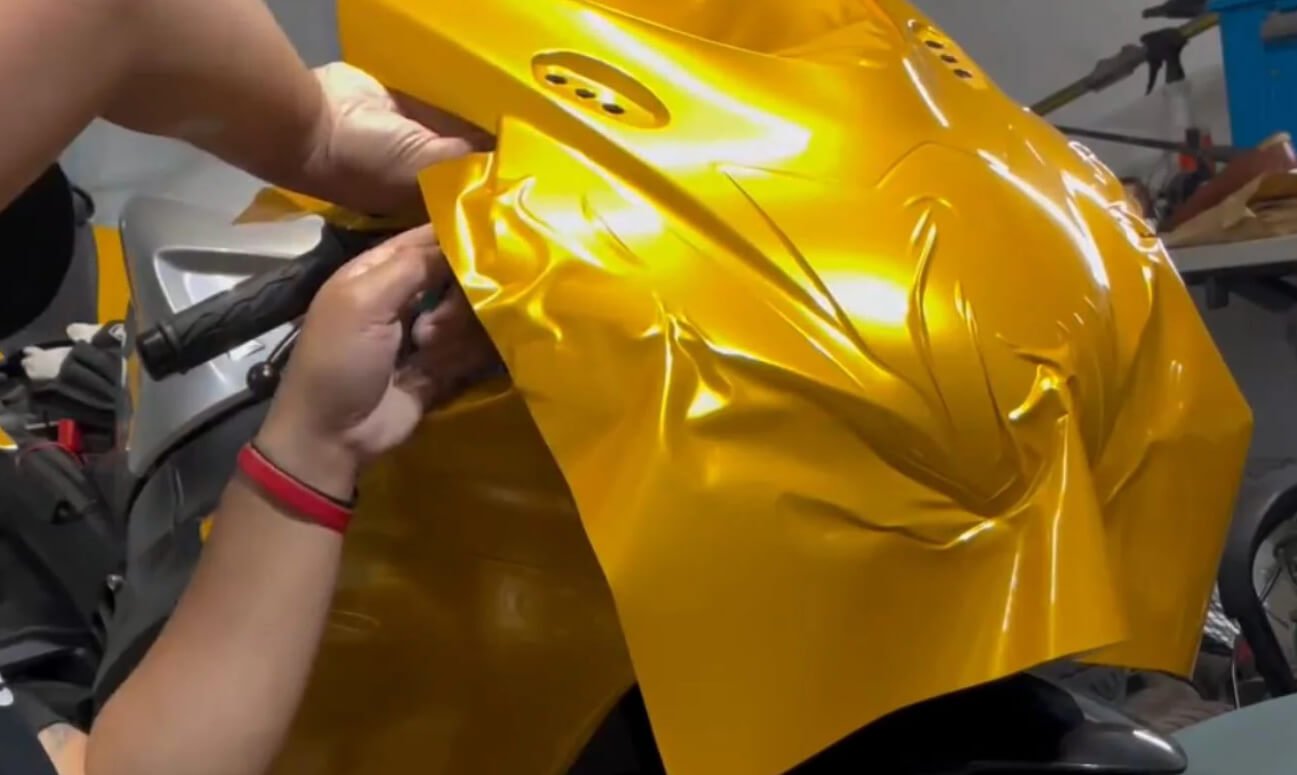
How to save money on a motorcycle wrap
Motorcycle Wrapping can be affordable if you plan wisely.
Here are money-saving strategies:
- Go Partial: Only wrap the most visible parts (tank, side panels, top fairing) instead of the whole bike. Partial wraps can dramatically cut costs.
- Simple Designs: Stick to one or two colors and minimal graphics. Intricate multi-color or custom prints add labor and design fees.
- Basic Finishes: Choose standard gloss or matte vinyl. These are cheaper than specialty finishes like metallic flakes, carbon fiber texture, or chrome. (Remember, a flat matte or gloss still looks very attractive on a bike.)
- DIY Small Jobs: Practice wrapping on a small part or a friend’s bike first. Learning proper technique lets you tackle parts yourself (like a tank wrap) to save some labor. If confident, you can purchase vinyl and tools and do easy sections on your own.
- Off-Season Discounts: Motorcycle shops may be slower in winter. Try to book a wrap during off-peak months; you might score lower labor rates.
- Accurate Measurements: Measure each panel carefully before ordering vinyl. Buying extra film goes to waste if it’s never used.
- Get Multiple Quotes: Prices vary between shops. Contact several installers, compare prices, and include services. Choose the best balance of quality and cost.
FAQs
1. What is a motorcycle wrap and what are its main benefits?
A motorcycle wrap is a vinyl film applied over the bike's paint to customize its appearance and protect the original finish. Benefits include paint protection, UV resistance, reversible customization options, and enhanced aesthetics without permanent alteration.
2. How much does it typically cost to wrap a motorcycle professionally?
Professional full motorcycle wraps generally range from $1,500 to $3,500 or more. For example, wrapping a Harley-Davidson Street Glide typically costs between $2,500 and $3,500. Partial wraps can cost between $300 and $1,000, depending on coverage.
3. What factors influence the overall cost of wrapping a motorcycle?
Key factors affecting cost include the size and type of motorcycle (e.g., cruiser, sports bike), quality and type of vinyl chosen (standard vs premium or specialty finishes), design complexity or custom graphics, and whether the installation is done professionally or as a DIY project.
4. How do different vinyl types and specialty finishes impact motorcycle wrap pricing?
Standard cast vinyl is generally more affordable, while specialty finishes like matte, gloss, chrome, metallics, carbon fiber texture, and color-shifting films increase the price due to their unique visual effects and material properties.
5. Can I save money by wrapping my motorcycle myself, and what tools are needed?
DIY wrapping can reduce costs significantly with vinyl materials available for as low as $200. Essential tools include a heat gun for shaping the vinyl, squeegees for smoothing out air bubbles, and precision knives for trimming excess material.
6. Should I consider professional installation even though it costs more?
Yes. While it costs more, professional installation usually means a cleaner finish and a wrap that lasts longer—often 5–7 years. Pros also know how to apply and remove vinyl safely, which helps protect your paint and avoids the mistakes that often happen with DIY wraps.
7. Is wrapping a motorcycle cheaper than painting?
Yes. In most cases, wrapping a motorcycle is cheaper than painting. Wraps usually cost less upfront and are easier to change or remove, while paint jobs are more expensive and permanent.
8. How long will a wrap last on a motorcycle?
A motorcycle wrap typically lasts 3–7 years, depending on the vinyl quality, riding conditions, and how well it’s maintained. Premium vinyl lasts longer, while cheaper films may fade or peel sooner.
Final Thoughts
Wrapping a motorcycle is a simple, flexible way to change your bike’s look without the commitment of paint.
Whether you choose a full wrap or just a few key parts, there’s an option to fit almost any budget. Take your time, plan smart, and pick a style you actually enjoy riding with.
In the end, your bike should feel like it truly belongs to you.
Recommended Reading

With over 10 years of experience working on cars and trucks Item Training Supervisor Richard Reina is known around the office as one of our technical experts & real an "automobile person".
His rate of interest began, in his very own words, "at the age of two when his father educated him the distinction in between a Chevy and a Ford. Since then it's been cars regularly."
As a serious lover of practically all things with a motor Richard can address nearly any kind of inquiry related to car upkeep, fixing, or restoration & is a fact professional in electric motor background.
You maybe like to read:
Fodsports Brand Month: Unbeatable Deals and Top-Notch Service
Discover Fodsports Brand Month July and August mark a special occasion for motorcycle enthusiasts and tech lovers alike. Welcome to Fodsports Brand Month! This event is dedicated to celebrating everything that makes Fodsports a leading name in the motorcycle communication industry. Get ready for a fantastic promotions, exceptional service from Fodsports. Let's insights into Fodsports' […]
Cherohala Skyway Tennessee and North Carolina: Fall Motorcycle Riding Guide
Few motorcycle roads in the Southeast combine elevation, open mountain views, and flowing curves quite like the Cherohala Skyway. Stretching about 43 miles between Tellico Plains, Tennessee, and Robbinsville, North Carolina, the National Scenic Byway climbs from lower valleys to elevations above 5,000 feet before crossing the Appalachian high country. In fall, the ride becomes […]
10 Best Autumn Motorcycle Routes in Europe: Scenic Roads, Fall Colors and Riding Tips
🍂 Why Autumn Is One of the Best Seasons for a European Motorcycle Road Trip Europe becomes a completely different riding destination in autumn. Alpine forests turn gold, mountain valleys develop deeper colors, vineyards become vibrant, and many popular roads become quieter after the summer peak. For motorcycle travelers, the biggest advantage is variety. In […]
Pig Trail Scenic Byway Arkansas in Fall: Motorcycle Riding Guide
Winding through the Boston Mountains, the Pig Trail Scenic Byway is one of Arkansas's most enjoyable fall motorcycle routes. AR-23 combines tight mountain curves, dense hardwood forests, and the Mulberry River, creating a ride where the road itself is part of the scenery. In autumn, the Ozarks become even more impressive as the forest changes from […]
Tunnel of Trees Michigan in Fall: Motorcycle Riding Guide
Red and gold forests, winding roads, and glimpses of Lake Michigan make the Tunnel of Trees in Michigan a memorable fall motorcycle destination. The roughly 20-mile M-119 route between Harbor Springs and Cross Village is best enjoyed at a relaxed pace, with plenty of time for scenic stops. Planning a ride in 2026 requires extra attention, […]