The motorcycle communication systems field just got a significant upgrade with the release of the Fodsports FX7. This state-of-the-art Bluetooth mesh intercom is packed with many advanced features and techs. It will revolutionize the way riders communicate and enjoy their rides. Whether you're a solo rider or part of a group, the FX7 offers unparalleled […]

Top 10 Motorcycle Mods to Enhance Your Riding Experience
March 1, 2026
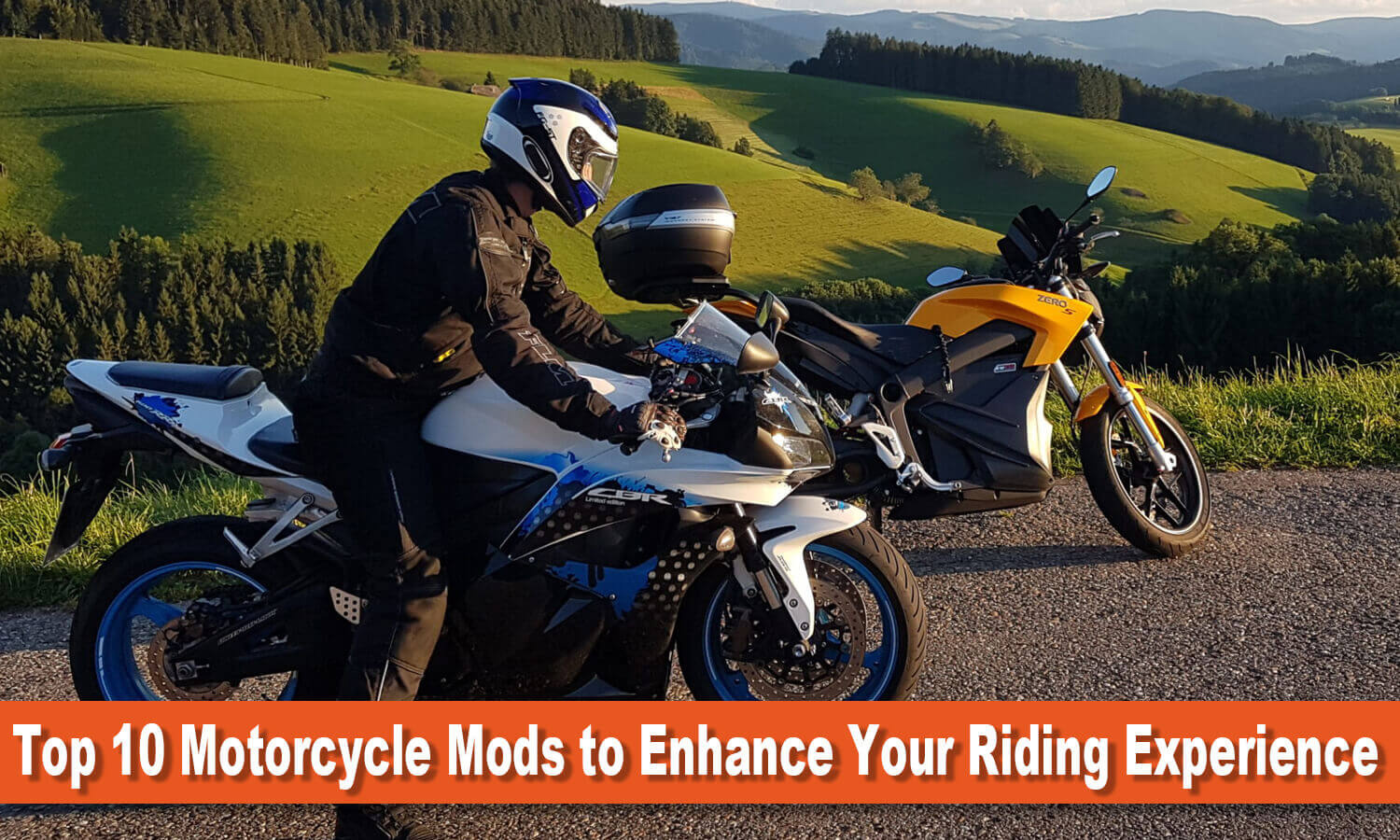
Upgrading your ride with the right motorcycle mods can dramatically improve performance, comfort, and style. Whether you’re looking for more power, better handling, or a unique look, the right modifications can transform your bike into a machine that truly fits your needs.
In this guide, we’ll highlight the top motorcycle mods of 2026 that will take your riding experience to the next level.
Table of Contents
Top 10 Motorcycle Mods to Enhance Your Riding Experience
I haven't included upgrades like tires or brake pads here, as they are essential, consumable mods.
1. ECU Flash (Engine Tuning Software)
If you want a modification that truly changes how your motorcycle feels, an ECU flash is one of the best upgrades you can make.
The ECU (Engine Control Unit) is the brain of your bike. It controls fuel injection, ignition timing, throttle response, and rev limits. From the factory, motorcycles are tuned conservatively to meet emissions regulations, noise limits, and global reliability standards. That means your engine is often not performing at its full potential.
An ECU flash replaces the stock programming with optimized software. A professional tuner adjusts fuel maps and throttle settings to improve how the engine delivers power. The result is not just more horsepower, but smoother and more usable performance.
Many riders immediately notice quicker throttle response and stronger mid-range torque. On some modern bikes, factory gear restrictions or speed limiters can also be removed (where legal), making power delivery more consistent across all gears.
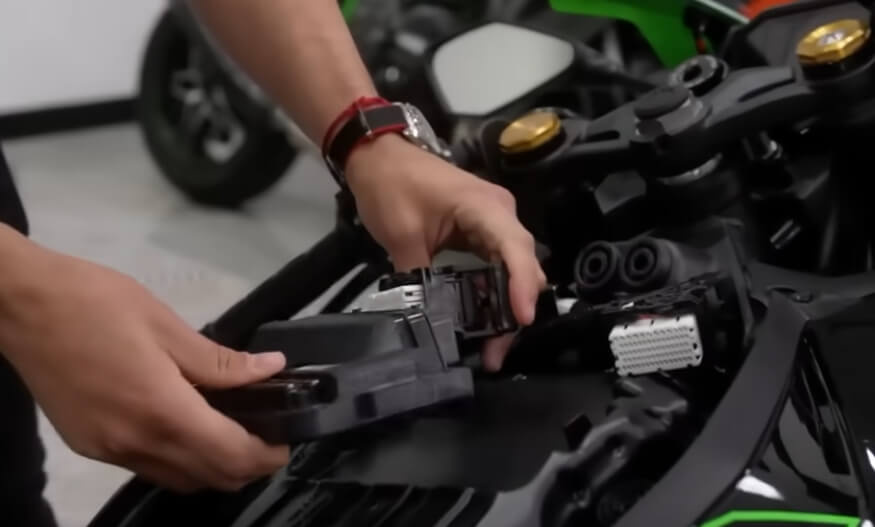
perform an ecu flash
Benefits:
- Smoother throttle response
- Stronger mid-range power
- Removal of certain factory restrictions (where legal)
- Improved fuel mapping for aftermarket exhaust systems
An ECU flash works especially well when paired with a quality aftermarket exhaust. Together, they help the engine breathe better and run more efficiently.
Because this modification directly affects engine management, always choose a trusted and experienced tuner. Done correctly, an ECU flash can make your motorcycle feel like a completely different machine.
2. Aftermarket Exhaust
Let’s be honest. One of the first things most riders think about changing is the exhaust.
Not because the stock one is “bad,” but because it’s usually heavy, quiet, and built to satisfy regulations more than excitement. Manufacturers design factory exhaust systems to meet strict noise and emissions standards. That often means extra weight, restrictive baffling, and a sound that feels a little muted.
An aftermarket exhaust replaces that bulky stock unit with something lighter and more free-flowing. And the difference is something you can hear and feel immediately.
The most noticeable change is the sound. A good exhaust gives your bike a deeper, richer tone. It doesn’t have to be obnoxiously loud. In fact, the best systems sound refined and purposeful, not harsh. The right exhaust makes your motorcycle feel more alive every time you twist the throttle.
Weight reduction is another big advantage. Stock exhausts can be surprisingly heavy because of catalytic converters and thick internal baffling. Swapping to a quality aftermarket system often saves several pounds. That weight usually comes off high on the bike, which can slightly improve handling and balance.
You may also see small performance gains, especially in throttle response and mid-range power. The improvement becomes more noticeable when paired with an ECU flash, since the engine can be properly tuned for the increased airflow.
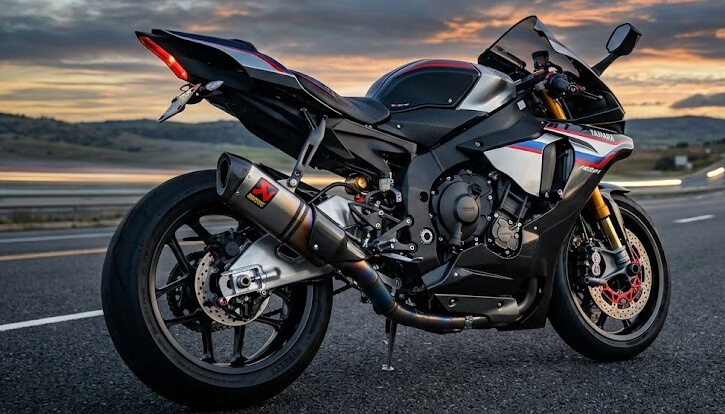
aftermarket exhaust
Benefits:
- Deeper, more aggressive exhaust note
- Reduced overall weight
- Improved airflow
- Sharper throttle response
- Potential power gains (especially with proper tuning)
There are two main types of exhaust upgrades:
- Slip-on exhausts replace only the muffler section: They are more affordable, easier to install, and usually give you the sound upgrade most riders want.
- Full exhaust systems replace the headers and mid-pipes as well: These offer better airflow and greater performance potential, but they cost more and may require professional tuning to get the best results.
Before installing any aftermarket exhaust, always check your local noise and emissions laws. Some systems are designed for track use only. It’s important to choose something that fits your riding environment and lifestyle.
At the end of the day, an exhaust upgrade is partly about performance, but it’s also about personality. The sound of your bike becomes part of the experience. When done right, it doesn’t just make the motorcycle louder — it makes it feel more like yours.
3. Suspension Upgrade
If I had to choose one upgrade that truly transforms a motorcycle, especially for real-world riding, it would be suspension.
Power is exciting, sure. But suspension is what lets you use that power safely and confidently.
The truth is, factory suspension is built for the “average rider.” Average weight. Average riding style. Average road conditions. But none of us are really average. Maybe you’re lighter. Maybe you’re heavier. Maybe you ride aggressively in the mountains, commute daily on rough streets, or carry luggage on weekends. When your setup doesn’t match your riding, the bike never feels completely settled.
That’s where suspension upgrades make a huge difference.
You can start with the basics:
- Stiffer or properly rated springs matched to your weight
- Adjustable front forks that allow you to fine-tune compression and rebound
- A quality aftermarket rear shock with better damping control
- Even a properly set-up rear shock alone can completely change the personality of a bike.
When suspension is dialed in correctly, you’ll notice it right away.
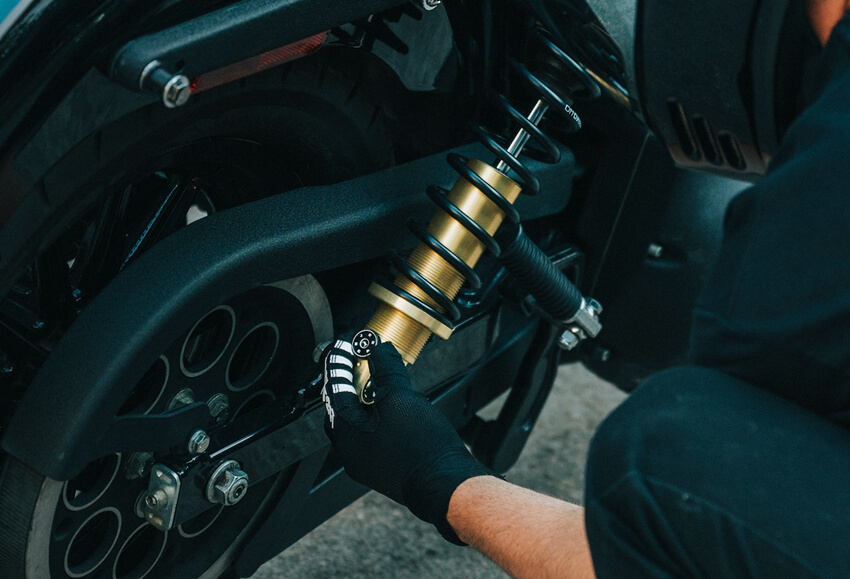
motorcycle suspension upgrade
Benefits:
- Better cornering stability
- Improved braking control with reduced front-end dive
- More comfort over rough roads
- Increased traction and tire contact
- Greater confidence at higher speeds
The biggest upgrade, though, isn’t just performance — it’s confidence. When your suspension works with you instead of against you, you stop fighting the bike. You start trusting it. Once you experience a well-set-up suspension, it’s hard to go back. The bike feels tighter, smoother, and more precise — like it finally fits you instead of some imaginary “average” rider.
One important thing: installing high-quality suspension components is only half the job. Proper setup matters just as much. Sag adjustment, rebound, compression — these settings need to match your weight and riding style. If you’re not experienced with suspension tuning, it’s worth having a professional set it up. A correctly adjusted mid-range shock can feel better than an expensive one that’s poorly tuned.
4. Tail Tidy (Fender Eliminator)
You know that big plastic piece hanging off the back of most stock bikes? Yeah… that thing.
Manufacturers have to design rear fenders to meet license plate size requirements, lighting rules, and splash protection standards. The result is usually a long, bulky setup that sticks out behind the bike and ruins the clean lines of the tail section.
A tail tidy — also called a fender eliminator — removes that oversized rear fender and relocates the license plate closer to the bike. It’s a small change, but visually, it makes a huge difference.
The rear end suddenly looks tighter. Cleaner. More intentional. Instead of that long plastic extension, you get a compact, aggressive profile that matches the rest of the bike’s design.
This mod doesn’t add horsepower. It doesn’t change handling. But it changes how your bike feels when you walk up to it.
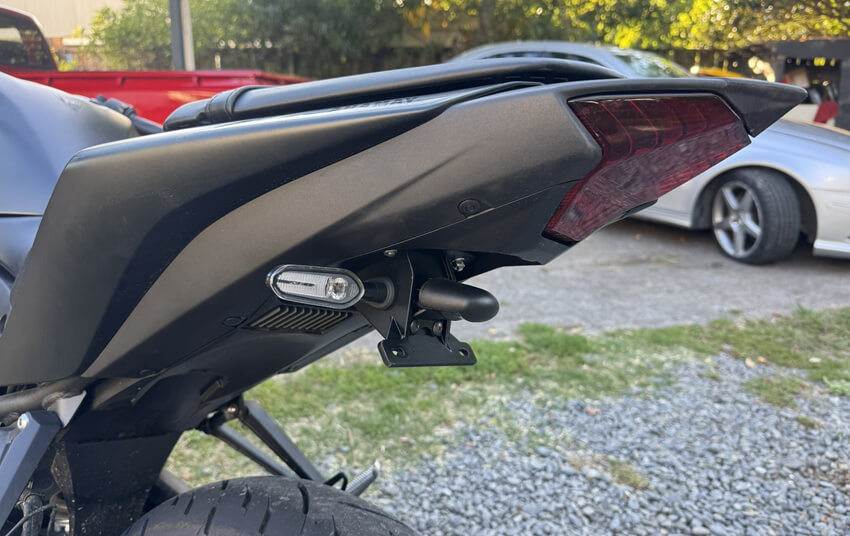
tail tidy
Benefits:
- Sharper, sportier rear-end appearance
- Reduced visual bulk
- Cleaner, more aggressive lines
- A more modern, custom look
It’s one of the simplest ways to make a motorcycle look less “factory” and more personal.
That said, don’t treat it like just a cosmetic swap. Make sure the new setup includes proper license plate lighting, secure mounting, and functional turn signals if they’re being relocated. Visibility matters — especially at night. When done properly, a tail tidy just finishes the bike. It makes the rear end look the way it probably should have from the factory.
And always check local regulations. Some areas have strict rules about plate angle, reflector placement, and signal spacing. A clean look is great, but getting pulled over for it isn’t.
5. Seat Mod
Let me ask you something. After an hour on your bike, how do you feel?
If you’re shifting around constantly, standing at red lights just to stretch, or feeling that dull ache creeping in — that’s not you being weak. That’s the stock seat reminding you it was built to hit a price target, not to carry you across a state.
Most factory seats are designed for cost efficiency and average comfort. Thin foam. Basic materials. Just enough padding to pass a short test ride. They’re fine for quick trips. But once you start riding longer than an hour, you really begin to notice the limitations.
That’s where a seat upgrade changes everything.
You’ve got a few solid options:
- Gel inserts that distribute pressure more evenly and reduce hot spots
- Memory foam padding that conforms to your body and improves long-distance comfort
- Custom shaping and stitching tailored to your weight, riding posture, and even your inseam
A properly modified seat supports your hips instead of creating pressure points. It keeps your posture more natural. You don’t slide forward under braking as much. And most importantly, you stop thinking about discomfort and start focusing on the ride.
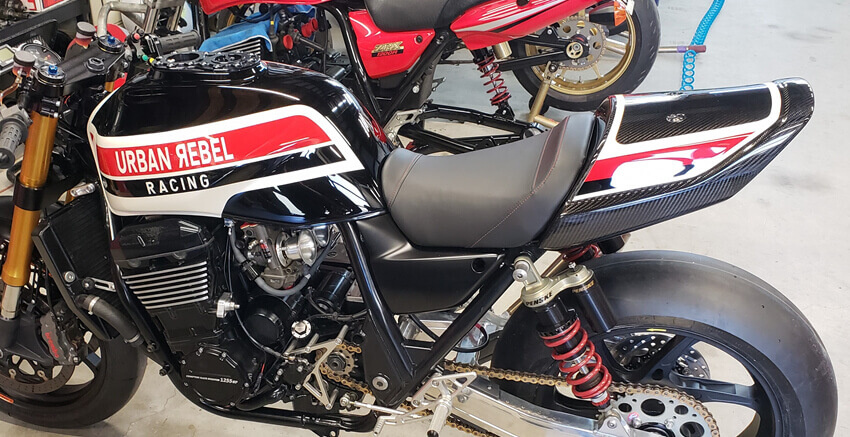
motorcycle seat mod
Benefits:
- Reduced fatigue on longer rides
- Better weight distribution and pressure relief
- Improved riding posture
- Increased overall comfort and endurance
If you regularly ride more than an hour at a time — commuting, weekend canyon runs, road trips — a better seat isn’t a luxury. It’s one of the smartest comfort upgrades you can make.
The funny thing is, it’s not flashy. No one at the gas station is going to compliment your foam density. But after two hours on the highway when everyone else is squirming and you’re still relaxed? That’s when you’ll know it was worth it.
6. Heated Handgrips
You don’t realize how important your hands are… until you can’t feel them.
Cold weather doesn’t just make riding uncomfortable — it makes it risky. When your fingers go numb, your throttle control gets sloppy. Braking inputs become less precise. Reaction time slows down. And that tiny delay? On a motorcycle, it matters.
Heated grips solve that problem in the simplest way possible. Instead of trying to fight the cold with thicker and thicker gloves, you bring the heat directly to your hands.
The first time you use them on a cold morning, you’ll get it. Within minutes, your palms warm up. Your fingers loosen. You stop clenching the bars. Everything feels smoother.
And it’s not just about comfort — it’s about control.
Modern heated grips are surprisingly easy to install. Most connect directly to the bike’s electrical system and come with integrated controllers. Many offer multiple heat levels, so you can dial it down on cool fall evenings or turn it up on freezing winter commutes.
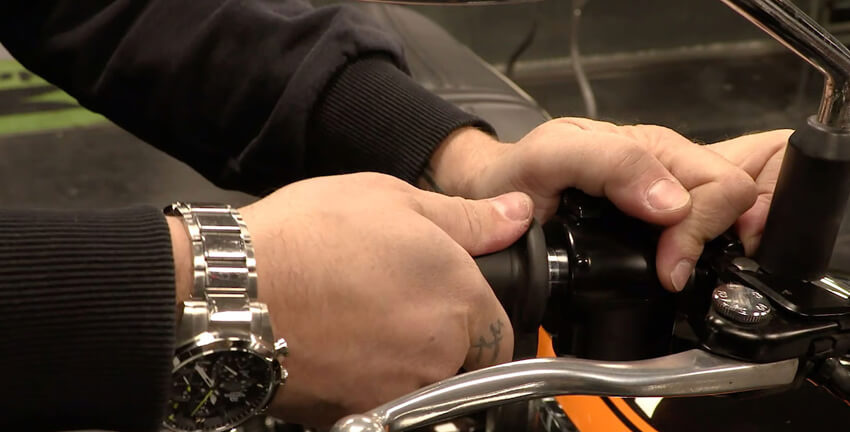
place the heated handgrips
Benefits:
- Warm hands during cold-weather riding
- Improved throttle and brake control
- Increased comfort on long winter rides
- Multiple adjustable heat levels
- Enhanced safety in low temperatures
For riders in colder climates, heated grips aren’t a luxury — they’re a smart upgrade. Even if you don’t ride through snow, extending your comfortable riding season by a few months makes a huge difference.
Once you’ve ridden with warm hands in 40°F weather, it’s hard to go back. You stay relaxed. You stay focused. And instead of counting the minutes until you can get off the bike, you actually enjoy the ride.
Sometimes the best upgrades aren’t about speed. They’re about making sure nothing distracts you from riding well.
7. Levers
You touch your brake and clutch levers more than almost anything else on the bike. Every shift. Every stop. Every corner entry. So if there’s one control point that deserves attention, it’s this.
Stock levers? They work. But they’re built to fit everyone and no one at the same time. Fixed reach. Basic materials. No refinement.
That’s where adjustable levers come in.
These high-performance levers focus on feel, adjustability, and durability. And the difference isn’t flashy — it’s tactile. You feel it immediately.
One of the biggest upgrades is adjustable reach. Not everyone has the same hand size. With adjustable levers, you can fine-tune how far the lever sits from the bar. That means you’re not overreaching or cramping your fingers. The controls feel natural, almost custom-fitted to your hand.
Then there’s the folding design. If you’ve ever dropped a bike at low speed — in a parking lot, on gravel, whatever — you know how easily stock levers snap. Adjustable levers pivot upward in a fall instead of breaking. That alone can save you from being stranded or replacing parts.
The materials are also stronger and more precisely machined than most stock levers. They feel solid. Smooth. Controlled.
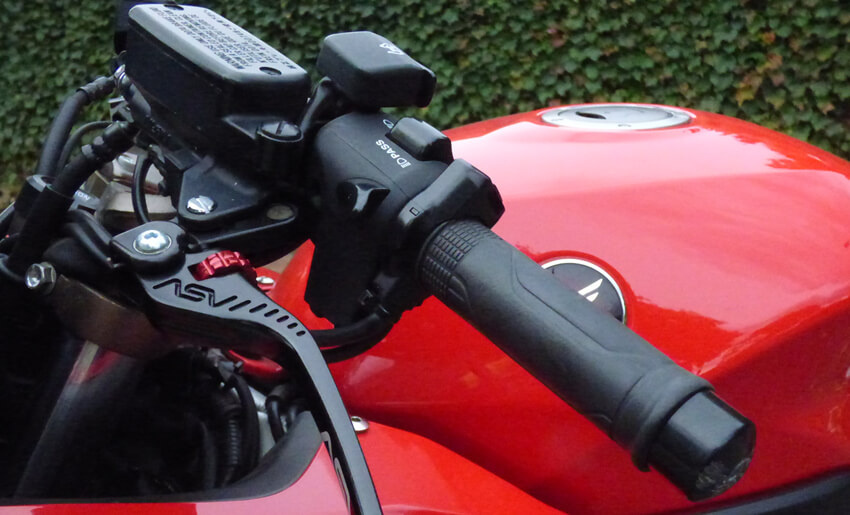
asv levers on motorcycle
Benefits:
- Adjustable reach for different hand sizes
- Folding pivot design to reduce breakage in a drop
- High-strength aluminum construction
- Improved lever feel and modulation
Upgrading your levers isn’t about horsepower. It’s about connection. Better braking precision. Smoother clutch engagement. Less hand fatigue in traffic or aggressive riding.
When your controls feel right, everything else feels easier. Downshifts get smoother. Trail braking feels more controlled. Even daily commuting feels more refined.
It’s one of those upgrades you don’t realize you needed — until you try it. Then going back to stock feels… cheap.
Small part. Big difference.
8. Windscreen Upgrade
If you’ve ever done a long highway stretch and felt like you were holding onto the bars just to fight the wind, you already understand why this matters.
Wind pressure doesn’t seem like a big deal at first. But at 65–80 mph, that constant force against your chest and helmet slowly wears you down. Your neck tightens. Your shoulders tense up. After an hour, you’re more tired from the wind than from the ride itself.
That’s where a windscreen upgrade makes a real difference.
Most stock windscreens are a compromise. They’re often designed for styling, cost, or to fit a wide range of riders. Sometimes they’re simply too small to provide meaningful protection — especially if you’re taller than average.
A properly chosen aftermarket windscreen changes the airflow around your body. Instead of the wind hitting your chest directly, it’s redirected over or around you. The pressure decreases. Your upper body relaxes. You stop bracing yourself.
One of the biggest improvements riders notice is reduced helmet buffeting. That turbulent shaking at highway speed? A better screen can smooth out the airflow so your helmet stays steadier and quieter.
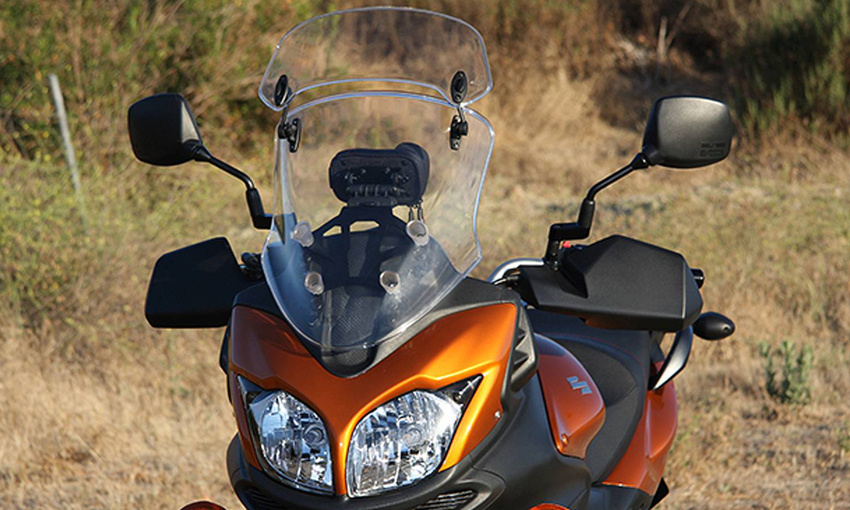
motorcycle windscreen upgrade
Benefits:
- Reduced wind fatigue on long rides
- Less helmet buffeting and turbulence
- Improved comfort at highway speeds
- Better upper-body protection for touring
There are different styles depending on how you ride.
- Taller touring windscreens are ideal for highway and long-distance riders. They prioritize maximum wind protection and comfort, especially for commuting or cross-country trips.
- Shorter sport screens don’t block as much air, but they help manage airflow more cleanly at higher speeds. They keep the bike looking aggressive while still improving stability and aerodynamics.
The key is choosing the right height for your body and riding position. Too tall, and airflow can hit the top of your helmet awkwardly. Too short, and you’re back to full wind pressure.
When you get it right, though? The ride feels smoother. Calmer. Less tiring. You arrive at your destination feeling like you rode there — not like you wrestled the wind the entire way.
It’s not about hiding from the elements. It’s about managing them so you can ride longer and more comfortably.
9. Rear Sets
Think about every time you’re cornering aggressively. Your foot is on the peg, your leg is tensing, and you’re trying to get the bike to respond exactly how you want.
Stock footpegs are fine for casual riding, but they’re built for “average” riders and everyday comfort. That’s where rear sets come in.
Rear sets replace your stock footpegs and controls with fully adjustable, high-performance units. Most are made from lightweight aluminum, sometimes billet-machined, so they’re stronger but lighter than what came with your bike.
And the magic is in the adjustability — you can move them higher, lower, or further back depending on your height, leg length, and riding style.
Why does that matter? Because a slightly higher or rearward footpeg position gives you more ground clearance when leaning into corners. You can scrape the pegs less often, push harder into turns, and feel more confident when the bike is leaned over. The difference is subtle at first, but after a few spirited rides, you’ll feel like you’re more “connected” to the bike.
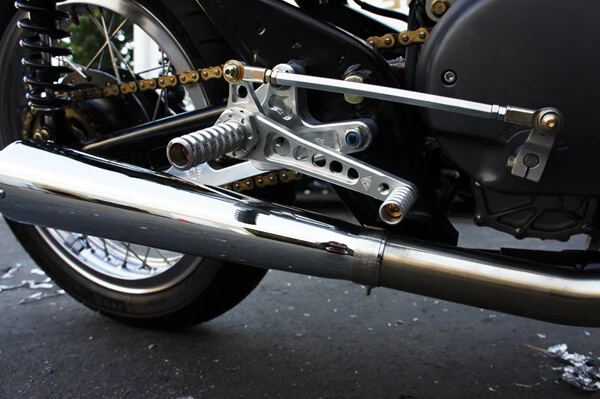
motorcycle rear sets
Benefits:
- More aggressive and ergonomic riding position
- Better ground clearance in corners, so you can lean farther without dragging
- Improved control and feel during spirited or track riding
- Stronger, lightweight construction that can handle drops better than stock pegs
For street riders, the difference might seem small, but if you hit twisty roads or tracks often, rear sets dramatically improve your confidence and control.
Just remember: adjust them correctly for your size — too high or too far back, and it can throw off comfort during longer rides.
10. Better Mirrors
Let’s be honest—stock mirrors usually work, but not that well.
On some bikes, you end up staring at your own shoulders more than the traffic behind you. And once you pick up speed, the vibration turns everything into a blur. At that point, you’re not really “seeing” anything—you’re just hoping.
Swapping to better mirrors is one of those small upgrades that instantly makes riding feel more controlled. You don’t have to shift your body to check blind spots. You don’t have to squint through vibration. You just glance—and you know.

motorcycle mirror upgrade
Benefits:
- Improved rear visibility – A wider, clearer field of view means fewer surprises.
- Reduced vibration – Quality mirrors stay steady even at highway speeds.
- Sleeker design options – From aggressive bar-ends to refined touring styles, they can completely change the bike’s look.
If you ride a naked bike, bar-end mirrors are a favorite for a reason. They open up the view and give the bike a sharper, cleaner stance.
If you’re more into long-distance touring, stability becomes the priority—touring mirrors focus on clarity and minimal shake over long rides.
It’s not the most exciting mod on paper, but on the road? You’ll appreciate it every single time you check behind you.
Learn about the Mirrors
Final Thoughts
Choosing the right motorcycle mods depends on your riding goals. If you want more power, focus on ECU flashing, exhaust upgrades, and suspension improvements. If comfort is your priority, consider a seat mod, heated grips, and a windscreen upgrade.
Start with upgrades that improve safety and control before moving to cosmetic changes. High-quality parts and professional installation will ensure reliability and long-term performance.
With the right modifications, your motorcycle becomes more than just transportation. It becomes a machine perfectly tailored to your riding style and personality.
You may also interested

With over 10 years of experience working on cars and trucks Item Training Supervisor Richard Reina is known around the office as one of our technical experts & real an "automobile person".
His rate of interest began, in his very own words, "at the age of two when his father educated him the distinction in between a Chevy and a Ford. Since then it's been cars regularly."
As a serious lover of practically all things with a motor Richard can address nearly any kind of inquiry related to car upkeep, fixing, or restoration & is a fact professional in electric motor background.
You maybe like to read:
Fodsports Brand Month: Unbeatable Deals and Top-Notch Service
Discover Fodsports Brand Month July and August mark a special occasion for motorcycle enthusiasts and tech lovers alike. Welcome to Fodsports Brand Month! This event is dedicated to celebrating everything that makes Fodsports a leading name in the motorcycle communication industry. Get ready for a fantastic promotions, exceptional service from Fodsports. Let's insights into Fodsports' […]
Grossglockner High Alpine Road in Fall: Austria Motorcycle Riding Guide
Autumn transforms Austria’s Grossglockner High Alpine Road into a spectacular mountain destination. Golden larch trees brighten the slopes, crisp Alpine air can reveal dramatic mountain views, and 36 hairpin bends make the journey memorable for motorcycle enthusiasts. Yet autumn also brings unpredictable weather, cold pavement, and possible road closures. For riders planning an Austrian Alps […]
Black Forest High Road Motorcycle Guide: Best Autumn Ride, Scenic Routes and Riding Tips in Germany
Few places in Germany combine flowing mountain roads, colorful forests, traditional villages, and peaceful viewpoints as perfectly as the Black Forest High Road (Schwarzwaldhochstraße B500). In autumn, this legendary route transforms into a spectacular motorcycle destination, with golden beech forests, misty valleys, and panoramic views stretching toward the Rhine Valley and even France on clear […]
Ultimate Dolomites Autumn Cycling Guide: Best Fall Foliage Routes & Expert Gear Blueprint
The Italian Dolomites in autumn transform into a sensory masterpiece. As the chaotic summer crowds dissipate between mid-September and late October, the entire Alpine region ignites with golden larches, fiery maples, and stark white limestone peaks. This fleeting shoulder season provides the ultimate window for an epic Dolomites cycling tour and foliage chasing. Compared to […]
Route des Grandes Alpes in Fall: France Motorcycle Riding Guide
Few motorcycle routes combine high mountain passes, autumn forests, dramatic valleys, and Mediterranean scenery as well as the Route des Grandes Alpes in France. Stretching about 720 km from Thonon-les-Bains near Lake Geneva to Nice, the route crosses 18 major Alpine passes and reaches 2,764 meters at the Col de l'Iseran. For motorcycle riders, autumn can […]