The motorcycle communication systems field just got a significant upgrade with the release of the Fodsports FX7. This state-of-the-art Bluetooth mesh intercom is packed with many advanced features and techs. It will revolutionize the way riders communicate and enjoy their rides. Whether you're a solo rider or part of a group, the FX7 offers unparalleled […]

How to wash motorcycle gloves? (2026 Complete Guide)
April 21, 2026
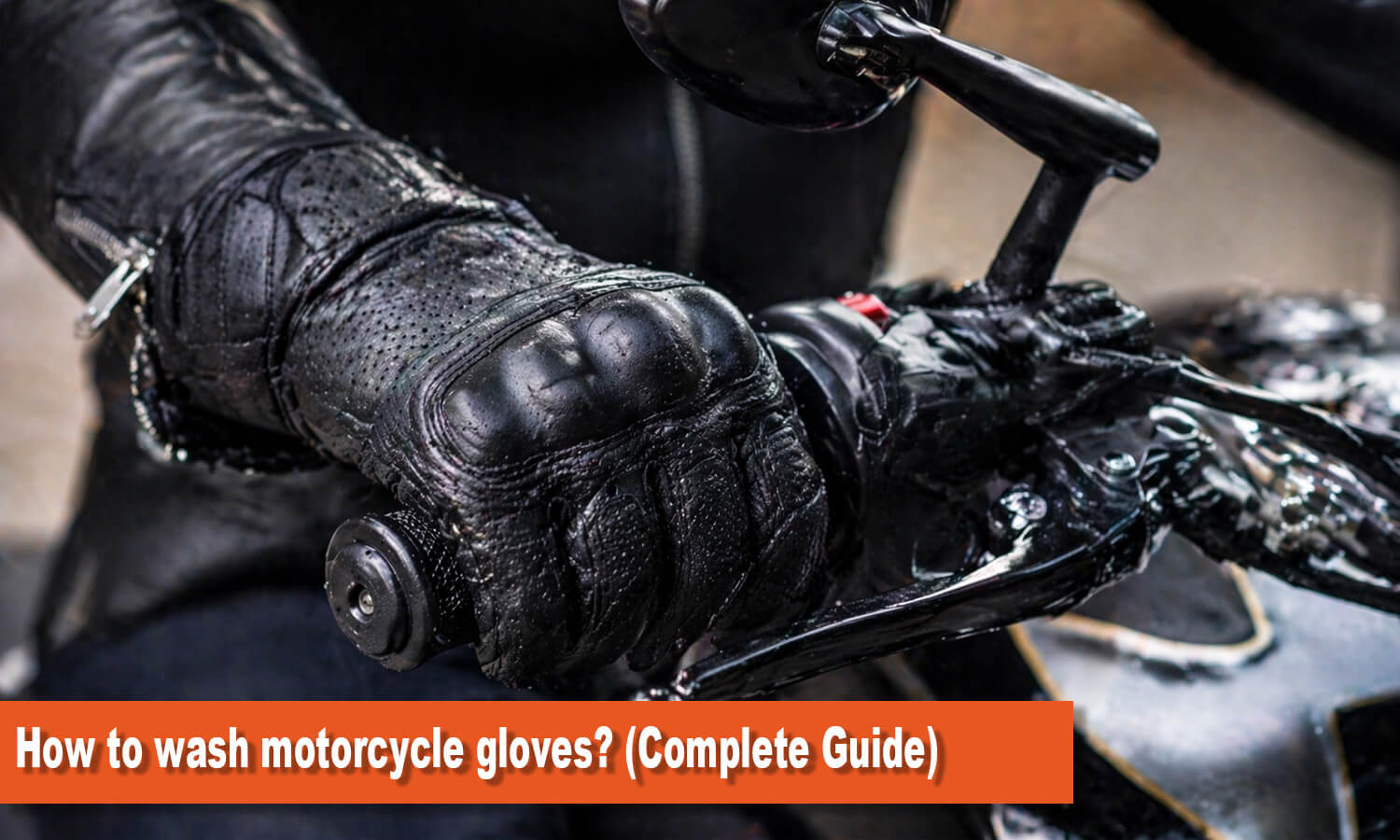
If you ride a lot, you already know this: your gloves get nasty.
Sweat, road dust, bugs, fuel smell—after a few weeks, they stop feeling like gear and start feeling like gym socks. I’ve had gloves get so stiff and smelly I didn’t even want to put them on anymore.
The truth is, most riders either:
- Don’t clean their gloves at all
- Or clean them the wrong way and ruin them
I’ve done both.
In this guide, I’ll show you exactly how to wash motorcycle gloves the right way—based on real riding experience and proven methods—so they stay comfortable, flexible, and safe.
Table of Contents
Know Your Gloves First (Very Important)
Before you even think about washing, you need to know what your gloves are made of.
This is where most people mess up.
The 3 main glove types:
1. Leather gloves
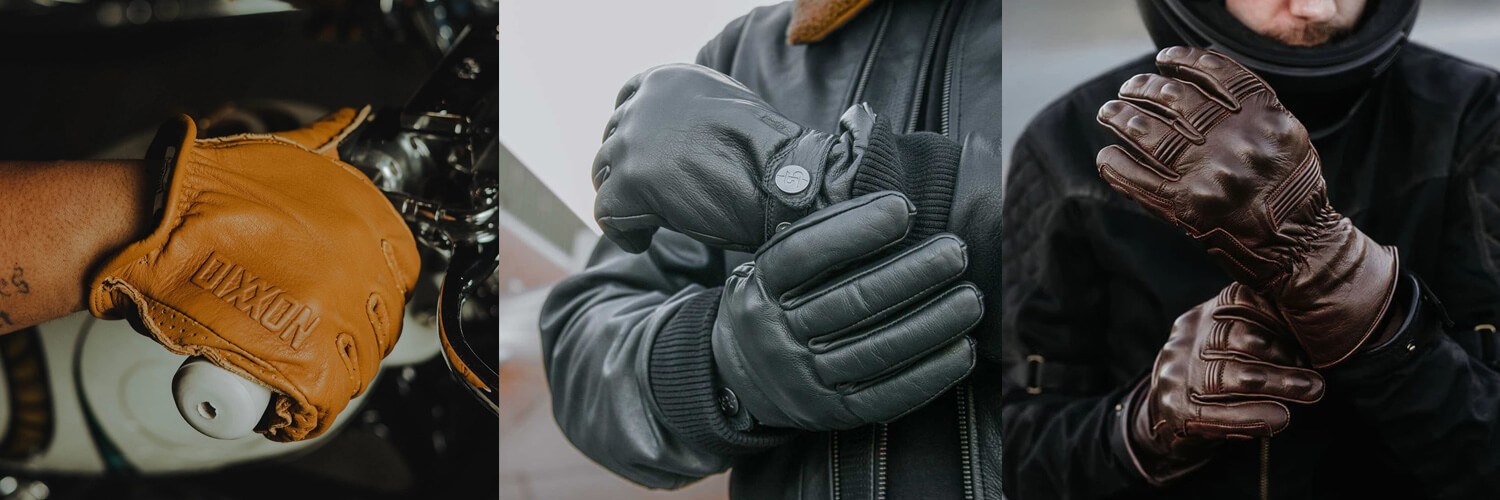
leather motorcycle gloves
Leather motorcycle gloves are the “classic” choice for riders. The reason is clear and obvious - they offer some of the best protection you can get for your hands.
Leather is naturally tough and highly resistant to abrasion. This means it can hold up much better if you slide on the road during a crash.
Once, I was riding my motorbike on a wet and slippery road, and I fell. Luckily, I was wearing leather gloves at the time, so my hands weren't scraped.
They might not be as flexible… but will break in and be much more protective.
Many experienced riders prefer leather gloves over textile gloves.
Another big advantage is how leather feels over time.
When you first wear them, you may feel they are a bit stiff. But after a few rides, it softens and molds to your hands.
This gives you better grip and control on the throttle and brakes.
Good leather gloves can also last for years if you take care of them.
If they fit well and feel good, I buy them… comfort matters most.
However, leather has downsides. It doesn’t handle water well - getting soaked can make it stiff or cracked if dried wrong.
It’s also less breathable, so it can feel hot in summer.
In short, leather gloves are strong, durable, and comfortable—but they need proper care to stay that way.
👉 I usually wear leather motorcycle gloves in those low-temperature days. They keep my hands warm, so that I can control the handbar, throttle and brakes.
2. Textile gloves
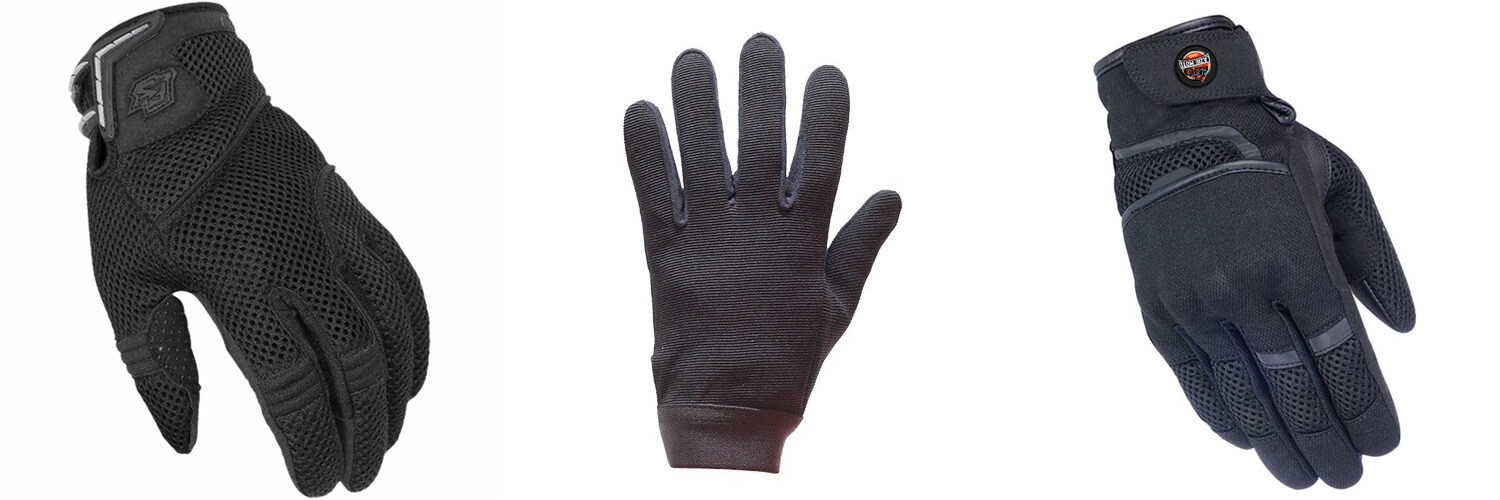
textile motorcycle gloves
Textile motorcycle gloves are made from synthetic materials like nylon, Cordura, or Kevlar. So, they are built for comfort and everyday riding.
They are usually lightweight and breathable, which makes them great for hot weather and long rides.
So, compared to leather, textile gloves feel more comfortable right away. They don’t squeeze your fingers as much and are easier to wear for long rides.
Many textile gloves also come with waterproof layers, so they work well in rain and changing weather.
One big advantage is comfort. Unlike leather, textile gloves feel soft right away and don’t need a break-in period. They also dry faster after getting wet.
However, they are not as tough as leather. They can wear out faster and may not protect as well in a high-speed crash.
In real riding, textile gloves are perfect for commuting, summer rides, and daily use.
3. Mixed gloves
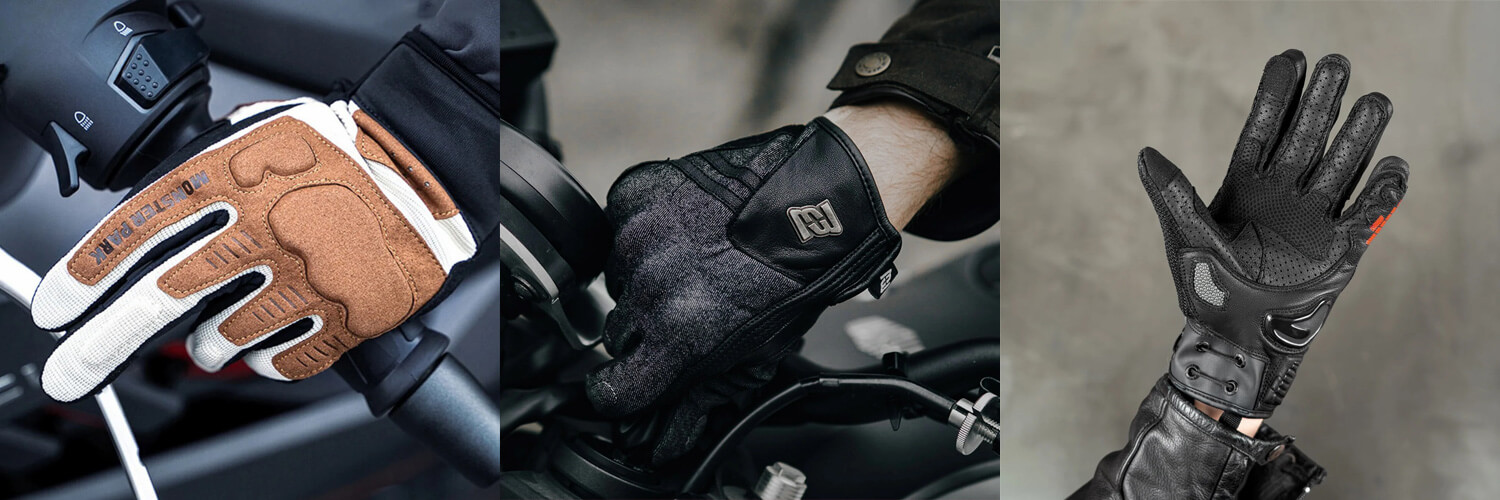
mixed motorcycle gloves
Mixed (or hybrid) motorcycle gloves combine leather and textile materials in one glove. Usually, you’ll see leather on the palm and impact areas, and textile on the back of the hand. This design perfectly balances protection and comfort.
Leather parts provide strong abrasion resistance and grip, which is important if you slide on the road.
Textile sections add flexibility, airflow, and better comfort in hot or changing weather.
Therefore, many riders switch to mixed gloves in hot weather because they feel cooler and less sweaty.
Experienced riders often own multiple gloves, but many say hybrid gloves are the closest thing to an all-in-one option.
When Should You Wash Motorcycle Gloves?
A lot of riders ask this. The answer is simple:
Wash your gloves when you notice:
- Bad smell
- Stiff feeling
- Visible dirt or grime
- Sticky or sweaty interior
Sweat is actually one of the biggest problems. Over time, salt from sweat breaks down leather fibers and causes cracking
Based on years of riding experience, I've summarized the following:
- If you're a daily rider, you need to wash your motorcycle gloves every 2-4 weeks.
- If you're a weekend rider, you can wash your gloves every 1-2 months.
- Note: After rain or a long, hot ride → wash your gloves as soon as possible.
👉 Pro tip: If your gloves smell when you put them on, you waited too long.
What You Need Before Washing Motorcycle Gloves?
The preparation before washing motorcycle gloves is actually very simple. You don’t need any special or expensive items — just a few basic items most riders already have at home.
Basic setup:
- Mild soap (baby shampoo works great)
- Microfiber cloth
- Soft brush (optional)
- Towel
- Leather conditioner (for leather gloves)
You should avoid using strong detergents, alcohol-based cleaners or bleach. These destroy materials and strip oils from leather
How to Wash Leather Motorcycle Gloves?
Leather gloves need patience. Don’t rush this. Here are the steps about how to hand wash leather motorcycle gloves properly:
Step 1 – Remove surface dirt
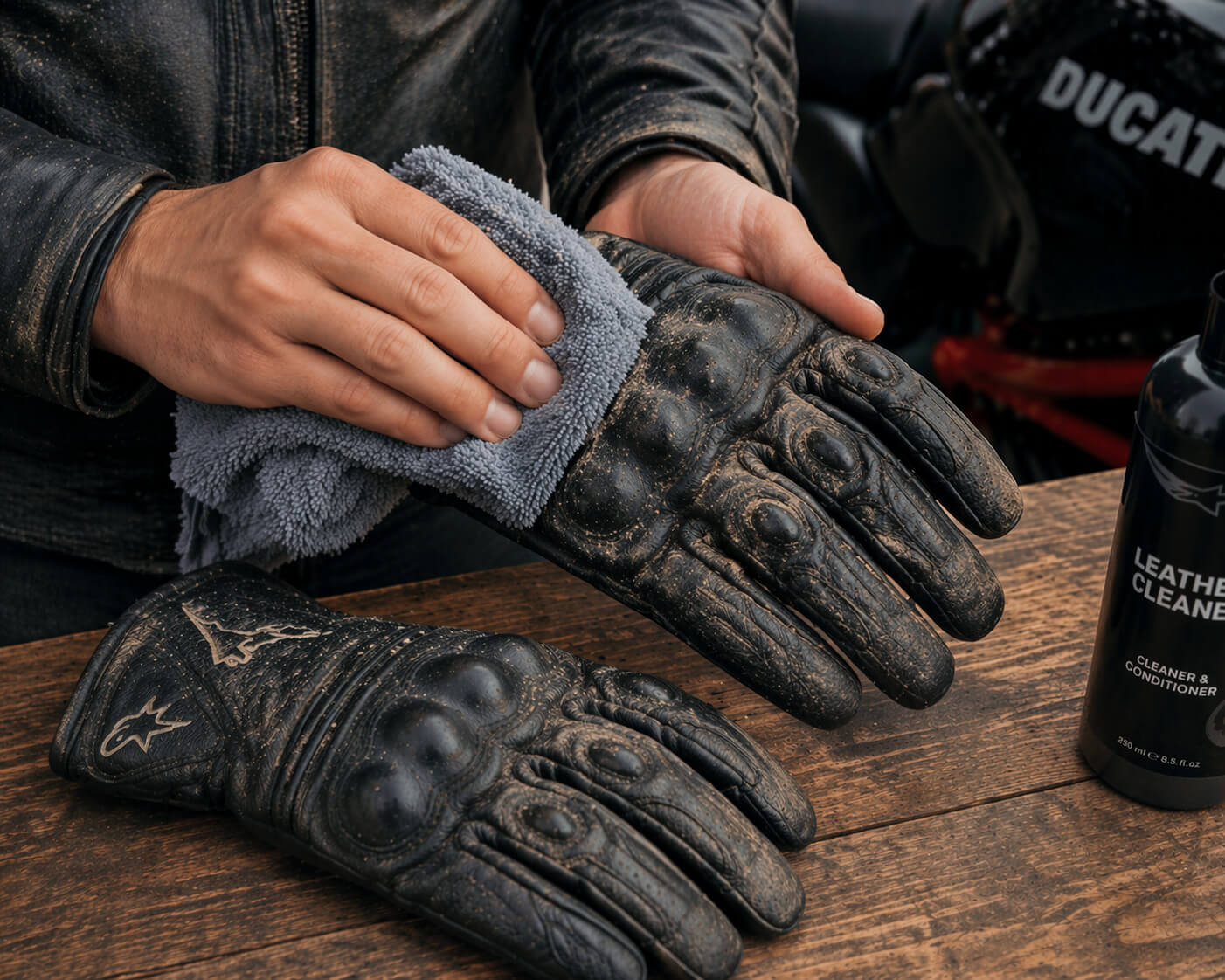
Remove the surface dirt on the gloves - how to wash motorcycle gloves
Before using any water or soap, always start by removing loose dirt. This step is simple but very important.
Use a dry microfiber cloth or a soft brush to wipe off dust, bugs, and road grime from the surface.
Please pay close attention to areas like the seams, finger folds, and palm, where dirt often hides. You can also gently tap the gloves together to shake off debris.
👉 Don't skip this step! Otherwise, you can rub dirt deeper into the material when you start cleaning. That can cause scratches or damage, especially on leather.
Step 2 – Clean gently (DO NOT soak)
Now it’s time to actually clean the gloves—but go slow and keep it gentle.
- Take a soft cloth or sponge, dip it in a mix of lukewarm water and mild soap, then wring it out so it’s only slightly damp.
- The glove should never be soaking wet.
- Gently wipe the surface in small circles, focusing on dirty spots like the palm and fingers. Do not scrub hard, because leather can scratch or wear down easily.
The key rule is simple: use as little water as possible. Leather absorbs water, and too much can make it stiff, shrink, or lose its shape.
👉 Think of it like this: you’re wiping dirt off, not washing clothes.
Step 3 – Wipe off soap
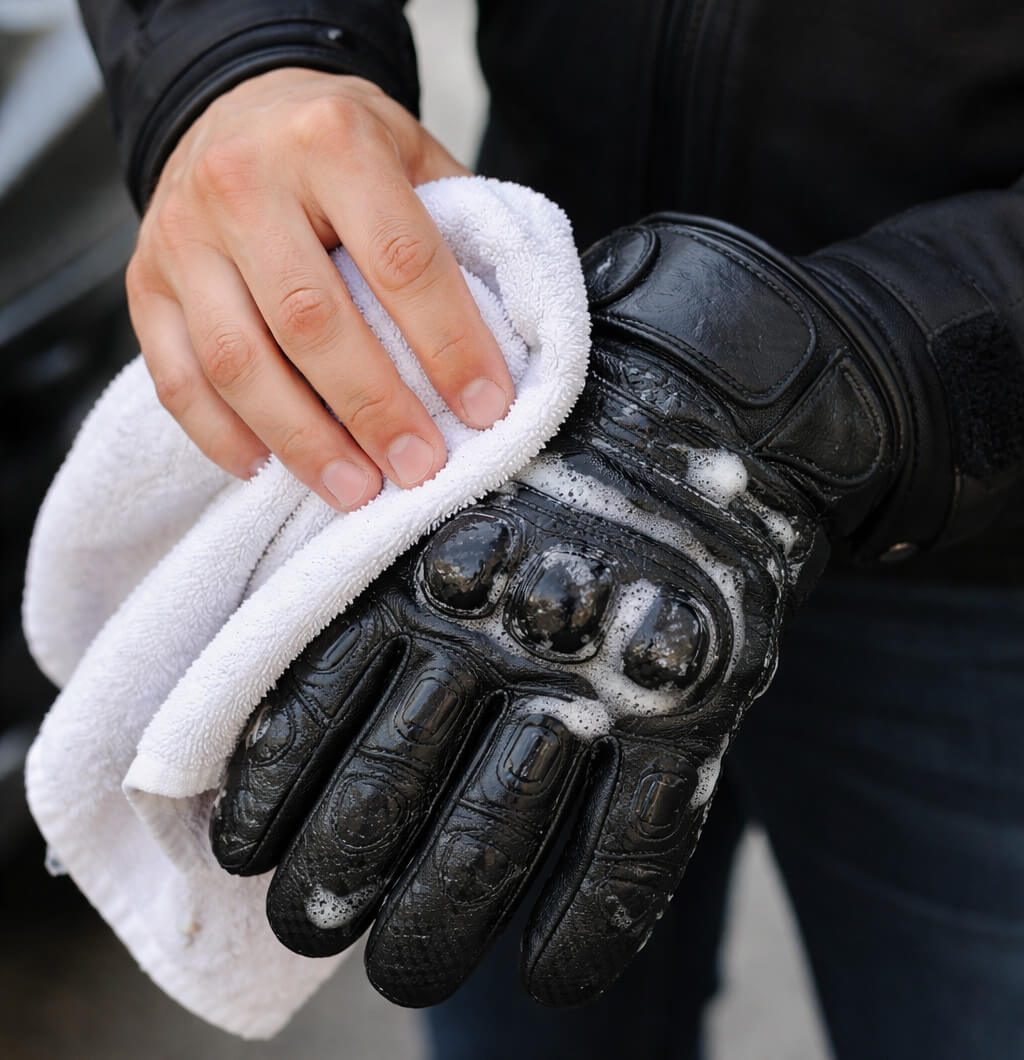
wipe off the soap on the motorcycle gloves
After cleaning, you need to remove all the soap from the gloves. This step is very important because any leftover soap can dry out the leather and make it stiff over time
Take a clean, soft cloth, dampen it with plain water (no soap), and gently wipe the entire surface of the gloves. Go over all areas, especially the fingers and seams, where soap can hide. Don’t rush—make sure no slippery or soapy feeling is left behind.
Step 4 – Dry properly
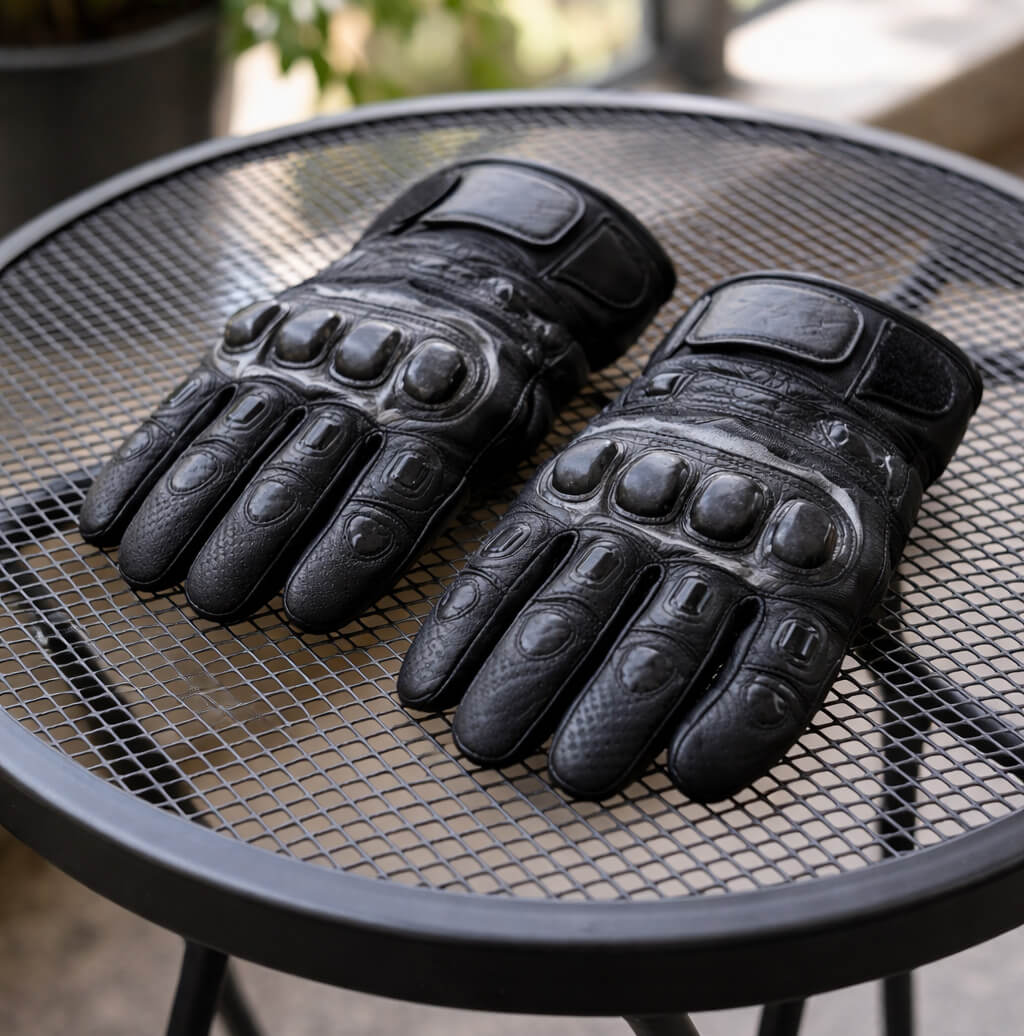
Place the gloves in a cool, well-ventilated area and let them air dry naturally
After cleaning, drying your gloves the right way is very important. This is where many riders ruin their gloves.
Do this:
- Gently press them with a towel to remove extra water;
- Shape the gloves (don’t twist or wring them);
- Place the gloves in a cool, well-ventilated area and let them air dry naturally;
- You can also stuff the gloves with paper towels to help them keep their shape and absorb moisture.
Never:
- Use a dryer
- Put near the heater
- Leave in direct sun
Drying takes time, but that’s a good thing. Slow drying helps the leather stay soft and comfortable, so your gloves feel right the next time you ride.
Step 5 – Condition the leather (CRUCIAL)
After your gloves are fully dry, the final step is conditioning—and this is the step many riders skip, but shouldn’t.
This step separates beginners from experienced riders.
Cleaning removes dirt, but it also removes the natural oils inside the leather. Without those oils, the leather can become dry, stiff, and even crack over time
- Take a small amount of leather conditioner (about pea-sized), put it on a soft cloth, and gently rub it into the gloves using small circular motions.
- Let it soak in slowly, then wipe off any extra. Don’t use too much—less is better.
Conditioning helps restore softness, flexibility, and grip, so your gloves feel comfortable again.
👉 Think of it like lotion for your skin—without it, leather dries out and wears out much faster.
Here is a video showing you how to wash leather motorcycle gloves:
How to Wash Motorcycle Gloves (Textile Gloves)?
Textile gloves are much easier to clean than leather ones, which is why many riders prefer them for daily use.
Textile material gloves support both hand washing and machine washing.
Method 1 – Hand washing (best option)
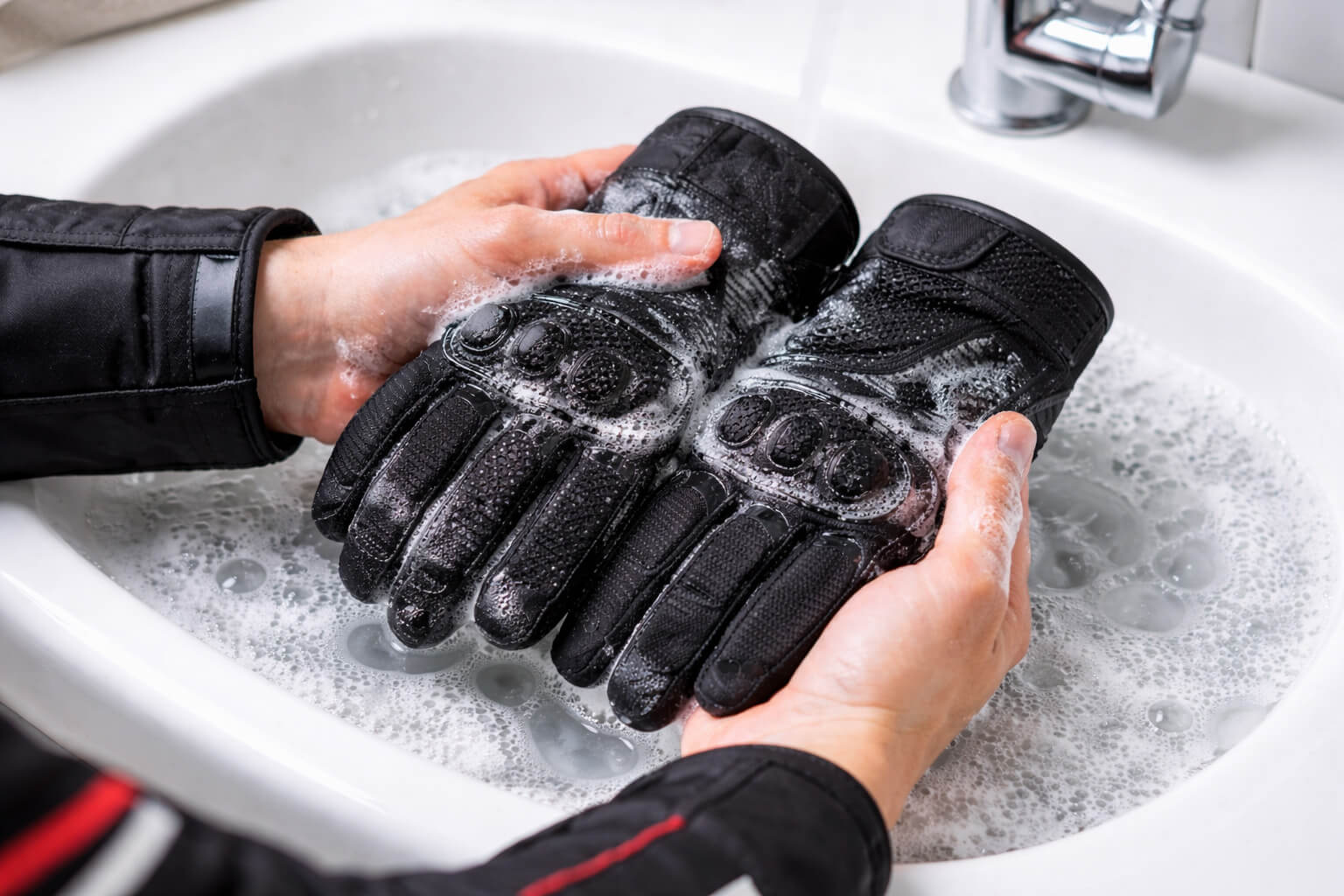
hand washing textile motorcycle gloves
- Fill a bucket with lukewarm water
- Add mild soap
- Put gloves on your hands
- Wash like you’re washing your hands
This works really well for cleaning the inside of the gloves, too.
Then:
- Rinse thoroughly
- Gently squeeze (don’t twist)
Method 2 – Machine washing (if allowed)
Some gloves allow it.
If you do:
- Use a gentle cycle
- Cold water
- No harsh detergent
Always check the label first, make sure it supports machine washing.
👉 Important:
Textile gloves hold detergent easily, so rinse well, or they’ll feel sticky later.
How to Clean Inside of Motorcycle Gloves?
Most riders ignore this, and, this is where the real dirt is.
Sweat and bacteria build up inside the gloves, not outside.
Method:
Option 1 (best):
- Wear gloves
- Wash hands with mild soap
- Rinse thoroughly
Option 2:
- Use a cloth or soft brush
- Clean inside gently
👉 From riders on forums:
“Soap takes away oils… use conditioner after”
👉 Another tip:
“Wash them while wearing them… then air dry slowly”
Important:
- Don’t soak leather interiors
- Don’t leave the inside of your gloves wet
That’s how you get smell and mold.
How to Dry Motorcycle Gloves Properly?
Drying is just as important as washing.
So what's the best way to dry motorcycle gloves after washing?
Best method:
- Air dry at room temperature
- Good airflow
- Fingers pointing down
You can:
- Stuff with paper towels
- Wear them briefly while damp to shape
Never do this:
- Dryer
- Heater
- Direct sunlight
All of these damage materials and cause shrinking or stiffness
👉 Real tip:
If gloves dry too fast, they get stiff. Slow drying = soft gloves.
Fodsports Motorcycle Helmet Communication System
How to Remove Bad Smell from Gloves?
This is a big problem, especially in summer.
Methods that actually work:
1. Air them out (simple but effective)
After every ride:
- Open gloves
- Let airflow do the work
2. Baking soda trick
- Put gloves in a bag
- Add baking soda
- Leave overnight
Removes odor safely.
3. Light vinegar spray (for textile only)
- Very light mix
- Spray inside
- Air dry
4. Antibacterial spray
Good for:
- Daily riders
- Hot climates
👉 Pro tip:
Wear glove liners if you ride a lot in heat. They reduce sweat buildup big time.
Common Mistakes to Avoid
I’ve made most of these at least once.
❌ Washing leather in machine
Destroys structure and shape.
❌ Using hot water
Causes shrinking and damage.
❌ Drying with heat
Makes gloves stiff and brittle.
❌ Using strong chemicals
Removes protective oils.
❌ Twisting or wringing
Damages stitching and shape.
❌ Not conditioning leather
Leads to cracking and stiffness.
Pro Tips from Experienced Riders
These small habits make a huge difference.
1. Air your gloves after every ride
Prevents smell buildup.
2. Don’t store them wet
That’s how bacteria grows fast.
3. Use liners in hot weather
Keeps gloves cleaner longer.
4. Rotate gloves if you ride daily
Gives them time to dry fully.
5. Quick clean after long rides
Wipe them down before dirt sets in.
👉 From real rider habits:
Some riders barely wash gloves, but always air them out—and they last much longer.
How to Maintain Motorcycle Gloves (Make Them Last Longer)?
Cleaning is only part of the story.
For leather:
- Condition every few weeks
- Keep away from heat
- Store in breathable space
For textile:
- Wash gently
- Reapply waterproofing if needed
Some waterproof gear needs treatment after washing to restore protection
General:
- Don’t crush gloves in your bag
- Keep shape when drying
Can You Wash Motorcycle Gloves in a Washing Machine?
Short answer:
- Textile → sometimes yes
- Leather → NO
Even for textile:
- Use gentle cycle
- Cold water
Always check the care label.
When Should You Replace Motorcycle Gloves?
No amount of cleaning can fix worn-out gloves.
Replace them if:
- Leather is cracked
- Stitching is broken
- Grip is gone
- Gloves feel loose or unsafe
Remember:
Your gloves are safety gear, not just comfort.
FAQ (Quick Answers)
Can you wash motorcycle gloves?
Yes, you can wash motorcycle gloves—but it really depends on the material. Leather and textile gloves need very different care. Leather gloves can be cleaned, but only in a gentle way using a damp cloth and mild soap. You should avoid soaking them or putting them in a washing machine, because leather absorbs water and can shrink, harden, or crack if handled wrong.
Textile gloves are much easier. Most can be washed with water and mild detergent, and some can even go in the washing machine if the label allows it.
👉 In simple terms: yes, you should wash your gloves to keep them clean and lasting longer—but always choose the right method based on what they’re made of.
How often should you clean them?
How often you should clean your motorcycle gloves depends on how often you ride and the conditions you ride in. If you ride regularly, cleaning them every few weeks is a good habit to keep them fresh and comfortable. Gloves collect sweat, dirt, and oils over time, which can damage the material if left too long.
For daily riders, a light clean or wipe-down can be done more often, especially after hot or dirty rides. A deeper clean can be done every few weeks or when you notice smell or stiffness. If you only ride occasionally, cleaning every couple of months is usually enough.
👉 Simple rule: clean them when they start to feel dirty, smell bad, or lose comfort.
Can leather gloves get wet?
Yes, leather gloves can get wet, but only to a limited degree. A little moisture—like light rain or sweat—is usually okay and won’t damage them right away. However, leather is a porous material, which means it can absorb water over time. If the gloves get too wet or soaked, the water can pull out the natural oils inside the leather. This can make the gloves stiff, shrink, or even crack as they dry.
So, the key is control. Light exposure is fine, but avoid soaking them. If your gloves do get wet, dry them slowly at room temperature and condition them afterward.
👉 Simple rule: a little water is okay, but too much can damage leather if not handled properly.
How do you soften stiff gloves?
If your leather gloves feel stiff, the best way to soften them is to use a leather conditioner after cleaning and drying. Cleaning removes dirt, but it can also take away natural oils, which is why gloves often feel hard afterward. Apply a small amount of conditioner to a soft cloth and gently rub it into the leather. This helps restore moisture and flexibility, making the gloves soft again.
After applying, let the gloves sit so the conditioner can soak in, then gently flex or wear them to help the leather loosen up. Working the fingers and moving your hands helps the material break in naturally.
👉 Simple tip: conditioner softens the leather, and wearing the gloves helps shape them to your hands for a better fit.
Can I machine wash textile motorcycle gloves?
Yes, you can machine wash some textile motorcycle gloves—but only if the manufacturer allows it. Many textile materials are safe for washing machines, especially on a gentle or hand-wash cycle with cold water. However, not all gloves are the same. Some have special materials like waterproof membranes (such as Gore-Tex), which can be damaged if washed incorrectly.
It’s also important to avoid top-loading machines with strong spinning, because they can stress or stretch the fabric. Always remove any armor or inserts before washing, and use mild detergent only.
What are the best detergents for cleaning motorcycle gloves?
The best detergents for motorcycle gloves are mild, gentle soaps that won’t damage the material. For most gloves, a baby shampoo, mild dish soap, or gentle liquid laundry detergent works very well. These are soft enough to clean dirt and sweat without harming the fabric or leather. Harsh detergents, bleach, or strong chemicals should always be avoided because they can break down materials and reduce the life of your gloves.
For leather gloves, it’s even better to use a special leather cleaner or saddle soap, since these help keep the leather soft and prevent drying. Liquid detergents are also preferred over powder, because they rinse out more easily and don’t leave residue.
Final Thoughts
If you ride a lot, your gloves go through a lot too.
Cleaning them the right way:
- Keeps them comfortable
- Extends their life
- Maintains safety
From my experience, the biggest difference is simple:
👉 Riders who take care of their gloves enjoy riding more.
👉 Riders who don’t… end up buying new ones way too often.
Take a little time to clean them right—and your hands will thank you every ride.

Rodney L is a technical writer and product consultant with over a decade of experience in the motor industry. Rodney is a fan of performance machines that run fast and loud and an expert in all things custom. His numerous articles and write-ups are available at our knowledge base. Whether it’s something wrong with your motorcycle or you are building a custom bike, you can trust Rodney’s experience.
You maybe like to read:
Fodsports Brand Month: Unbeatable Deals and Top-Notch Service
Discover Fodsports Brand Month July and August mark a special occasion for motorcycle enthusiasts and tech lovers alike. Welcome to Fodsports Brand Month! This event is dedicated to celebrating everything that makes Fodsports a leading name in the motorcycle communication industry. Get ready for a fantastic promotions, exceptional service from Fodsports. Let's insights into Fodsports' […]
Fall Motorcycle Riding Tips: How to Ride Safely in Autumn
Fall is a great season for motorcycle riding. Cooler temperatures, colorful scenery, and comfortable roads make autumn an ideal time to explore. However, the change of season also brings new riding challenges. Wet leaves can reduce traction, temperatures can change quickly, daylight becomes shorter, and wildlife may be active near roads. With a little preparation, […]
Top 10 Fall Motorcycle Rides in the USA: Scenic Routes & Foliage
Fall is one of the best seasons for motorcycle riding in the United States. Cooler temperatures, colorful forests, quieter roads, and spectacular mountain scenery make autumn ideal for a scenic motorcycle road trip. From New England's brilliant red and orange forests to the Appalachian Mountains and the colorful Ozarks, riders can find incredible fall foliage […]
Women in American Motorcycle Culture: How Women Shaped Its Evolution
Women in American motorcycle culture have played an important role in shaping the way motorcycling is experienced and represented in the United States. When people think of American motorcycle culture, they may picture leather jackets, open highways, motorcycle clubs, and groups of male riders. But women have been part of that culture for much longer […]
Modern Motorcycle Culture: How Technology and Community Are Changing Riding
Motorcycle culture has never been only about motorcycles. It is about the people who ride them, the communities they build, the places they explore, and the freedom they experience on the road. Today, modern motorcycle culture is changing faster than ever. Traditional motorcycle clubs, rallies, and group rides remain an important part of the scene, but […]