Long-distance motorcycle touring is about freedom, rhythm, and endurance. Hours on the highway, changing weather, unfamiliar roads, and constant wind noise all test your gear — especially the communication system for touring. A touring motorcycle intercom is not the same as a short-ride or commuter intercom. On a multi-day trip, small weaknesses become big problems: […]

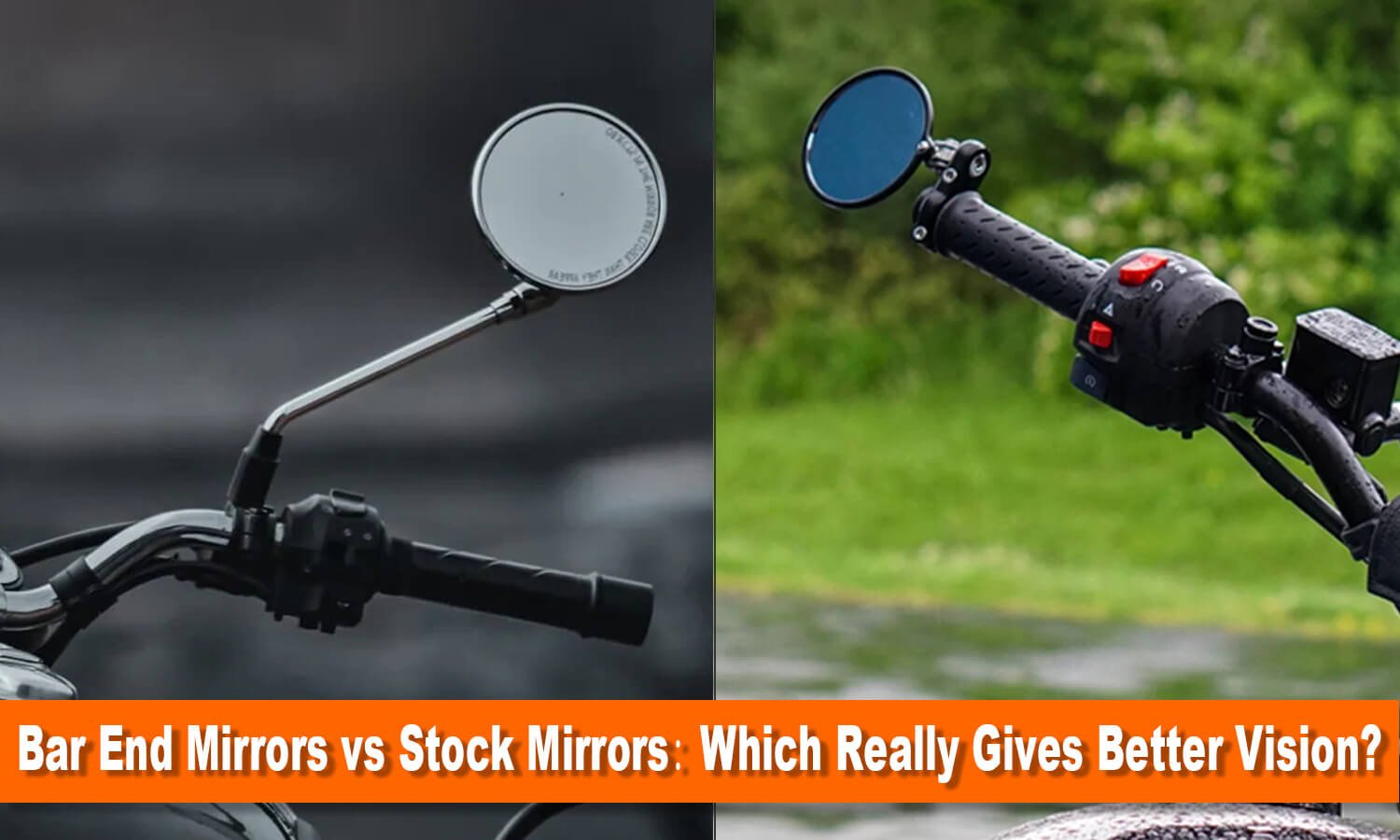
Bar End Mirrors vs Stock Mirrors: Which Really Gives Better Vision?
Motorcycle safety relies on mirrors for riders to keep tabs on what's going on around them. Yet, not every mirror cuts it the same way. Riders have long been bickering over which is better: bar end mirrors or the stock mirrors. They argue about which (Bar End Mirrors vs Stock Mirrors) gives a better view, looks cooler, and is more useful. This all-in-one guide will take apart the good and bad of both leaning on fresh knowledge and actual rider stories, to figure out which kind of mirror gives you the best view.
Table of Contents
Understanding the Basics
What Are Stock Mirrors?

stock mirrors on a motorcycle
Motorcycles roll off the line sporting stock mirrors. These dudes are the ones you see chilling near your hands, all lined up with where you look as you ride. They gotta tick off a bunch of safety boxes and should make your ride look good too.
What Are Bar End Mirrors?
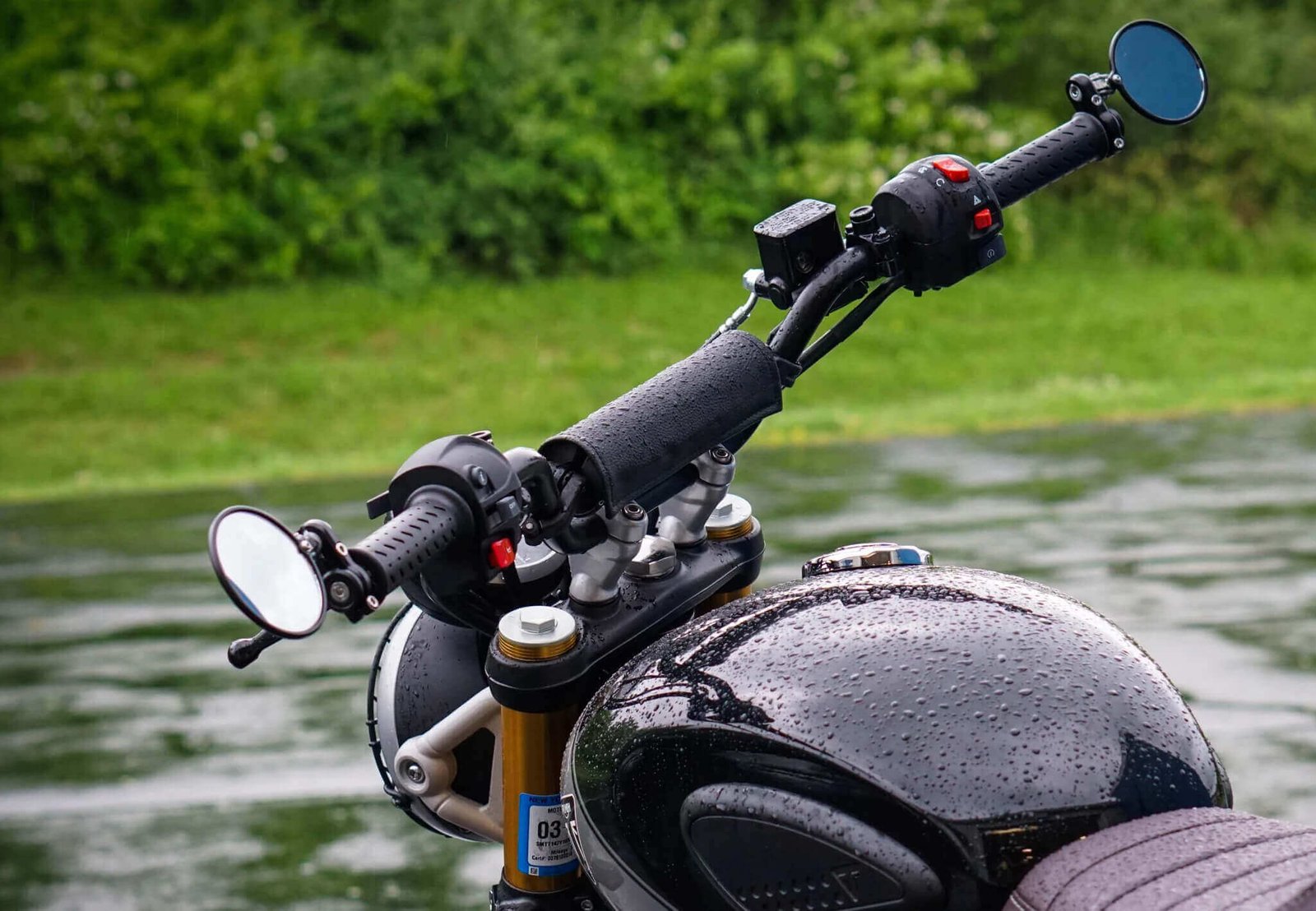
Bar end mirrors on a motorcycle
Bar end mirrors attach to the ends of the handlebars, replacing or supplementing stock mirrors. These mirrors are often praised for their sleek design and wider field of view. They’re a favorite among riders of sport bikes, cruisers, and adventure motorcycles.
Comparing Vision: Key Factors
1. Field of Vision
The primary purpose of a mirror is to eliminate blind spots. Here’s how the two types stack up:
Bar End Mirrors:
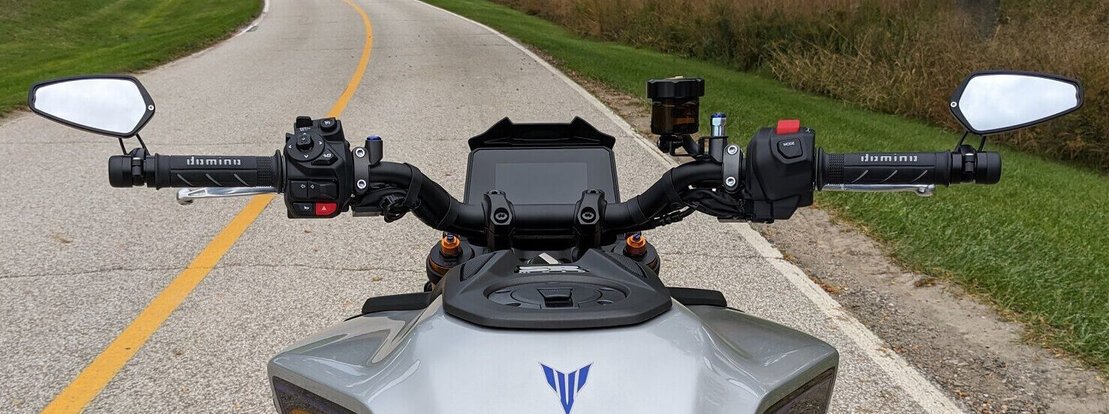
field of vision—bar end mirrors
- Wider Coverage: Positioned at the handlebar ends, these mirrors extend beyond the rider’s shoulders, offering a broader view of the road behind. This placement minimizes blind spots, especially for lanes adjacent to the motorcycle.
- Reduced Head Movement: Riders can monitor traffic without turning their heads excessively, which is crucial during high-speed maneuvers or in heavy traffic.
- Aerodynamic Advantage: Many bar end mirrors feature streamlined designs that reduce wind buffeting, ensuring a stable view even at high speeds.
Stock Mirrors:
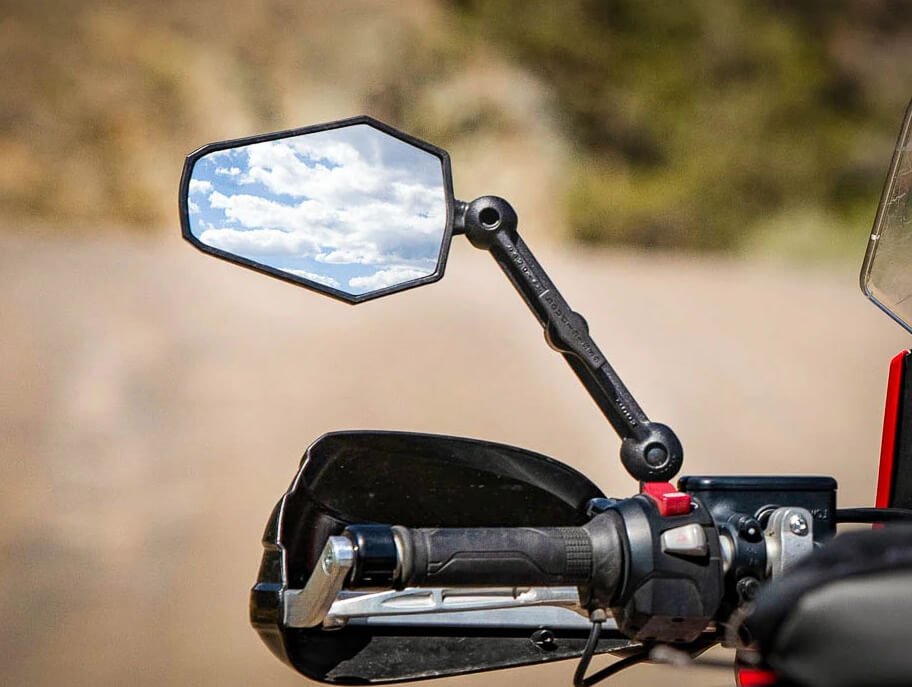
field of vision—stock mirrors
- Closer Proximity: Mounted near the grips, stock mirrors are easier to glance at without shifting focus far from the road ahead.
- Limited Peripheral Vision: Their inward positioning often creates blind spots, particularly for vehicles in adjacent lanes.
Verdict: Bar end mirrors excel in providing a wider, more comprehensive field of vision, making them ideal for highway riding or crowded urban environments.
2. Adjustability and Customization
A mirror’s adjustability directly impacts its effectiveness.
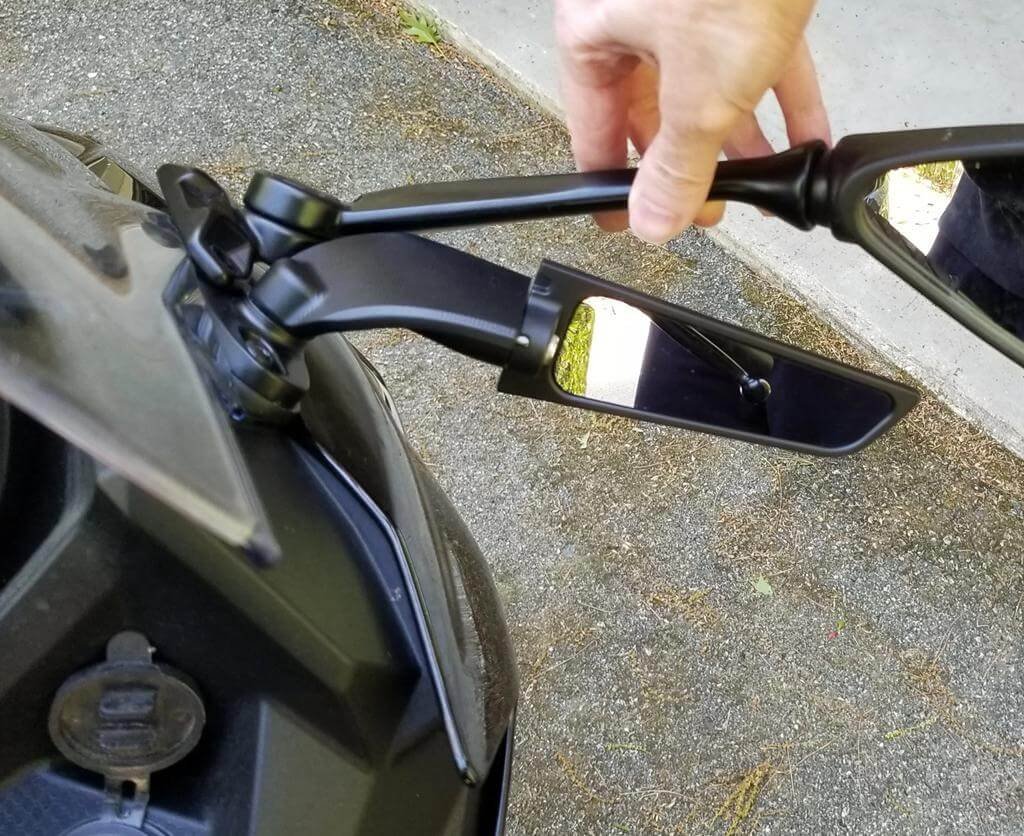
Adjust motorcycle mirrors
Bar End Mirrors:
- 360-Degree Flexibility: Most bar end mirrors allow riders to tweak the angle, height, and rotation to suit their seating position. For example, some brands’ models feature ball-and-socket joints for precise adjustments.
- Personalized Fit: Taller or shorter riders can tailor the mirrors to their ergonomic needs, ensuring optimal visibility regardless of body type.
Stock Mirrors:
- Fixed Range of Motion: Stock mirrors often have limited adjustability, constrained by their mounting position and design. This can lead to compromises in visibility for riders with non-standard postures.
Verdict: Bar end mirrors offer superior customization, enabling riders to fine-tune their view for maximum safety.
3. Stability and Vibration Resistance
A shaky mirror is as good as useless.
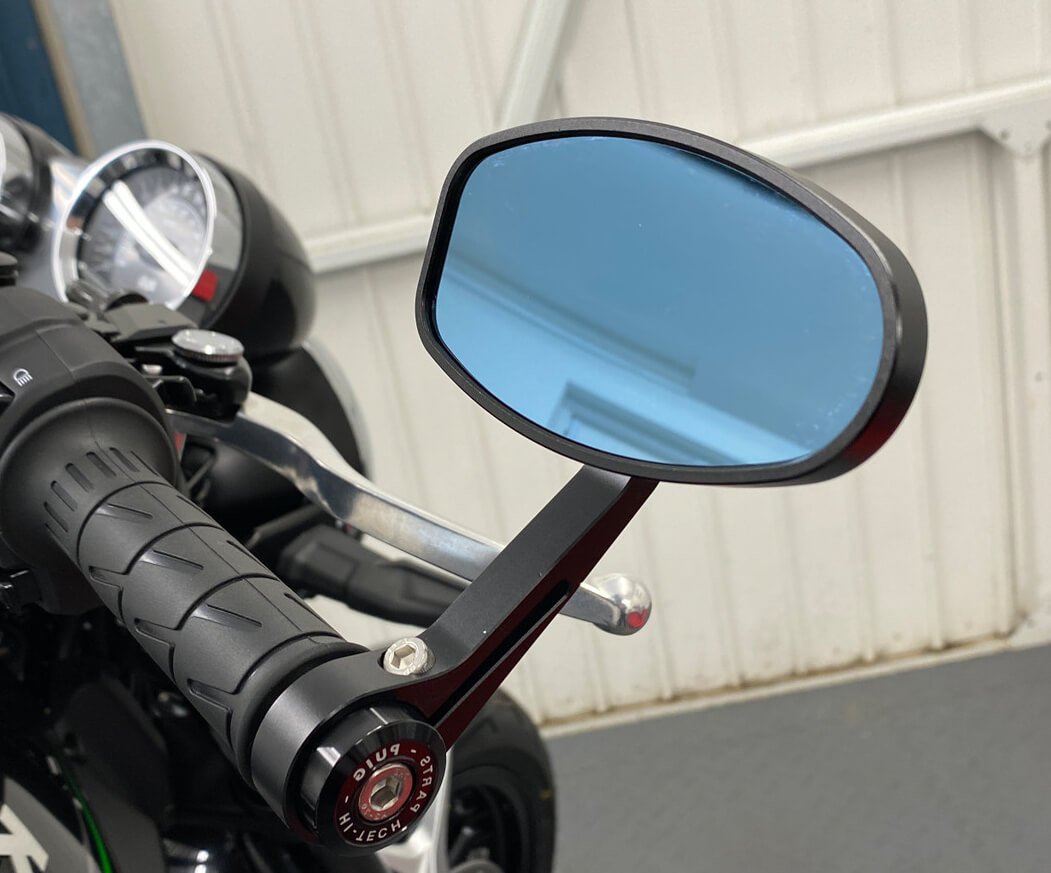
No more shaky mirror — ride clear, ride safe
Bar End Mirrors:
Vibration Dampening: High-quality bar end mirrors, incorporate weighted ends or rubberized mounts to minimize vibrations. Users report minimal shaking even at speeds exceeding 80 mph.
Material Quality: Some brands use aerospace-grade aluminum and anti-glare glass to maintain clarity under harsh conditions.
Stock Mirrors:
Factory Limitations: While some stock mirrors perform well, many budget-friendly models suffer from excessive vibration, especially on uneven roads.
Verdict: Premium bar end mirrors outperform most stock options in stability, though high-end OEM mirrors can be comparable.
4. Aesthetics and Bike Compatibility
Mirrors contribute to a motorcycle’s visual appeal.
Bar End Mirrors:
Sleek, Modern Look: Their minimalist design complements sport bikes and custom builds. Some brands offer finishes like black anodized or carbon fiber to match any bike’s style.
Handlebar Real Estate: By moving mirrors to the bar ends, riders free up space for accessories like phone mounts or GPS devices.
Stock Mirrors:
OEM Integration: Stock mirrors blend seamlessly with the bike’s original design, appealing to riders who prefer a factory-fresh look.
Bulkier Profile: Their larger size can obstruct lane-splitting in tight traffic or add unnecessary weight.
Verdict: Bar end mirrors win on style and versatility, though stock mirrors maintain a classic aesthetic.
5. Safety Beyond Vision: Added Protections
Some bar end mirrors go beyond visibility to enhance overall safety.
Integrated Protectors:
Some bar end mirrors include brake and clutch lever guards, shielding critical components during drops. These protectors don’t obstruct the mirror’s view, making them a dual-purpose upgrade.
Durability:
Bar end mirrors are often built to withstand crashes better than stock mirrors, thanks to robust materials like forged aluminum.
Verdict: Bar end mirrors with protective features add an extra layer of safety, a rarity in stock designs.
6. Installation and Practicality
Ease of installation affects long-term satisfaction.
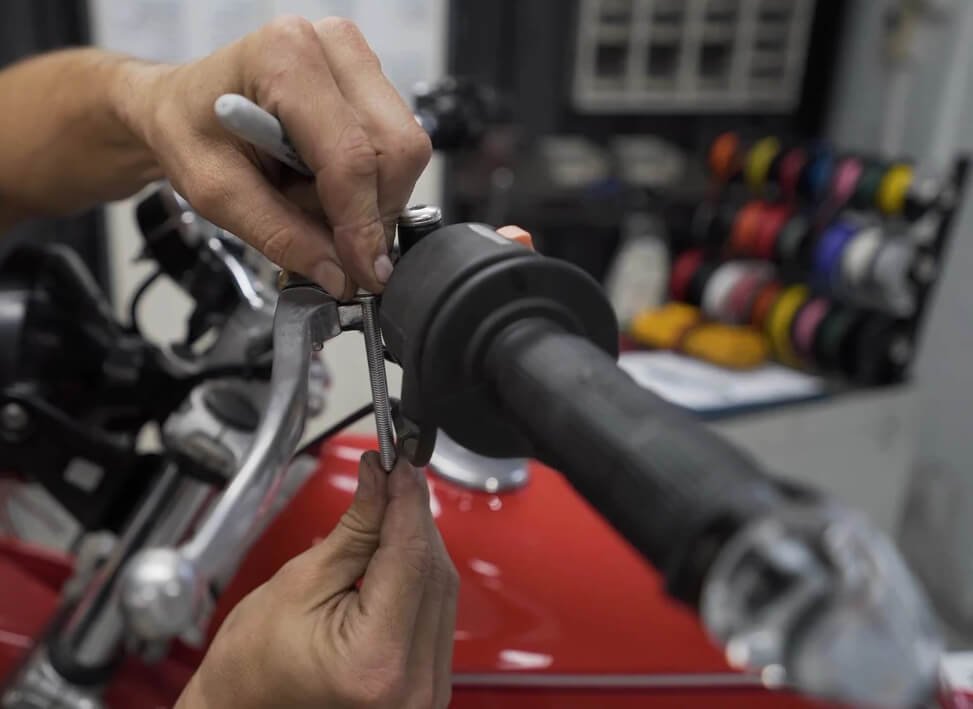
Install motorcycle mirrors
Bar End Mirrors:
DIY-Friendly: Some kits include all necessary hardware and step-by-step guides. Most riders can install them in under an hour.
Handlebar Modifications: Some bikes require removing stock bar-end weights, which may affect vibration dampening.
Stock Mirrors:
Plug-and-Play: No installation needed, ideal for riders who prefer simplicity.
Limited Upgrades: Swapping to aftermarket mirrors often leaves empty mounting holes, requiring plugs or caps.
Verdict: Bar end mirrors require effort to install but offer long-term benefits, while stock mirrors are hassle-free but less customizable.
Are bar end mirrors better?
Bar-end mirrors can be “better” if you need a wider, more stable rear view and a clean, minimalist look.
You can mount them at your bars’ ends. And they reduce vibration and blind spots, giving a clear image when filtering through traffic.
Many riders also love the café-racer styling they add.
However, they usually have smaller glass, demand more head or eye movement. More importantly, they usually stick out past your grips.
This makes lane splitting, tight turns, and parking a bit trickier.
What's more, they’re prone to knocks and require sturdier mounts to stay steady.
Ultimately, “better” depends on whether style and peripheral vision outweigh convenience and durability for your ride.
Cost Comparison: Bar End Mirrors vs Stock Mirrors
Bar End Mirrors: 80–200+ (premium brands like Evotech).
Stock Mirrors: 50–150 (OEM replacements).
While bar end mirrors are pricier, their durability and enhanced safety features justify the investment for many riders.
Tips for Choosing the Right Mirror
Test Before Buying: If possible, try a friend’s bike with bar end mirrors to gauge comfort.
Prioritize Adjustability: Look for mirrors with ball joints or extendable arms.
Check Compatibility: Ensure the mirrors fit your handlebar diameter and don’t interfere with controls.
By weighing these factors, you can make an informed decision that enhances both safety and riding pleasure.
The Final Verdict
Riders who put visibility personal touch, and fresh looks first will find bar end mirrors top-notch. They offer a broad view, stay steady despite shakes, and come with extra safeguards, which boosts their game for zipping on freeways, long trips, or riding hard.
On the flip side, if you're just riding for fun or watching your wallet, the mirrors that come with the bike are still decent. They give you a good enough view without any fuss to put them on.

Rodney L is a technical writer and product consultant with over a decade of experience in the motor industry. Rodney is a fan of performance machines that run fast and loud and an expert in all things custom. His numerous articles and write-ups are available at our knowledge base. Whether it’s something wrong with your motorcycle or you are building a custom bike, you can trust Rodney’s experience.
Subscribe
0 Comments
Oldest
You maybe like to read:
Adventure motorcycles, often called ADV bikes, are built to take you from smooth highways to rough backcountry trails. For new riders, picking the best adventure bikes for beginners can make all the difference. The right machine turns highways, gravel roads, forest tracks, and remote trails into places you actually want to explore, while the wrong […]
Riding in a group is thrilling, but without clear communication, even the best rides can turn chaotic. That’s where motorcycle intercom systems come in, letting you talk with your group, share GPS directions, listen to music together, and stay safer on the road. Whether you’re riding with a single friend or leading a pack of […]
I’ve used premium intercoms and budget ones on the same roads, in the same weather, on long touring days. The truth? Most riders don’t need a $400 system. Most riders still need the same basics: clear rider-to-rider talk, stable Bluetooth, and batteries that last a full day on the road. In 2026, budget motorcycle intercoms […]
What is the best motorcycle intercom for beginners? If you’re a new rider, the idea of adding another piece of tech to your helmet can feel overwhelming. I’ve been using motorcycle intercoms for years—on solo rides, long tours, group trips, and daily commutes—and I’ll tell you this upfront: A beginner motorcycle rider doesn’t need the […]
Mesh Intercom vs Bluetooth: Which Motorcycle Communication System Is Better? Mesh intercoms are best for riders who travel in groups because they automatically reconnect and stay stable, while Bluetooth intercoms are better for solo riders and two-up riding due to lower cost and simpler operation. As someone who both wrenches on bikes and rides long […]