The motorcycle communication systems field just got a significant upgrade with the release of the Fodsports FX7. This state-of-the-art Bluetooth mesh intercom is packed with many advanced features and techs. It will revolutionize the way riders communicate and enjoy their rides. Whether you're a solo rider or part of a group, the FX7 offers unparalleled […]

How Does a Motorcycle Engine Work? Beginner Explanation of Motorcycle Engines
July 23, 2026
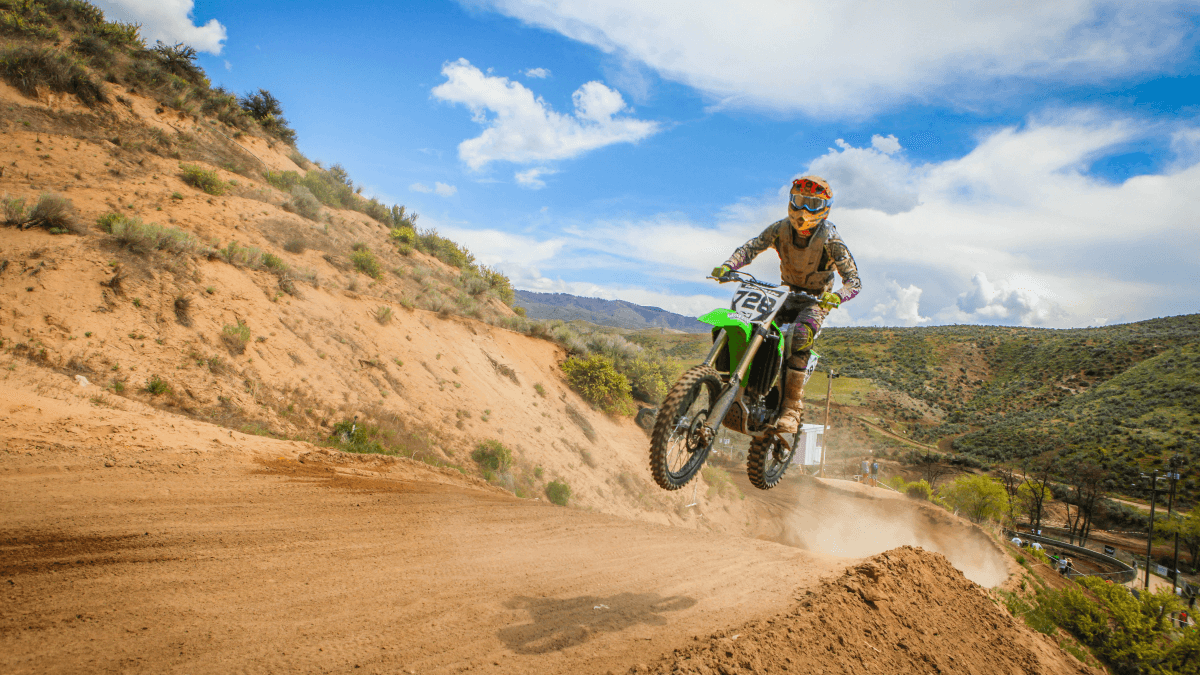
A motorcycle engine is the heart of every bike. It converts fuel into mechanical power, allowing the motorcycle to move forward and providing the performance riders feel when accelerating through the road.
For many beginner riders, understanding how a motorcycle engine works can seem complicated. Terms like combustion, cylinders, pistons, torque, horsepower, and transmission are often confusing at first.
However, learning the basic principles of a motorcycle engine can help you better understand your bike, perform basic maintenance, and become a more knowledgeable rider.
This beginner motorcycle engine guide explains how motorcycle engines work, the main engine components, different engine types, and what every new rider should know.
Table of Contents
🏍️ The Basic Principle of How a Motorcycle Engine Works
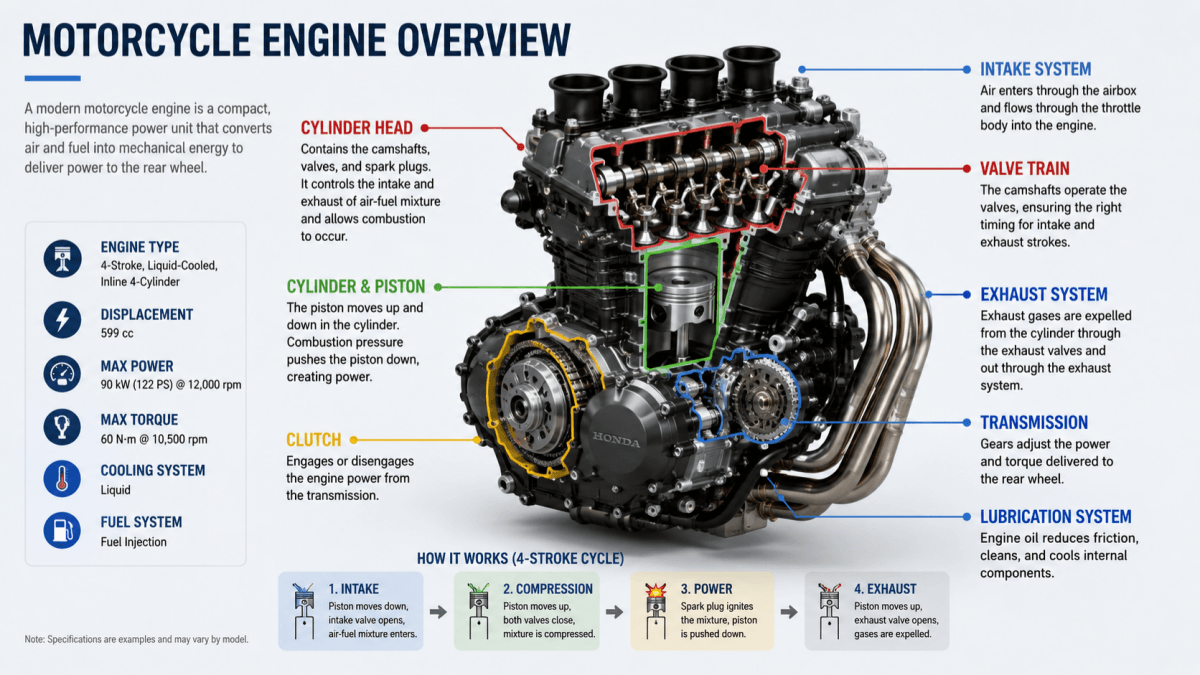
Motorcycle Engine Overview
Turning Fuel Into Motion
A motorcycle engine works by converting chemical energy from fuel into mechanical energy. This process happens through a series of controlled explosions inside the engine cylinder.
The basic process is simple:
Air and fuel enter the engine, the mixture is compressed, a spark ignites it, and the resulting explosion pushes engine parts to create movement.
This process happens thousands of times every minute when the motorcycle is running.
The power created by the engine is transferred through the transmission and chain or belt drive system to the rear wheel, which moves the motorcycle forward.
This is why the engine is considered the most important part of a motorcycle.
⚙️ The Four-Stroke Motorcycle Engine Cycle
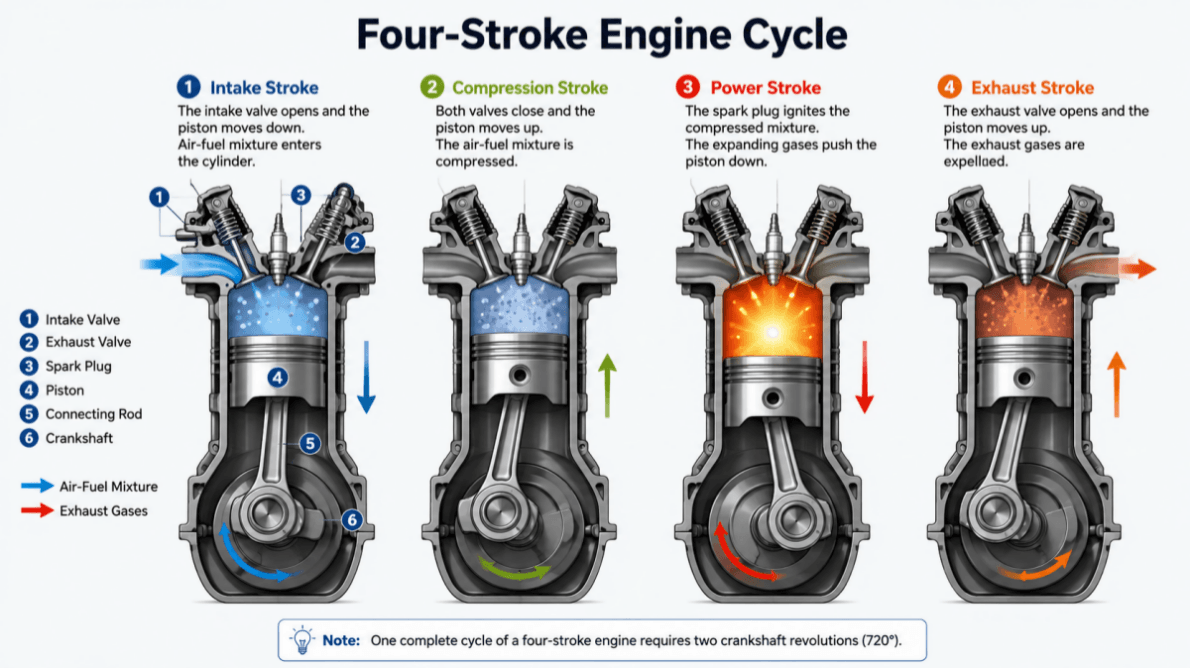
Four-Stroke Engine Cycle
The Four Steps Behind Engine Power
Most modern motorcycles use a four-stroke engine design. The four-stroke cycle is one of the most important concepts for understanding how a motorcycle engine works.
Intake Stroke
During the intake stroke, the piston moves downward inside the cylinder while the intake valve opens. A mixture of air and fuel enters the combustion chamber.
The correct air-fuel mixture is essential because it affects engine performance, fuel efficiency, and emissions.
Compression Stroke
The piston moves upward and compresses the air-fuel mixture into a smaller space.
Higher compression can improve engine efficiency and power, but it also requires careful engineering to prevent engine problems.
Power Stroke
The spark plug creates a spark that ignites the compressed fuel mixture.
The explosion pushes the piston downward with force. This is the moment where fuel energy becomes mechanical power.
Exhaust Stroke
The piston moves upward again while the exhaust valve opens, pushing burned gases out of the cylinder.
The cycle then repeats continuously while the engine is running.
🔩 Main Parts of a Motorcycle Engine
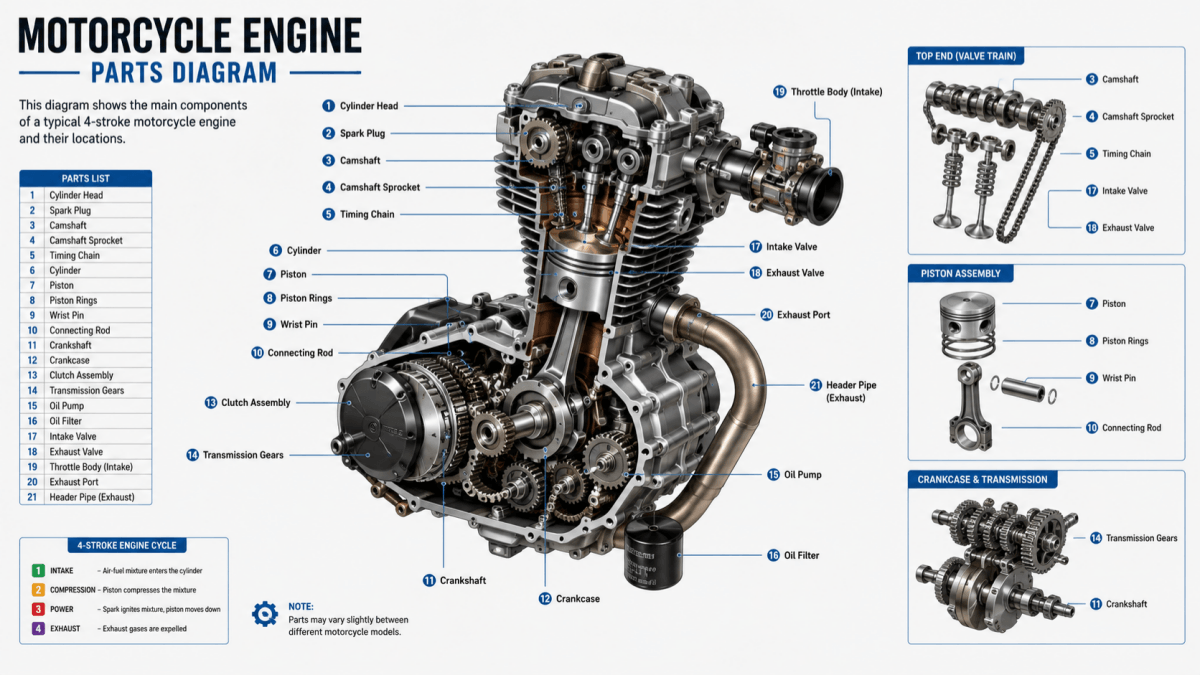
Motorcycle Engine Parts Diagram
Understanding the Components Inside the Engine
A motorcycle engine contains many parts working together. Each component has an important role in producing power.
Cylinder and Piston
The cylinder is where combustion happens, while the piston moves up and down inside the cylinder.
The movement of the piston creates the mechanical energy needed to turn the crankshaft.
Crankshaft
The crankshaft converts the piston’s up-and-down movement into rotational movement.
This rotation creates the power that eventually reaches the motorcycle’s rear wheel.
Spark Plug
The spark plug ignites the compressed air-fuel mixture inside the combustion chamber.
A healthy spark plug helps maintain smooth engine performance and efficient fuel use.
Valves
The intake and exhaust valves control the flow of gases into and out of the engine.
Proper valve operation is important for maintaining engine efficiency.
Camshaft
The camshaft controls when the valves open and close.
It works with the engine timing system to ensure every part operates at the correct moment.
🛠️ Different Types of Motorcycle Engines
Choosing Between Different Engine Designs
Motorcycle engines come in different configurations. Each design affects power delivery, size, weight, and riding experience.
Single-Cylinder Engines
Single-cylinder engines are simple, lightweight, and easy to maintain.
They are commonly found on beginner motorcycles, dual-sport bikes, and small displacement motorcycles.
Advantages include:
- Simple design
- Low maintenance costs
- Good low-speed torque
- Lightweight handling
They are excellent for new riders who want an easy-to-manage motorcycle.
Twin-Cylinder Engines
Twin-cylinder engines use two cylinders and are popular because they provide smoother performance than single-cylinder engines.
Many beginner and middleweight motorcycles use parallel-twin engines because they offer a good balance between power and comfort.
Examples include motorcycles such as the Kawasaki Ninja 400 and Honda Rebel 500.
Four-Cylinder Engines
Four-cylinder motorcycle engines are known for smooth power delivery and high-performance capability.
They are often found in sport motorcycles and performance-focused bikes.
These engines can produce impressive horsepower but may be less suitable for beginners because they often require more riding experience.
🏁 Understanding Motorcycle Engine Terms
Horsepower, Torque, and RPM Explained
Many beginners see motorcycle specifications but do not understand what the numbers mean.
Horsepower
Horsepower measures how much power an engine can produce.
A motorcycle with higher horsepower can usually achieve higher speeds and stronger acceleration at higher RPM.
Torque
Torque is the twisting force produced by the engine.
More torque helps a motorcycle accelerate quickly, especially at lower speeds.
For everyday riding, torque often has a bigger impact on how a motorcycle feels during normal acceleration.
RPM
RPM means revolutions per minute and shows how fast the engine is spinning.
Different motorcycles produce power at different RPM ranges depending on their engine design.
Understanding these terms helps riders choose a motorcycle that matches their riding style.
🔄 How Motorcycle Power Reaches the Rear Wheel
From Engine to Road
The engine itself does not directly turn the rear wheel. Power must travel through several systems before reaching the road.
The process works like this:
The engine creates power → the crankshaft transfers power → the clutch connects the engine to the transmission → the gearbox selects the correct gear → the chain, belt, or shaft drive transfers power to the rear wheel.
The transmission is important because motorcycles operate at different speeds and conditions. Lower gears provide stronger acceleration, while higher gears improve efficiency during highway riding.
🔥 Motorcycle Engine Cooling Systems
Keeping the Engine at the Right Temperature
Motorcycle engines produce a large amount of heat during combustion. Cooling systems prevent overheating and protect engine performance.
Most motorcycles use one of two main cooling methods.
Air-Cooled Engines
Air-cooled engines use airflow around the engine to remove heat.
They are simple and reliable but may be less effective during extreme conditions.
Liquid-Cooled Engines
Liquid-cooled engines use coolant to transfer heat away from the engine.
Many modern motorcycles use liquid cooling because it provides better temperature control and improved performance.
🧰 Basic Motorcycle Engine Maintenance Tips
Help Your Engine Last Longer
Proper maintenance is essential for keeping a motorcycle engine reliable.
Regular maintenance includes:
- Changing engine oil on schedule
- Checking coolant levels
- Inspecting air filters
- Replacing spark plugs when needed
- Monitoring unusual sounds or vibrations
A well-maintained motorcycle engine can provide years of reliable performance.
New riders should also learn basic motorcycle checks before every ride, including checking fluid levels, tires, and brakes.
Essential Riding Gear for Motorcycle Owners
Protect Yourself While Enjoying Your Motorcycle
Understanding your motorcycle engine is important, but rider safety should always come first.
Every rider should invest in proper protective equipment, including a quality helmet, riding jacket, gloves, and suitable boots.
For riders who enjoy group rides or motorcycle touring, communication equipment can also improve the riding experience. A Helmet Communication system helps riders stay connected during trips, while a Bluetooth Intercom allows convenient communication between riders. A reliable Motorcycle Intercom system can make group riding safer by helping riders coordinate routes and stops.
🏍️ Final Thoughts: Understanding Your Motorcycle Makes You a Better Rider
Learning how a motorcycle engine works helps beginners become more confident and responsible riders.
The engine may seem complicated at first, but the basic idea is simple: fuel and air create combustion, combustion creates movement, and that movement powers the motorcycle forward.
Understanding engine components, power delivery, and maintenance basics allows riders to better care for their motorcycles and enjoy every journey.
Whether you ride a beginner motorcycle, a touring bike, or a high-performance machine, knowing what happens inside your engine will make every ride more meaningful.
Frequently Asked Questions About Motorcycle Engines
How does a motorcycle engine create power?
A motorcycle engine creates power by burning an air-fuel mixture inside the cylinder. The combustion pushes the piston, which turns the crankshaft and eventually powers the rear wheel.
What is the difference between torque and horsepower on a motorcycle?
Torque describes the engine’s twisting force and affects acceleration, while horsepower measures overall power output and influences top-speed capability.
How often should motorcycle engine oil be changed?
The recommended oil change interval depends on the motorcycle model and riding conditions. Most manufacturers provide specific maintenance schedules in the owner’s manual.
Are smaller motorcycle engines easier for beginners?
Yes. Smaller engines are usually lighter, easier to control, and more forgiving, making them ideal for riders who are learning basic motorcycle skills.
What is the most important motorcycle engine maintenance task?
Regular oil changes are one of the most important maintenance tasks because clean oil helps reduce engine wear and keeps internal components working properly.

Rodney L is a technical writer and product consultant with over a decade of experience in the motor industry. Rodney is a fan of performance machines that run fast and loud and an expert in all things custom. His numerous articles and write-ups are available at our knowledge base. Whether it’s something wrong with your motorcycle or you are building a custom bike, you can trust Rodney’s experience.
You maybe like to read:
Fodsports Brand Month: Unbeatable Deals and Top-Notch Service
Discover Fodsports Brand Month July and August mark a special occasion for motorcycle enthusiasts and tech lovers alike. Welcome to Fodsports Brand Month! This event is dedicated to celebrating everything that makes Fodsports a leading name in the motorcycle communication industry. Get ready for a fantastic promotions, exceptional service from Fodsports. Let's insights into Fodsports' […]
Fall Motorcycle Riding Tips: How to Ride Safely in Autumn
Fall is a great season for motorcycle riding. Cooler temperatures, colorful scenery, and comfortable roads make autumn an ideal time to explore. However, the change of season also brings new riding challenges. Wet leaves can reduce traction, temperatures can change quickly, daylight becomes shorter, and wildlife may be active near roads. With a little preparation, […]
Top 10 Fall Motorcycle Rides in the USA: Scenic Routes & Foliage
Fall is one of the best seasons for motorcycle riding in the United States. Cooler temperatures, colorful forests, quieter roads, and spectacular mountain scenery make autumn ideal for a scenic motorcycle road trip. From New England's brilliant red and orange forests to the Appalachian Mountains and the colorful Ozarks, riders can find incredible fall foliage […]
Women in American Motorcycle Culture: How Women Shaped Its Evolution
Women in American motorcycle culture have played an important role in shaping the way motorcycling is experienced and represented in the United States. When people think of American motorcycle culture, they may picture leather jackets, open highways, motorcycle clubs, and groups of male riders. But women have been part of that culture for much longer […]
Modern Motorcycle Culture: How Technology and Community Are Changing Riding
Motorcycle culture has never been only about motorcycles. It is about the people who ride them, the communities they build, the places they explore, and the freedom they experience on the road. Today, modern motorcycle culture is changing faster than ever. Traditional motorcycle clubs, rallies, and group rides remain an important part of the scene, but […]