
The motorcycle communication systems field just got a significant upgrade with the release of the Fodsports FX7. This state-of-the-art Bluetooth mesh intercom is packed with many advanced features and techs. It will revolutionize the way riders communicate and enjoy their rides. Whether you're a solo rider or part of a group, the FX7 offers unparalleled […]

Lane Splitting vs Lane Filtering: The Safety and Legal Differences Riders Must Know
May 5, 2026
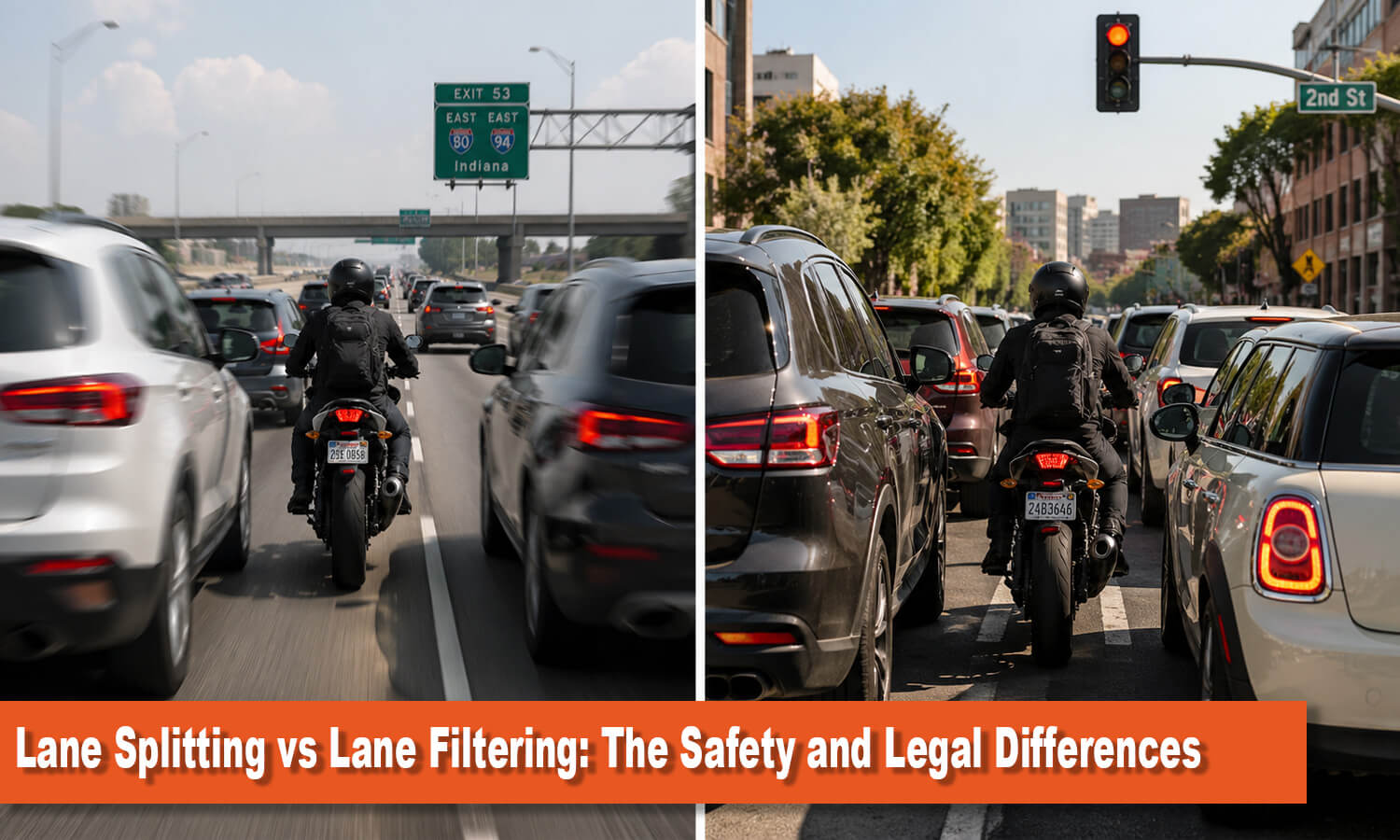
Motorcycle riders often hear the terms lane splitting and lane filtering used like they mean the same thing. They don’t. Understanding the difference is not just about knowledge—it can affect your safety, your ticket risk, and even your insurance claim.
In this complete guide, you’ll learn:
- The exact difference between lane splitting and filtering
- Where each is legal in the United States
- Which one is safer—and why
- Real-world riding tips to avoid costly mistakes
If you ride in traffic, this is something you need to understand clearly.
Why This Matters for Riders?
Confusing lane splitting with lane filtering can lead to traffic tickets, insurance problems, and dangerous crashes.
In some states, one is legal while the other is not.
Knowing the difference can help protect both your safety and your riding record.
Updated April 2026 with current U.S. lane splitting and filtering laws
Table of Contents
Quick Answer: Lane Splitting vs Lane Filtering
What is the difference between lane splitting and lane filtering?
Lane splitting means a motorcycle rides between lanes of moving traffic. Lane filtering means a motorcycle moves between stopped or very slow vehicles. The main difference is whether the surrounding traffic is moving or stopped. Lane filtering usually happens at traffic lights, while lane splitting often happens on highways.
- Lane splitting = riding between lanes of moving traffic
- Lane filtering = riding between lanes of stopped or very slow traffic
👉 The key difference is whether the surrounding traffic is moving or stopped
This small detail makes a huge difference in legality and safety.
What Is Lane Splitting?
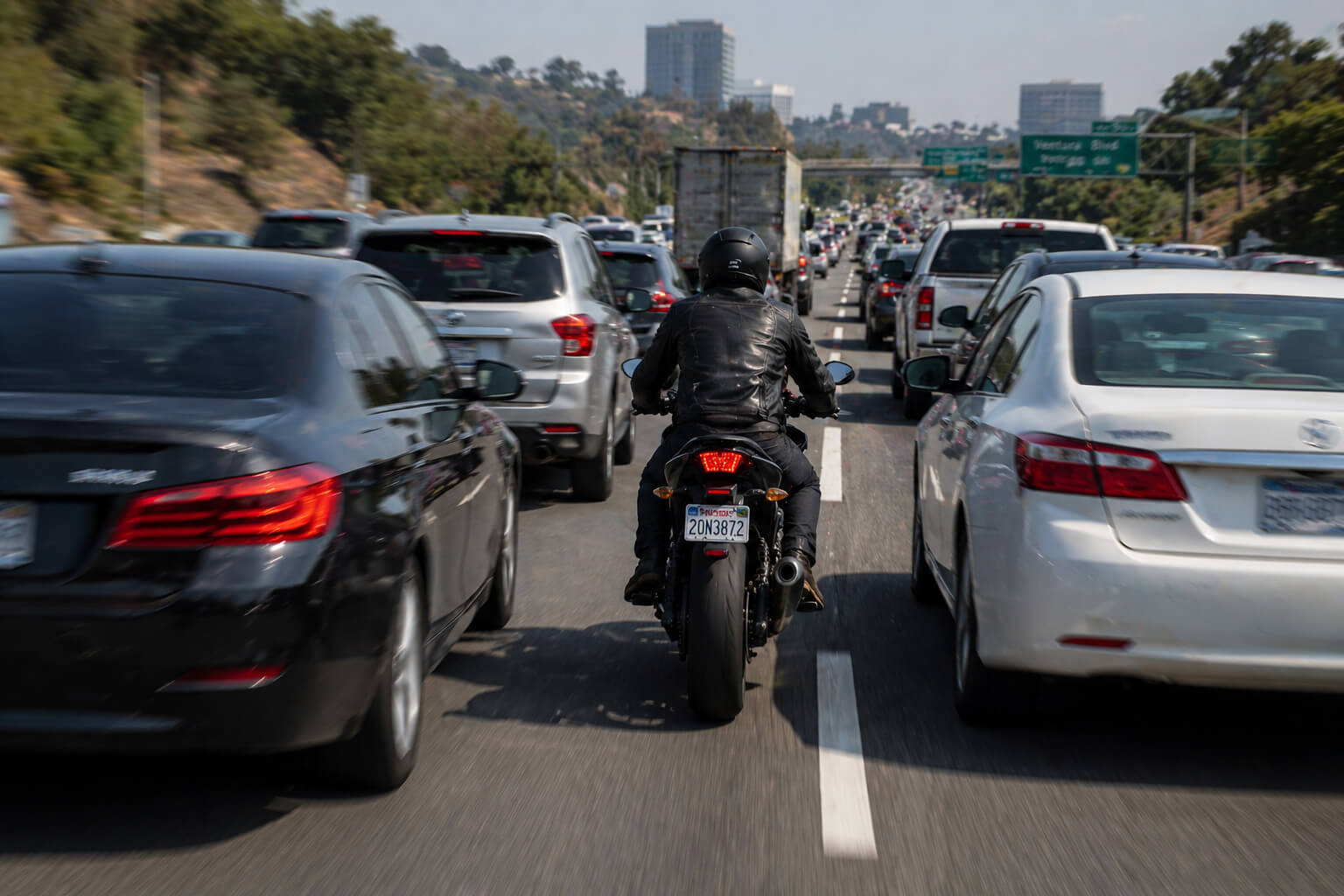
A motorcycle rider lane splitting on a busy multi-lane highway
Lane splitting (sometimes called “white lining”) is when a motorcyclist rides between lanes of traffic moving in the same direction.
This usually happens:
- On highways
- In slow-moving traffic jams
- Between two rows of vehicles
For example:
You’re riding between cars going 25–40 mph on a freeway. That’s lane splitting.
Key Characteristics of Lane Splitting
- Traffic is moving
- Rider is also moving at speed
- Often happens on multi-lane roads or highways
- Requires quick judgment and experience
Why Riders Do It
Some riders use lane splitting to:
- Avoid heavy traffic
- Reduce travel time
- Lower risk of being rear-ended
There is some evidence that it can reduce rear-end crashes, but it also increases other risks like driver unpredictability.
More about Lane Splitting
What Is Lane Filtering?
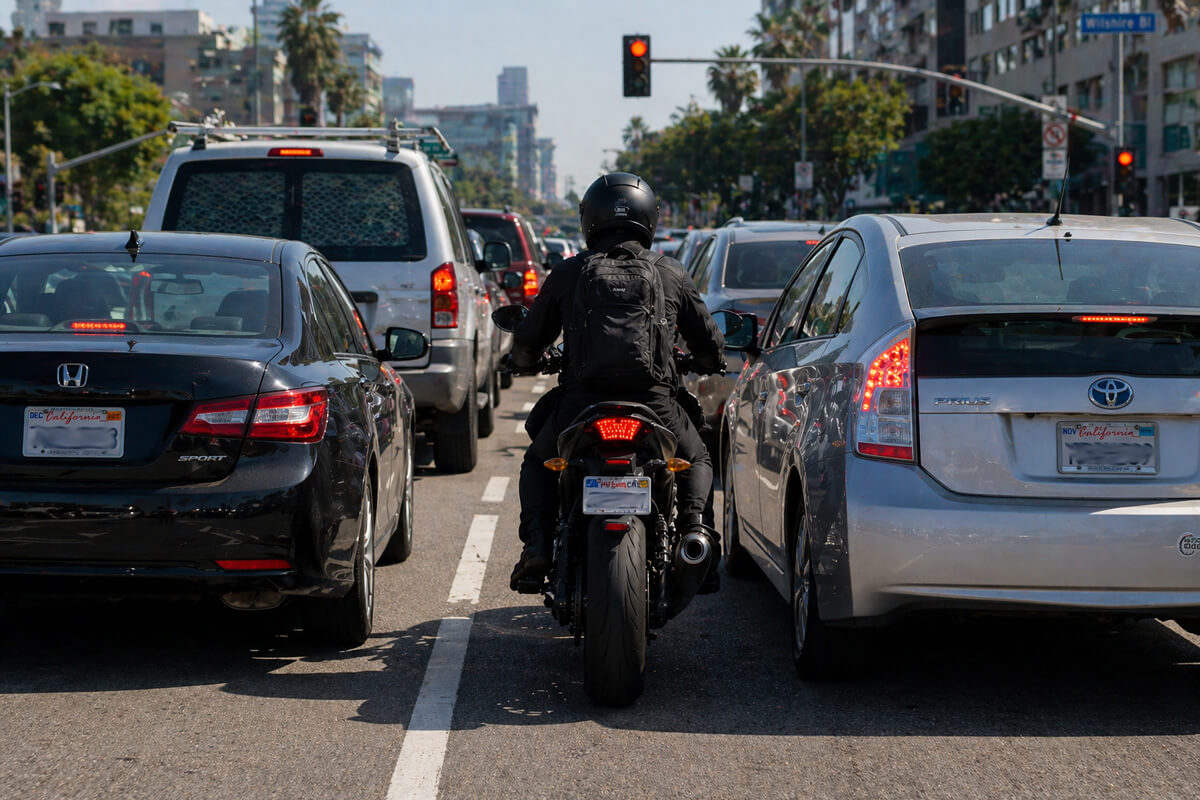
A motorcycle rider lane filtering in an urban city street
Lane filtering is different—and much more controlled.
It means a rider moves between lanes only when traffic is stopped or nearly stopped, usually at intersections or traffic lights.
For example:
You slowly ride between cars waiting at a red light to reach the front. That’s lane filtering.
Key Characteristics of Lane Filtering
- Traffic is stopped or crawling
- Rider moves at low speed (often under 15–25 mph)
- Usually happens at traffic lights or gridlock
- Short-distance maneuver
Why Riders Do It
Filtering helps riders:
- Avoid being rear-ended by distracted drivers
- Move out of dangerous “sandwich” positions
- Improve traffic flow
Many states are starting to allow filtering for these safety reasons.
Lane Splitting vs Lane Filtering (Side-by-Side)
👉 The biggest difference:
Splitting = moving traffic
Filtering = stopped traffic
The #1 Mistake Riders Make
Many riders think:
“If I’m going slow, it’s fine.”
That’s not true.
What matters is what traffic is doing—not just your speed.
- If cars are moving → you are lane splitting
- If cars are stopped → you are lane filtering
This misunderstanding is one of the main reasons riders get tickets.
Is Lane Splitting or Filtering Legal in the U.S. (2026 Update)?
This is where things get serious.
Lane Splitting Laws
Is lane splitting legal in the United States?
Lane splitting is legal only in California. Most other states still consider lane splitting illegal. Some states now allow lane filtering under limited conditions, but riders should always check current state laws before riding between vehicles in traffic.
- Legal: California only
- Illegal or restricted: Every other state
California allows motorcycles to ride between lanes even when traffic is moving, with safety guidelines such as keeping speed differences low.
The image below will help you visualize the legality of lane splitting in the United States across various states.
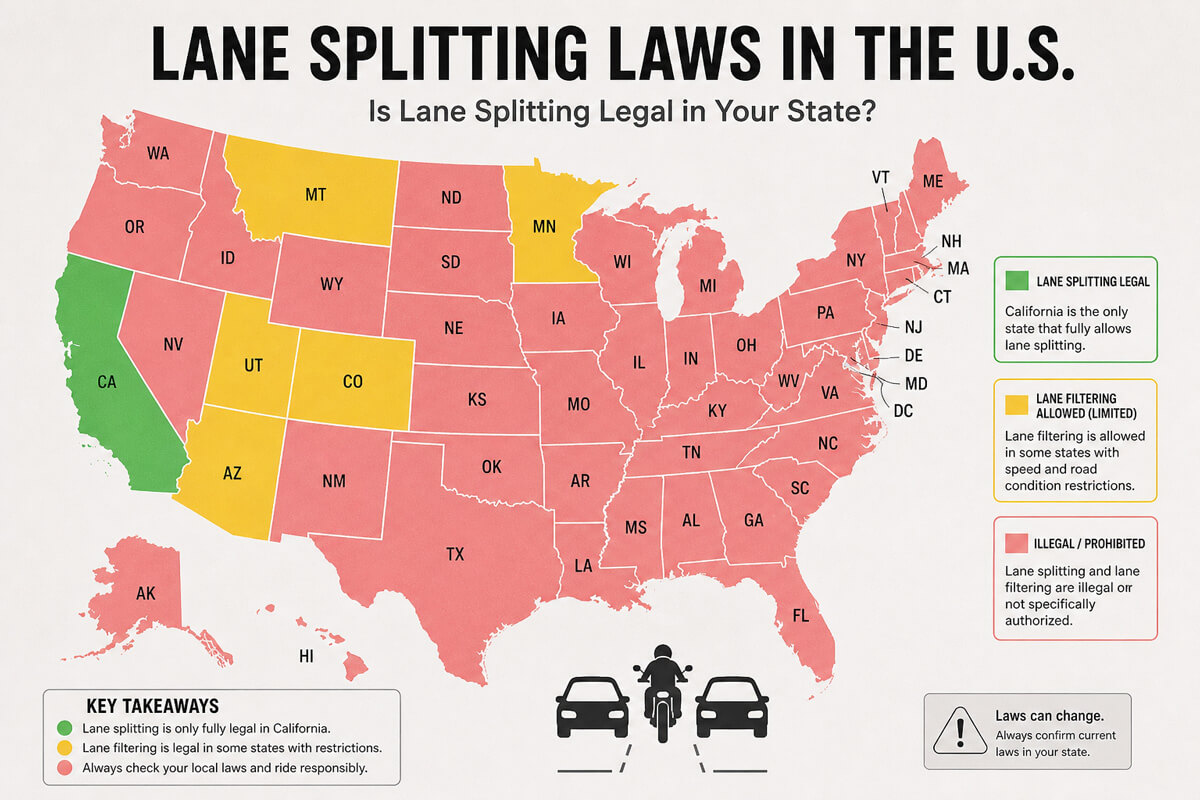
Lane splitting laws in the US (by state)
Lane Filtering Laws (Growing Trend)
Several states now allow lane filtering—but with strict limits:
- Arizona
- Utah
- Montana
- Colorado
- Minnesota (recently added)
Common rules:
- Traffic must be stopped or very slow
- Rider speed is limited (often ≤15–25 mph)
- Only allowed on certain roads
Everywhere Else
In most U.S. states:
- Lane splitting is illegal
- Lane filtering is also illegal or unclear
Even if not explicitly banned, riders can still be ticketed under:
- Unsafe lane use
- Improper passing
- Reckless driving
Important Notes Riders Must Know
1. Filtering Laws Are Strict
Even in legal states:
- Speed limits are usually 15–25 mph max
- Traffic often must be fully stopped
- Only allowed on certain roads
Breaking any rule can still result in a ticket.
2. “No Law” Does NOT Mean Legal
Some states don’t mention lane splitting directly, but riders can still be cited for:
- Unsafe lane usage
- Improper passing
- Reckless driving
3. Trend: More States Are Legalizing Filtering
Recent changes show a clear pattern:
- Utah → 2019
- Montana → 2021
- Arizona → 2022
- Colorado → 2024
- Minnesota → 2025
👉 Lawmakers prefer low-speed filtering, not high-speed splitting.
Is It Legal in Illinois (Chicago)?
If you ride in Chicago or anywhere in Illinois:
❌ Lane splitting — illegal
❌ Lane filtering — illegal
You must stay in your lane like other vehicles.
If you try either maneuver, you risk:
- Traffic tickets
- Fines
- Points on your license
- Liability in an accident
Which Is Safer: Splitting or Filtering?
Is lane filtering safer than lane splitting?
Lane filtering is generally safer because it happens at lower speeds when traffic is stopped. Lane splitting carries more risk because surrounding vehicles are moving, which gives riders less time to react to sudden lane changes or driver mistakes.
Why Lane Filtering Is Safer?
Lane filtering is widely considered safer because:
- Speeds are low
- Traffic is stopped
- Impact force is reduced
It helps riders avoid rear-end collisions, which are common when motorcycles are waiting in traffic.
Why Lane Splitting Is Riskier?
Lane splitting involves:
- Faster-moving vehicles
- Larger speed differences
- Drivers who don’t expect motorcycles between lanes
This increases:
- Sudden lane-change crashes
- Visibility issues
- Reaction time problems
Why States Are Starting to Legalize Lane Filtering
More states are allowing filtering because it:
1. Reduces Rear-End Accidents
Motorcycles are small and easy to miss. Filtering moves riders out of danger zones.
2. Improves Traffic Flow
Motorcycles take up less space when moving forward.
3. Increases Rider Safety
Studies and traffic agencies suggest filtering is a controlled, low-risk maneuver when done properly.
How Lane Splitting Can Affect Insurance Claims
If a crash happens while lane splitting in a state where it is illegal, insurance companies may argue that the rider shares fault.
This can reduce compensation for:
- bike repairs
- medical bills
- lost wages
- pain and suffering
In comparative negligence states, even partial fault can lower your payout.
Real-World Risks Riders Must Understand
Even when legal, both practices come with risks:
⚠️ Driver Blind Spots
Cars may not see you between lanes.
⚠️ Sudden Lane Changes
Drivers may switch lanes without signaling.
⚠️ Door Openings
Less common in traffic, but still possible.
⚠️ Aggressive Drivers
Some drivers see filtering as “cutting the line.”
Pro Riding Tips
When It’s Safer to Filter
- Traffic is completely stopped
- You can clearly see ahead
- There’s enough space between vehicles
- You stay at low speed
When You Should NOT Split or Filter
- Traffic is moving fast
- Lanes are narrow
- Visibility is poor
- Drivers are acting aggressively
Smart Rider Habits
- Keep speed difference minimal
- Watch front wheels (they show movement first)
- Cover your brakes
- Stay visible (headlight, positioning)
- Never assume drivers see you
Common Mistakes Riders Make
- ❌ Confusing splitting with filtering
- ❌ Doing it where it’s illegal
- ❌ Riding too fast between cars
- ❌ Trusting drivers too much
- ❌ Filtering in unsafe conditions
Even experienced riders get these wrong.
How Lane Splitting Affects Accidents and Insurance
If you’re in a crash:
- In states where it’s illegal → you may be considered partly at fault
- Your compensation may be reduced under comparative fault laws
Example:
- You’re 40% at fault → you only receive 60% of damages
Insurance companies often use illegal lane splitting against riders.
FAQs
Is Lane Filtering the Same as Lane Splitting?
No, lane filtering and lane splitting are not the same.
Lane filtering happens when surrounding vehicles are stopped or barely moving.
Lane splitting happens when surrounding vehicles are already moving.
This legal difference matters because some states allow filtering but still ban splitting.
Is lane filtering safer than lane splitting?
Yes. Filtering happens at lower speeds and is generally considered safer.
Can you get a ticket for lane splitting?
Yes, in most U.S. states, lane splitting can lead to a ticket.
Possible citations include:
- unsafe lane usage
- improper passing
- reckless driving
Fines and points depend on state law.
This attracts traffic from strong commercial/legal search intent.
Why is lane splitting illegal in most states?
Because of safety concerns and unpredictable driver behavior.
Will more states legalize lane filtering?
Yes. The trend is growing as safety data improves.
How Lane Splitting Can Affect Motorcycle Insurance Claims?
If a rider is involved in a crash while lane splitting illegally, insurance companies may argue the rider contributed to the accident. This can reduce compensation and make a motorcycle insurance claim more difficult. In serious cases, riders may need a motorcycle accident lawyer to protect their rights after a traffic collision.
Final Verdict: Which One Should Riders Use?
- Lane filtering → safer, increasingly legal
- Lane splitting → riskier, mostly illegal
👉 The smartest move:
- Follow your state laws
- Use filtering only where legal
- Prioritize safety over speed
Bottom Line
Lane splitting and lane filtering are not the same—and confusing them can cost you.
- One happens in moving traffic
- The other happens in stopped traffic
- One is widely illegal
- The other is slowly being accepted
As a rider, your goal is simple:
👉 Stay visible, stay predictable, and stay legal
Have you ever lane filtered in traffic? Riders in different states have very different experiences. Share your thoughts and riding experience below.
References:
Colorado Lane Filtering vs. Lane Splitting
California Legislative Information. Vehicle Code Section 21658.1
California Highway Patrol. California Motorcyclist Safety

Rodney L is a technical writer and product consultant with over a decade of experience in the motor industry. Rodney is a fan of performance machines that run fast and loud and an expert in all things custom. His numerous articles and write-ups are available at our knowledge base. Whether it’s something wrong with your motorcycle or you are building a custom bike, you can trust Rodney’s experience.
You maybe like to read:
Fodsports Brand Month: Unbeatable Deals and Top-Notch Service
Discover Fodsports Brand Month July and August mark a special occasion for motorcycle enthusiasts and tech lovers alike. Welcome to Fodsports Brand Month! This event is dedicated to celebrating everything that makes Fodsports a leading name in the motorcycle communication industry. Get ready for a fantastic promotions, exceptional service from Fodsports. Let's insights into Fodsports' […]
Cherohala Skyway Tennessee and North Carolina: Fall Motorcycle Riding Guide
Few motorcycle roads in the Southeast combine elevation, open mountain views, and flowing curves quite like the Cherohala Skyway. Stretching about 43 miles between Tellico Plains, Tennessee, and Robbinsville, North Carolina, the National Scenic Byway climbs from lower valleys to elevations above 5,000 feet before crossing the Appalachian high country. In fall, the ride becomes […]
10 Best Autumn Motorcycle Routes in Europe: Scenic Roads, Fall Colors and Riding Tips
🍂 Why Autumn Is One of the Best Seasons for a European Motorcycle Road Trip Europe becomes a completely different riding destination in autumn. Alpine forests turn gold, mountain valleys develop deeper colors, vineyards become vibrant, and many popular roads become quieter after the summer peak. For motorcycle travelers, the biggest advantage is variety. In […]
Pig Trail Scenic Byway Arkansas in Fall: Motorcycle Riding Guide
Winding through the Boston Mountains, the Pig Trail Scenic Byway is one of Arkansas's most enjoyable fall motorcycle routes. AR-23 combines tight mountain curves, dense hardwood forests, and the Mulberry River, creating a ride where the road itself is part of the scenery. In autumn, the Ozarks become even more impressive as the forest changes from […]
Tunnel of Trees Michigan in Fall: Motorcycle Riding Guide
Red and gold forests, winding roads, and glimpses of Lake Michigan make the Tunnel of Trees in Michigan a memorable fall motorcycle destination. The roughly 20-mile M-119 route between Harbor Springs and Cross Village is best enjoyed at a relaxed pace, with plenty of time for scenic stops. Planning a ride in 2026 requires extra attention, […]