The motorcycle communication systems field just got a significant upgrade with the release of the Fodsports FX7. This state-of-the-art Bluetooth mesh intercom is packed with many advanced features and techs. It will revolutionize the way riders communicate and enjoy their rides. Whether you're a solo rider or part of a group, the FX7 offers unparalleled […]

Motorcycle Rider Etiquette: The Unwritten Rules Every Biker Should Know
May 27, 2026
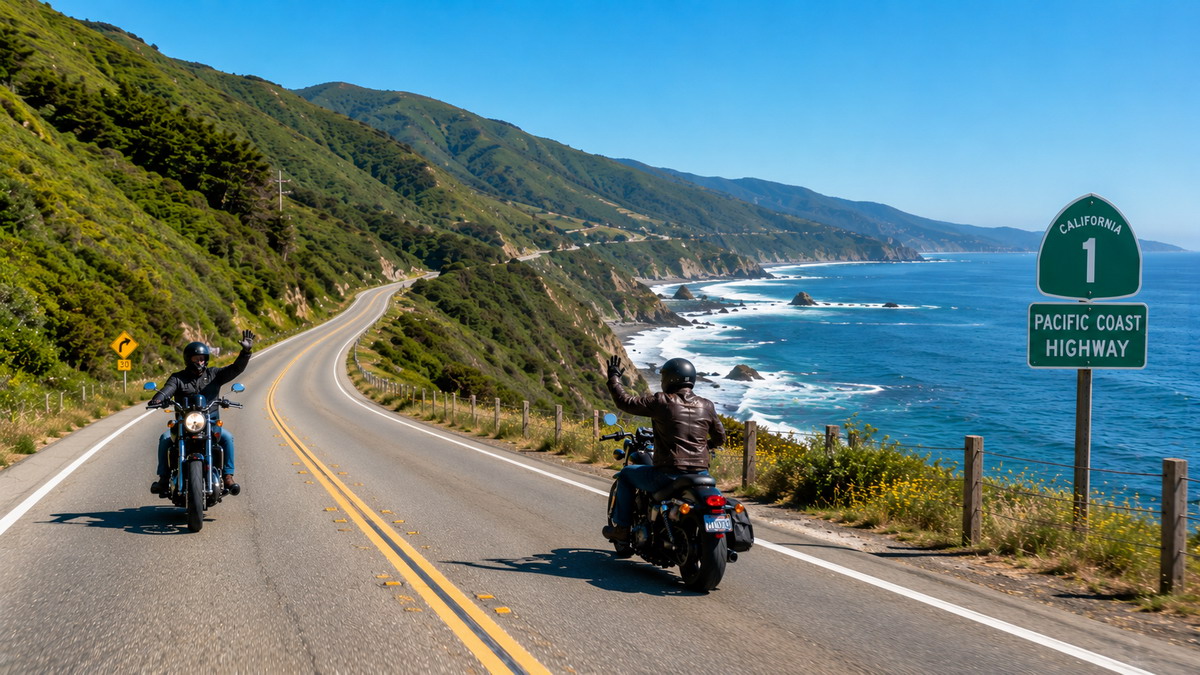
Motorcycle culture has always had its own code. Some rules are obvious, like wearing proper riding gear or respecting traffic laws. Others are never officially explained, yet almost every experienced rider understands them instinctively after spending enough time on the road.
These unwritten motorcycle rules — often called biker etiquette or rider code — help riders communicate, stay safe, and build mutual respect within the riding community. Whether you ride a Harley-Davidson touring bike, a sportbike, an ADV motorcycle, or a daily commuter, understanding motorcycle rider etiquette can make you a safer and more respected rider.
A quick review of popular motorcycle forums, Reddit communities, riding schools, and Google search results shows that topics like “motorcycle wave meaning,” “group riding etiquette,” “biker code,” and “motorcycle hand signals” are consistently searched by new and experienced riders alike. Many articles focus only on stereotypes or outdated biker myths, but this guide focuses on practical motorcycle etiquette that actually matters in real-world riding.
This article covers:
- The most important unwritten motorcycle rules
- Motorcycle group riding etiquette
- Highway and touring etiquette
- Common rider mistakes
- Respect between different motorcycle communities
- Motorcycle safety culture
- FAQs about biker etiquette
Table of Contents
🏍️ Why Motorcycle Etiquette Matters
Motorcyclists operate differently from car drivers. Riders are more exposed, more vulnerable, and often depend on awareness and cooperation from other riders.
Good motorcycle etiquette helps:
- Improve road safety
- Reduce misunderstandings
- Strengthen rider communication
- Build trust during group rides
- Create a better motorcycle community
Many riders also discover that motorcycle culture is surprisingly welcoming once basic respect is shown.
👋 The Motorcycle Wave: A Simple Gesture With Big Meaning
✌️ What Is the Motorcycle Wave?
One of the most recognized parts of biker culture is the motorcycle wave.
Typically, riders extend:
- two fingers downward
- a quick left-hand wave
- or a subtle nod
The meaning is simple:“I see you. Ride safe.”
Many riders trace the modern biker wave back to Harley-Davidson culture in the United States, though similar rider gestures exist worldwide.
🛣️ Do All Riders Wave?
Not always.
You may notice:
- touring riders wave frequently
- ADV riders often wave
- cruiser riders usually wave
- some sportbike riders nod instead
- commuters in busy cities may not respond
There is no requirement to wave. Traffic, clutch use, road conditions, or simple distraction may prevent it.
Experienced riders generally understand this and do not take it personally.
⚠️ Common Beginner Mistake
New riders sometimes become overly focused on waving and accidentally compromise control.
Safety comes first.
If:
- you are cornering
- shifting
- braking
- riding in traffic
keep both hands focused on riding.
🏍️ Group Riding Etiquette Every Rider Should Know
🧭 Ride Your Own Ride
This is one of the most important rules in motorcycle culture.
“Ride your own ride” means: Never ride beyond your skill level to keep up with others.
Group rides often create pressure, especially for beginners riding with faster or more experienced riders.
This leads to:
- target fixation
- panic braking
- speeding into corners
- crashes
Experienced group leaders understand that safe riders matter more than fast riders.
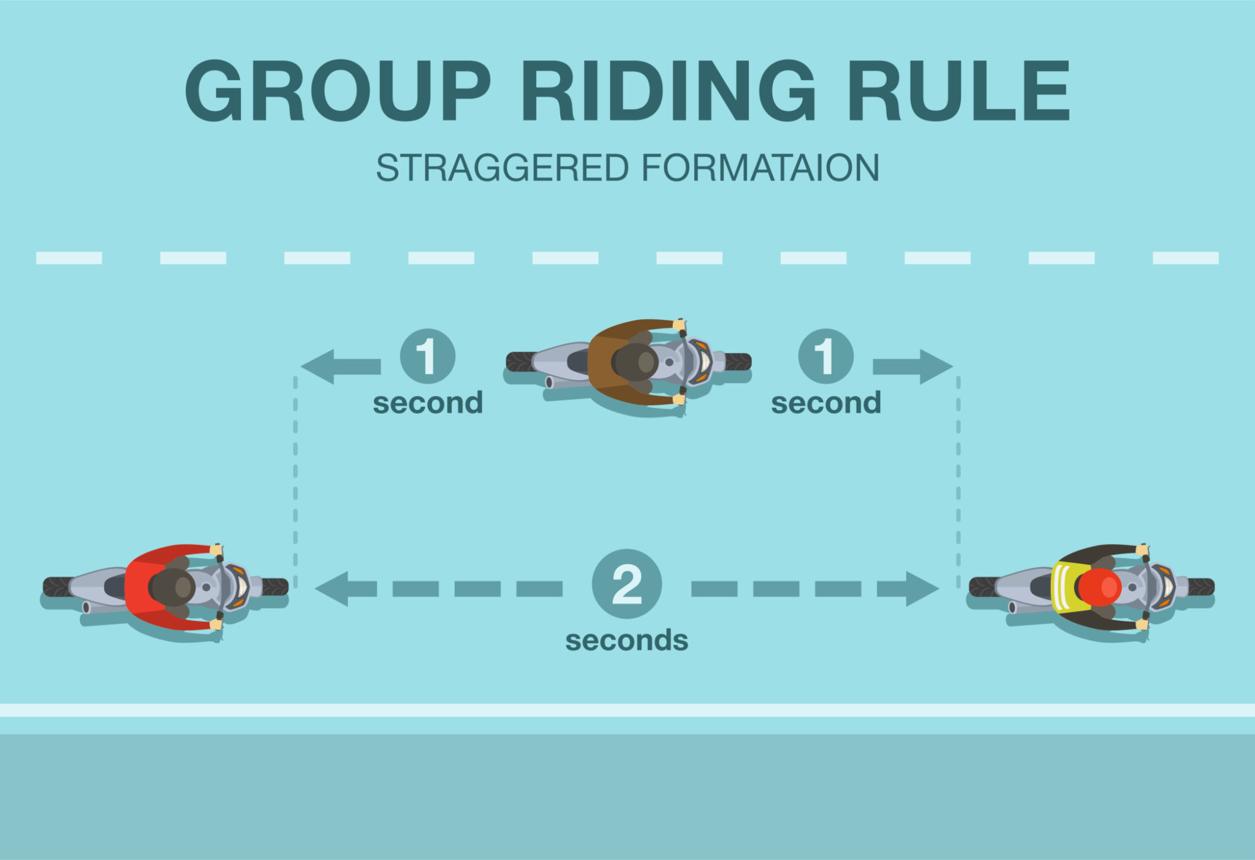
📏 Understand Staggered Formation
Most motorcycle groups ride in staggered formation:
- lead rider left side
- second rider right side
- third rider left side
This creates:
- better visibility
- safer following distance
- more reaction time
However, staggered formation is not always appropriate.
Switch to single file during:
- twisty roads
- mountain passes
- poor weather
- narrow lanes
🚦 Don’t Pass the Ride Leader Randomly
Passing the leader without reason is considered poor group riding etiquette unless:
- instructed
- necessary for safety
- the group arrangement changes
The lead rider usually controls:
- pace
- route
- fuel stops
- hazard awareness
⛽ Fuel Up Before the Ride
One of the most common beginner mistakes:
showing up with an almost empty tank.
Good rider etiquette means arriving prepared:
- full fuel tank
- charged phone
- proper gear
- bike inspected
Nobody enjoys emergency gas station detours 20 minutes into a ride.
🧤 Respect Different Types of Riders
🏍️ Cruiser Riders vs Sportbike Riders
Motorcycle culture includes many subcultures:
- Harley riders
- sportbike riders
- ADV riders
- dual-sport riders
- café racer builders
- touring riders
Online arguments sometimes exaggerate these divisions, but real-world riders are usually more respectful.
The unwritten rule: Respect the ride, even if it is not your style.
🛠️ Don’t Mock Smaller Bikes
Experienced riders generally respect skill more than engine size.
A rider on a 300cc bike with solid skills is often safer and smoother than someone on a 1000cc superbike riding recklessly.
Motorcycle communities increasingly encourage beginners to start with manageable motorcycles rather than oversized machines.
🛣️ Highway and Long-Distance Touring Etiquette
🚛 Don’t Sit in Blind Spots
Highway riding etiquette matters because motorcycles are harder for drivers to see.
Avoid lingering:
- beside trucks
- directly behind SUVs
- in blind spots
Pass efficiently and predictably.
💡 Use High Beams Responsibly
Many riders use daytime headlights for visibility, which is smart.
But:
- blinding other riders
- leaving high beams on continuously
- using aggressive auxiliary lights
can irritate both drivers and fellow riders.
Good etiquette balances visibility with courtesy.
🧃 Take Breaks Before Fatigue Hits
Long-distance motorcycle touring can become physically exhausting surprisingly fast.
Experienced touring riders often stop:
- every 60–100 miles
- before fatigue becomes serious
Hydration, stretching, and mental focus matter far more than proving toughness.
🧠 The Unwritten Rules at Motorcycle Meetups
🏍️ Don’t Sit on Someone Else’s Motorcycle
This is one of the biggest unwritten rules in motorcycle culture.
Never sit on another rider’s bike without permission.
For many riders, motorcycles are:
- expensive
- customized
- emotionally meaningful
Always ask first.
📸 Ask Before Touching Custom Builds
Custom motorcycles often involve:
- thousands of dollars
- hundreds of hours of labor
- rare aftermarket parts
Touching controls, luggage, helmets, or electronics without permission is generally considered disrespectful.
🍔 Respect Everyone at Bike Nights
Bike nights and motorcycle meetups attract:
- beginners
- veterans
- commuters
- weekend riders
The healthiest motorcycle communities avoid gatekeeping.
Most experienced riders remember being beginners too.
⚠️ Dangerous Habits Riders Secretly Hate
🏁 Showing Off in Parking Lots
Aggressive revving, burnouts, and reckless stunts at crowded events create a bad reputation for riders.
It also increases:
- police attention
- complaints
- event restrictions
Most mature riders prefer skill and control over noise alone.
📱 Filming While Riding Recklessly
Social media has created a wave of risky motorcycle content:
- no-hands riding
- traffic weaving
- excessive speeding
Many experienced riders strongly dislike this trend because it normalizes dangerous riding behavior.
🚫 Loud Pipes Don’t Automatically Equal Respect
Exhaust sound preferences vary widely.
Some riders enjoy loud V-twins.
Others prefer quieter touring setups.
The unwritten rule: Don’t become “that rider” revving through neighborhoods at midnight.
🧭 Adventure Rider Etiquette and Trail Culture
🌲 Leave No Trace
Adventure and dual-sport riders often follow outdoor ethics similar to hikers and campers.
Good ADV etiquette includes:
- packing out trash
- respecting trail closures
- minimizing environmental damage
- staying on legal routes
Irresponsible riding can lead to trail restrictions.
🏕️ Help Other Riders on Remote Routes
Adventure riders often help one another because:
- remote roads can be dangerous
- phone signal may disappear
- mechanical issues happen
Stopping to check on stranded riders remains one of the strongest traditions in motorcycle culture.
🧰 Motorcycle Gear Etiquette
🪖 Respect Riders Who Wear Full Gear
Some riders prefer:
- full-face helmets
- armored jackets
- airbag vests
Others ride casually.
Good motorcycle etiquette means avoiding unnecessary judgment either way.
That said, most experienced riders strongly support protective gear after seeing enough crashes.
🎧 Keep Communication Systems Respectful
Bluetooth motorcycle communication systems are increasingly common during:
- touring
- group rides
- ADV riding
Good communication etiquette includes:
- avoiding constant chatter
- keeping directions clear
- limiting distractions during technical riding
🚔 Interacting With Law Enforcement
⚠️ Stay Calm During Traffic Stops
Motorcycles sometimes attract additional police attention.
Best practices:
- keep hands visible
- remove helmet if instructed
- avoid sudden movements
- stay respectful
Most traffic stops become easier when riders remain calm and cooperative.
🏍️ Common Beginner Mistakes in Motorcycle Culture
❌ Trying Too Hard to Look “Cool”
Many new riders focus heavily on:
- image
- loud exhausts
- biker stereotypes
Experienced riders usually care more about:
- riding skill
- road awareness
- safety
- reliability
❌ Buying Beyond Skill Level
New riders sometimes purchase:
- liter bikes
- heavy touring motorcycles
- powerful cruisers
before developing proper riding fundamentals.
Confidence should grow slower than horsepower.
❌ Ignoring Maintenance
Motorcycles require regular maintenance:
- tire pressure
- chain care
- brakes
- oil
- suspension checks
A neglected motorcycle becomes dangerous quickly.
🌎 How Motorcycle Culture Changes Around the World
Motorcycle etiquette varies globally.
For example:
- American riders commonly wave
- European riders often nod
- Asian urban riders may rarely acknowledge others due to traffic density
However, one rule remains almost universal: Riders usually help other riders.
That shared understanding remains one of the best parts of motorcycle culture.
🏁 Final Thoughts: Respect Matters More Than Image
Motorcycle culture can seem intimidating from the outside, but most real-world riding communities value:
- respect
- skill
- preparation
- safety
- shared passion for riding
The unwritten rules are not about acting tough or pretending to belong.
They exist because motorcycles require awareness, trust, and mutual understanding in ways most other vehicles do not.
At the end of the day, good rider etiquette simply makes the road better for everyone.
And honestly, most riders would rather ride with a respectful beginner than an experienced rider with a bad attitude.
❓FAQ About Motorcycle Rider Etiquette
🏍️ Why do motorcycle riders wave at each other?
The motorcycle wave is a traditional gesture of mutual respect and recognition between riders.
👋 Is it rude not to wave back?
Usually no. Traffic, safety, or road conditions may prevent riders from responding safely.
🛣️ What does “ride your own ride” mean?
It means riding within your personal skill level instead of trying to keep up with faster riders.
🧤 Is it okay to sit on someone else’s motorcycle?
Not without permission. Most riders consider that disrespectful.
🏕️ What is the most important motorcycle etiquette rule?
Many experienced riders would say: Respect other riders and prioritize safety over ego.

Rodney L is a technical writer and product consultant with over a decade of experience in the motor industry. Rodney is a fan of performance machines that run fast and loud and an expert in all things custom. His numerous articles and write-ups are available at our knowledge base. Whether it’s something wrong with your motorcycle or you are building a custom bike, you can trust Rodney’s experience.
You maybe like to read:
Fodsports Brand Month: Unbeatable Deals and Top-Notch Service
Discover Fodsports Brand Month July and August mark a special occasion for motorcycle enthusiasts and tech lovers alike. Welcome to Fodsports Brand Month! This event is dedicated to celebrating everything that makes Fodsports a leading name in the motorcycle communication industry. Get ready for a fantastic promotions, exceptional service from Fodsports. Let's insights into Fodsports' […]
Grossglockner High Alpine Road in Fall: Austria Motorcycle Riding Guide
Autumn transforms Austria’s Grossglockner High Alpine Road into a spectacular mountain destination. Golden larch trees brighten the slopes, crisp Alpine air can reveal dramatic mountain views, and 36 hairpin bends make the journey memorable for motorcycle enthusiasts. Yet autumn also brings unpredictable weather, cold pavement, and possible road closures. For riders planning an Austrian Alps […]
Black Forest High Road Motorcycle Guide: Best Autumn Ride, Scenic Routes and Riding Tips in Germany
Few places in Germany combine flowing mountain roads, colorful forests, traditional villages, and peaceful viewpoints as perfectly as the Black Forest High Road (Schwarzwaldhochstraße B500). In autumn, this legendary route transforms into a spectacular motorcycle destination, with golden beech forests, misty valleys, and panoramic views stretching toward the Rhine Valley and even France on clear […]
Ultimate Dolomites Autumn Cycling Guide: Best Fall Foliage Routes & Expert Gear Blueprint
The Italian Dolomites in autumn transform into a sensory masterpiece. As the chaotic summer crowds dissipate between mid-September and late October, the entire Alpine region ignites with golden larches, fiery maples, and stark white limestone peaks. This fleeting shoulder season provides the ultimate window for an epic Dolomites cycling tour and foliage chasing. Compared to […]
Route des Grandes Alpes in Fall: France Motorcycle Riding Guide
Few motorcycle routes combine high mountain passes, autumn forests, dramatic valleys, and Mediterranean scenery as well as the Route des Grandes Alpes in France. Stretching about 720 km from Thonon-les-Bains near Lake Geneva to Nice, the route crosses 18 major Alpine passes and reaches 2,764 meters at the Col de l'Iseran. For motorcycle riders, autumn can […]