The motorcycle communication systems field just got a significant upgrade with the release of the Fodsports FX7. This state-of-the-art Bluetooth mesh intercom is packed with many advanced features and techs. It will revolutionize the way riders communicate and enjoy their rides. Whether you're a solo rider or part of a group, the FX7 offers unparalleled […]

What are chicken strips on a motorcycle?
April 20, 2023

If you ride a motorcycle, you may have heard the term “chicken strips” tossed around at the gas station or on group rides. It’s not about poultry, but rather a tell-tale sign on your tires. Let’s dig into what chicken strips mean, how they form, and what they do (and don’t) say about your riding. I’ll keep it clear, friendly, and (hopefully) fun to read.
Table of Contents
1. Definition: What exactly are chicken strips?
“Chicken strips” refer to the unused portions of the tire — especially on the outer edges of the tread — that remain largely unworn because the bike has not been leaned far enough to engage them.
In practical terms:
- On a fresh or lightly used tire you’ll often see the central tread worn, while the very edges still look “new.”
- Those shiny, unworn outer bands are the chicken strips.
According to multiple sources: they’re the “outer portions of your motorcycle tire that are unused.” - Some people put it this way: “Chicken strips are just a testament to the riding style of a biker.”
Why the funny name? Because some in the riding community tease that having big chicken strips means the rider is “too chicken” (that is, timid) to lean the bike further into corners.
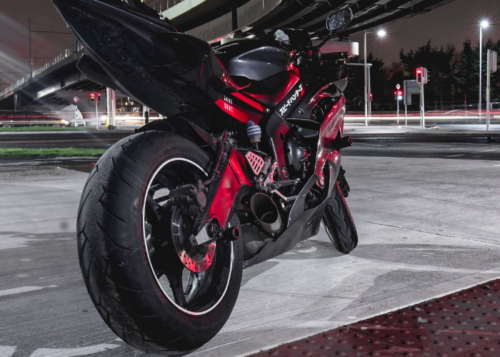
2. How do chicken strips form – the mechanics behind them
To understand chicken strips, you need a quick refresher on how a motorcycle tire works in a turn:
- A motorcycle leans into corners. The more the lean angle, the more of the tire’s side tread is used.
- The tread profile (round or flat) matters: many street tires are shaped to optimize upright stability, not maximal lean.
- Road type, riding style, suspension, geometry — all affect how much of the tire’s edge gets used.
Here’s how chicken strips come about:
- If you ride mostly upright, on straight roads, or avoid heavy lean, the outermost tread never touches the pavement.
- The tire’s inner/middle portion gets worn from normal riding, but the edges stay “fresh.”
- On some bikes (cruisers, touring bikes) there may be physical limitations (footpegs, exhaust, stand-components) that prevent deep lean. The tire never gets the chance to scrub the edges.
- On other bikes/tires with a more rounded profile (narrower, taller tires often seen on adventure or touring bikes) lean angle is naturally more limited. So chicken strips remain.
So yes: chicken strips = unused tread at the edges = limited lean or limited opportunity to lean.
3. What chicken strips say (and what they don’t say)
What they might indicate:
- That the rider has not leaned the bike to its full cornering potential. Many see big strips as a sign that the bike stayed more upright.
- That the bike is used in a more conservative or commuting style (straight roads, less aggressive cornering).
- That the tire hasn’t reached its full lean-angle limit or the rider’s setup/geometry/the road prevented it.
What they don’t reliably indicate:
- Expertise: Having small or no chicken strips doesn’t automatically make you a world-class rider; you might simply ride in conditions that encourage heavy lean (track, twisty roads) or have a bike optimized for it.
- Bad riding: Conversely, big chicken strips don’t mean you’re a bad rider — safety, comfort, and road conditions matter more than edge-use. One rider in a forum put it nicely:
“Don’t worry about the chicken strips being a measure of anything — ride the bike how you want to ride it.”
- That you’re “afraid” or lack skill — there’s more to lean-angle than bravado. Road type, tire profile, suspension, ergonomics all come into play.
Bottom line: Chicken strips are simply a tool for observation, not a definitive badge of skill (or lack thereof).
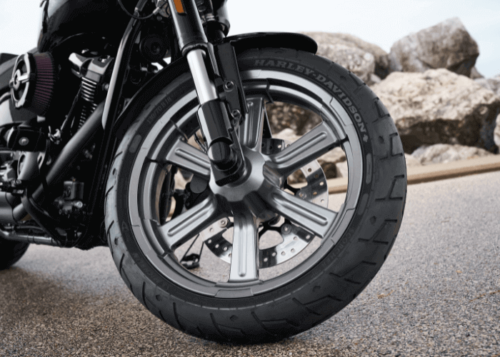
4. Typical contexts: Where you’ll see more (or less) chicken strips
- Sport bikes on twisty/track roads: more aggressive cornering means less chicken strip. The outer edges get scrubbed away more.
- Cruisers/tourers: bigger chicken strips are common because lean angle is physically limited (footpegs, crash bars, wide tires) and riding style might not push extreme lean.
- Everyday commuting: Straight roads, traffic, less so on tight corners. So chicken strips are expected.
- New tires: They’ll have “fresh” outer edges anyway — chicken strips are simply more noticeable until you ride enough to use those edges.
5. Should you be worried about chicken strips?
Short answer: Not really — but with caveats.
No, you don’t need to panic because:
- They don’t necessarily signal danger or ignorance. Many everyday riders will have them.
- More important than tire edge use is safe riding: road conditions, tire pressure, correct lean for the situation.
- As one article states: “You should never feel ashamed about having chicken strips … ride safely and within your comfort limits — that is what matters most.”
But yes, you should be aware of their meaning:
- If your riding style allows and you want to push your limits (in a controlled environment) then chicken strips might show you haven’t used full lean angle yet.
- If your bike or your comfort level is limiting you, big chicken strips might flag an opportunity to think about riding technique, line, or something in your setup — but not as a judgment.
6. Want to reduce chicken strips? Here are safe and realistic tips
If chicken strips bother you (for whatever reason) and you want to use more of your tyre’s edge — here are some ways to do it carefully:
- Pick the right roads: Curvy back roads or tracks are ideal for lean; avoid trying maximum lean on high-speed or unpredictable surfaces.
- Know your bike’s limitations: Foot pegs, exhausts, frame geometry etc can limit lean. Don’t force it.
- Tire profile matters: Some tyres are rounder and easier to lean; others flatter. Understand what your tyre allows.
- Body position & cornering technique: Proper counter-steering, body shift, smooth inputs will help you lean with control.
- Warm up your tires: New tires often have a glossy outer edge/wax. They may be slick and less safe to lean hard until they are scrubbed in.
- Track/rider school: If you're really serious, a rider school or track day gives you a controlled environment to explore lean angles safely. Just like some rider said, “Taking a track-based class or riding around a track all day will definitely help shave those tires down.”
- Don’t sand or artificially remove strips: Some people might think “let’s sand off the chicken strips” — but that’s risky and not recommended.
7. Final thoughts: Ride your ride
Ultimately, chicken strips are cool as a concept — a visual clue about how your tire has been used — but not worth obsessing over. The goals of motorcycling should always include:
- Fun
- Safety
- Improving your own skills on your terms
If you look down and notice chicken strips: great, now you understand them. If you don’t want them: fine. If you have them and you’re balanced, confident, safe: still fine. Remember: lean angle is just one piece of the puzzle.
One more note: fellow riders might rib each other about chicken strips. It’s part of the “motorcycle culture banter.” But you ride your ride. Don’t let others’ comments distract you from enjoying your journey.
In summary
- Chicken strips = unused or lightly used outer tread of a motorcycle tire, usually because of limited lean.
- They’re formed by riding style, road type, bike geometry, and tyre profile.
- They can hint at how aggressively the bike is leaned, but they’re not a reliable measure of rider skill or safety.
- If you want to reduce them, choose good roads, warm up your tyres, refine your technique, and ideally learn in a safe environment.
- Most importantly: ride within your comfort zone, use proper gear and judgement — and enjoy the ride, chicken strips or not.

Rodney L is a technical writer and product consultant with over a decade of experience in the motor industry. Rodney is a fan of performance machines that run fast and loud and an expert in all things custom. His numerous articles and write-ups are available at our knowledge base. Whether it’s something wrong with your motorcycle or you are building a custom bike, you can trust Rodney’s experience.
You maybe like to read:
Fodsports Brand Month: Unbeatable Deals and Top-Notch Service
Discover Fodsports Brand Month July and August mark a special occasion for motorcycle enthusiasts and tech lovers alike. Welcome to Fodsports Brand Month! This event is dedicated to celebrating everything that makes Fodsports a leading name in the motorcycle communication industry. Get ready for a fantastic promotions, exceptional service from Fodsports. Let's insights into Fodsports' […]
Fall Motorcycle Riding Tips: How to Ride Safely in Autumn
Fall is a great season for motorcycle riding. Cooler temperatures, colorful scenery, and comfortable roads make autumn an ideal time to explore. However, the change of season also brings new riding challenges. Wet leaves can reduce traction, temperatures can change quickly, daylight becomes shorter, and wildlife may be active near roads. With a little preparation, […]
Top 10 Fall Motorcycle Rides in the USA: Scenic Routes & Foliage
Fall is one of the best seasons for motorcycle riding in the United States. Cooler temperatures, colorful forests, quieter roads, and spectacular mountain scenery make autumn ideal for a scenic motorcycle road trip. From New England's brilliant red and orange forests to the Appalachian Mountains and the colorful Ozarks, riders can find incredible fall foliage […]
Women in American Motorcycle Culture: How Women Shaped Its Evolution
Women in American motorcycle culture have played an important role in shaping the way motorcycling is experienced and represented in the United States. When people think of American motorcycle culture, they may picture leather jackets, open highways, motorcycle clubs, and groups of male riders. But women have been part of that culture for much longer […]
Modern Motorcycle Culture: How Technology and Community Are Changing Riding
Motorcycle culture has never been only about motorcycles. It is about the people who ride them, the communities they build, the places they explore, and the freedom they experience on the road. Today, modern motorcycle culture is changing faster than ever. Traditional motorcycle clubs, rallies, and group rides remain an important part of the scene, but […]