The motorcycle communication systems field just got a significant upgrade with the release of the Fodsports FX7. This state-of-the-art Bluetooth mesh intercom is packed with many advanced features and techs. It will revolutionize the way riders communicate and enjoy their rides. Whether you're a solo rider or part of a group, the FX7 offers unparalleled […]

Ultimate Guide to Winter Motorcycle Gear: Ride Warm, Safe, and Stylish
December 29, 2025
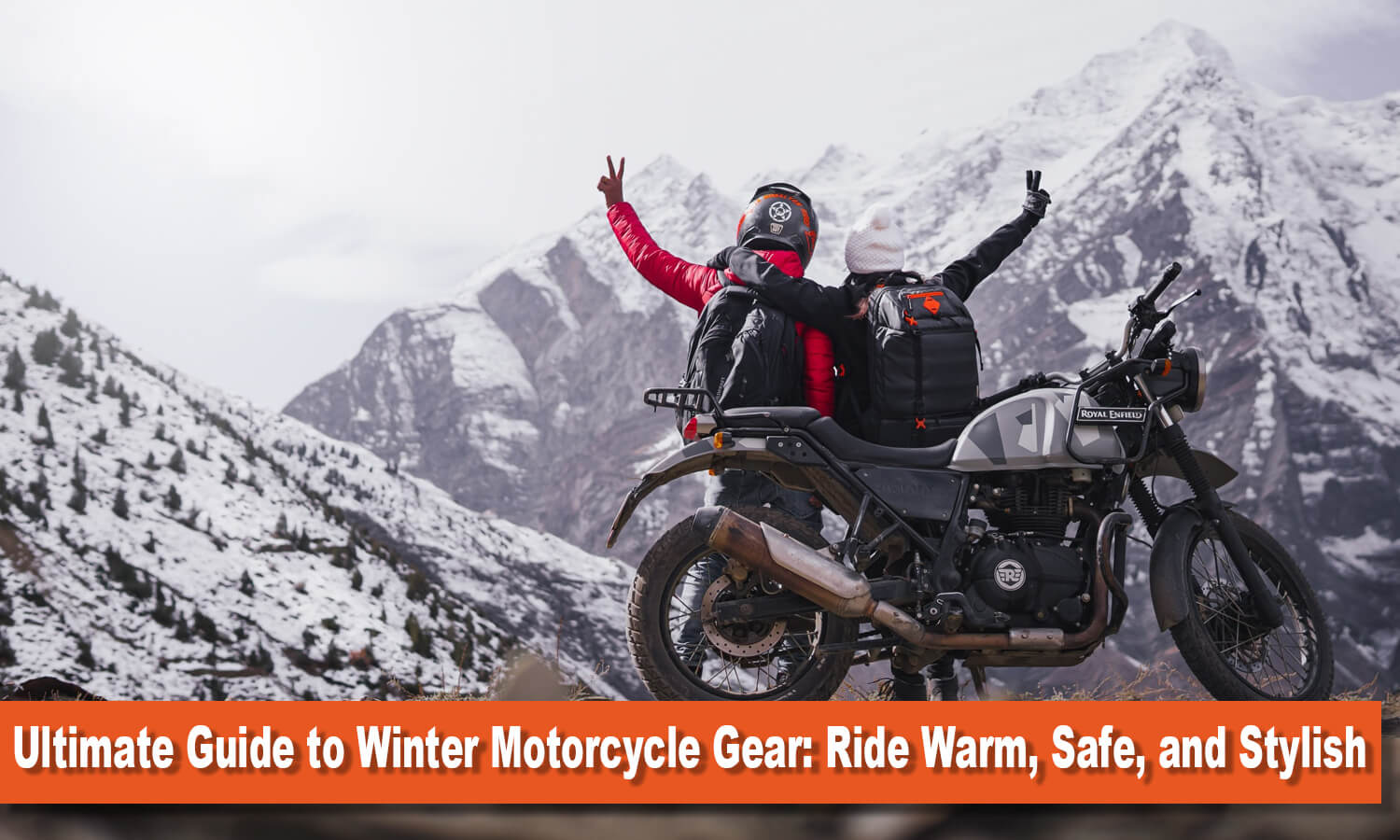
Hey there, fellow riders! If you’re anything like me, winter isn’t a time to park your bike and hide indoors. Nope, it’s an opportunity to embrace the chill head-on—and that means gearing up smart. This week, we’re diving deep into the best motorcycle gear for winter riding: the essentials that keep you warm, safe, and comfortable when the temperatures drop and the wind bites. I’ll share some hands-on advice from countless cold-weather rides, seasoned tips, and gear I trust to make winter riding not just bearable, but downright enjoyable.
Winter riding is a unique beast. It's not just about gripping the handlebars while teeth chatter; it's about mastering the art of layering with purpose, balancing protection and insulation, and honestly, still looking cool while you freeze your tail off (or don’t). Whether you’re commuting, adventuring, or simply can’t imagine a bike-free winter, your gear choices make all the difference. So let’s get to it—because frostbite and chill-induced fatigue have no place in our riding stories.
Table of Contents
What Makes Winter Motorcycle Gear Different?
Before we jump into specifics, it’s important to understand what distinguishes winter gear from regular motorcycle apparel. The main priorities are insulation, windproofing, and moisture management. You want materials that trap heat but also breathe well enough to avoid sweaty discomfort beneath your layers. And then there’s protection from the elements: cold rain, sleety snow, and icy gusts that can all hit you unexpectedly on the road.
Most riders underestimate the power of wind chill. Even a mild-looking 40°F day can feel like 25°F once you hit 60 mph. Without the right gear, your body temperature plummets faster than your thrills spike. This is why my winter lineup always centers on creating a windproof barrier combined with thermal insulation and waterproof layers.
The Core Winter Riding Essentials

Winter motorcycle gear list for warm and safe ride
1. Helmet: Your First Line of Defense
A high-quality full-face helmet is non-negotiable. Beyond basic protection, choose one with an effective seal around your neck to block drafts and a face shield that resists fogging. Trust me—I’ve learned the hard way how miserable a fogged-up visor can make a cold morning ride. Look for helmets with built-in breath deflectors and anti-fog coatings, or invest in a Pinlock system to keep your view crystal clear.
Bonus tip: wearing a thin balaclava or neck gaiter under your helmet dramatically cuts wind intrusion without bulk. It’s a must-have for me when dropping below freezing.
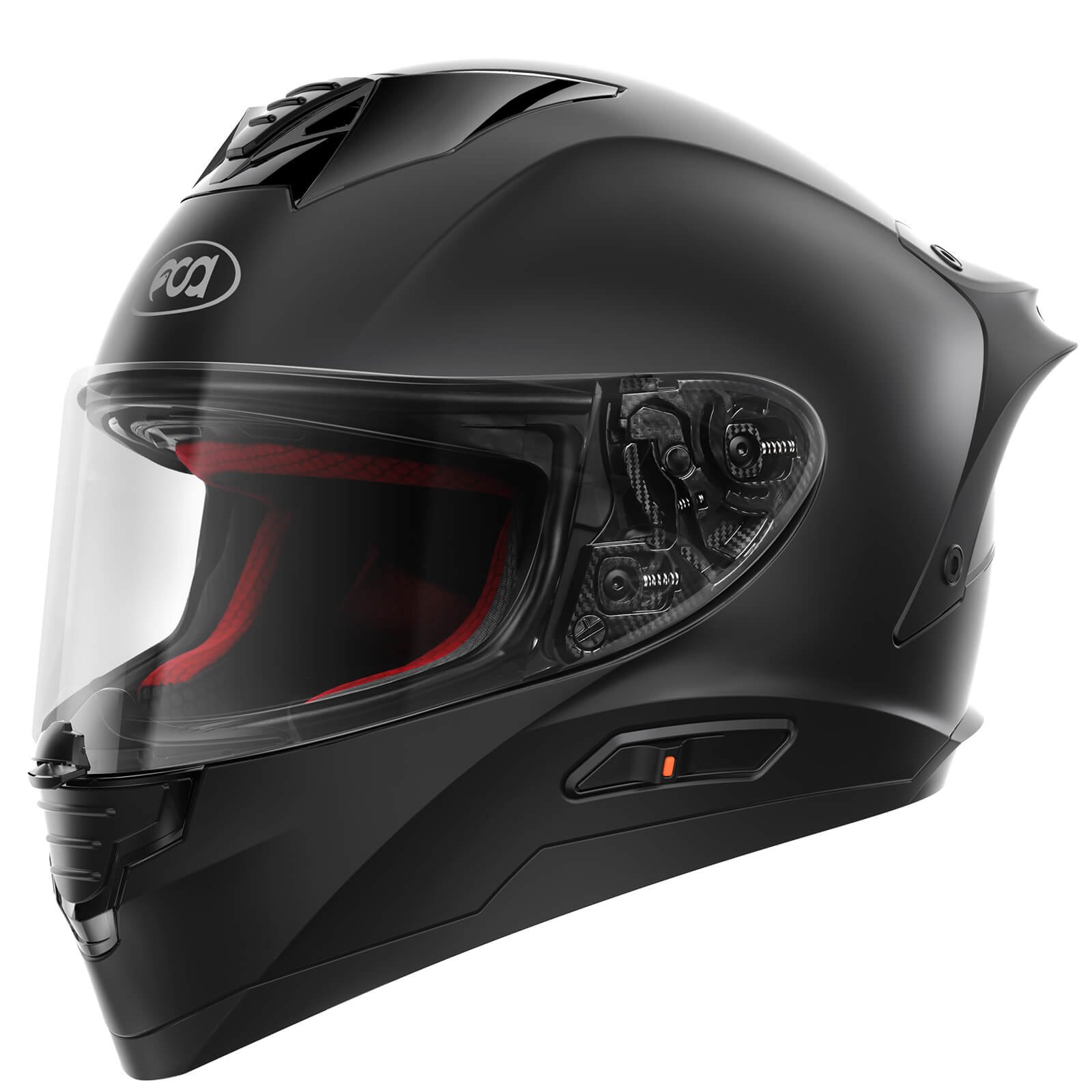
Fodsports FS 90 DOT Full Face Motorcycle Helmet
$259.99 $299.99
Code:
Limited Time Promo! Extra 10% Off Code! Save Now!
DJOW9
DOT and ECE 05 Approved Motorcycle Helmet
Full face helmet style
5 Colors and 4 Sizes Available
Transparent Windshield(standard), 3 Other Colors Optional
Optional Pinlock P70 Fog-resistant Lens.
Removable and Washable Lining
Full face helmet style
5 Colors and 4 Sizes Available
Transparent Windshield(standard), 3 Other Colors Optional
Optional Pinlock P70 Fog-resistant Lens.
Removable and Washable Lining
13%
OFF
OFF

Here are some well-reviewed motorcycle helmets that work great for winter riding. They are equipped with features like anti-fog shields, good insulation, and wind protection — ideal for cold-weather motorcycling (based on recent gear reviews and winter helmet guides).
👍 Winter-Friendly Picks
- 509 Delta R4 Ignite Helmet – Built-in Ignite heating shield helps keep vision clear in freezing temps.
- Bell Qualifier DLX MIPS Helmet – Full-face with anti-fog shield and wind-collar reduces cold wind intrusion.
- Shoei GT‑Air II Helmet – High quality touring helmet with great visibility and protection (not winter-specific but excellent overall).
- AGV K3 Helmet Rossi Winter Test – Well-rated, comfortable helmet with anti-fog visor good for chilly rides.
- Fodsports FS 90 DOT Full Face Helmet - DOT and ECE 05 approved, optional Pinlock P70 fog-resistant lens, removable and washable lining
🧤 Adventure / Modular Options
- Scorpion EXO‑AT960 Cold Weather Helmet & Scorpion EXO‑GT930 Modulus Snow Helmet – Strong modular choices with no-fog shields and adaptable design for changing conditions.
- Icon Airflite Helmet – Good value option with solid reviews (great for cold street riding).
- Bell MX‑9 Adventure MIPS Helmet – Adventure helmet with fog-resistant shield and versatility.
More Winter Motorcycle Helmet Options
2. Jacket: The Perfect Balance of Warmth and Armor
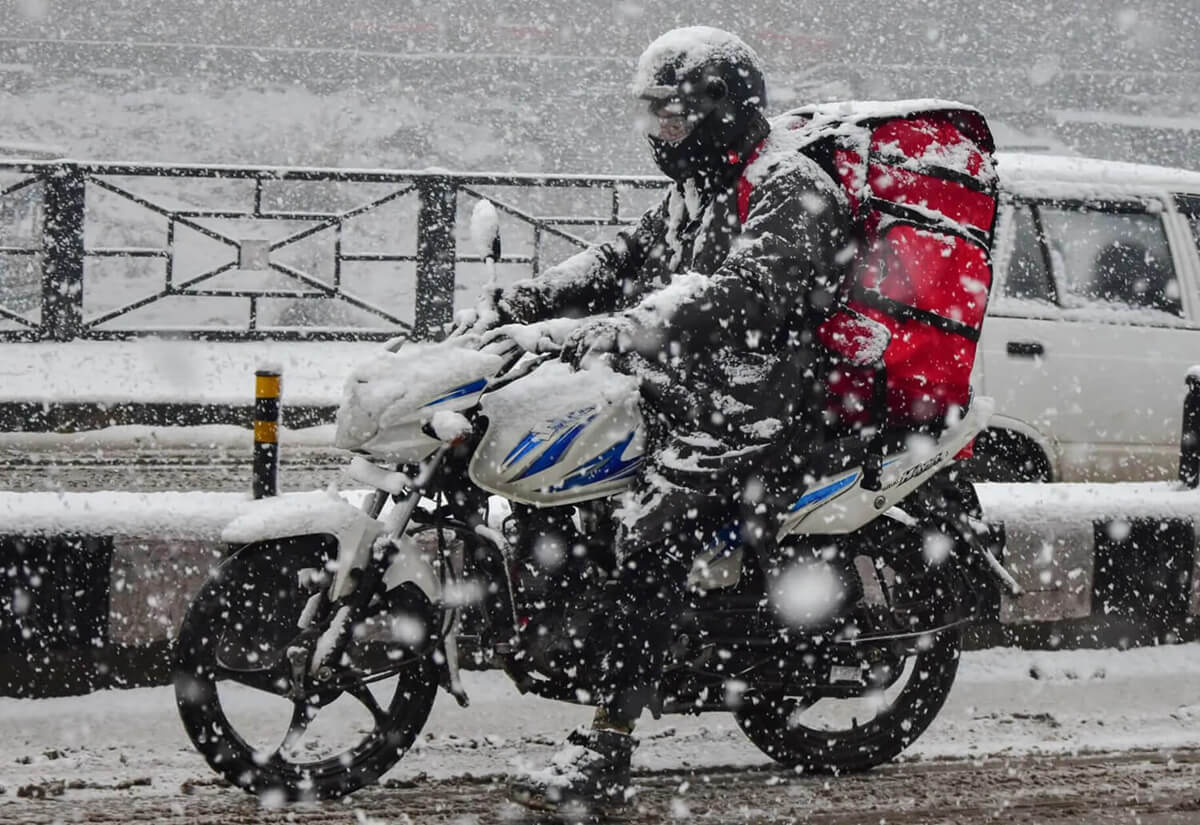
A winter jacket is essential motorcycle gear to keep you warm
Winter jackets must excel at three things: warmth, waterproofing, and protection. I recommend investing in a technical textile shell with a removable thermal liner. Gore-Tex or similar membranes are fantastic for shedding water while allowing sweat to escape.
Inside the jacket, look for synthetic insulation—Primaloft is my go-to because it stays warm even when damp. Puffy down jackets might feel cozy off the bike, but can lose insulation power when wet. Also, ensure your jacket has a high collar and adjustable cuffs to stop chilly air from sneaking in.
Don’t forget armor—CE-certified shoulder and elbow pads are standard, but in winter, a back protector is equally crucial because the cold weather can impair your reflexes, increasing accident risk.
The following are some top-recommended winter motorcycle jackets in the market; some of them I have tried in the past. They can keep you warm, windproof, and weather-protected while riding in cold weather.
🧥 Premium & All-Weather Picks
- REV'IT! Jacket Potential GTX – Gore-Tex, waterproof, detachable thermal liner and excellent protection — great for cold commuting or touring.
- Dainese Tempest 3 D‑Dry Jacket – Highly rated for winter use with removable thermal liner and strong waterproof performance.
- Dainese Carve Master 3 Gore‑Tex Jacket – Sport-touring kind with Gore-Tex + thermal liner — versatile for cold and wet rides.
🏍️ Mid-Range & Value Options
- Scorpion EXO Optima Jacket – Great value pick with thermal liner and waterproof construction — ideal if you want warmth and protection without huge cost.
- Klim Badlands Pro Jacket – Premium adventure jacket with excellent insulation and protection for long trips.
💨 Everyday & Commuter Choices
- Alpinestars Nevada 2 Thermal Jacket – Soft-shell with windproof fleece lining — lighter but warm for cold city rides.
- 509 Allied Insulated Jacket – Insulated and waterproof option that’s practical for shorter cold rides.
- Street & Steel Drifter Jacket – Stylish and warm textile jacket with solid protective reviews.
Motorcycle Jackets Choosing
3. Gloves: Keep Your Fingers Functioning
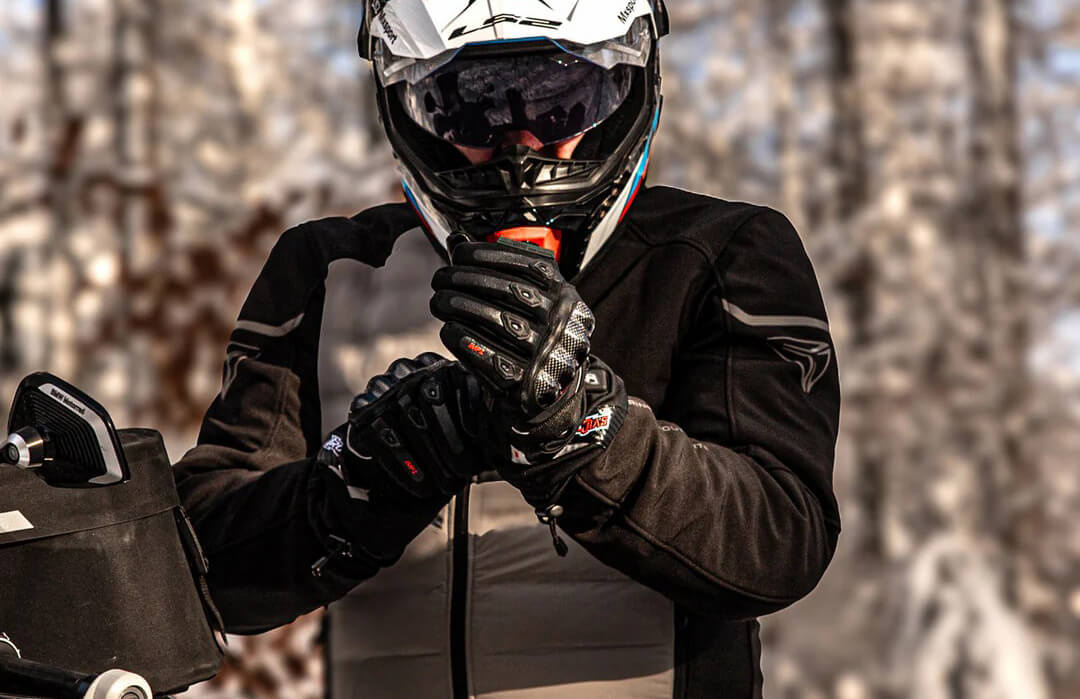
Wear gloves to protect your hands and fingers during winter motorcycle ride
Nothing kills the ride faster than numb fingers. Winter gloves are a science unto themselves. I prefer gloves with multiple insulation layers combined with waterproof breathable membranes. Gore-Tex-lined gloves excel here, providing that precious barrier against wind and moisture.
Look for gloves with long gauntlets that seal snugly under or over your jacket sleeves. Heated gloves or liners can be a game-changer if you regularly endure subzero rides. Just be sure to maintain good battery life or bring spares!
Now, I will recommend some top-recommended winter motorcycle gloves to keep your hands warm, dry, and protected in cold riding conditions.
🧤 Premium & Weather-Tough Picks
- ALPINESTARS WT‑4 Gore‑Tex Gloves – Gore-Tex waterproofing and PrimaLoft insulation for cold, wet tour riding.
- Alpinestars WR‑X Gore‑Tex Gloves – Highly rated winter option with breathable membrane and strong weather protection.
- ALPINESTARS XT‑3 Drystar Insulated Gloves – Great balance of warmth and dexterity for all-weather riding.
💪 Mid-Range & Commuter Friendly
- Dainese Tempest 2 D‑Dry Long Thermal Gloves – Thermal liner + waterproofing keeps hands warm on chilly rides.
- KEMIMOTO Thermal Winter Motorcycle Gloves – Excellent value budget choice with touchscreen compatibility.
- ROCKBROS Winter Motorcycle Gloves – Highly rated budget gloves with gel padding and knuckle protection.
🛡️ Other Solid Choices
- Odin Mfg APEX D3O Waterproof Gloves – 3M Thinsulate and waterproof build for cold rides.
- Thrashin Supply Siege Insulated Gauntlet Gloves – Stylish gauntlet gloves with 3M Thinsulate and good grip feel.
More To Learn
4. Pants: Layer Smart
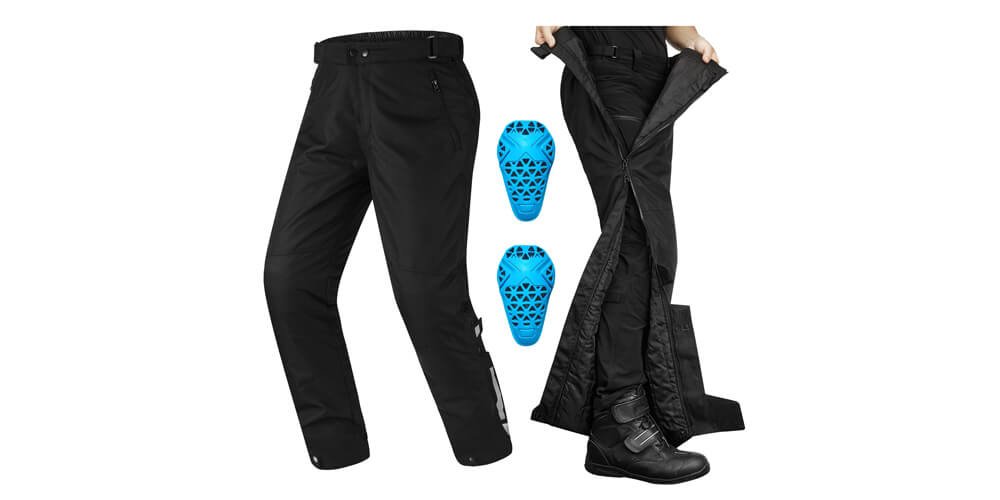
prepare riding pants for the winter
Winter pants should complement your jacket’s protective and waterproof capabilities. Options range from insulated riding pants to shell pants designed to be layered over base insulating layers. For me, a waterproof, windproof riding trouser worn over thermal leggings hits the sweet spot.
Think about mobility too—stiff materials can restrict movement, especially as you shift and lean. Look for pants with stretch panels or articulated knees to keep you comfortable on longer rides.
Here are some excellent winter motorcycle pants — built for cold-weather riding with insulation, waterproofing, and protection.
🏍️ Best All-Around Winter Riding Pants
- 509 R‑200 Insulated Bib Pants – Excellent insulation + removable liner; great for cold-weather touring.
- Dainese Carve Master 3 Gore‑Tex Pants – Premium sport-touring pants with Gore-Tex waterproofing and thermal liner.
- Alpinestars Andes v3 Drystar Pants – Great waterproof and breathable performance with ventilation — good year-round.
- Alpinestars ST‑1 Waterproof Pants – Solid mid-range choice with detachable thermal liner.
💸 Value & Commuter Friendly
BILT Storm 2 Waterproof Overpants – Affordable, waterproof overpants with insulated liner — great for commuting.
Sedici Avventura Waterproof Pants – Versatile waterproof pants with thermal liner — good winter-to-spring option.
Komine PK‑914 Winter Motorcycle Pants – Good budget winter pants with solid reviews.
Spidi Superstorm H2Out Pants – Highly rated waterproof pants with thermal protection — ideal over regular clothes.
Guide for Pants Choosing
5. Boots: Warm, Dry, and Grippy
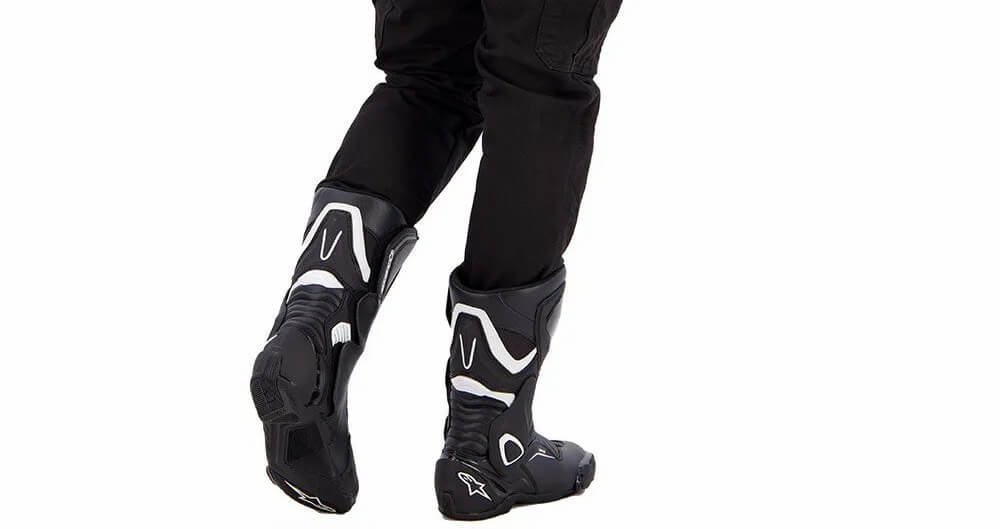
winter riding boots
An often-overlooked area, cold feet can ruin a ride faster than frozen fingers. I swear by waterproof, insulated boots with a beefy sole for grip on slick surfaces. Leather boots with a waterproof membrane work well, but always check for insulation and comfort—your boots should feel warm without overheating during milder spells.
Pro tip: Adding chemical foot warmers on extra cold weather days has saved me from painful cold toes more than once.
There are some excellent winter motorcycle boots that riders recommend for cold-weather riding. These boots focus on waterproofing, insulation, protection, and comfort:
🥇 Top Picks for Cold & Wet Riding
- Alpinestars Web Gore‑Tex Boots – Premium waterproof Gore-Tex protection and breathable comfort for long winter rides.
- Alpinestars Toucan Gore‑Tex Boots – Highly rated touring boots with excellent waterproofing and protective build — great for year-round winter use.
🛡️ Reliable All-Weather & Protection Focused
- ICON Stormhawk Boots – Rugged waterproof boots with D3O ankle protection and solid grip — ideal for commuting and touring.
- TCX Hero 2 WP Boots – Waterproof and comfortable half-boot style with great value for colder rides.
- Indie Ridge Waterproof Boots – Highly reviewed waterproof leather boots with excellent comfort and protection.
- TCX Blend 2 WP Boots – Full-grain leather waterproof boots with good grip and reinforcement.
💸 Great Value & Everyday Riding
- Alpinestars Waterproof V2 Ridge Boots – Waterproof sport-style boots that perform well in cold, wet conditions.
- Forma Adventure Boots – Comfortable adventure-style boots with waterproof lining and solid protection.
More About Motorcycle Boots
Important Layers: What to Wear Underneath
Winter riding is all about smart layering, and what you wear beneath your gear is just as critical. Start with a moisture-wicking base layer made from merino wool or synthetic fibers—cotton is a rookie mistake here, as it keeps sweat next to your skin and chills you quickly.
Next, add an insulating mid-layer like a fleece or a lightweight down jacket, depending on the temperature. The key is breathability—you want to trap warmth without overheating or sweating excessively. I’ve found merino wool mid-layers strike this balance perfectly and don’t stink after a day’s ride.
Other Winter Motorcycle Gear Accessories That Make a Difference
- Neck Warmers and Balaclavas: These protect vulnerable skin and seal off cold winds under your helmet.
- Winter Socks: Thick wool or thermal socks prevent toes from freezing, but beware of bulky socks that can restrict circulation.
- Heated Gear: Battery-powered heated vests, gloves, and insoles are fantastic tech upgrades for the coldest rides—I rely on a heated vest especially when temps dip below 20°F.
- Windproof Layers: Windproof shells or cuffs can be lifesavers against the gusts that invade through typical gear.
- Helmet Communication System: Helmet communication systems like the Fodsports FX7 keep you connected with your friends. They can also connect to your phone via Bluetooth, allowing you to listen to music, receive GPS navigation alerts, or make and receive calls. You no longer need to stop your car, take off your gloves in the freezing cold to make a call.

$129.99 $219.99
Code:
Limited Time Promo! Extra 10% Off Code! Save Now!
DJOW9
Bluetooth Mesh Intercom.
Dual Bluetooth Chip Design.
10 Riders Group Audio, 2000m Distance!
HRSQ Mic and Speakers, CVC + ENC + DSP Noise Cancelation.
Listen to Music/GPS and Intercom At the Same Time.
IP67 Waterproof.
FM Radio, Music Sharing, Voice Commands.
Dual Bluetooth Chip Design.
10 Riders Group Audio, 2000m Distance!
HRSQ Mic and Speakers, CVC + ENC + DSP Noise Cancelation.
Listen to Music/GPS and Intercom At the Same Time.
IP67 Waterproof.
FM Radio, Music Sharing, Voice Commands.
41%
OFF
OFF
Some Real-World Lessons from the Road
Years of winter riding taught me that even the best gear requires thoughtful use. For instance, early on, I avoided gloves with removable liners to save weight—but winter riding changed my mind completely. Being able to swap out a wet liner mid-ride or dry it overnight cuts down on chill and helps extend your gear’s lifespan.
Another hard-learned tip: layering isn’t about piling on bulk. You want freedom of movement paired with efficient insulation. A heavy, unbreathable jacket might feel warm at rest, but once you’re moving, it traps sweat and makes you cold later. I always adjust layers dynamically on trips—removing or adding mid-layers during fuel stops or breaks.
Last but not least, visibility is crucial in the darker months. Reflective strips and bright colors not only amp up your style but also actually save lives. I’ve had several close calls where being visible was my best defense against inattentive drivers.
FAQS
How to Dress for Cold Weather Motorcycle Riding?
For cold‑weather motorcycle riding, it is better to dress yourself in the following manner:
- Layer your clothing — start with a moisture‑wicking thermal base layer, add an insulating mid‑layer, and finish with a windproof, waterproof outer jacket and pants designed for riding. This traps heat and lets you adjust to changing temps.
- Wear a full‑face helmet plus a neck warmer or balaclava to block wind.
- Use insulated gloves and warm, waterproof boots with good socks to protect hands and feet.
- Consider heated gear (jackets, gloves) for extra warmth on long or very cold rides.
Dressing right helps you stay warm, safe, comfortable and maintain control in the cold.
Are Heated Motorcycle Gloves Worth Buying?
Yes—if you frequently ride in cold weather, heated motorcycle gloves are worth buying. First, they can actively warm your hands and fingers, helping you maintain flexibility, grip, and safety when temperatures drop. Heated gloves can also extend your riding season during colder months and reduce numbness that can slow reaction time.
However, they are more expensive than regular gloves and may require charging or cable management. They may not be a necessity if you rarely ride in cold conditions, but they are highly beneficial for those who frequently ride in winter.
Do You Need Different Gear for Riding A Motorcycle in Winter Than in Other Seasons?
Absolutely. Winter motorcycle gear is usually equipped with warm linings, waterproof fabrics, and incorporates windproof and insulating design elements. On the contrary, summer riding gear typically uses ventilation holes or designs that allow cold air and rain to seep in.
How to Choose the Right Motorcycle Apparel for Winter?
The biggest threat to winter riding is the low temperatures; therefore, you need to carefully select appropriate motorcycle gear. It's also important to understand that the gear you need will vary slightly depending on the type of riding activity.
If you're about to embark on a long highway ride, it's best to wear specialized clothing with high insulation. Because you'll be exposed to cold conditions for extended periods during long highway rides.
For strenuous exercise or off-road riding in winter, you can consider wearing lighter clothing. This is because your body temperature will rise as you exert yourself during these activities. However, you should still carry a thermal undershirt or waterproof clothing, so that you can wear it during rest breaks.
How to Cope with Cold Weather When Riding a Motorcycle?
To avoid getting cold while riding a motorcycle, it is necessary to take some warm measures:
- 01. Choose appropriate winter riding clothing: wearing multiple layers, such as highly insulating winter underwear, can effectively wick away sweat and keep you warm, significantly improving comfort.
- 02. Use appropriate warm gloves, waterproof winter boots, and accessories such as heated grips or mittens to effectively keep your hands and feet warm.
- 03. Don't forget to protect your neck and face with a balaclava and scarf, and consider using a full face helmet with an adjustable liner for an extra layer of protection.
Following these recommendations will make winter riding more comfortable and safer.
Wrapping It Up: Prepare, Ride, Enjoy
Winter motorcycle riding isn’t for everyone, but with the right winter motorcycle gear, it can be one of the most rewarding ways to connect with your machine and the road. You don’t have to sacrifice comfort or safety to embrace the colder months. The right helmet, jacket, gloves, pants, boots, and layers transform a frosty challenge into a thrilling adventure.
So this season, gear up wisely. Test your layers before the big ride, invest in quality pieces that balance warmth and protection, and don’t forget to have fun out there. Riding through winter’s frosty beauty is a unique joy, one I hope you experience safely and warmly.
Next week, we’ll tackle winter motorcycle maintenance tips to keep your bike running smoothly through the cold and ice. Until then, ride safe, keep warm, and share your stories—I’m always keen to hear how fellow riders brave the winter roads!

Rodney L is a technical writer and product consultant with over a decade of experience in the motor industry. Rodney is a fan of performance machines that run fast and loud and an expert in all things custom. His numerous articles and write-ups are available at our knowledge base. Whether it’s something wrong with your motorcycle or you are building a custom bike, you can trust Rodney’s experience.
You maybe like to read:
Fodsports Brand Month: Unbeatable Deals and Top-Notch Service
Discover Fodsports Brand Month July and August mark a special occasion for motorcycle enthusiasts and tech lovers alike. Welcome to Fodsports Brand Month! This event is dedicated to celebrating everything that makes Fodsports a leading name in the motorcycle communication industry. Get ready for a fantastic promotions, exceptional service from Fodsports. Let's insights into Fodsports' […]
Grossglockner High Alpine Road in Fall: Austria Motorcycle Riding Guide
Autumn transforms Austria’s Grossglockner High Alpine Road into a spectacular mountain destination. Golden larch trees brighten the slopes, crisp Alpine air can reveal dramatic mountain views, and 36 hairpin bends make the journey memorable for motorcycle enthusiasts. Yet autumn also brings unpredictable weather, cold pavement, and possible road closures. For riders planning an Austrian Alps […]
Black Forest High Road Motorcycle Guide: Best Autumn Ride, Scenic Routes and Riding Tips in Germany
Few places in Germany combine flowing mountain roads, colorful forests, traditional villages, and peaceful viewpoints as perfectly as the Black Forest High Road (Schwarzwaldhochstraße B500). In autumn, this legendary route transforms into a spectacular motorcycle destination, with golden beech forests, misty valleys, and panoramic views stretching toward the Rhine Valley and even France on clear […]
Ultimate Dolomites Autumn Cycling Guide: Best Fall Foliage Routes & Expert Gear Blueprint
The Italian Dolomites in autumn transform into a sensory masterpiece. As the chaotic summer crowds dissipate between mid-September and late October, the entire Alpine region ignites with golden larches, fiery maples, and stark white limestone peaks. This fleeting shoulder season provides the ultimate window for an epic Dolomites cycling tour and foliage chasing. Compared to […]
Route des Grandes Alpes in Fall: France Motorcycle Riding Guide
Few motorcycle routes combine high mountain passes, autumn forests, dramatic valleys, and Mediterranean scenery as well as the Route des Grandes Alpes in France. Stretching about 720 km from Thonon-les-Bains near Lake Geneva to Nice, the route crosses 18 major Alpine passes and reaches 2,764 meters at the Col de l'Iseran. For motorcycle riders, autumn can […]