The motorcycle communication systems field just got a significant upgrade with the release of the Fodsports FX7. This state-of-the-art Bluetooth mesh intercom is packed with many advanced features and techs. It will revolutionize the way riders communicate and enjoy their rides. Whether you're a solo rider or part of a group, the FX7 offers unparalleled […]

Motorcycle Jackets: How to Choose and Size
November 28, 2025
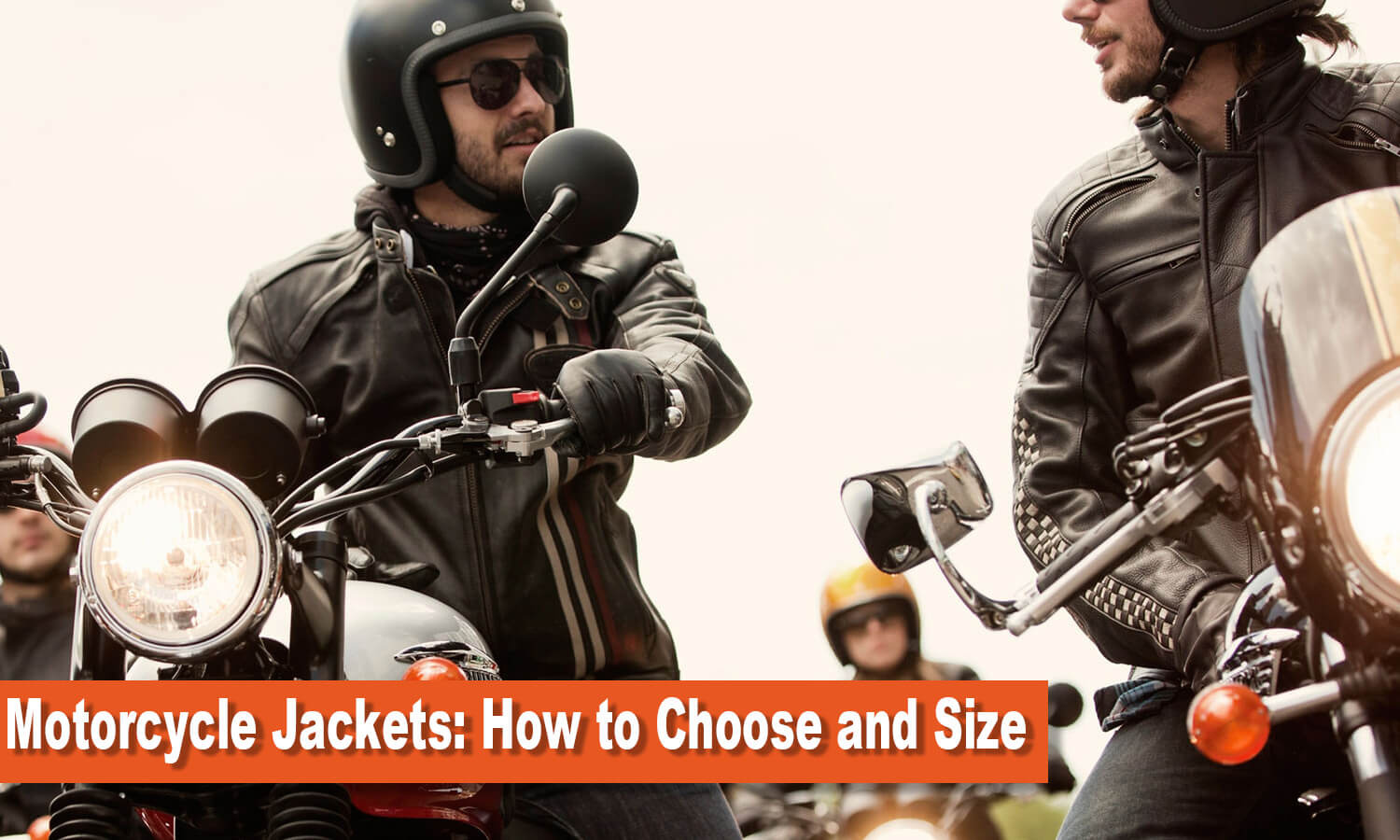
A dope motorcycle jacket isn't only for show—it's super important for safety when you're riding. The right one can save you if you crash, protect your skin if you slide, and keep you comfy no matter the weather. Whether you ride every day, take long trips, or have fun on weekends, picking the right style, material, and fit can really make riding safer and way more fun. This guide will tell you about the different kinds of motorcycle jackets, what they're made of, and how to find the perfect fit for you and your riding style.
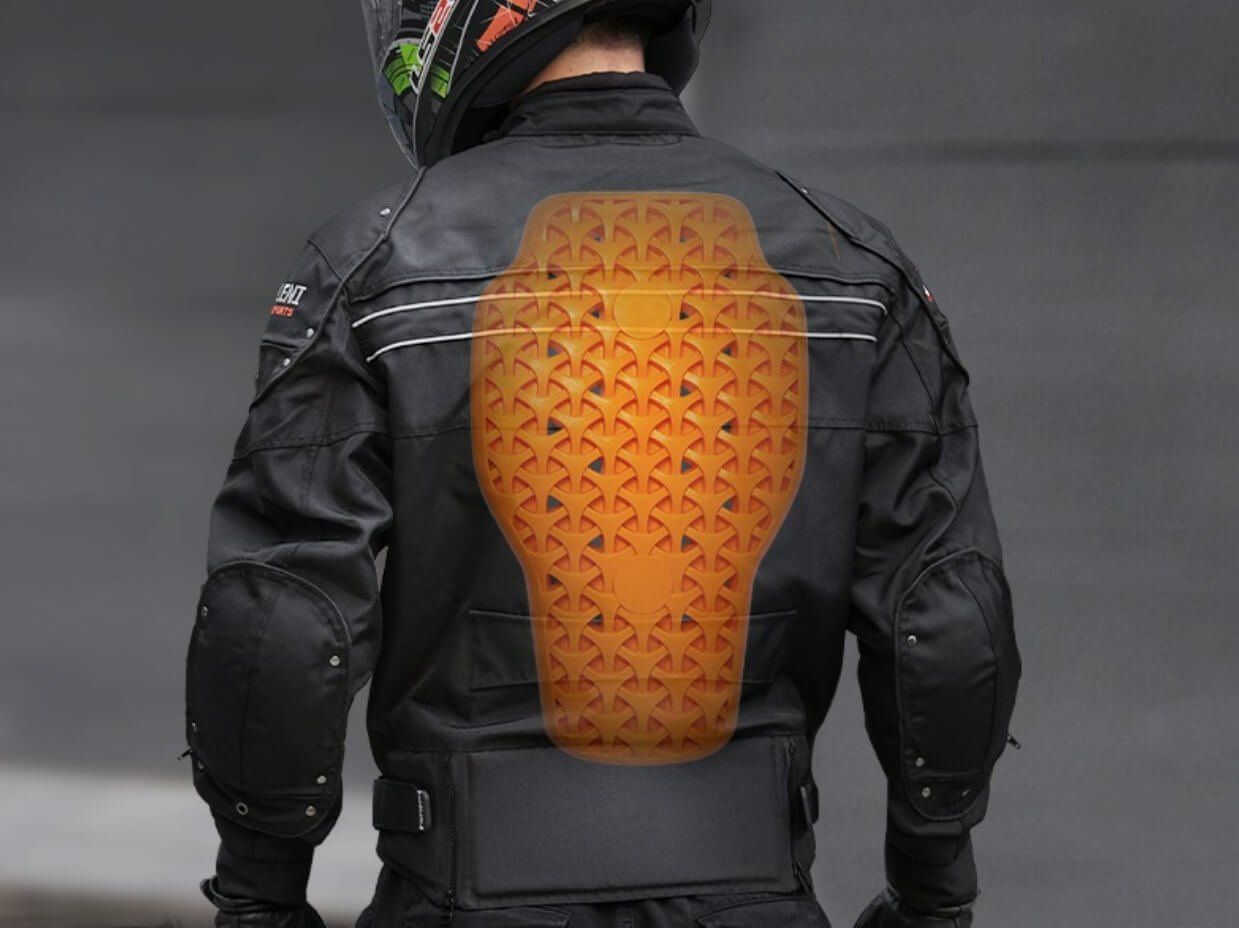
A motorcycle jacket provides protection.
Table of Contents
Types of Motorcycle Jackets
| Type | Key Characteristics | Best For | Main Trade-Off |
| Riding Shirt | Casual look with hidden reinforcement and optional armor. | City riding, commuters | Much lower crash protection |
| Mesh Jacket | Large airflow panels with basic armor coverage. | Hot climates, summer riding | Weaker abrasion resistance |
| Full-Textile Jacket | All-weather capability with liners and vents. | All-season riders, touring | Heavier and bulkier than mesh |
| Leather (Casual) | Classic look with strong abrasion resistance. | General street use, style-focused riders | Hot in warm weather, not waterproof |
| Leather (Sport/Race) | Tight fit with high-performance armor and shaping. | Sport riding, track days | Stiff and uncomfortable off the bike |
| Cruiser / Touring / ADV | Relaxed fit (cruiser) or long-cut, high-storage design (touring/ADV). | Long-distance and mixed-weather riding | It can be bulky and less stylish |
Riding Shirt
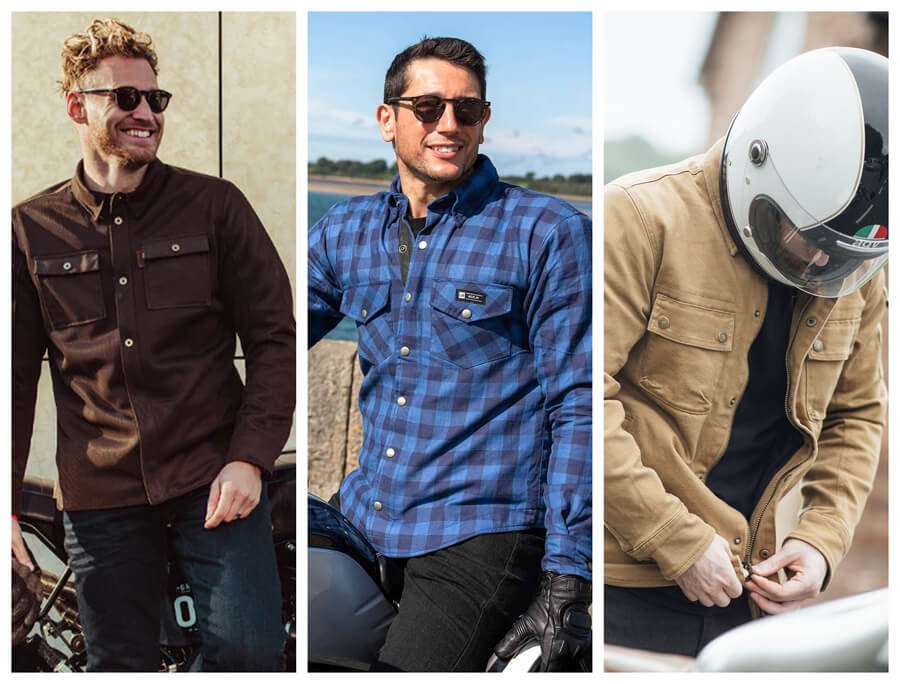
motorcycle riding shirt
A casual-looking option with hidden reinforcement. Good for city riders who want comfort and style but still need basic protection.
- Looks like flannel, denim, or a hoodie
- Often includes Kevlar panels and pockets for optional armor
- Very breathable and comfortable
- Much lower slide protection than real motorcycle jackets
- Not suitable for high-speed crashes
Mesh Jacket
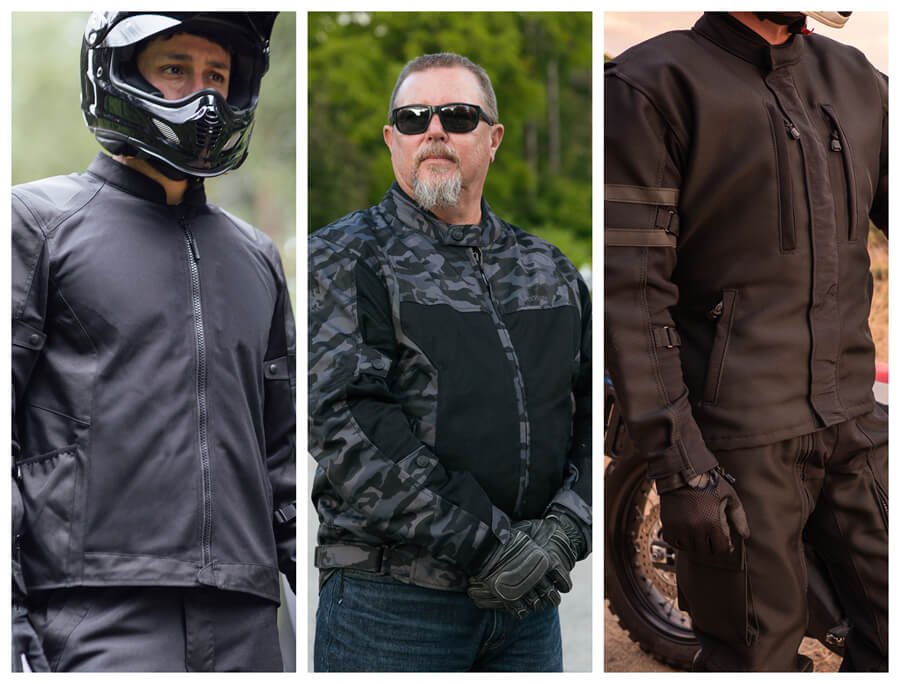
motorcycle mesh jacket
Designed for maximum airflow in hot weather while still offering essential protection.
- Made from strong open-weave mesh
- Solid shoulder/elbow zones reinforced with textile or leather
- Usually includes CE armor
- Excellent airflow for summer riding
- Not waterproof and offers little wind protection
Full-Textile Jacket
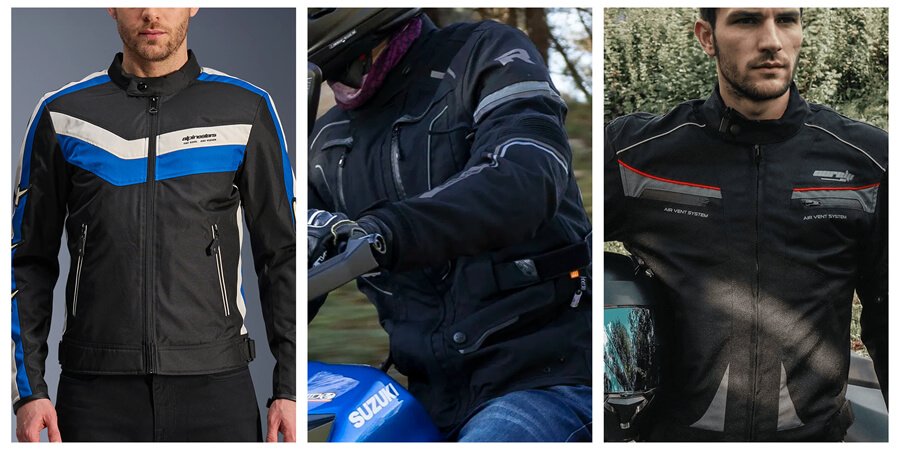
motorcycle full-textile jacket
A versatile, all-season option with strong weather protection and good abrasion resistance.
- Made from materials like Cordura® or ballistic nylon
- Often includes waterproof/breathable membranes (e.g., Gore-Tex®)
- Many come with removable thermal liners
- Good vents for summer and insulation for winter
- Performs well in rain and cold
- High-quality textile can rival leather in abrasion resistance
Leather Jacket
Classic motorcycle gear known for top-tier slide protection and a premium feel.
Leather jackets come in two main types.
Casual/“Biker” Style
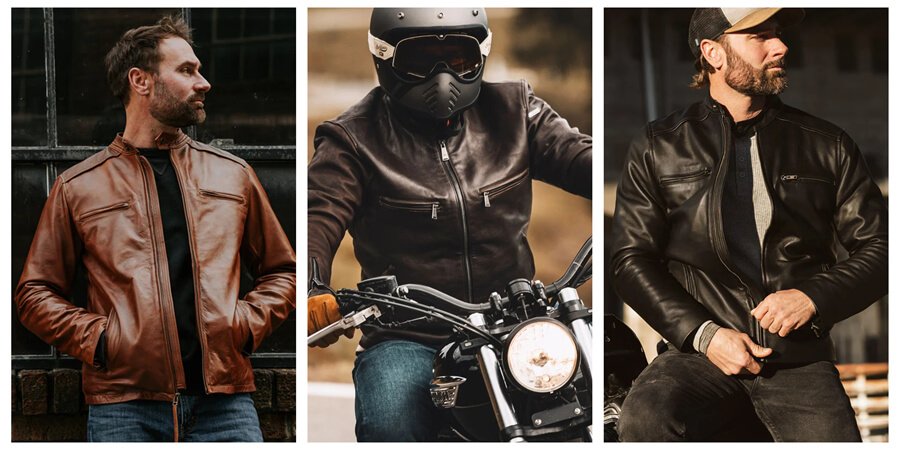
casual moto leather jacket
Relaxed, stylish, and comfortable for everyday riding.
- Iconic look (cruiser, cafe racer, vintage)
- Roomier fit for comfort and layering
- May include vents or perforation
- Great aesthetics on and off the bike
- It can get hot and is not waterproof
Sport/Race Style
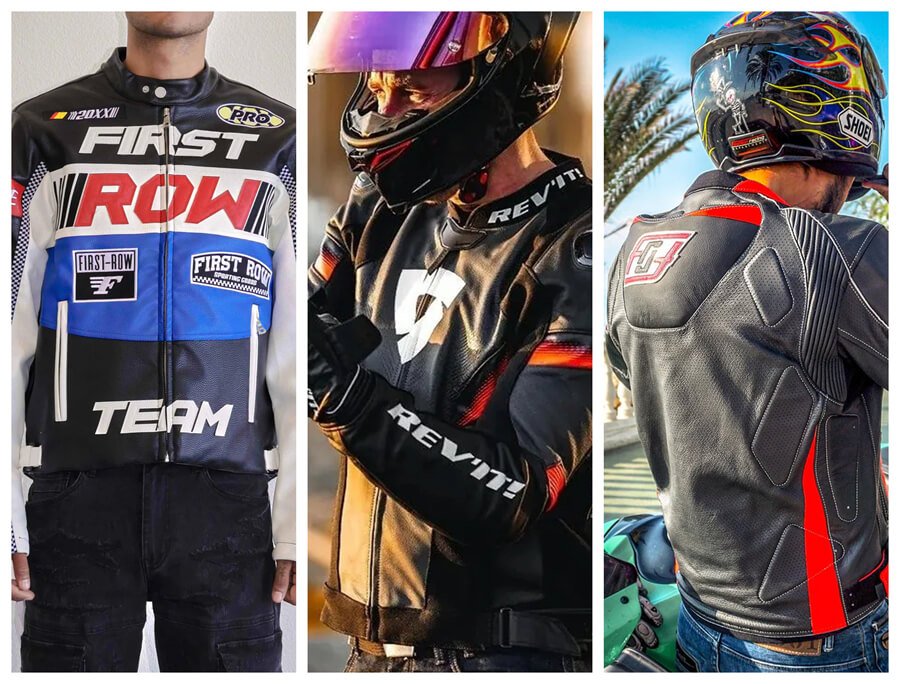
sport leather jacket
Performance-oriented gear for aggressive riders and track days.
- Snug, aerodynamic fit
- Pre-curved sleeves for sportbike posture
- Hard plastic/metal armor on shoulders and elbows
- May include back “speed hump”
- Best high-speed protection
- Less comfortable and less ventilated for casual use
Cruiser & Touring Jackets
Styles are designed around specific riding positions and long-distance riding comfort.
- Cruiser Jackets: Often leather; relaxed fit for upright riding
- Touring Jackets: Usually textile; long cut, weatherproof, many pockets
- ADV Jackets: More rugged touring gear with extra waterproofing and visibility
- Cafe Racer / Vintage: Slim, minimalist leather with modern armor
- Sport Textile Jackets: Aerodynamic textile version of sport leathers
Motorcycle Jackets Materials
| Material | Material Overview | Pros | Cons |
| Leather (Cowhide, Goatskin, Kangaroo) | Thick natural hide offering top-level abrasion resistance. Kangaroo leather provides high strength with less weight. |
|
|
| Cordura / Ballistic Nylon | High-denier synthetic textile designed for abrasion resistance and weather performance. |
|
|
| Kevlar (Aramid Fibers) | Heat-resistant fiber used as reinforcement in high-wear areas for tear and slide resistance. |
|
|
| Mesh | Open-weave synthetic textile designed for maximum airflow in hot weather riding. |
|
|
| Waterproof Membranes & Liners | Breathable layers (e.g., Gore-Tex) that block rain while allowing moisture to escape. |
|
|
| Armor (CE Protectors) | Impact-absorbing pads certified to European EN1621 standards for shoulders, elbows, and back. |
|
|
| Waxed Cotton | High-density cotton fabric coated with wax for a classic look and water resistance. |
|
|
| SuperFabric | Advanced textile reinforced with tiny armored plates for extreme abrasion resistance. |
|
|
Choose the Right Fit: American, European, or Race
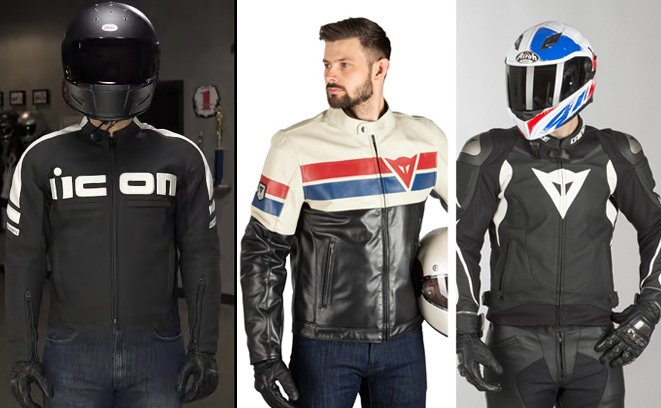
From left to right: American, European, and Racing fits.
American (Regular/Touring) fit
Built for comfort and room to move, especially for touring and everyday riding.
- Roomy in the waist, chest, and arms
- Works well with extra layers underneath
- Comfortable even when fully zipped
- Sometimes labeled “Classic” or “Comfort” cut
European (Slim/Sport) fit
A closer, tapered cut for a sleek look and better aerodynamics.
- Slimmer waist and sleeves
- Reduces fabric flapping at speed
- Ideal for sport riders and café racers
- Best if you don’t plan to layer much underneath
Racing fit
Designed for aggressive riding positions and track use.
- Very snug, body-hugging cut
- Strong pre-curved arms for full tuck
- Shorter back to match race posture
- Sleeves often optimized for gauntlet gloves and leathers
Consider Your Body Shape & Riding Style
Fit also depends on your proportions and how you ride.
- Tall riders (≈6'1"+): Look for “tall/long” sizes so sleeves and torso don’t ride up.
- Hem placement: Should sit near your belt when standing and still cover your lower back when leaning forward.
- Broad chest/shoulders: American cuts or sizing up often provide better comfort.
- Slim riders: European fits help avoid excess fabric and keep the jacket from feeling baggy.
How to Choose a Motorcycle Jacket
1. Pick a purpose: all-season or specialized gear.
Decide whether you want one do-it-all jacket or multiple jackets for different temperatures and weather.
2. Choose your weather protection.
Select between waterproof shells, fixed waterproof liners, or removable liners—based on whether you ride in rain, heat, or both.
3. Decide on material: leather or textile.
Leather offers great abrasion resistance but limited weather range; textiles provide versatility, waterproofing, and easier temperature control.
4. Select the cut and coverage.
Choose waist-length for sportier feel or three-quarter length for more protection against wind and rain.
5. Consider airflow and temperature control.
Pick mesh for hot climates or solid textile with vents for mixed conditions. Add liners or mid-layers for cold rides.
6. Think about color and practicality.
Lighter colors stay cooler in the sun; darker colors hide dirt but run hotter.
7. Choose the fit style: American, European, or Race.
- American fit: roomier, more relaxed.
- European fit: slimmer, more tailored.
- Race fit: tight, pre-curved, body-hugging.
8. Measure your size accurately.
Use a soft tape to measure chest, waist, and arm length—ideally with someone’s help.
9. Try the jacket on and check riding fit.
10. Confirm comfort and mobility.
Final Tips
- Use the size chart. Brands fit differently—measure, don’t guess.
- Think about layers. Leave room if you ride in cold weather.
- Test mobility. Sit, reach, twist. The jacket should move with you.
- Inspect features. Check zippers, vents, and liners for smooth operation.
How to Find Your Jacket Size
Every brand is different, so always use the manufacturer’s size chart. But to get started, you’ll need a few body measurements (best done with a friend and a soft tape measure):
Chest
Measure around the fullest part of your chest, just below the armpits. Keep the tape level and breathe normally—don’t puff out your chest. This is the most important measurement for jacket sizing.
Sleeve / Arm Length
Brands use two common methods:
- Shoulder to wrist: From the top of your shoulder to your wrist (results usually in the 20–25″ range).
- Spine to wrist: From the base of your neck, across the shoulder, and down to your wrist (usually around 30–35″).
Check which method the brand uses and measure accordingly.
Waist
Wrap the tape around your waist about 1″ above your belly button (where you normally wear pants).
Note: Jacket waist measurements are often a bit larger than pant sizes, so don’t be surprised if the number doesn’t match your jeans size.
Once you have these measurements, compare them to the sizing chart for the jacket you like.
Remember: one brand’s “Large” can fit like another’s “Medium.” If you’re between sizes or a jacket runs “small,” size up.
Many jackets offer adjusters on cuffs and waist so you can fine-tune the fit.
Check for proper fit
The best test is putting the jacket on and sitting on your bike. Move your arms, reach for the bars, and see how it feels. The sleeves should come all the way down to your wrists, and the shoulders should allow a normal range of motion.
- A snug jacket is good – if it’s loose, the armor can shift out of place in a crash.
- A tight jacket that you can’t zip up or that digs into your armpits or shoulders is too small.
❓ FAQ
1. How long does a motorcycle jacket last?
Typically 5–10 years, depending on:
- Material quality
- Weather exposure
- Maintenance
Leather lasts longer with proper care.
2. Differences between textile and leather motorcycle jackets for fit
- Leather jackets usually have a more snug, body-hugging fit because leather protects best when it’s close to the body—especially for sport or cafe-racer styles. They break in over time and mold to your shape, but they offer less adjustability.
- Textile jackets tend to have a more relaxed, flexible fit with more adjustment straps (waist, arms, cuffs). They’re easier to layer under, better for touring or ADV riding, and work well for a wider range of body types.
3. Is 600D polyester good for motorcycle riding?
Yes, 600D polyester is generally good for motorcycle riding, especially for entry-level to mid-range textile motorcycle jackets and motorcycle pants. It offers decent abrasion resistance, is lightweight, and keeps costs down. However, it’s not as protective as higher-denier textiles (e.g., 1000D+) or leather. For the best safety, look for jackets that pair 600D fabric with reinforced impact zones, such as ballistic nylon, Cordura, or additional armor panels.
4. Is leather or Kevlar better?
Neither is “universally better” — they excel in different ways.
Leather is stronger for abrasion, while Kevlar is great as a reinforcement layer inside textile gear. Many high-end jackets combine both to maximize protection.
Conclusion
The perfect jacket? It's gotta fit great, keep you safe, and just feel right when you hop on your bike. Choose the material, style, and size that work for how you ride, and you'll feel the difference every single ride. Look good, be safe out there.
Related Reading

With over 10 years of experience working on cars and trucks Item Training Supervisor Richard Reina is known around the office as one of our technical experts & real an "automobile person".
His rate of interest began, in his very own words, "at the age of two when his father educated him the distinction in between a Chevy and a Ford. Since then it's been cars regularly."
As a serious lover of practically all things with a motor Richard can address nearly any kind of inquiry related to car upkeep, fixing, or restoration & is a fact professional in electric motor background.
You maybe like to read:
Fodsports Brand Month: Unbeatable Deals and Top-Notch Service
Discover Fodsports Brand Month July and August mark a special occasion for motorcycle enthusiasts and tech lovers alike. Welcome to Fodsports Brand Month! This event is dedicated to celebrating everything that makes Fodsports a leading name in the motorcycle communication industry. Get ready for a fantastic promotions, exceptional service from Fodsports. Let's insights into Fodsports' […]
Grossglockner High Alpine Road in Fall: Austria Motorcycle Riding Guide
Autumn transforms Austria’s Grossglockner High Alpine Road into a spectacular mountain destination. Golden larch trees brighten the slopes, crisp Alpine air can reveal dramatic mountain views, and 36 hairpin bends make the journey memorable for motorcycle enthusiasts. Yet autumn also brings unpredictable weather, cold pavement, and possible road closures. For riders planning an Austrian Alps […]
Black Forest High Road Motorcycle Guide: Best Autumn Ride, Scenic Routes and Riding Tips in Germany
Few places in Germany combine flowing mountain roads, colorful forests, traditional villages, and peaceful viewpoints as perfectly as the Black Forest High Road (Schwarzwaldhochstraße B500). In autumn, this legendary route transforms into a spectacular motorcycle destination, with golden beech forests, misty valleys, and panoramic views stretching toward the Rhine Valley and even France on clear […]
Ultimate Dolomites Autumn Cycling Guide: Best Fall Foliage Routes & Expert Gear Blueprint
The Italian Dolomites in autumn transform into a sensory masterpiece. As the chaotic summer crowds dissipate between mid-September and late October, the entire Alpine region ignites with golden larches, fiery maples, and stark white limestone peaks. This fleeting shoulder season provides the ultimate window for an epic Dolomites cycling tour and foliage chasing. Compared to […]
Route des Grandes Alpes in Fall: France Motorcycle Riding Guide
Few motorcycle routes combine high mountain passes, autumn forests, dramatic valleys, and Mediterranean scenery as well as the Route des Grandes Alpes in France. Stretching about 720 km from Thonon-les-Bains near Lake Geneva to Nice, the route crosses 18 major Alpine passes and reaches 2,764 meters at the Col de l'Iseran. For motorcycle riders, autumn can […]