Long-distance motorcycle touring is about freedom, rhythm, and endurance. Hours on the highway, changing weather, unfamiliar roads, and constant wind noise all test your gear — especially the communication system for touring. A touring motorcycle intercom is not the same as a short-ride or commuter intercom. On a multi-day trip, small weaknesses become big problems: […]

What Is Best Motorcycle Engine Size To Start (Full List Size Include)
Once you've completed your motorbike instruction and have passed your test on roads, you may think about which type of bike you should start with.
There's a range of options ranging from 125cc to 2500cc! Type of cylinder, the number of cylinders in the bike, and the purpose are only a few of the things to take into consideration. After months of study, I decided to begin with the 321cc Yamaha R3. Is it a good choice? I'd say yes.
The engine's size is one of the most important things to think about, and we'll focus on it right now.
Let's examine how my 300cc bike helped me become a better cyclist and why I did not go with an 800cc bike.
Table of Contents
Motorcycle Engine Size Guide
What is the exact meaning of CC refer to?
CC is an abbreviation for Cubic Centimeters. It is the measurement of your engine's displacement in the motorcycle. Motorcycles use combustion engines. The engine draws air and fuel. When pressure is applied, the gases ignite, and the process of combustion begins. The engine is then powered.
The more CCs an engine has, the greater the amount of air and fuel it can absorb. The more fuel and air it absorbs, the greater the amount of combustion that takes place. This means more performance and speed. The more CCs a motor has, the greater power it will produce; however, it will reduce the efficiency of your fuel and your safety as a beginner.
Why are motorcycle engines measured in cc?
- The “cc” stands for cubic centimeters — a unit of volume.
- What it measures is the engine displacement: the combined volume all the pistons sweep inside the cylinders during one full stroke.
- That internal volume roughly reflects how much air-and-fuel mixture the engine can burn in one go; larger displacement (higher cc) usually means more potential power or torque.
- Because “cc” is a standard metric volume unit and most bikes use piston-engines, it’s a convenient universal way to communicate engine size.
In everyday terms: “cc” gives you a quick idea of how big the engine is inside — and, all else equal, how strong and fast the bike could be.
What are the major differences between the 300cc and the 600cc engines?
In regards to the dimensions engine, the CCs have an important function. What is the primary distinction between something smaller, for example, 300cc engines, or something more powerful, for instance, 600cc engines? The real problem lies in the details, or, in this instance, the capacity of combustion.
These 300cc models are user-friendly than models of 600cc. There's more room to make mistakes and figure out the problems. It's important to have wiggle room since, as with all new abilities, you'll make errors. Engine size is the most important aspect in determining whether an error is an opportunity to learn or an emergency hospitalization.
Experienced riders will tell them that a small engine can aid you in your quest to learn how to ride. It is crucial to be able to stop your bike and not be thrown off the bike, or speed up and not fall into a wheelie, and then reverse and steer the bike without falling. It is also essential to be vigilant and be aware of the motorists who are in front of you. It's only a matter of seconds for a motorist to strike you dead when they're not paying attention to be attentive.
How fast can they travel?
The bikes of the 300cc range typically have a maximum speed of 85 - 120 mph and can reach constant speeds of between 55 and 75mph. The 600cc bikes are capable of reaching speeds of 170mph or 200mph and can be driven at constant speeds of 75-80 mph. However, the number of miles per gallon is reduced.
It is generally believed that you should not go faster than 60-70 mph. This is why the 300cc is an ideal choice because it's capable of keeping up with the traffic while conserving fuel. It can also help avoid going too fast and the loss of the rear tires.
A 300cc motorcycle can be used to transport you on the highway and across the country if that is what you plan to do with it. It can accomplish this in a safe manner and without the dangers of bigger bikes. You are waiting on the road to explore, but be sure to ride in a safe manner.
How much is their weight?
There are a variety of factors that affect an individual's weight when riding a motorbike. Engine size isn't just the primary one to think about. Obviously, a 600cc engine is heavier than a 300cc engine in general, but other elements like the kind of seat, body, wheels, and even fuel tanks can cause significant differences in the weight.
Once you've made an inventory of the motorcycles that you're thinking about, then you'll be able to figure out their weight. There is a consensus that lighter-weight bikes are great for long-distance travel, while heavier ones are great to use locally.
How do they measure their reliability?
Stability is an additional aspect that differs from bike to bike. Most cyclists believe that more stable bikes should include a more robust frame and less plastic that could be used as a kite or sail. It is possible to find 300cc bikes that are more sturdy than those with 600cc engines, or vice versa, depending on the frame and weight. Opt to buy a bike that is simple and has an outstanding frame.
How do I determine the ideal quantity of cylinders?
A bike with two cylinders is the most efficient for beginners. What makes a bike with dual cylinders the top choice? Because it's balanced. The balance between two equal-sized cylindrical is more efficient than a single cylinder and shaft for balance. The balance makes the bike be less shaken and move. Dual-cylinder bikes are more efficient and respond faster to acceleration and braking.
The way in which dual-cylinders work is through the creation of combustion in each cylinder independently, and then the power that is generated. This makes it faster and more efficient. Because the bike is equipped with a similar power distribution between two smaller cylinders, they also cool faster. They weigh more than a single-cylinder bike; however, the added power is more than the extra weight.
Can a bike that has a capacity of 300cc keep speeds similar to highways?
A motorcycle with a 300cc engine can keep an average speed of 55-75mph. These speeds are acceptable for use on roads. A bike with a 300cc engine might be better suited for use on the road since it is more efficient in fuel consumption than models with 600cc or more. Some riders have suggested that 300cc bikes might not be as effective at the speed of passing, but they're generally excellent for road use.
A 600cc motorbike can also do extremely well on roads. But with that power, it could be difficult for those just getting used to navigating roads and traffic. The additional power and weight can cause the bike to be less stable for those who are not used to riding. This could make it riskier and is definitely not something you'd desire for a beginner rider.
Does each have its own methods for handling?
A bike of 600cc has engines that are larger and more powerful. It is able to accelerate faster, but while it is enjoyable, it comes with disadvantages. For someone unsure how best to control a vehicle, applying too much force can cause the vehicle to skid, lift the front wheels (which shouldn't be down), or even fall over. The risk of dropping is when you try to stop but lose control, and your bike crashes in the opposite direction. A bike with 300cc offers more stability, more control, and allows you to learn to manage yourself in various situations.
The more confident you are with your bike, the easier it will be to be able to get home each night. If you speak to any motorcyclists, they'll suggest that it is advised to take your time and learn to ride safely.
I'm an experienced cyclist, do I need to purchase the larger displacement motorcycle?
The performance of your motorcycle isn't significantly affected by the size of the motor engine. There are many elements that determine whether an automobile is the right size for a specific rider. The size, height, and performance of the suspension are much more important than the number of CCs on the motorcycle. If you're in the motorbike market, make an appointment to ride on different motorcycles. Ask questions regarding the capacity of the weight and suspension. These factors are more crucial than the size of the engine. If the driver is taller than 6'6" and above 400lbs and above, you may have to boost your engine upwards to 500cc or more.
Different Types of Motorcycle Engines
What size motorbike will you require to purchase?
The following are sizes of motorbike engines:
- Harley Davidson 750cc - 1917cc
- Indian 1100cc - 1890cc
- Honda 110cc - 1100cc
- Suzuki 113cc - 1800cc
- Kawasaki 250cc - 1,000cc
- Yamaha 125cc - 1000cc
- KTM 50ccc - 1290cc
- BMW 300cc - 1800cc
- Royal Enfield 350cc - 350cc
This article was written by me to provide a clear definition of an engine, and the different types offered, and more importantly, the different sizes of engines that are currently available by the top motorcycle manufacturers.
Harley Davidson Motorcycle Engine Sizes
| real engine size in CC | Motor Dimension in Cubic Inches |
| 750 cc | 46 cu i |
| 883 cc | 53.9 cu i |
| 1200 cc | 73.4 cu i |
| 1753 cc | 107 cu i |
| 1868 cc | 114 cu i |
| 1917 cc | 117 cu i |
Indian Motorcycle Engine Sizes
| The actual size of the engine in CC | Dimensions for Engines in Cubic Inches |
| 1000 cc | 61 cu i |
| 1130 cc | 69 cu i |
| 1200 cc | 73 cu i |
| 1768 cc | 108 cu i |
| 1811 cc | 111 cu i |
| 1890 cc | 116 cu i |
Honda Motorcycle Engine Sizes
| The actual size of the engine in CC | A motorcycle engine is typically called |
| 108 cc | 110 |
| 124 cc | 125 |
| 124.9 cc | 125 |
| 250 cc | 125 |
| 286 cc | 300 |
| 329.2 cc | 350 |
| 329.6 cc | 350 |
| 449 cc | 450 |
| 471 cc | 500 |
| 649 cc | 650 |
| 745 cc | 750 |
| 998 cc | 1100 |
| 999 cc | 1000 |
| 1140 cc | 1100 |
| 1084 cc | 1100 |
Suzuki Motorcycle Engine Sizes
| The Real Size Engine in CC | Motorbike Engines are often called |
| 113 cc | 113 |
| 124 cc | 125 |
| 99 cc | 200 |
| 200 cc | 200 |
| 248 cc | 250 |
| 249 cc | 250 |
| 398 cc | 400 |
| 400 cc | 400 |
| 599 cc | 600 |
| 645 cc | 650 |
| 652 cc | 650 |
| 749 cc | 750 |
| 750 cc | 750 |
| 805 cc | 800 |
| 99 cc | 1000 |
| 999.8 cc | 1000 |
| 1000 cc | 1000 |
| 1037 cc | 1050 |
| 1340 cc | 1300 |
| 1465 cc | 1450 |
| 1783 cc | 1800 |
Kawasaki Motorcycle Engine Sizes
| The Real Size Engine in CC | Motorcycle Engine, also known as |
| 100 cc | 125 |
| 299 cc | 300 |
| 636 cc | 636 |
| 649 cc | 650 |
| 773 cc | 800 |
| 948 cc | 900 |
| 998 cc | 1000 |
| 1043 cc | 1000 |
Yamaha Motorcycle Engine Sizes
| Real Size Engine in CC | motorbike Engine is often called as |
| 124 cc | 125 cc |
| 124.7 cc | 150 cc |
| 250 cc | 250 cc |
| 292 cc | 300 cc |
| 321 cc | 300 cc |
| 530 cc | 500 cc |
| 562 cc | 600 cc |
| 599 cc | 600 cc |
| 689 cc | 700 cc |
| 847 cc | 900 Cc |
| 890 cc | 900 Cc |
| 998 cc | 1000cc |
KTM Motorcycle Engine Sizes
| Actual size of engine in CC | Motorcycle Engine, generally called |
| 49 cc | 50 cc |
| 64.9 cc | 65 cc |
| 84.9 cc | 85 cc |
| 124.7 cc | 125 cc |
| 143.9 cc | 150 cc |
| 249 cc | 250 cc |
| 293 cc | 300 cc |
| 293.2 cc | 300 cc |
| 349 cc | 350 cc |
| 373 cc | 390 cc |
| 449 cc | 450 cc |
| 449.9 cc | 450 cc |
| 510 cc | 500 cc |
| 690 cc | 690 cc |
| 799 cc | 790 cc |
| 889 cc | 890 cc |
| 1301 cc | 1290 cc |
BMW Motorcycle Engine Sizes
| Real Size of the Engine in CC | Motorcycle Engine is often referred to as |
| 313 cc | 310 |
| 350 cc | 400 |
| 647 cc | 650 |
| 853 cc (Restricted) | 750 |
| 853 cc | 850 |
| 895 cc | 900 |
| 990 cc | 1000 |
| 1170 cc | 1200 |
| 1254 cc | 1250 |
| 1649 cc | 1600 |
| 1802 cc | 1800 |
Royal Enfield Motorcycle Engine Sizes
| Actual size of engine in CC | motorbike Engine is often referred to as |
| 346 cc | 350 |
| 411 cc | 400 |
| 648 cc | 650 |
Now that you've had the chance to view the different dimensions of engines you can buy, I'll talk more about the engines that I'm sure you'll be interested in. Continue reading...
What exactly is a Motorbike Engine?
A motor is a machine that converts one kind of energy back to another type of energy. Motorbike engines are the principal component of the motorbike and are the primary motivation for the motorbike's power.
They convert the energy generated from the combustion of fuel and air into cyclical motion, which is then transferred to the motorcycle's wheels. Through this process, energy is transformed into mechanical energy, which starts and propels the motorcycle.
What are the various types of motorcycle Engines?
Based on the strokes, capacity, and cylinders, the main types of motorcycle engines are divided into three categories.
- Cylinders
- Displacement
- Stroke
Cylinders:
You can separate the motorbike engine into one model with up to six cylinders. The four-cylinder model is a V-shaped design and is believed as the one most popular and well-known model.
Displacement:
Within the range of 50 - 1500 cc, and even up to the 1500 cc range, motorbike engines of different capacities can be used to satisfy the requirements of your motorcycle. There are engines with various dimensions for different models of motorcycles, and each engine is modified to give more or less power.
Stroke:
Additionally, two-stroke and four-stroke engines have demonstrated their value in terms of effectiveness and speed.
Which are the top popular motorcycle engine choices?
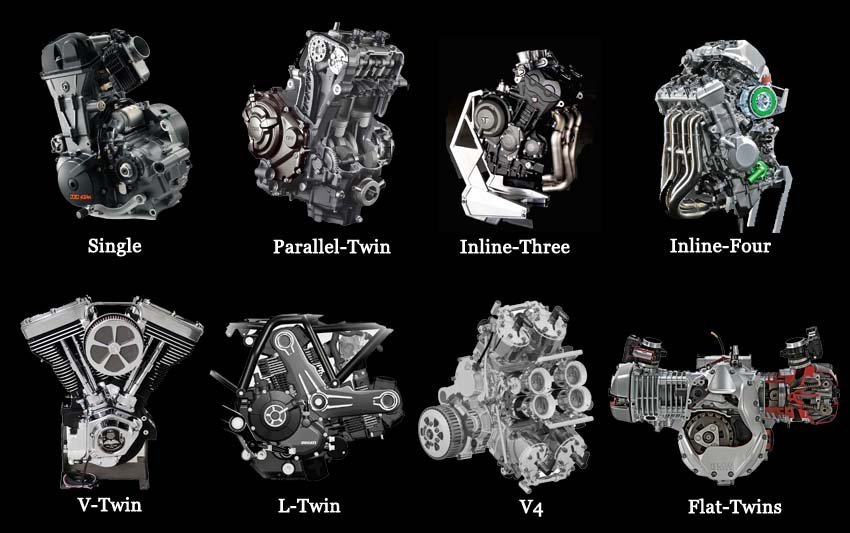
- Inline-Four
- V Twin
- Flat-Twins / Boxer configuration
- Single
- Inline-Threes
Besides engine displacement, engine configuration is another important factor to consider when deciding which motorcycle to buy.
Motorcycle engine configuration refers to the arrangement of the cylinders. Most people prefer lower-cost components, such as easy-to-maintain twin-cylinder or single-cylinder engines. For example, the twin-cylinder engine in the Honda CB500X.
What happens if you increase the number of engine cylinders? In this case, we need to understand the layout of four-stroke engines to identify the various engine configurations available for motorcycles.
In this section, I will introduce five of the most common engine configurations.
Inline-Four:
These are the most common engine layouts. In these layouts, 2 to 6 cylinders are arranged in an inline configuration.
Inline four-cylinder models feature smaller engines that can be installed in confined spaces, such as in sport-designed motorcycles.
A unibody casting process is used in their manufacturing to ensure a smooth and comfortable riding experience.
The cylinders and pistons are located on two separate rows, forming an elongated V-shape.
This reduces the engine's weight and length.
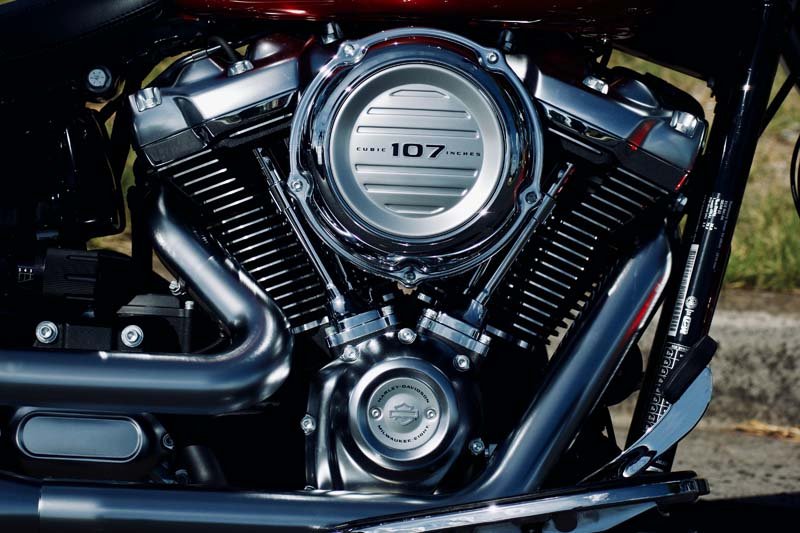
V-twin engines are most commonly used in cruiser motorcycles and racing cars due to their superior handling. They are among the most popular engines in North America.
The single crankshaft makes it possible to mount cylinders on both sides, creating a dual-row cylinder configuration. This design offers excellent balance, powerful output, and an extremely low center of gravity.
BMW motorcycles are renowned for their unique horizontally opposed twin-cylinder engine (Boxer Twin), and have a large and loyal following who exclusively endorse BMW motorcycles.
These engines have a simple structure, making them inexpensive to manufacture and maintenance-free.
They are lightweight and can be used in a variety of off-road motorcycles, including dual-purpose motorcycles and motocross bikes. They are also a popular choice for manufacturers looking to apply them to small-displacement scooters and entry-level motorcycles.
Inline-Threes:
It's like a parallel twin engine; however, it is equipped with one additional engine.
They aren't able to reach speeds but they do generate plenty of torque in the middle and lower RPM's which is why they are ideal roads bikes.
I hope this brief overview of the motorcycle engine's design will help you understand the fundamentals.
8 Main Different Types of Motorcycle Engines [2025 Update]
Why is it vital to be aware of the different dimensions and formats?
It is possible that you are interested to learn the motive for knowing more about various sizes of motorbike engines and the significance of each when searching for a motorbike.
Understanding how a vehicle's engine size is closely related to its load capacity is crucial. For example, larger motorcycles typically have larger engines, and there's a wide variety of displacements and engine types.
However, smaller motorcycles have smaller load capacities, which can affect your riding performance.
Motorcycles come in a wide variety of sizes. With technological advancements and other technological progress, designing larger and more efficient motorcycles than ever before has become imperative.
In developed countries, large-displacement motorcycles are more popular and therefore more favored by riders. While these large-displacement motorcycles are more expensive, as consumers, we are willing to pay for better performance.
In some emerging countries, such as in Asia and India, people use motorcycles with even larger displacements and heavier weights, but these motorcycles are expensive for many riders. For example, 300cc motorcycles are popular in these emerging countries because the vast majority of people have the financial means to purchase one.
In contrast, in the United States, 300cc motorcycles are among the least popular displacements.
Harley Davidson
Harley-Davidson motorcycles currently offer engine displacements based on the type of engine used, including the Twin Cam, Evolution, and Revolution engines. The Evolution engine has a displacement of 883 cubic inches.
In recent years, the displacement of the Twin Cam model has increased significantly, reaching 103 cubic inches. This is because some models boast a displacement as high as 1584 cubic centimeters, a considerable size. The Revolution model, on the other hand, has a displacement of 69 cubic centimeters.
Regarding the usage and popularity of these engines, it's worth noting that the 2147cc street engine, developed in-house by Harley-Davidson, is currently among the most highly regarded in its models.
More About Harley Davidson
Indian Motorcycle Company
Indian Motorcycle Company was founded in 1901. Indian offered a range of models, including the FTR 1200, FTR 1200 S, Scout, Chief Classic, Springfield, Chieftain, and Roadmaster. The FTR 1200 and FTR 1200 S were equipped with a 1203 cc V-twin engine.
The Scout series consisted of three models: the Scout Sixty and Scout Bobber. Both the Scout Sixty and Scout Bobber were equipped with a 1130 cc liquid-cooled twin-cylinder engine.
The Chief Dark Horse series included the Indian Chief Classic, Indian Chieftain, Indian Roadmaster, and Indian Springfield. All of these models were powered by the same 1811 cc V-twin engine.
Honda Motorcycles
Honda Motor, located in Japan, produces high-quality motorcycles and engines. Honda models include the CBR600RR Gold Wing, Africa Twin, CRF450L, Fury, Super Club, and Metropolitan, as well as many other impressive models.
The CBR600RR has a 599cc engine, while the Gold Wing boasts a massive 1833cc engine, three times that of the CBR600RR. The CBR600RR uses a liquid-cooled six-cylinder engine.
Notably, the Africa Twin has a 1084cc engine with a parallel twin-cylinder configuration, making it one of the most powerful motorcycles on the market today, offering an exhilarating riding and adventure experience.
The Honda CRF450L dual-purpose motorcycle features a 449cc engine, perfect for off-road riding and meeting your needs!
The Honda Fury, equipped with a 1312cc V-twin engine, is a completely new model.
Suzuki
Suzuki Motors is considered to be one of the most reliable and famous motorcycle manufacturers. They have a wide range of sizes of engines, such as Suzuki Hayabusa 1340cc, Suzuki GSX R1000R, Suzuki GSX 1000R, Suzuki SV650, GSX S750Z ABS, Suzuki Boulevard M109R, and Suzuki Burgman 200, etc.
The Suzuki Hayabusa has an engine that's 1350cc, while the Suzuki GSX-R1000R comes with an engine that's 999.8-cc.
Furthermore, there is it is worth noting that the Suzuki GSX-S1000F features a liquid-cooled engine, while the Suzuki GSX-S750Z ABS has an engine that's fuel-injected, with 749 cc.
Suzuki SV650 comes with an engine capacity of 645cc and is a four-stroke engine.
Suzuki Boulevard M109R has an impressive engine that has 1783 cubic centimeters. whereas the Suzuki Burgman comes with a 200cc one-cylinder engine.
Kawasaki
Kawasaki Motorbikes is a highly respected Japanese company. They produce a variety of bikes that come in a range of engine sizes.
Three of the best Kawasaki models include the Kawasaki Ninja H2 (Famous motorcycle in movie Top Gun), the Kawasaki Vulcan S and The Kawasaki Ninja 400. Kawasaki's Vulcan S has a 649-cc para-parallel-twin engine, whereas the Kawasaki Ninja 400 has a 399-cc liquid-cooled engine. However, Kawasaki has also produced off-road bikes with engines smaller than 300 cubic centimeters.
With their vast selection of sizes for engines, Kawasaki is one of the most well-known and well-loved brands of motorcycles on the market.
Yamaha
Yamaha Motorcycles introduced its first motorcycle in 1955. It introduced various types of models that differ in their capacity for displacement and dimensions. Some of these models are the Yamaha YZ125, Yamaha 250, Yamaha V Star, Yamaha bolt, Yamaha Tracer, and the Super Tenere.
Yamaha YZ125 and Yamaha YZ250 are among the top dirt bikes. There are also models with engines that range between 79 and 510cc.
The Yamaha V Star 250 has an engine displacement of 249 cubic centimeters. However, the Yamaha bolt has an engine capacity of 942 cubic centimeters.
Yamaha Tracer 900 is one of the most affordable touring bikes that has an engine capacity of 847cc.
The TW200 is one of those off-road motorbikes. It has an air-cooled 196-cc motor. This Super Tenere has an engine capacity of 1199 cubic centimeters. It's an engine with a liquid cooling system and features the parallel-twin configuration.
KTM
KTM or Kraftfahrzeuge Trunkenpolz Mattighofen introduced their first motorcycle in 1952.
The 400 EXC has an engine displacement of 398 cc. The 450 SX is fitted with an engine of 449 cc.
KTM 65 SX is a single-cylinder engine that is liquid-cooled, with a displacement of 65cc. The KTM 200 Duke has an engine that is 199.5 cubic centimeters.
KTM 250 Adventure has a displacement of 248.76 cc
KTM 890 Adventure is equipped with an engine displacement of 889cc. The 390 Adventure has an engine capacity of 373cc. The 790 Adventure R with an engine displacement of 799cc.
BMW Motorrad
BMW Motorrad offers a wide range of motorcycles available in a range of motor sizes.
BMW R1200C models have the Air-cooled engine. It has the oil-cooled Boxer twin-cylinder configuration. The capacity of 1170cc is very unique.
BMW's latest model with the capacity of 999cc displacement, or engine capacity and a brand new engine. BMW has launched the 1800-powered engine. It's part of the R18 and is the most powerful Boxer engine.
Royal Enfield
If you're a lover of bikes, it is likely that you've at least often been stunned by the breathtaking beauty of the Royal Enfield. This is apparent in the renowned dimension of this engine, which is produced through Royal Enfield super compatible 350-cc. RE Himalayan has a 411cc engine.
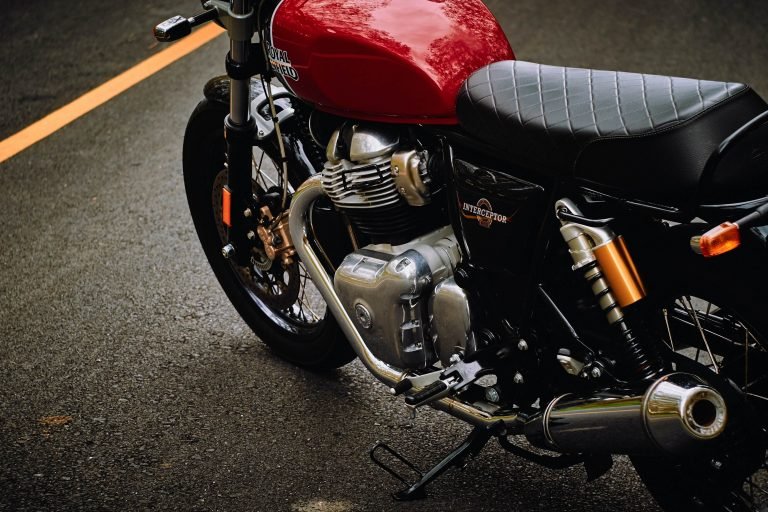
RE Interceptor as well as RE Continental GT made use of the latest engine, which is 650cc and comes with 8V and the parallel-twin configuration.
Which are these Popular Motorcycle Engine Sizes?
The three primary dimensions of engines that are most popular are:
- 600cc
- 850cc
- 1000cc
In motorbikes, engine displacement is available in various dimensions and frequencies across various motorcycles. Therefore, it can be measured by cubic centimeters.
Harley Davidson and Indian Motorcycles have their engines measured in cubic inches, called C U.
What size motorcycle engine do I need?
How big should your motorcycle engine size be? It really depends on what kind of riding you're planning on doing and how much experience you've got.
- Newbie or just cruising around town: Think 125cc to 500cc. These smaller engines are easier to control, not too heavy, and pretty forgiving when you're still learning the ropes.
- Want a bit of everything (city and highway, maybe a longer trip now and then): A sweet spot is somewhere between 500cc and 750cc. You'll have enough power to handle highway speeds without feeling like you're wrestling a beast.
- Been riding for a while or planning some serious long-distance adventures/sport riding?: Then you're probably looking at 750cc and up (even over 1000cc). You'll get that extra power and torque, but keep in mind these bikes are heavier and demand some skill.
Also, it's worth thinking about how tall you are, how comfy you feel on different bikes, what you'll mostly be using the bike for (like getting to work, hitting the highway, or big trips), and just how confident you are riding.
What size engine is street legal?
There’s no universal “engine size that’s always street-legal” — it depends on where you live and whether the bike meets all legal requirements (lights, registration, license, etc.).
In the U.S.:
- Very small-engine bikes (often ≤ 50 cc) may be classed as a “moped” or “motor-driven cycle.” Those sometimes require only a regular driver’s license (or a minimal permit), not a full motorcycle license.
- Once the engine displacement goes above that small-cc threshold (varies by state but often 50–150 cc), the bike is treated as a “motorcycle.” That means it needs proper registration, a full motorcycle license or endorsement, and all required safety features.
Can I put a bigger engine on my motorcycle?
Yes, you can put a bigger engine on a motorcycle, but there are a lot of practical and legal complications to consider.
Here’s a quick breakdown of the issues:
- Mechanical fit: That beefier engine might not actually fit in your bike's frame. Things like how it's mounted, lined up, the wires, where the exhaust goes, how it cools down, and even the suspension might need a total redo.
- Safety and handling: More powerful and weight engines will change how your bike acts. Think about steering, braking, and keeping your balance. If you don't upgrade the brakes or suspension, you could be riding a death trap.
- Legal / emissions laws: In the U.S., what counts as a “replacement” engine is regulated. Swapped engines must meet emissions standards and often need re-certification or inspection.
- Insurance/registration: Changing your engine size might change how your insurance company or the DMV sees your bike. If you don't tell them about the change, you could end up without insurance or riding illegally.
In short, it is possible to put a bigger engine on your motorcycle. But it’s usually much simpler, safer, and more legally clean to buy a bike that already has the engine size you want. If you consider an engine swap, make sure you check local laws, emissions compliance, and real mechanical compatibility first.
What size motorcycle engine for beginners?
For beginners, motorcycles with engine displacements ranging from 250cc to 500cc are the best choice.
- 250cc-300cc motorcycles are very lightweight and easy to handle. These are ideal for beginners who need to commute in the city and learn basic riding skills.
- 400cc-500cc motorcycles provide sufficient power for comfortable high-speed and long-distance riding, while also being relatively beginner-friendly.
- Also, consider the engine configuration. Twin-cylinder engines offer more predictable power output than high-revving inline four-cylinder engines of the same displacement, making them more beginner-friendly.
Which motorcycle engine lasts the longest?
Among motorcycle engines, those renowned for durability are often… Honda's four-stroke multi-cylinder touring motorcycle engines, such as those found in the Gold Wing series.
The engine in the Honda CB750 (one of the earliest "superbikes") has established a reputation for longevity when used carefully. Similarly, the Yamaha MT-07's medium-sized parallel-twin engine is widely praised for its smooth and durable performance over tens of thousands of miles.
Therefore, Honda and Yamaha engines, if properly maintained, often have a longer lifespan than many of their competitors.
These engines are known for their exceptional performance, with lifespans exceeding 250,000 miles, some even reaching 300,000 miles or more, thanks to their meticulously designed, robust engines that operate reliably within their performance limits.
What are the common motorcycle engine sizes available in the US?
In the US market, motorcycle engine displacements range widely, from very small 50cc scooters to large cruiser or superbike engines exceeding 1000cc. These different displacements cater to various riding styles and experience levels. Mid-size motorcycles (around 600-750cc) are particularly popular because they strike a good balance between power, comfort, and handling.
Here are some common engine-size categories you’ll see:
Which motorcycle brands offer models with engine sizes between 500cc and 750cc?
Many well-known motorcycle brands offer models with engine displacements between 500 cc and 750 cc. Here are some famous models:
Which companies manufacture motorcycles with engines larger than 1000cc?
Many major motorcycle manufacturers produce models with engines larger than 1000cc, offering everything from high-performance superbikes to large touring and cruiser bikes. These larger engines are found in a wide variety of bike types, from Japanese sportbikes to American cruisers and European adventure tourers.
How does engine size affect motorcycle insurance rates in the US?
In the US, a motorcycle's engine size (CC) directly impacts insurance rates: larger engines generally mean higher premiums. Insurers view powerful bikes as higher risk due to their speed potential and the increased chance of severe accidents and expensive repairs.
- Bigger is Riskier: Bikes over 1000cc often have significantly higher premiums than those under 500cc.
- Smaller is Cheaper: Smaller, beginner-friendly engines are seen as safer and cost less to insure.
While engine size is key, factors like your riding record and location also influence the final cost.
What are the advantages of a 650cc motorcycle engine versus an 800cc?
Here’s a quick comparison — why a 650 cc motorcycle engine can have advantages over an 800 cc:
✅ Advantages of a 650 cc engine
- It offers a good balance of power and manageability — enough for highway and city riding without being overwhelming.
- Because 650 cc bikes often weigh less than larger-displacement ones, they’re easier to handle in traffic, at low speed, and for everyday commuting.
- They tend to be cheaper to buy, insure, maintain, and operate (fuel, insurance, upkeep) compared with bigger bikes.
- Their power delivery tends to be smoother and more forgiving — easier for less experienced riders or those who prefer relaxed, predictable performance.
In short: a 650 cc engine gives you enough performance for commuting or moderate touring, while staying lighter, cheaper, and easier to ride than an 800 cc — a nice “middle ground.”
Which motorcycle models have the most powerful engines under 600cc?
Here are some of the motorcycle models with the most powerful engines under (or just around) 600 cc. They combine compact displacement with high output and rev-hungry inline-fours:
- Yamaha YZF-R6 — a legendary 599 cc inline-4, often delivering around 116–118 hp @ high RPM.
- Suzuki GSX-R600 — 599 cc inline-4, offering strong high-rpm power that makes it a respected 600-class track bike.
- Honda CBR600RR — 599 cc inline-4 sportbike, a classic “middleweight superbike” known for balance of power, handling and versatility.
Conclusion
For engines, bigger isn't always the best. The more horsepower a motorcycle has, the more experienced and experienced you must be about operating it properly. Motorbikes are fun and liberating and can bring you on an adventure. But they are hazardous and could result in the death of a patient or even hospitalization. It is vital to keep the highest standards that is safe and respectful for not only your bicycle as well as the motorists and on the road.
It is important to have experience because you'll be able to improve your skills by using a bike that is safer. It is easier to control and master. The likelihood is higher that you will be able to get out of an accident without much effort. It is less likely you'll get at fault for an incident at all. Beyond the engine's size, it is equally important to make sure you have the proper maintenance of your motorcycle.
Make sure you have the correct bike. Start slow and don't allow your pride to hinder your cycling. In the event of a crash, your bike can cause damage to both yourself and the bicycle. You have plenty of time to improve and learn about your bike. It's better to start small, but then move towards the next level, instead of beginning with a big bike, and then end up stopping there.

With over 10 years of experience working on cars and trucks Item Training Supervisor Richard Reina is known around the office as one of our technical experts & real an "automobile person".
His rate of interest began, in his very own words, "at the age of two when his father educated him the distinction in between a Chevy and a Ford. Since then it's been cars regularly."
As a serious lover of practically all things with a motor Richard can address nearly any kind of inquiry related to car upkeep, fixing, or restoration & is a fact professional in electric motor background.
Subscribe
0 Comments
Oldest
You maybe like to read:
Best Adventure Bikes for Beginners (2026 Guide)
Adventure motorcycles, often called ADV bikes, are built to take you from smooth highways to rough backcountry trails. For new riders, picking the best adventure bikes for beginners can make all the difference. The right machine turns highways, gravel roads, forest tracks, and remote trails into places you actually want to explore, while the wrong […]
Best Motorcycle Intercom for Group Rides (2–20 Riders)
Riding in a group is thrilling, but without clear communication, even the best rides can turn chaotic. That’s where motorcycle intercom systems come in, letting you talk with your group, share GPS directions, listen to music together, and stay safer on the road. Whether you’re riding with a single friend or leading a pack of […]
Budget Motorcycle Intercoms from Fodsports: Honest 2026 Picks
I’ve used premium intercoms and budget ones on the same roads, in the same weather, on long touring days. The truth? Most riders don’t need a $400 system. Most riders still need the same basics: clear rider-to-rider talk, stable Bluetooth, and batteries that last a full day on the road. In 2026, budget motorcycle intercoms […]
2026 Best Motorcycle Intercom for Beginners from Fodsports
What is the best motorcycle intercom for beginners? If you’re a new rider, the idea of adding another piece of tech to your helmet can feel overwhelming. I’ve been using motorcycle intercoms for years—on solo rides, long tours, group trips, and daily commutes—and I’ll tell you this upfront: A beginner motorcycle rider doesn’t need the […]
Mesh Intercom vs Bluetooth Intercom: Which Motorcycle Communication System Is Better?
Mesh Intercom vs Bluetooth: Which Motorcycle Communication System Is Better? Mesh intercoms are best for riders who travel in groups because they automatically reconnect and stay stable, while Bluetooth intercoms are better for solo riders and two-up riding due to lower cost and simpler operation. As someone who both wrenches on bikes and rides long […]