The motorcycle communication systems field just got a significant upgrade with the release of the Fodsports FX7. This state-of-the-art Bluetooth mesh intercom is packed with many advanced features and techs. It will revolutionize the way riders communicate and enjoy their rides. Whether you're a solo rider or part of a group, the FX7 offers unparalleled […]

Easy Rider Motorcycle Trip: Exploring Iconic Routes and Classic Choppers
May 18, 2026
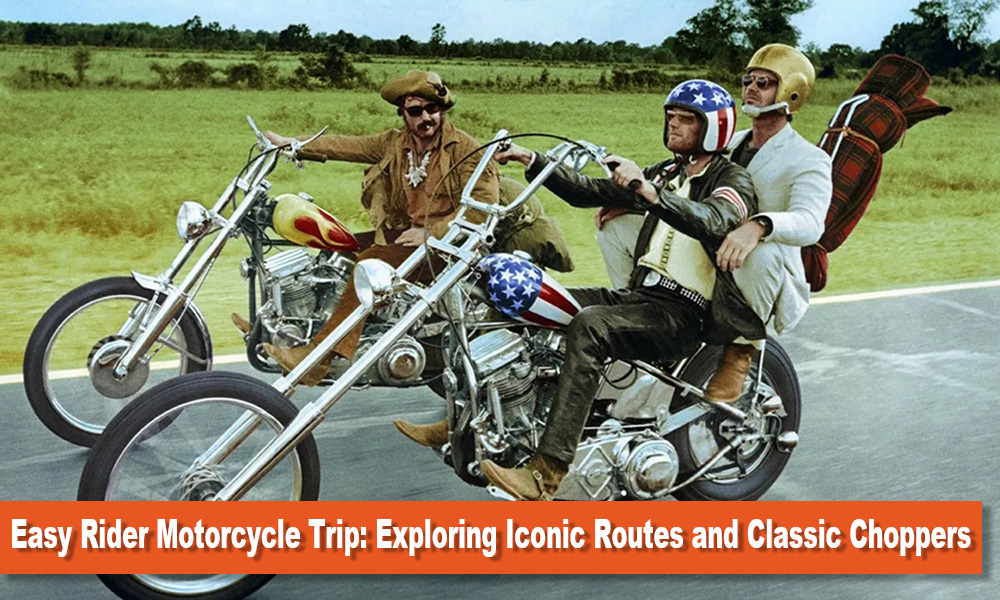
Few films capture the spirit of the open road like Easy Rider (1969). It’s more than a movie—it’s a manifesto of freedom, rebellion, and the motorcycle lifestyle that has inspired generations of riders. With its iconic choppers, breathtaking American landscapes, and counterculture undertones, Easy Rider helped define what it means to be a motorcyclist chasing the horizon. For riders today, the film offers both inspiration and practical lessons in long-distance travel.
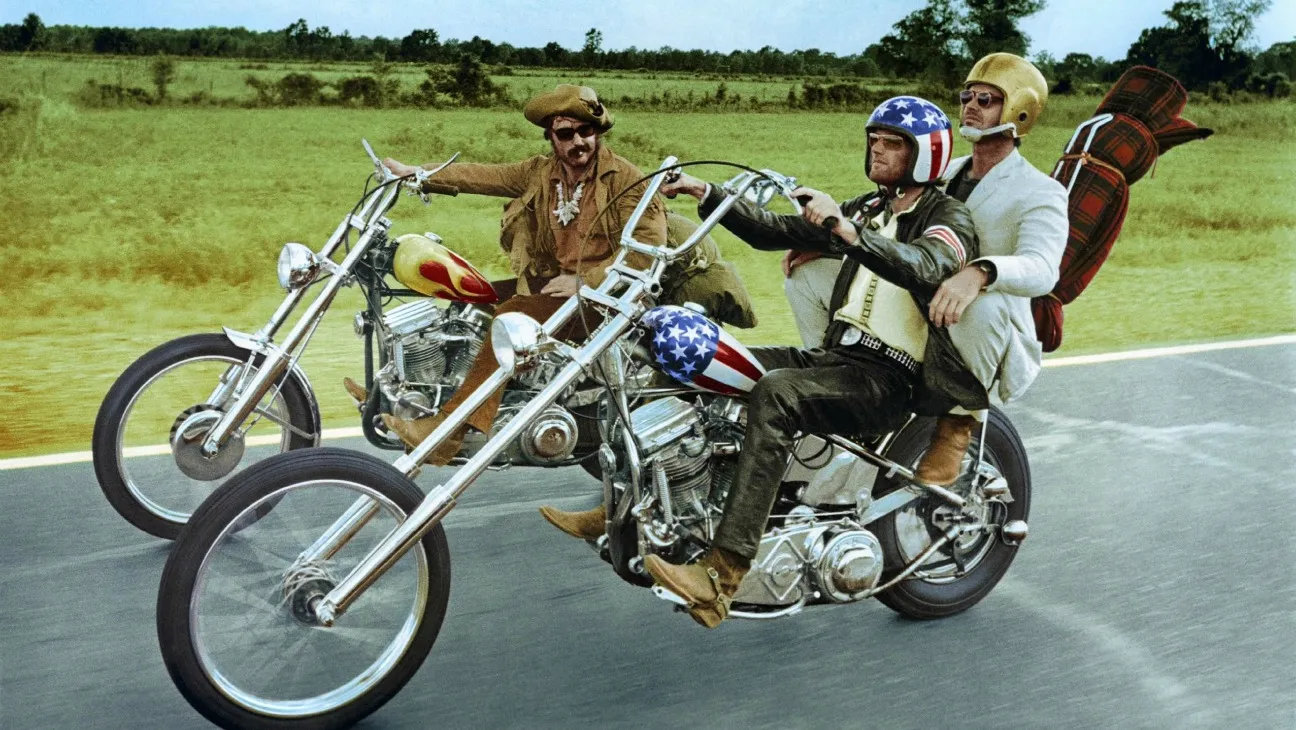
Whether you’re a weekend cruiser or planning a cross-country adventure, understanding the Easy Rider legacy is essential for appreciating American motorcycle culture. From the motorcycles themselves to the roads they conquered, this guide will dive into every aspect a rider should know, with tips, trivia, and insights to make your ride safer and more enjoyable.
Table of Contents
🏍️ Easy Rider Motorcycles: Choppers and Their Legacy
When talking about Easy Rider, you can’t skip the bikes. The film’s stars weren’t just riding motorcycles—they were riding symbols of freedom.
🛠️ Peter Fonda’s “Captain America” Chopper
Peter Fonda’s bike, famously dubbed the “Captain America” chopper, is arguably the most recognizable motorcycle in cinematic history. With its elongated front fork, flashy red-white-and-blue gas tank, and minimalist seat, it’s the archetype of the 1960s custom chopper.
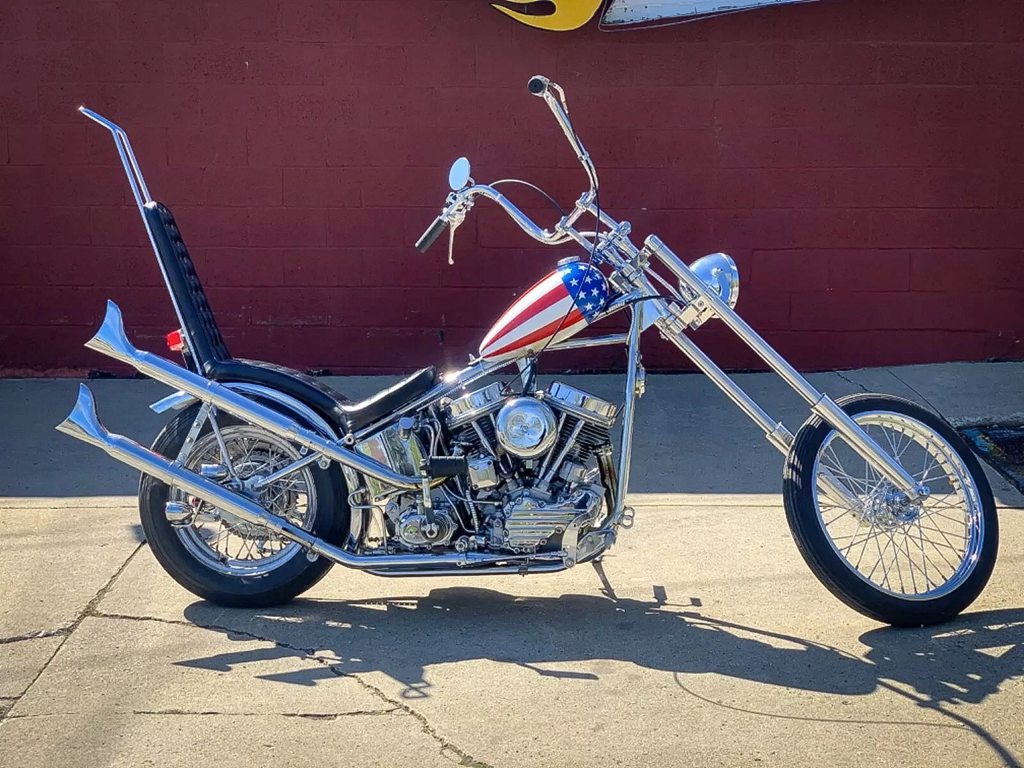
Peter Fonda’s “Captain America” Chopper
The bike wasn’t just for looks. Its rigid frame and narrow front end made it challenging to handle, especially on twisty roads. Riders today can appreciate that Fonda wasn’t just acting like a rebel—he was physically riding one. The “Captain America” chopper cemented the chopper as a symbol of nonconformity and individual expression in American motorcycle culture.
🛠️ Dennis Hopper’s Chopper
Dennis Hopper’s bike was a darker, more aggressive counterpart to Fonda’s patriotic machine. It had a slightly shorter fork and a lower stance, giving it a more grounded look. Mechanically, it wasn’t too different, but aesthetically it represented a different kind of countercultural identity—tough, gritty, and unafraid to challenge norms.
For riders, Hopper’s chopper shows that motorcycle culture is not just about speed—it’s about personality. Your bike says something about you, whether it’s minimalist, flashy, or customized for comfort on long trips.
🛠️ Classic Chopper Culture
“Chopper” itself refers to a motorcycle that has been stripped down and rebuilt to a personal specification. After Easy Rider, choppers became synonymous with freedom and rebellion. Today, modern riders may not always ride extended forks or hardtails, but the principle remains: customization allows the rider to shape their machine to reflect their individuality, personality, and riding style.
Even if you prefer a touring bike or sport bike, appreciating the chopper philosophy can enhance your ride. After all, motorcycles are about freedom—and a little flair never hurt anyone.
🌄 Filming Locations and Iconic Routes
Part of what makes Easy Rider legendary is its setting. The film practically serves as a love letter to the American landscape. For riders today, retracing these routes can feel like a pilgrimage.
🏜️ Louisiana and Texas Countryside
The film opens in the deep south, capturing the Louisiana and Texas countryside. Wide highways, flat farmland, and small towns set the tone for freedom and exploration.
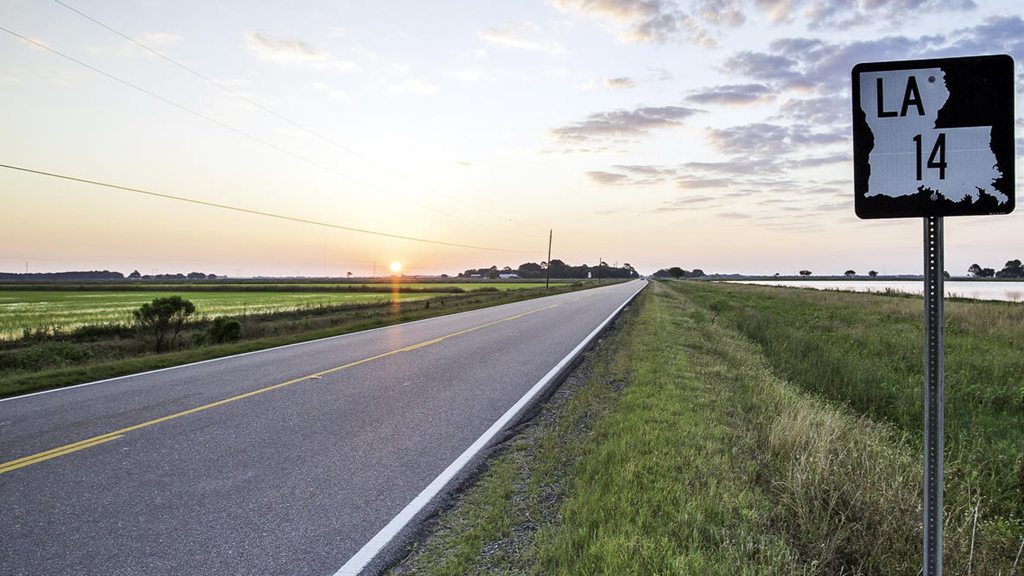
For modern riders, these stretches are mostly straightforward highways, but watch out for sudden weather changes—southern thunderstorms come fast and leave faster. These roads also give a taste of long stretches without stops, perfect practice for pacing yourself on multi-day trips.
🌉 New Mexico and Arizona Landscapes
As the journey moves west, the deserts of New Mexico and Arizona provide dramatic backdrops. Sparse traffic, long straightaways, and endless horizons make these roads a motorcyclist’s dream—but desert riding has its own challenges. Temperatures can swing drastically, and road surfaces vary from smooth asphalt to patched-up highways.
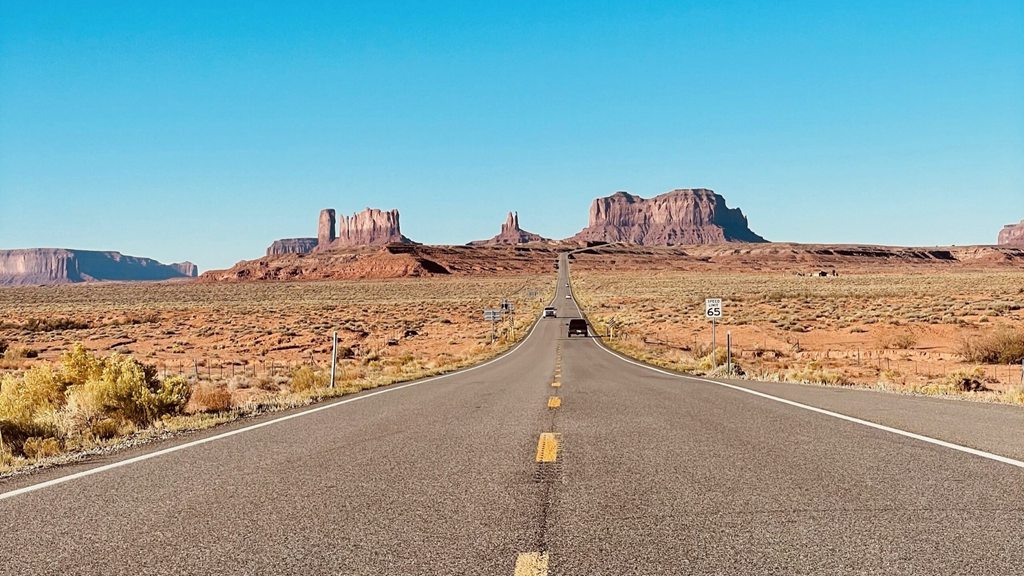
Tip for riders: Hydrate often, plan fuel stops, and remember that long straight roads can be deceptively tiring. Even the most experienced riders can zone out after miles of nothing but sand and sky.
🏖️ California Coast and Santa Monica
The film concludes along California’s western edge, including Santa Monica. Here, coastal highways, rolling hills, and ocean views dominate the scenery. Modern riders can replicate parts of this experience on the Pacific Coast Highway (Highway 1), but be prepared for tourist traffic in peak season.
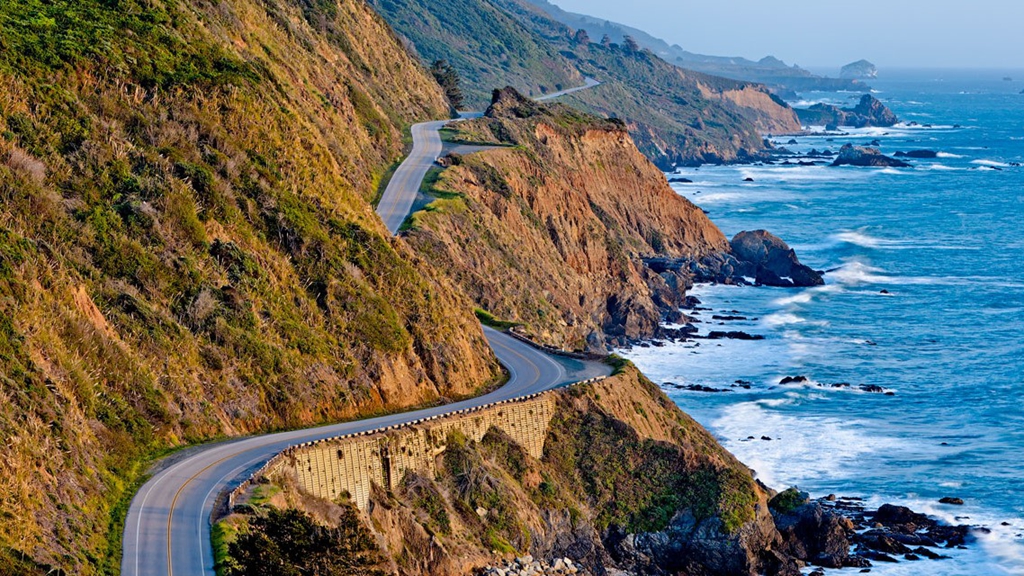
California stretches remind riders of one truth: the scenery may be beautiful, but don’t let it distract you from the road. That cliff edge isn’t going anywhere… and neither is your bike, if you respect it.
🛣️ Easy Rider Legacy in American Motorcycle Culture
The cultural impact of Easy Rider extends far beyond the screen. It shaped how Americans view motorcycles, long-distance trips, and the open road.
🏁 Popularizing Motorcycle Touring
Before the film, motorcycles were often seen as urban machines or tools for local travel. Easy Rider helped popularize touring and long-distance rides, inspiring riders to explore highways across the country. Many routes featured in the film became unofficial pilgrimage paths for riders seeking a taste of freedom.
🌐 Motorcycling and Counterculture
The film wasn’t just about the bikes—it was about rebellion, identity, and living life on your terms. Motorcycle culture in the late 1960s merged with counterculture movements, and the influence is still visible today. Long-distance rides, group rallies, and custom bike shows all trace roots back to this ethos.
🗺️ Tips for Modern Riders Inspired by Easy Rider
- Plan multi-day trips: Don’t try to cover too much in one day. The open road is best savored.
- Prioritize safety: Helmets, gloves, and appropriate gear are essential, even if the film glamorized bare arms and cigarettes.
- Study your route: Even a “free spirit” needs a plan for fuel, food, and lodging.
- Ride your own ride: Take inspiration from the film, but adapt it to your comfort, skill level, and machine.
⚠️ Common Mistakes and Challenges for Riders
Even seasoned riders can stumble if they underestimate the practical demands of a long-distance trip:
- Chasing the thrill: Riding fast on unfamiliar roads increases risk.
- Ignoring weather: Desert heat, coastal fog, and sudden thunderstorms all demand preparation.
- Neglecting bike maintenance: Long rides expose mechanical weaknesses. Pre-trip inspection is critical.
- Overpacking: Extra weight can make handling a motorcycle difficult, especially on choppers or minimalist bikes.
- Fatigue: Long hours on the seat require frequent rest and hydration.
❓ Frequently Asked Questions
What type of motorcycles were used in Easy Rider?
Peter Fonda rode the “Captain America” chopper, while Dennis Hopper had a darker, lower-profile chopper. Both were customized Harley-Davidson frames modified for long-distance travel and style.
Can I visit the filming locations today?
Yes. Many rural roads in Louisiana, Texas, New Mexico, Arizona, and California remain accessible. Modern riders can trace parts of the route, though traffic and road conditions have changed since the 1960s.
How did Easy Rider influence American motorcycle culture?
It popularized long-distance touring, inspired custom motorcycle design, and solidified the motorcycle as a symbol of freedom and individuality.
What are good routes for riders inspired by the film?
- Pacific Coast Highway, California
- Route 66 for cross-country nostalgia
- Texas Hill Country for scenic southern riding
🏁 Conclusion: Riding in the Spirit of Easy Rider
Easy Rider remains a touchstone for American motorcycle culture. It teaches riders that the open road is about freedom, exploration, and self-expression—but also that preparation, respect for the machine, and awareness of your surroundings are non-negotiable.
For modern riders, retracing parts of the film’s journey is more than a tribute—it’s a chance to experience the thrill, beauty, and challenges that make motorcycling such a unique way to travel. Grab your helmet, plan your route, and ride your own story—just remember to check the weather and fuel levels before you hit the next horizon.

Rodney L is a technical writer and product consultant with over a decade of experience in the motor industry. Rodney is a fan of performance machines that run fast and loud and an expert in all things custom. His numerous articles and write-ups are available at our knowledge base. Whether it’s something wrong with your motorcycle or you are building a custom bike, you can trust Rodney’s experience.
You maybe like to read:
Fodsports Brand Month: Unbeatable Deals and Top-Notch Service
Discover Fodsports Brand Month July and August mark a special occasion for motorcycle enthusiasts and tech lovers alike. Welcome to Fodsports Brand Month! This event is dedicated to celebrating everything that makes Fodsports a leading name in the motorcycle communication industry. Get ready for a fantastic promotions, exceptional service from Fodsports. Let's insights into Fodsports' […]
Cherohala Skyway Tennessee and North Carolina: Fall Motorcycle Riding Guide
Few motorcycle roads in the Southeast combine elevation, open mountain views, and flowing curves quite like the Cherohala Skyway. Stretching about 43 miles between Tellico Plains, Tennessee, and Robbinsville, North Carolina, the National Scenic Byway climbs from lower valleys to elevations above 5,000 feet before crossing the Appalachian high country. In fall, the ride becomes […]
10 Best Autumn Motorcycle Routes in Europe: Scenic Roads, Fall Colors and Riding Tips
🍂 Why Autumn Is One of the Best Seasons for a European Motorcycle Road Trip Europe becomes a completely different riding destination in autumn. Alpine forests turn gold, mountain valleys develop deeper colors, vineyards become vibrant, and many popular roads become quieter after the summer peak. For motorcycle travelers, the biggest advantage is variety. In […]
Pig Trail Scenic Byway Arkansas in Fall: Motorcycle Riding Guide
Winding through the Boston Mountains, the Pig Trail Scenic Byway is one of Arkansas's most enjoyable fall motorcycle routes. AR-23 combines tight mountain curves, dense hardwood forests, and the Mulberry River, creating a ride where the road itself is part of the scenery. In autumn, the Ozarks become even more impressive as the forest changes from […]
Tunnel of Trees Michigan in Fall: Motorcycle Riding Guide
Red and gold forests, winding roads, and glimpses of Lake Michigan make the Tunnel of Trees in Michigan a memorable fall motorcycle destination. The roughly 20-mile M-119 route between Harbor Springs and Cross Village is best enjoyed at a relaxed pace, with plenty of time for scenic stops. Planning a ride in 2026 requires extra attention, […]