The motorcycle communication systems field just got a significant upgrade with the release of the Fodsports FX7. This state-of-the-art Bluetooth mesh intercom is packed with many advanced features and techs. It will revolutionize the way riders communicate and enjoy their rides. Whether you're a solo rider or part of a group, the FX7 offers unparalleled […]

Pacific Coast Highway Motorcycle Trip Guide for Riders
May 14, 2026
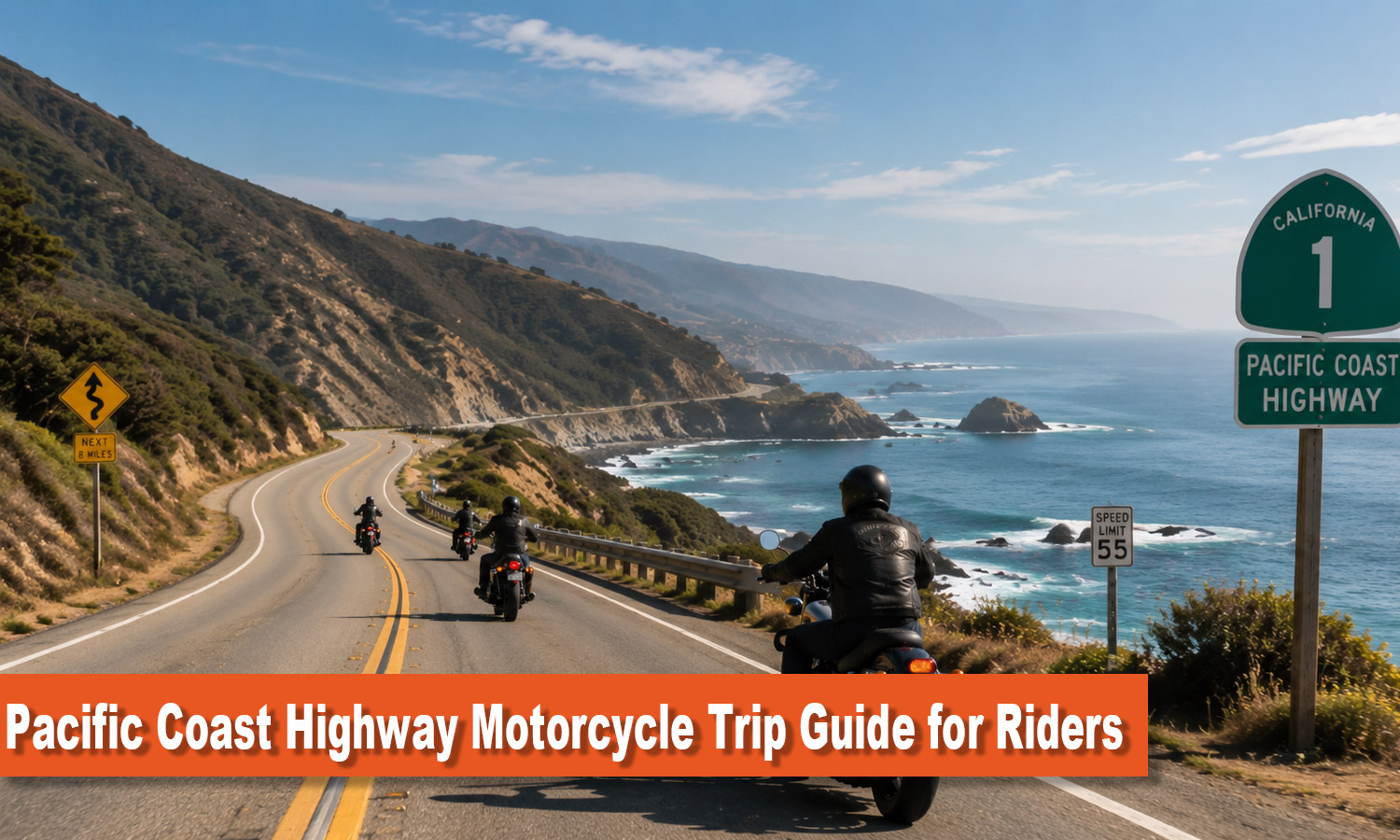
The Pacific Coast Highway (PCH) is one of the most iconic motorcycle routes in the United States. Stretching along the California coastline for over 650 miles, it offers a unique combination of challenging curves, elevation changes, and breathtaking ocean views. For motorcyclists seeking a multi-day ride, thorough planning and preparation are key to a safe and enjoyable experience. This guide covers route overview, essential gear, recommended stops, suggested itineraries, common mistakes, and FAQs for riders planning a Pacific Coast Highway adventure.
Table of Contents
🌊 Overview of the Pacific Coast Highway
The Pacific Coast Highway, or Highway 1, runs from Orange County in the south to Mendocino County in the north. The route is famous for its diverse landscapes, including:
Coastal cliffs with panoramic ocean views
Rolling hills and winding mountain roads
Seaside towns with biker-friendly services
Forested stretches with challenging corners
Riders should be prepared for variable weather conditions, as fog, wind, and temperature changes are common along the coast. The highway offers both technical riding challenges and stunning scenery, making it suitable for experienced riders and those comfortable with long-distance touring.
🧰 Essential Gear for a PCH Motorcycle Trip
Successful navigation of the Pacific Coast Highway requires more than skill—it requires the right gear.
🛡️ Protective Riding Equipment
Helmet: A DOT or ECE-certified helmet is mandatory. Full-face helmets provide the best protection against wind, debris, and weather changes.
Jacket and Pants: Armored jackets and riding pants protect against abrasion and impact. Layering is recommended for temperature variation.
Gloves and Boots: Durable gloves with knuckle protection and ankle-support boots are essential for long rides.
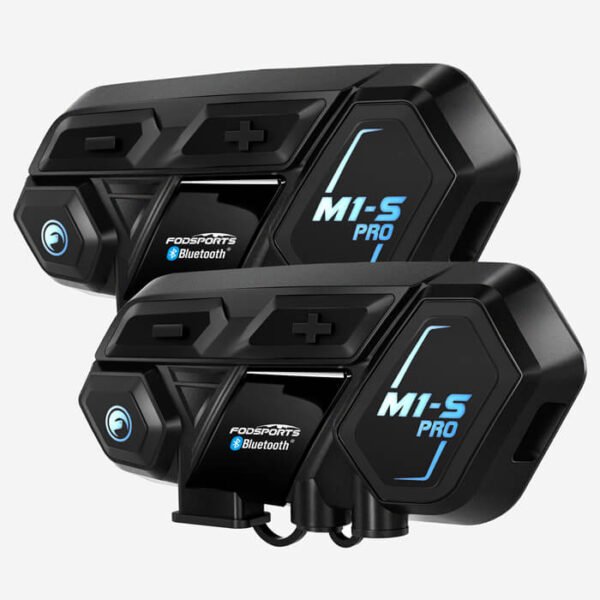
M1S Pro Bluetooth Intercom Headsets
Price: $89.99 $139.99
Code:
Limited Time Promo! Extra 10% Off Code! Save Now!
DJOW9
Support up to 10 Riders Group Talk, 2000 Meters Distance!
High Quality sound, IP65 waterproof.
Compatible with Fodsports Connect APP
Let's Go!
High Quality sound, IP65 waterproof.
Compatible with Fodsports Connect APP
Let's Go!
36%
OFF
OFF

🔧 Motorcycle Maintenance Essentials
Tire repair kit and spare tubes
Chain lubricant and multi-tool
Extra bulbs and fuses
Emergency first-aid kit
💦 Hydration and Supplies
Long stretches of the PCH can be remote. Carry water, snacks, and small personal items in easily accessible luggage. Proper hydration and nutrition are critical for maintaining focus on winding roads.
🏖️ Key Stops and Scenic Highlights
The PCH offers countless points of interest. Here are some notable stops along the route:
🌉 Golden Gate Bridge (San Francisco)
A must-visit landmark for riders starting or ending in San Francisco. The bridge provides iconic photo opportunities and a chance to prepare for urban riding traffic.
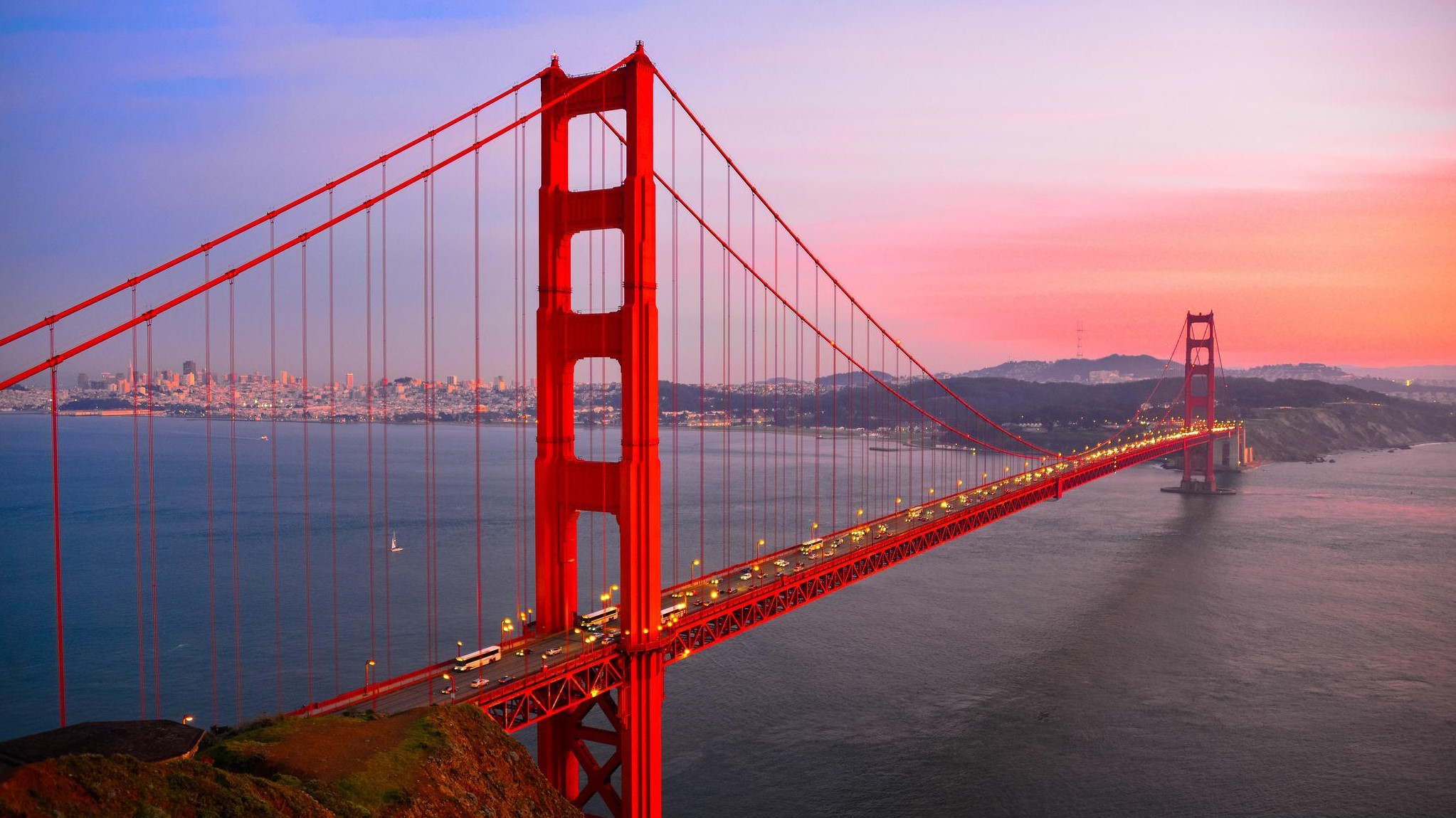
Golden Gate Bridge (San Francisco)
🐚 Monterey & Carmel-by-the-Sea
These coastal towns offer charming streets, cafes, and accessible fuel stations. The nearby 17-Mile Drive provides scenic curves perfect for experienced riders seeking technical challenges alongside natural beauty.
Monterey & Carmel-by-the-Sea
🏞️ Big Sur
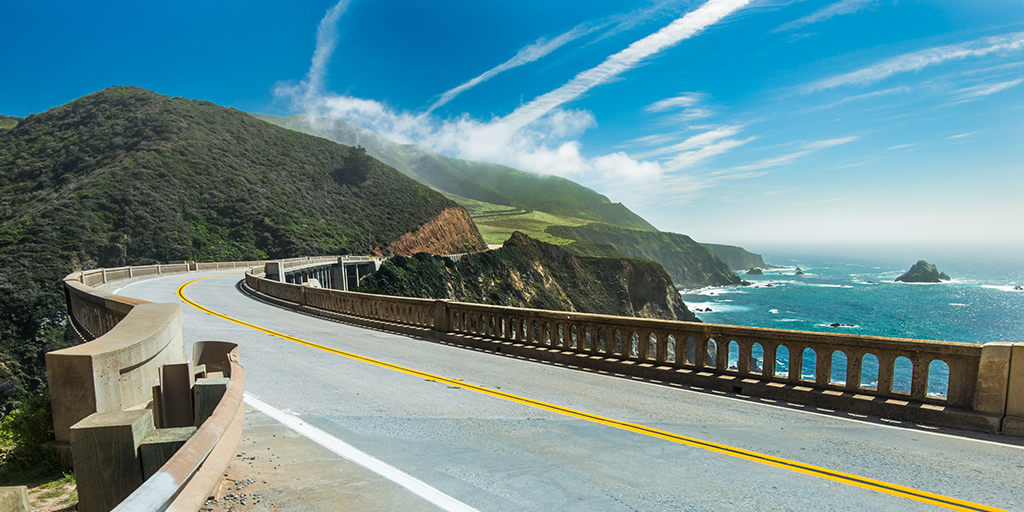
The Big Sur coastline is the centerpiece of the PCH. Riders encounter steep cliffs, narrow roads, and multiple hairpin turns. Points like Bixby Bridge, McWay Falls, and Point Sur Lighthouse are highlights. Take care with sudden weather changes and limited roadside pull-offs.
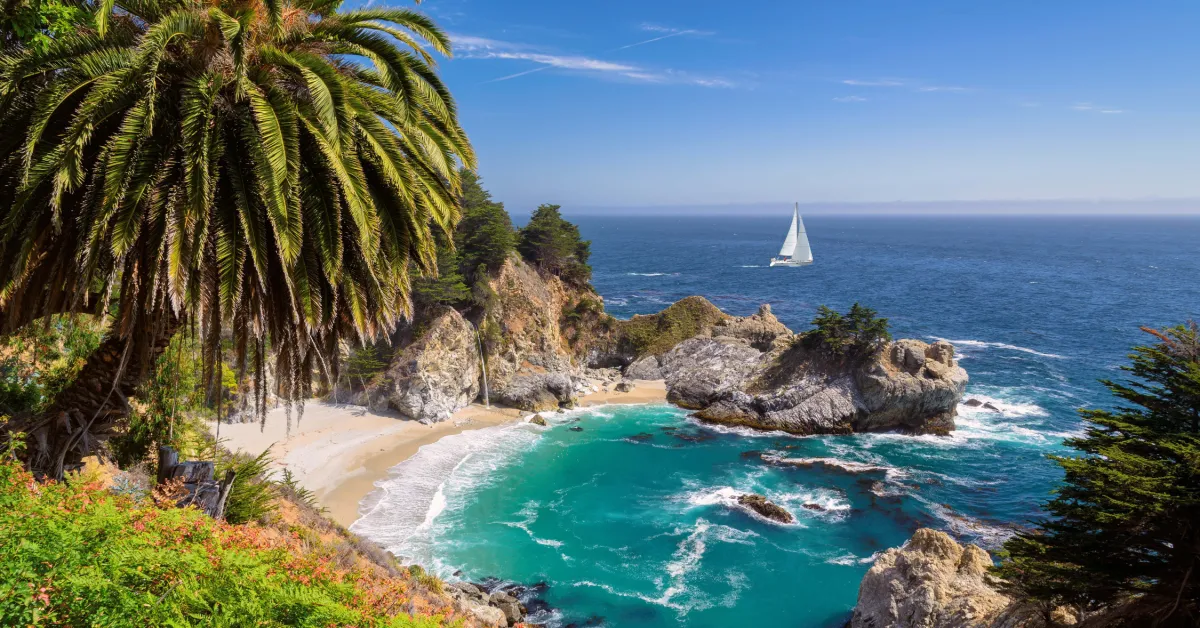
The Big Sur coastline
🌴 Santa Barbara
A stretch of mild curves and ocean views, Santa Barbara is ideal for rest and refueling. The city offers motorcycle parking and services, making it a convenient stop for multi-day rides.
🌵 Malibu & Ventura
Known for twisty roads and ocean vistas, these areas are popular among experienced riders for practicing cornering and enjoying coastal scenery.
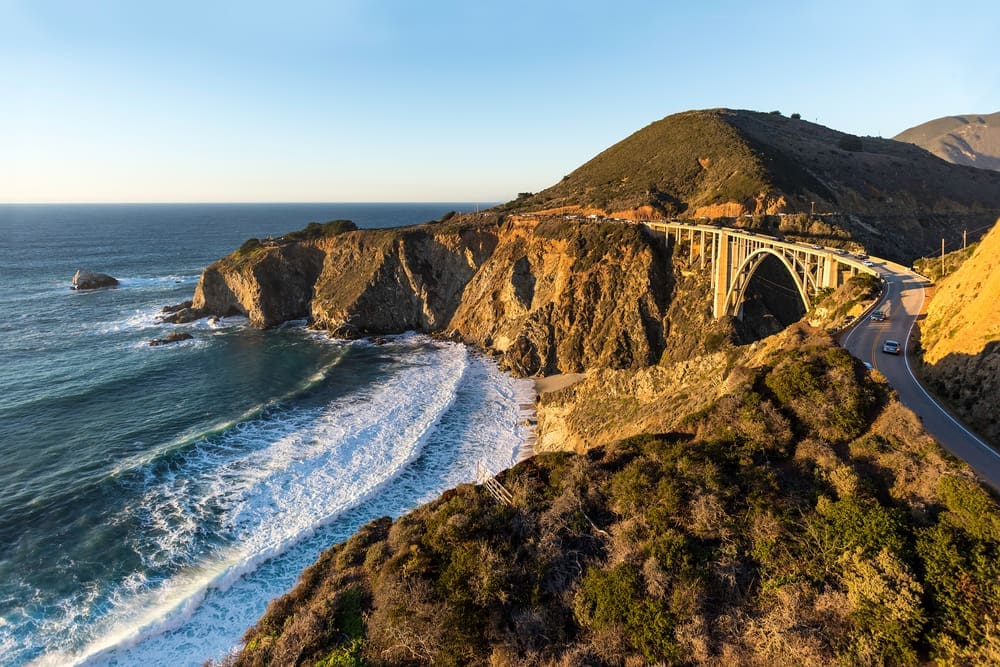
Malibu & Ventura
🌲 Northern Sections (Mendocino & Sonoma Coast)
Less crowded and more remote, the northern PCH provides forested roads, cliffside views, and small towns. Riders should prepare for limited fuel stations and cell service.
🛣️ Recommended Motorcycle Itinerary
A multi-day itinerary allows riders to experience the best of the PCH without fatigue:
Day 1: San Diego → Santa Barbara (~200 miles)
Coastal highways with moderate curves
Recommended fuel and rest stops in Ventura and Malibu
Day 2: Santa Barbara → Big Sur (~250 miles)
Mulholland Highway and Pacific Coast scenic routes
Big Sur offers technical curves and elevation changes
Day 3: Big Sur → Monterey (~90 miles)
Focus on hairpin turns and narrow sections
Stops at Bixby Bridge and McWay Falls
Day 4: Monterey → San Francisco (~120 miles)
17-Mile Drive and coastal stretches
Golden Gate Bridge approach may involve urban traffic
Day 5: San Francisco → Mendocino (~150 miles, optional)
Northern coastal roads with remote sections
Prepare for fewer services and winding forested roads
⚠️ Common Rider Mistakes
Even experienced motorcyclists can encounter problems on the PCH. Common mistakes include:
Riding too fast: Tight turns and cliffside roads require controlled speeds.
Poor route planning: Ignoring fuel stops and accommodations can lead to stress on remote stretches.
Fatigue: Long-distance rides demand frequent breaks. Riding tired increases the risk of accidents.
Ignoring weather: Fog and sudden rain are common along the coast. Prepare with proper gear and check conditions in advance.
❓ Frequently Asked Questions
Is the Pacific Coast Highway suitable for beginners?
Short stretches are manageable for novice riders, but technical sections like Big Sur are best for those with intermediate to advanced experience.
When is the best time to ride the PCH?
Late spring through early fall offers the best visibility and weather. Summer is crowded, winter can be foggy.
How long does it take to ride the full route?
A thorough ride typically requires 5–7 days, depending on stops and pace.
Are there good accommodations along the route?
Yes. Coastal towns offer hotels, motels, and inns with motorcycle parking. Plan ahead during peak seasons.
How should I prepare for remote sections?
Ensure your motorcycle is in top condition, carry extra fuel or know refueling points, and be prepared for limited services in northern sections.
🏁 Final Thoughts
Riding the Pacific Coast Highway is a blend of technical skill, endurance, and scenic appreciation. Proper planning, protective gear, and route knowledge are key to a safe and memorable ride. From the urban traffic near San Francisco to the remote cliffs of Mendocino, the PCH offers a diverse and challenging experience for serious motorcyclists. Careful preparation ensures that every twist and turn of this iconic route is both thrilling and safe.

Rodney L is a technical writer and product consultant with over a decade of experience in the motor industry. Rodney is a fan of performance machines that run fast and loud and an expert in all things custom. His numerous articles and write-ups are available at our knowledge base. Whether it’s something wrong with your motorcycle or you are building a custom bike, you can trust Rodney’s experience.
You maybe like to read:
Fodsports Brand Month: Unbeatable Deals and Top-Notch Service
Discover Fodsports Brand Month July and August mark a special occasion for motorcycle enthusiasts and tech lovers alike. Welcome to Fodsports Brand Month! This event is dedicated to celebrating everything that makes Fodsports a leading name in the motorcycle communication industry. Get ready for a fantastic promotions, exceptional service from Fodsports. Let's insights into Fodsports' […]
Cherohala Skyway Tennessee and North Carolina: Fall Motorcycle Riding Guide
Few motorcycle roads in the Southeast combine elevation, open mountain views, and flowing curves quite like the Cherohala Skyway. Stretching about 43 miles between Tellico Plains, Tennessee, and Robbinsville, North Carolina, the National Scenic Byway climbs from lower valleys to elevations above 5,000 feet before crossing the Appalachian high country. In fall, the ride becomes […]
10 Best Autumn Motorcycle Routes in Europe: Scenic Roads, Fall Colors and Riding Tips
🍂 Why Autumn Is One of the Best Seasons for a European Motorcycle Road Trip Europe becomes a completely different riding destination in autumn. Alpine forests turn gold, mountain valleys develop deeper colors, vineyards become vibrant, and many popular roads become quieter after the summer peak. For motorcycle travelers, the biggest advantage is variety. In […]
Pig Trail Scenic Byway Arkansas in Fall: Motorcycle Riding Guide
Winding through the Boston Mountains, the Pig Trail Scenic Byway is one of Arkansas's most enjoyable fall motorcycle routes. AR-23 combines tight mountain curves, dense hardwood forests, and the Mulberry River, creating a ride where the road itself is part of the scenery. In autumn, the Ozarks become even more impressive as the forest changes from […]
Tunnel of Trees Michigan in Fall: Motorcycle Riding Guide
Red and gold forests, winding roads, and glimpses of Lake Michigan make the Tunnel of Trees in Michigan a memorable fall motorcycle destination. The roughly 20-mile M-119 route between Harbor Springs and Cross Village is best enjoyed at a relaxed pace, with plenty of time for scenic stops. Planning a ride in 2026 requires extra attention, […]