The motorcycle communication systems field just got a significant upgrade with the release of the Fodsports FX7. This state-of-the-art Bluetooth mesh intercom is packed with many advanced features and techs. It will revolutionize the way riders communicate and enjoy their rides. Whether you're a solo rider or part of a group, the FX7 offers unparalleled […]

FM 170 Motorcycle Guide: Riding Texas’ Legendary River Road
November 19, 2026
Some motorcycle roads are remembered for high-speed sweepers. Others stand out because of the landscapes they pass through. FM 170 in Big Bend, Texas, belongs to the second category. Known as El Camino del Rio, or the River Road, this remote highway follows the Rio Grande through rugged desert terrain, dramatic canyon walls, and one of the most striking landscapes in the American Southwest.
For riders planning a West Texas motorcycle trip, FM 170 offers a memorable combination of winding pavement, steep grades, open desert views, and quiet stretches far from busy highways. But its remote location also requires preparation. Fuel, mobile coverage, shade, and roadside services are limited, so planning matters as much as the ride itself.
This guide covers the route, scenic stops, best riding seasons, road conditions, and essential safety tips to help you plan a rewarding FM 170 motorcycle adventure.
🌵 What Is FM 170 in Big Bend, Texas?
The River Road and Its History

fm 170 rio grande river road
FM 170 is a paved highway in far West Texas, commonly called the River Road or El Camino del Rio. It connects the Presidio area with Lajitas and the Study Butte/Terlingua area, following the Rio Grande along the southern edge of Big Bend Ranch State Park.
The route is often described in sections. The celebrated stretch between Presidio and Lajitas is roughly 50 miles, while the broader journey toward Study Butte covers approximately 70 miles, depending on the endpoints used.
The road was completed and paved in the early 1960s. Its Spanish name, El Camino del Rio, means “The Road of the River,” an appropriate description of a highway shaped by the geography of the Rio Grande valley.
Why Motorcyclists Should Ride It
Unlike the long, flat highways found elsewhere in Texas, FM 170 offers elevation changes, canyon curves, steep grades, and constantly changing desert scenery.
Riders can expect:
- Views of the Rio Grande and the mountains along the border
- Winding pavement through rugged desert terrain
- Access to Big Bend Ranch State Park
- Historic sites and unusual geological formations
- Quiet stretches where the landscape becomes the main attraction
It is a scenic touring road, not a place to rush. The combination of blind curves, steep sections, and remote conditions makes a controlled pace the better choice.
🗺️ Best Stops Along FM 170
A good FM 170 motorcycle trip should include time for sightseeing. Several stops provide a closer look at the area's history, geology, and natural environment.
1. Fort Leaton State Historic Site
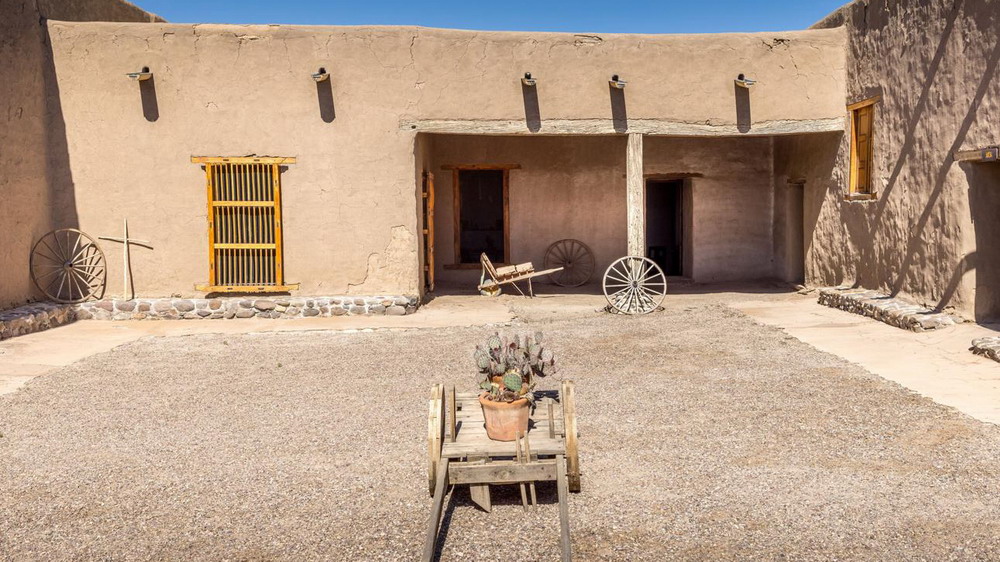
fort leaton historic site texas
Located a few miles southeast of Presidio, Fort Leaton is a historic adobe trading post and an important western entrance to Big Bend Ranch State Park.
The site offers insight into the region's frontier history and the people who lived and traded along this remote stretch of the Rio Grande. It is a worthwhile first stop when riding east from Presidio.
Check opening hours before visiting, as the historic site's visitor services operate on a schedule.
2. Big Bend Ranch State Park

big bend ranch state park scenery
Much of the scenic FM 170 experience runs alongside or through Big Bend Ranch State Park, Texas' largest state park.
The park protects a vast Chihuahuan Desert landscape of mountains, canyons, volcanic formations, and river habitats. Texas Parks & Wildlife reports that the park contains more than 300 bird species across its varied habitats, making it particularly interesting for nature enthusiasts.
Motorcyclists can enjoy the scenery from the paved highway and stop at designated recreation areas. Remember that many interior park roads are unmaintained dirt routes intended for high-clearance four-wheel-drive vehicles, not ordinary street motorcycles.
3. Closed Canyon
Closed Canyon is one of the most distinctive geological attractions near FM 170. This narrow slot canyon features high rock walls that create a dramatic contrast with the open desert landscape.
The short hike into the canyon is popular with visitors, but conditions can change quickly. Avoid entering slot canyons when rain is forecast because flash flooding can develop rapidly, even when rainfall is occurring elsewhere in the region.
Wear suitable footwear and carry drinking water if you plan to explore on foot.
4. Hoodoos and Scenic Overlooks
The Hoodoos area offers unusual rock formations shaped by erosion over long periods. These formations, combined with the surrounding desert mountains and river valley, create excellent opportunities for photography.
Use designated pullouts rather than stopping on the travel lane or narrow shoulders. The road's scenery can be distracting, so choose a safe place before taking photographs.
5. Lajitas and Terlingua
Lajitas is a small resort community near the eastern end of the River Road. It is a convenient place to pause, check supplies, and enjoy views of the surrounding mountains.
Nearby Terlingua is known for its historic mining past, ghost-town atmosphere, restaurants, and local character. It also makes a practical base for exploring Big Bend National Park and the surrounding roads.
🏍️ Planning Your FM 170 Motorcycle Ride
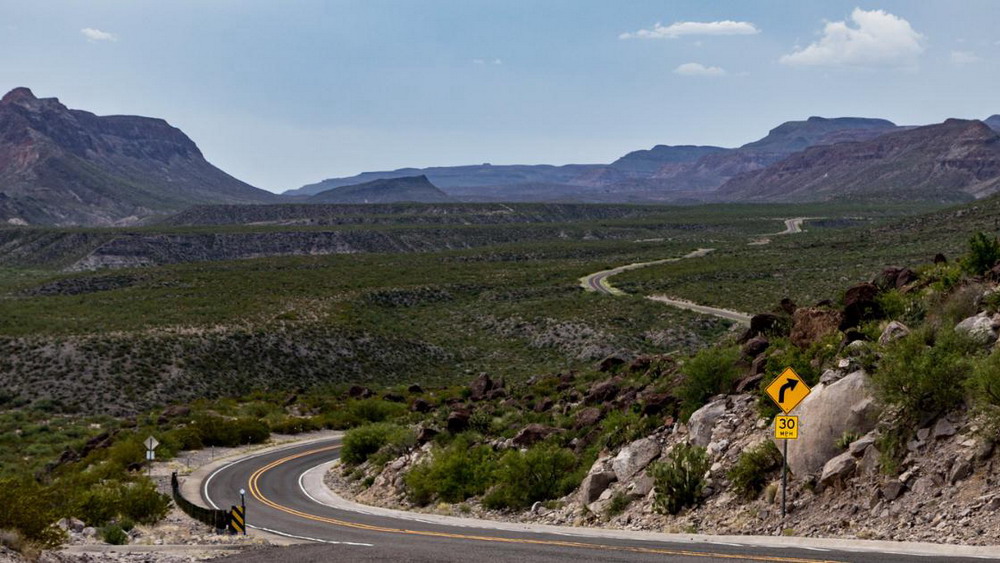
fm 170 big hill motorcycle road
Route Direction and Riding Time
A straightforward route is to ride between Presidio and Lajitas, then continue toward Terlingua and Study Butte if your schedule allows.
You can travel in either direction:
- West to east: Start in Presidio, visit Fort Leaton, and follow the Rio Grande toward Lajitas.
- East to west: Start near Lajitas or Terlingua and ride toward Presidio, finishing near the historic fort.
The main Presidio–Lajitas section is roughly 50 miles. Allow additional time for stops, photographs, and the road's curves. A relaxed half-day or longer is more practical than planning around a strict arrival time.
Best Season to Ride
Spring and fall are generally the most comfortable seasons for a Big Bend motorcycle trip. Daytime temperatures are often more manageable than during the summer, although weather can still change quickly.
Summer deserves extra caution. Texas Parks & Wildlife warns that temperatures in Big Bend Ranch State Park can exceed 100°F by late morning in warm months, with intense heat exposure in direct sunlight.
Winter can offer pleasant daytime riding, but mornings and evenings may be cold. Carry layers rather than assuming desert weather will remain warm throughout the day.
Fuel, Water, and Navigation
Remote services are one of the most important planning considerations on FM 170. Do not assume that fuel stations, restaurants, repair shops, or reliable mobile coverage will be available along the route.
Before setting off:
- Fill your tank in Presidio, Lajitas, or another confirmed service location.
- Carry sufficient drinking water and snacks.
- Download offline maps and save your route.
- Charge your phone and bring a power bank.
- Check weather forecasts and road conditions.
- Tell someone your route and expected arrival time.
🏜️ What Makes the FM 170 Ride Special?
Desert Landscapes and the Rio Grande
The defining feature of FM 170 is the contrast between the dry desert and the Rio Grande corridor. Rocky slopes, volcanic formations, desert vegetation, and occasional green river habitats create a landscape that changes throughout the ride.
The road also offers views toward Mexico across the river. This border setting gives the journey a distinct sense of place that is different from most other Texas motorcycle routes.
Wildlife and Natural Conditions
The Big Bend region supports a wide range of desert and river wildlife. Birds, reptiles, and mammals inhabit the surrounding landscape.
Watch for livestock and wildlife near the roadway, particularly in less developed stretches. Do not approach or feed animals, and avoid stopping in unsafe locations to photograph them.
The area is also vulnerable to flash flooding. Dry washes can fill rapidly after heavy rain, and low-water crossings may become dangerous. Never ride through moving floodwater.
🧤 Essential Motorcycle Gear for FM 170
Protective Clothing and Hydration
A ventilated motorcycle jacket, protective gloves, riding pants, and suitable boots are important for a desert ride. Choose gear that offers impact protection without making it difficult to manage heat.
A full-face helmet with a clean visor helps protect against dust, insects, and wind. Sunscreen, sunglasses, and moisture-wicking base layers can also improve comfort.
Carry more water than you expect to need. Heat, wind, and long stretches without shade can increase dehydration risk.
Navigation and Rider Communication
A reliable GPS or smartphone navigation setup is useful in an area where mobile coverage can be inconsistent.
For group touring, a Helmet Communication system can help riders coordinate stops and communicate changes in the route. A Bluetooth Intercom can also make it easier to share important riding information without relying on phone calls.
A Motorcycle Intercom is especially useful when several riders need to stay connected. Keep conversations brief and never let a communication device distract you from road conditions.
⚠️ Safety Tips for Riding FM 170
FM 170 is paved, but it is not an ordinary highway ride. Its curves, grades, remote location, and changing weather deserve respect.
- Approach Big Hill carefully. The route includes a notably steep section with tight approaches. Reduce speed before the climb or descent and avoid sudden braking.
- Stay in your lane. Blind curves and limited sightlines make crossing the center line especially dangerous.
- Watch for gravel and debris. Desert roads can collect loose material, rocks, and sand after storms.
- Check weather conditions. Heavy rain can cause flash flooding and temporary road closures.
- Avoid riding in extreme heat. Start early, take breaks, and stop if you feel dizzy, weak, or overheated.
- Plan for limited services. Carry water, basic tools, a tire repair kit, and offline navigation.
- Do not confuse the two River Roads. FM 170 is paved. The River Road inside Big Bend National Park is a separate primitive route requiring high clearance and true four-wheel drive.
❓ Frequently Asked Questions
1. How long is FM 170 in Texas?
The best-known Presidio-to-Lajitas section is approximately 50 miles. The broader route toward Study Butte is around 70 miles, depending on the endpoints.
2. Is FM 170 a good motorcycle road?
Yes. It is a popular scenic route for motorcyclists, offering canyon curves, desert views, and access to Big Bend Ranch State Park. Riders should be comfortable with steep grades and remote-road conditions.
3. What is the best time of year to ride FM 170?
Spring and fall are generally the most comfortable seasons. Summer heat can be extreme, while winter mornings and evenings may be cold.
4. Are there gas stations along FM 170?
Fuel services are limited. Fill up in Presidio, Lajitas, or another confirmed service location before entering remote sections. Do not rely on finding fuel along the road.
5. Is FM 170 the same as River Road in Big Bend National Park?
No. FM 170 is the paved El Camino del Rio outside the national park. The national park's River Road is a separate, rough primitive road that requires high-clearance four-wheel drive.
🏁 Make FM 170 a Highlight of Your Big Bend Motorcycle Trip
FM 170 is one of the most distinctive motorcycle roads in Texas. Its canyon curves, desert mountains, Rio Grande views, and historic stops create a riding experience that rewards patience and preparation.
Plan your fuel and water, check the weather, and give yourself enough time to explore. Whether you ride from Presidio toward Lajitas or make the journey from Terlingua, the best way to experience the River Road is to take it at a steady pace and appreciate the landscape.
Authoritative Sources
- Texas Parks & Wildlife – Big Bend Ranch State Park
https://tpwd.texas.gov/state-parks/big-bend-ranch - Texas Parks & Wildlife – Big Bend Ranch State Park Map and River Road Information
https://tpwd.texas.gov/state-parks/big-bend-ranch/map - Texas Parks & Wildlife – Barton Warnock Visitor Center
https://tpwd.texas.gov/state-parks/barton-warnock - National Park Service – River Road, Big Bend National Park
https://www.nps.gov/bibe/planyourvisit/river-road.htm - National Weather Service – West Texas Weather Forecasts
https://www.weather.gov/maf/

Rodney L is a technical writer and product consultant with over a decade of experience in the motor industry. Rodney is a fan of performance machines that run fast and loud and an expert in all things custom. His numerous articles and write-ups are available at our knowledge base. Whether it’s something wrong with your motorcycle or you are building a custom bike, you can trust Rodney’s experience.
You maybe like to read:
Fodsports Brand Month: Unbeatable Deals and Top-Notch Service
Discover Fodsports Brand Month July and August mark a special occasion for motorcycle enthusiasts and tech lovers alike. Welcome to Fodsports Brand Month! This event is dedicated to celebrating everything that makes Fodsports a leading name in the motorcycle communication industry. Get ready for a fantastic promotions, exceptional service from Fodsports. Let's insights into Fodsports' […]
FM 170 Motorcycle Guide: Riding Texas’ Legendary River Road
Some motorcycle roads are remembered for high-speed sweepers. Others stand out because of the landscapes they pass through. FM 170 in Big Bend, Texas, belongs to the second category. Known as El Camino del Rio, or the River Road, this remote highway follows the Rio Grande through rugged desert terrain, dramatic canyon walls, and one […]
Sedona to Oak Creek Canyon: Arizona SR 89A Winter Motorcycle Riding Guide
Arizona is famous for its red rock landscapes, desert highways, and scenic mountain roads. While many riders visit during warmer months, winter offers a unique opportunity to explore northern Arizona by motorcycle. Arizona State Route 89A (SR 89A) is one of the region's most beautiful highways. Running from Sedona through Oak Creek Canyon toward Flagstaff, […]
Tamiami Trail Motorcycle Ride: Exploring the Everglades, Florida
Florida is known for its beaches, coastal highways, and year-round riding weather. But beyond the busy tourist areas lies a different kind of motorcycle adventure: the Tamiami Trail, a historic highway that crosses the vast wetlands of South Florida. Also known as U.S. Highway 41, the Tamiami Trail offers riders a chance to experience the […]
Overseas Highway: Florida Keys Winter Motorcycle Riding Guide
If you're looking for a memorable winter motorcycle road trip in the United States, the Overseas Highway in the Florida Keys deserves a place near the top of your list. This famous coastal route connects a chain of tropical islands through bridges stretching across the Atlantic Ocean and Gulf of Mexico. Along the way, riders […]