Long-distance motorcycle touring is about freedom, rhythm, and endurance. Hours on the highway, changing weather, unfamiliar roads, and constant wind noise all test your gear — especially the communication system for touring. A touring motorcycle intercom is not the same as a short-ride or commuter intercom. On a multi-day trip, small weaknesses become big problems: […]


Full Face vs Open Face Helmet: The Truth About Motorcycle Safety in 2025
Rider safety demands motorcycle helmets. Yet, riders still clash over picking full-face vs open-face helmets. Full-face ones take the win for protecting in crashes, but open-face models charm folks who want cool looks better air, and that old-school vibe.
This guide dives into the latest research, technological advancements, and real-world insights to help you decide which helmet type aligns with your riding needs.
Table of Contents
Comparison Table: Full Face Helmet vs Open Face Helmet
| Feature | Full Face Helmet | Open Face Helmet |
|---|---|---|
| Protection | Maximum protection (covers entire head, including chin and jaw) | Limited protection (exposed face and jaw) |
| Impact Safety | High – absorbs impact across all areas | Moderate – protects top, back, and sides of the head |
| Weather & Debris Protection | Shields from wind, rain, dust, and debris | Exposed to wind, rain, and dust |
| Ventilation | Controlled airflow with vents | Natural airflow due to open design |
| Noise Reduction | Reduces wind and road noise | No noise reduction, wind noise is higher |
| Weight | Heavier due to full coverage | Lighter and more comfortable for short rides |
| Field of Vision | Slightly restricted peripheral vision | Unobstructed, wide field of vision |
| Comfort | Snug fit, better insulation | More open, breathable, and lightweight |
| Aerodynamics | More aerodynamic for high-speed riding | Less aerodynamic, more drag at high speeds |
| Best for | Long-distance riding, high speeds, off-road, racing | City riding, short trips, cruiser-style motorcycles |
| Cost | Generally more expensive due to advanced features | More affordable, with basic protection |
| Customization | Limited customization; some modular designs available | Highly customizable with visors, shields, and graphics |
| Safety Standards | DOT, ECE, Snell certified | DOT and ECE certified, but lower impact resistance |
The Importance of Motorcycle Helmets
Motorcycle crashes are brutal. A 2021 study that looked at 137 crash reports found that helmets cut the risk of head injuries by 37%. Riders who don't wear helmets are four times more likely to die from head trauma. But the way helmets are made has a huge impact:
- 34.6% of impacts occur in the chin area, the most vulnerable zone in crashes.
- Open-face helmets expose your face to dirt strong winds, and direct hits upping the chance of broken bones in the face and tooth damage.
Even though they're kinda risky open-face helmets are still liked for feeling light on your head and having a classic vibe. We're gonna dive into the good stuff, the bad stuff, and the cool new changes they're bringing to both types in 2025.
What Are Full Face Helmets?
Full face helmets are designed to cover the entire head, including the chin and jaw area. They offer the highest level of protection for motorcyclists.

man with full face helmets
Superior Protection
- Total Head Defense: Full face helmets safeguard every part of your noggin. They keep your forehead, face, jaw, and even your chin.
- Better Shock Soaking: Full face helmets have layers and layers of special foam that soaks up shock really well if you get hit.
- Shielding from the Elements and Bits: Since they cover you all up, these helmets stop the wind, dirt, rain, and bugs from messing up your ride. They're super for when you're going far or fast.
Comfort and Aerodynamics
- Less noise: Full face helmet designs cut down on wind sound. You get a more silent ride, which isn't as tiring when you're on the road for a while.
- Better shape for speed: They've got a design that lets the air slip past easier. You go faster and don't wear out as when you're riding without a helmet.
- Cool air feature: These days full face helmets have got some neat systems to move air around. Your head stays chill even when the sun's beating down hard.
Technological Advancements
- Innovations in Material: Lots of full face helmets are rocking stuff like carbon fiber, fiberglass blends, and high-density EPS foam now. They make them strong without weighing your head down.
- Integrated Communication Systems: Some full face helmets are designed with built-in Bluetooth and communication systems, allowing riders to connect with fellow riders or listen to navigation instructions without removing the helmet.
- Enhanced Visibility: Full face helmets got better thanks to visor upgrades that keep the fog away and resist scratches, so you can see well no matter the weather.
Considerations
While full face helmets offer numerous benefits, they may not be for everyone:
- Heavier Weight: Full face helmets often weigh more because they are more designed. If you have a weak neck, this might bother you.
- Restricted Peripheral Vision: The extended visor may slightly limit your peripheral vision, although modern designs have minimized this issue.
- Cost: High-end full face helmets can be more expensive due to the advanced materials and technology used in their design.
What Are Open Face Helmets?
Open face helmets, also known as “three-quarter helmets,” cover the top, back, and sides of the head while leaving the face exposed. They are popular among riders who prefer a more open and connected riding experience.

man with open face helmets
Enhanced Ventilation and Visibility
- Increased Airflow: You get more air with open face helmets. Unlike those full face ones, these helmets let the breeze flow without any trouble. When it's blazing hot or you're cruising at a turtle's pace in the city, this comes in super handy.
- Wider Field of Vision: Since there's nothing blocking your mug, like a visor or chin bar face helmets give you a full view of everything around. That's a big plus if you're all about feeling free while you're zooming around.
- Classic Style: They've got that old-school cool vibe. A bunch of riders dig the retro look of open face helmets. They've got a style that's stayed slick through the years, and that's why they keep sticking around.
Comfort and Weight
- Lighter Weight: Open face helmets tend to be lighter so your neck doesn't get all tired out on long trips.
- Simplified Design: Open face helmets have a no-fuss design too, with fewer bits and pieces that often make them comfier for folks who like to keep it simple. Plus, that simplicity means you don't have to fuss too much over keeping them clean.
Safety Considerations
- Limited Protection: Open face helmets don't guard your face much. If you crash, your face could get hurt more than if you had a full face helmet on.
- Not Ideal for High-Speed Riding: Riding fast isn't the best with these helmets. They're good for slow rides in the city but not so much when you're speeding or on rough terrain.
- Risk of Wind and Debris: Your face will catch all the wind, dust, and flying bits because there's no shield. You've got to remember this when the weather's acting up.
Technological Improvements
- Modern Features: Modern open face helmets often include face shields that riders can attach or detach. This feature gives them the choice to ramp up protection when they feel like it.
- Customization: A lot of makers let you tweak these helmets. You can swap out the insides or slap on some cool designs that scream 'you.' It's a sweet deal for riders who dig to make a statement while staying safe.
Safety: Full Face vs Open Face Helmet?

full face helmet and open face helmet
Safety is the top priority for any motorcyclist. Here’s a detailed look at how full face and open face helmets compare in terms of safety:
Impact Protection
- Full Face Helmets: Full Face Helmets give you top-notch safety 'cause they cover your whole noggin. They're built tough to tackle real hard knocks, which is why folks who love speed on their bikes or hitting the race tracks dig 'em the most.
- Open Face Helmets: Open Face Helmets don't guard your mug and chin much. Sure, they take a hit kinda okay but don't count on 'em when you need your whole head in one piece.
Face and Jaw Protection
- Full Face Helmets: Include a robust chin bar that protects the jaw and lower face. This is critical in accidents where the impact might come from the front.
- Open Face Helmets: Leave the face and jaw exposed. This can result in more severe injuries if you are involved in a collision.
Standards and Testing
- Certification: Both full face and open face helmets must meet safety standards set by organizations such as DOT (Department of Transportation), ECE (Economic Commission for Europe), and Snell. However, the testing criteria for full face helmets tend to be more rigorous due to their design.
- Impact Testing: Full face helmets undergo extensive impact testing to ensure they provide maximum protection across different types of collisions. Open face helmets, while certified, have a different set of safety criteria focusing on head protection rather than full-face coverage.
Real-World Scenarios
- Research and numbers point out that riders with "full face helmets" tend to dodge face injuries more than riders who rock "open face helmets." Even though the open face ones feel comfy and look cool, they're a good pick for cruising in city spots or rolling slow during commutes.
Full Face vs Open Face Helmet: Comfort, Fit, and Usability
Comfort and fit are crucial when choosing a motorcycle helmet. A helmet that fits well not only provides better protection but also enhances your overall riding experience.
Full Face Helmets
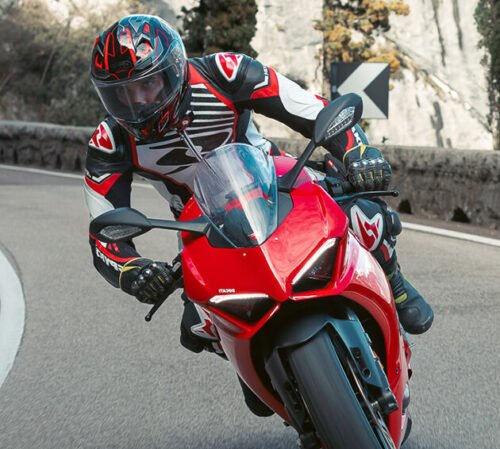
riding motorcycle with full face helmet
- Fit and Padding: Full face helmets usually come with high-quality padding that offers both comfort and shock absorption. The interior is designed to minimize movement during an impact.
- Ventilation: Modern full face helmets have multiple vents that can be adjusted to control airflow. This helps maintain a comfortable temperature inside the helmet.
- Weight Distribution: Although they are heavier, the design of full face helmets ensures that the weight is evenly distributed across the head, reducing strain during long rides.
Open Face Helmets

riding motorcycle with open face helmet
- Lightweight Design: Their lighter build makes open face helmets a popular choice for riders who may experience neck strain with heavier gear.
- Simplicity: With fewer components, open face helmets often have a more comfortable fit for casual riders. The minimalistic design allows for quick on-and-off usage.
- Customization: Many open face helmets offer adjustable straps and removable liners, which can be tailored to fit your head shape perfectly.
Finding the Right Fit
Choosing a helmet means you gotta try on a bunch and figure out what works. Remember these bits when you're picking one out:
- Secure Fit: Your helmet should grip your noggin just right—tight but not squeezing too hard. It shouldn't wiggle when you give your head a good shake.
- Comfortable Padding: Check that the padding inside feels good and doesn't poke you in the wrong places.
- Ventilation Options: key for full-face helmets—make sure there's enough airflow to stop your visor from misting up and to keep you from getting too hot.
Usage Scenarios: Which Helmet Suits Your Riding Style?
Different riding environments and styles may call for different types of helmets. Here are some common scenarios and recommendations:
High-Speed and Long-Distance Riding
- Full Face Helmets: Ideal for highway riding, touring, and racing. Their comprehensive protection and aerodynamic design make them perfect for high-speed situations.
- Weather Conditions: Full face helmets protect against wind, rain, and debris, ensuring your face remains shielded during long rides.
City Riding and Casual Cruising
- Open Face Helmets: A great option for city commuting and short trips. The open design provides excellent ventilation and a wide field of vision.
- Ease of Use: For stop-and-go riding, the convenience of quickly putting on and removing your helmet is a significant advantage.
Off-Road and Adventure Riding
- Full Face Helmets: When riding on rough terrains or off-road, full face helmets offer better protection against impacts, falls, and flying debris.
- Adaptability: Many full face helmets designed for off-road use have removable face shields or modular features that can be adjusted depending on the riding conditions.
Price and Value Considerations
Budget is another important factor when choosing a motorcycle helmet. Prices can vary significantly based on the helmet’s features, materials, and brand reputation.
Full Face Helmets
- Higher Price Range: Full face helmets often have a bigger price tag cause of their fancy stuff and top-notch safety. But , you're getting your money's worth with the kind of protection and snugness they give you.
- Durability: High-quality full face helmets are built to last. Fork out some cash for a solid one and you won't have to keep buying new ones, so it's kinder to your wallet over time.
- Advanced Features: The inclusion of advanced ventilation systems, noise reduction, and integrated communication technology can justify the higher cost for many riders.
Open Face Helmets
- More Affordable Options: Open face helmets come at a cooler price, so if your wallet's feeling light, they'll still have you covered.
- Cost-Effective for Casual Use: If you're just chillin' around town and not racing the wind snagging an open face helmet could save you some cash while keeping your noggin safe.
- Maintenance and Upgrades: They're low key when it comes to upkeep. The design's straightforward and swapping in new liners won't bleed your bank dry.
Conclusion
Picking a full face or an open face helmet relies much on how you ride, your need for safety, and what you like. Full face helmets give top-notch safety, advanced features, and enhanced coverage if you’re into fast rides or traveling far. On the flip side open face helmets come with great airflow, are light on your head, and have that classic style city riders dig a lot.
Devoting time to digging into information trying out, and choosing the perfect helmet means you're making every trip as secure and fun as it can be. The best helmet is one that ticks the boxes for recent safety standards and suits the way you are and your requirements.
More Knowledge about Helmets
How to Choose the Right Helmet: Type and Size
6 Different Types of Motorcycle Helmets You Should Know
Best Winter Motorcycle Helmet for Cold-Weather Riding
ATV Helmet vs Motorcycle Helmet: What's the Difference?
The Definitive Guide to Motorcycle Helmet Safety Standards
Are carbon fiber motorcycle helmets better?
What Is The Best Beginner Motorcycle Helmet?

Rodney L is a technical writer and product consultant with over a decade of experience in the motor industry. Rodney is a fan of performance machines that run fast and loud and an expert in all things custom. His numerous articles and write-ups are available at our knowledge base. Whether it’s something wrong with your motorcycle or you are building a custom bike, you can trust Rodney’s experience.
Subscribe
0 Comments
Oldest
You maybe like to read:
Best Adventure Bikes for Beginners (2026 Guide)
Adventure motorcycles, often called ADV bikes, are built to take you from smooth highways to rough backcountry trails. For new riders, picking the best adventure bikes for beginners can make all the difference. The right machine turns highways, gravel roads, forest tracks, and remote trails into places you actually want to explore, while the wrong […]
Best Motorcycle Intercom for Group Rides (2–20 Riders)
Riding in a group is thrilling, but without clear communication, even the best rides can turn chaotic. That’s where motorcycle intercom systems come in, letting you talk with your group, share GPS directions, listen to music together, and stay safer on the road. Whether you’re riding with a single friend or leading a pack of […]
Budget Motorcycle Intercoms from Fodsports: Honest 2026 Picks
I’ve used premium intercoms and budget ones on the same roads, in the same weather, on long touring days. The truth? Most riders don’t need a $400 system. Most riders still need the same basics: clear rider-to-rider talk, stable Bluetooth, and batteries that last a full day on the road. In 2026, budget motorcycle intercoms […]
2026 Best Motorcycle Intercom for Beginners from Fodsports
What is the best motorcycle intercom for beginners? If you’re a new rider, the idea of adding another piece of tech to your helmet can feel overwhelming. I’ve been using motorcycle intercoms for years—on solo rides, long tours, group trips, and daily commutes—and I’ll tell you this upfront: A beginner motorcycle rider doesn’t need the […]
Mesh Intercom vs Bluetooth Intercom: Which Motorcycle Communication System Is Better?
Mesh Intercom vs Bluetooth: Which Motorcycle Communication System Is Better? Mesh intercoms are best for riders who travel in groups because they automatically reconnect and stay stable, while Bluetooth intercoms are better for solo riders and two-up riding due to lower cost and simpler operation. As someone who both wrenches on bikes and rides long […]