The motorcycle communication systems field just got a significant upgrade with the release of the Fodsports FX7. This state-of-the-art Bluetooth mesh intercom is packed with many advanced features and techs. It will revolutionize the way riders communicate and enjoy their rides. Whether you're a solo rider or part of a group, the FX7 offers unparalleled […]

Motorcycle Road Trip Across America: Ultimate Planning Guide for Riders
August 18, 2026
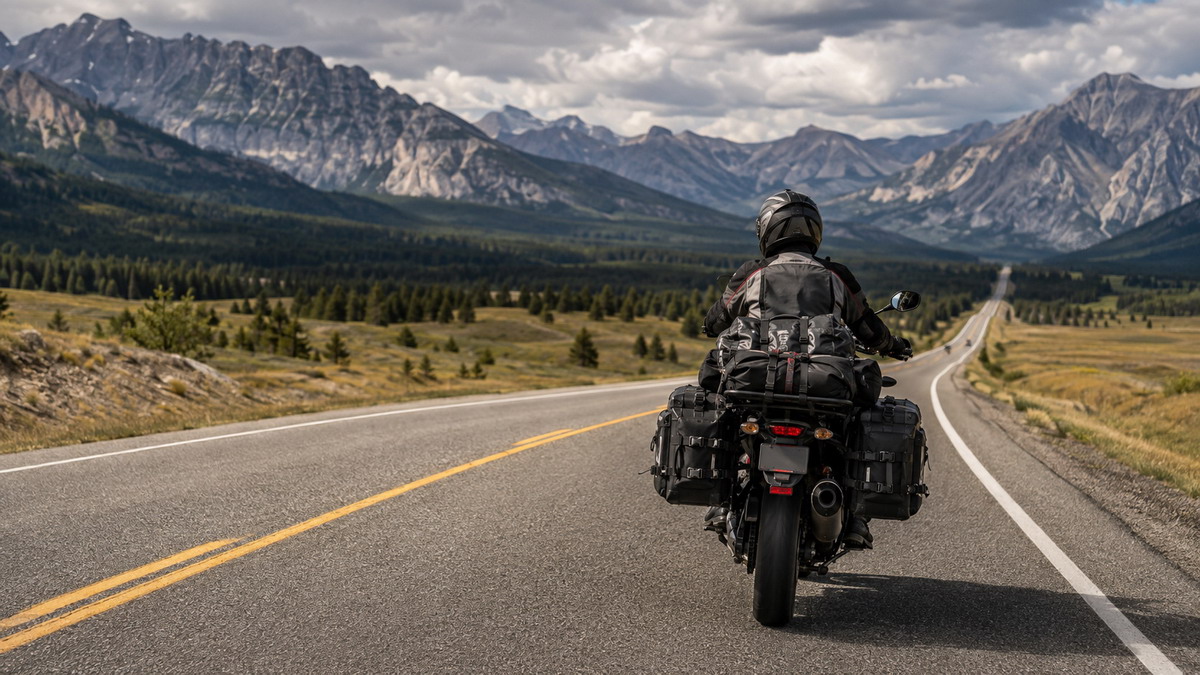
A motorcycle road trip across America is one of the ultimate two-wheel adventures. From Pacific coastlines and Appalachian mountains to desert highways, national parks, and historic towns, the United States offers an incredible variety of motorcycle roads. This guide covers everything you need for your motorcycle road trip across America.
However, a successful cross-country motorcycle trip requires more than choosing a destination. Riders must consider route planning, daily mileage, fuel availability, weather conditions, motorcycle maintenance, luggage management, navigation, accommodation, and fatigue. The goal is not simply to cover thousands of miles, but to create a journey that is safe, comfortable, and genuinely enjoyable.
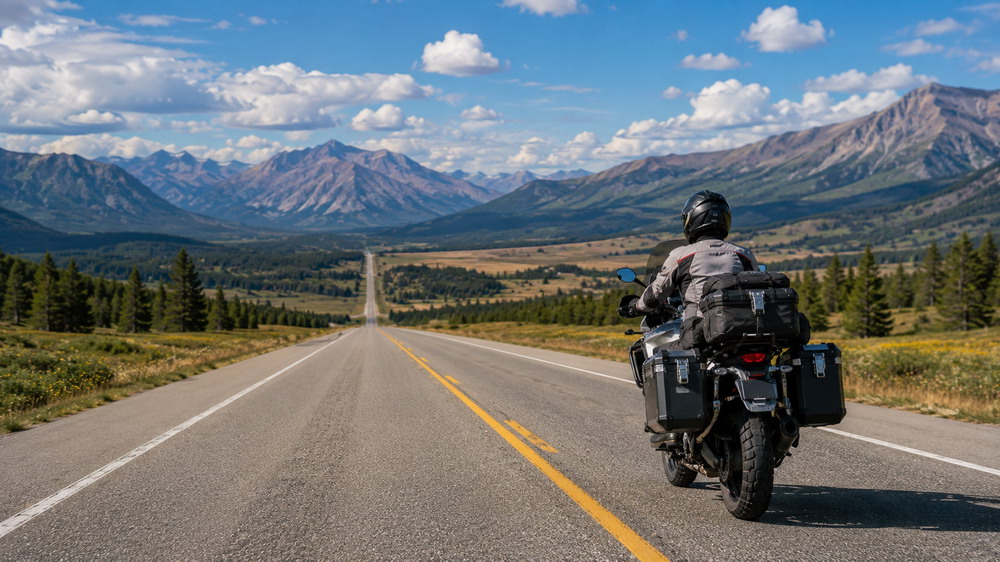
Motorcycle Road Trip Across America
Table of Contents
🗺️ Choosing the Best Route for Your Motorcycle Road Trip Across America
Decide What You Want to Experience
There is no single best motorcycle route across America. The ideal choice depends on available time and personal riding preferences. Route 66 is ideal for classic American road-trip culture, while the Pacific Coast Highway offers spectacular coastal scenery. Riders who prefer mountains can explore the Blue Ridge Parkway or roads through the Rocky Mountains.
Before committing to a route, consider available days, preferred daily mileage, weather patterns, fuel range, accommodation preferences, and whether national parks or historic destinations are priorities. Popular cross-country routes include Route 66, the Pacific Coast Highway, the Blue Ridge Parkway, the Southern Tier, and various northern transcontinental routes.
Balance Highways and Scenic Roads
Interstates are useful when covering long distances quickly, but scenic state highways and mountain roads often become the most memorable parts of a motorcycle road trip. A well-structured itinerary uses highways for less interesting sections and reserves more time for the roads that make the journey worthwhile.
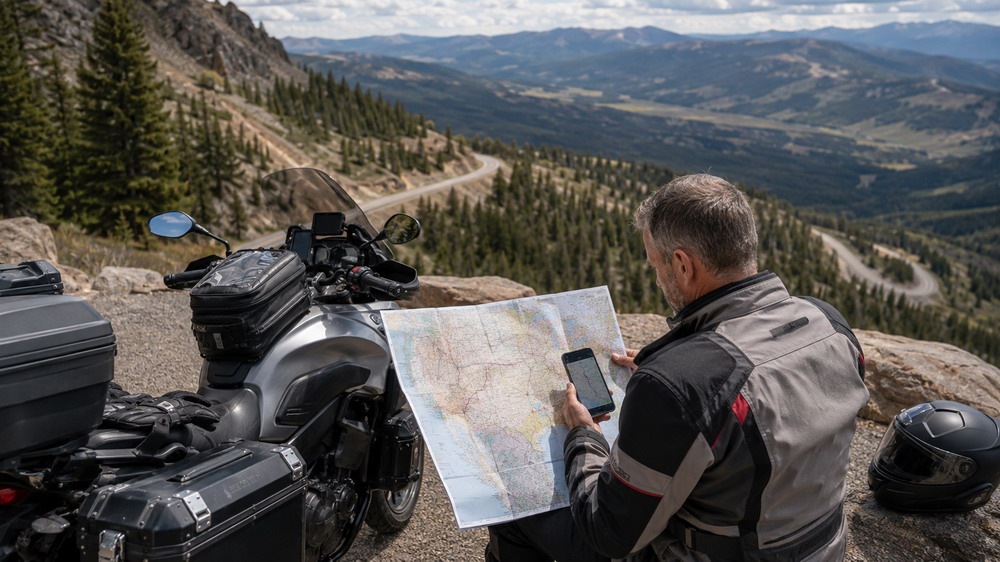
Planning a Cross-Country Motorcycle Route
📅 Plan Realistic Daily Mileage
Don't Turn the Trip Into a Race
America is vast, and a coast-to-coast motorcycle trip can easily exceed 3,000 miles. While experienced riders may cover 400 miles or more in a single day, a more relaxed touring pace of around 200–300 miles per day allows time for fuel stops, meals, sightseeing, and unexpected delays.
Instead of maximizing mileage, plan the trip around the experience itself. A shorter riding day through mountains is often far more enjoyable than a long day on an interstate.
Leave Room for Flexibility
Not every detail needs to be planned before departure. Establish the major route in advance, then check the next day's weather, road conditions, fuel stops, and accommodation each evening. This provides enough structure while allowing time for unexpected discoveries and detours.
⛽ Plan Fuel Stops Carefully
Know Your Motorcycle's Range
Fuel planning becomes especially important in remote areas of Nevada, Utah, Arizona, Wyoming, Montana, and other western states. Determine the motorcycle's realistic range under normal touring conditions and identify fuel stations before entering long stretches without services.
A simple rule is to refuel whenever a reliable station is available rather than waiting until the tank is nearly empty. This practice prevents unnecessary stress and reduces the risk of being stranded.
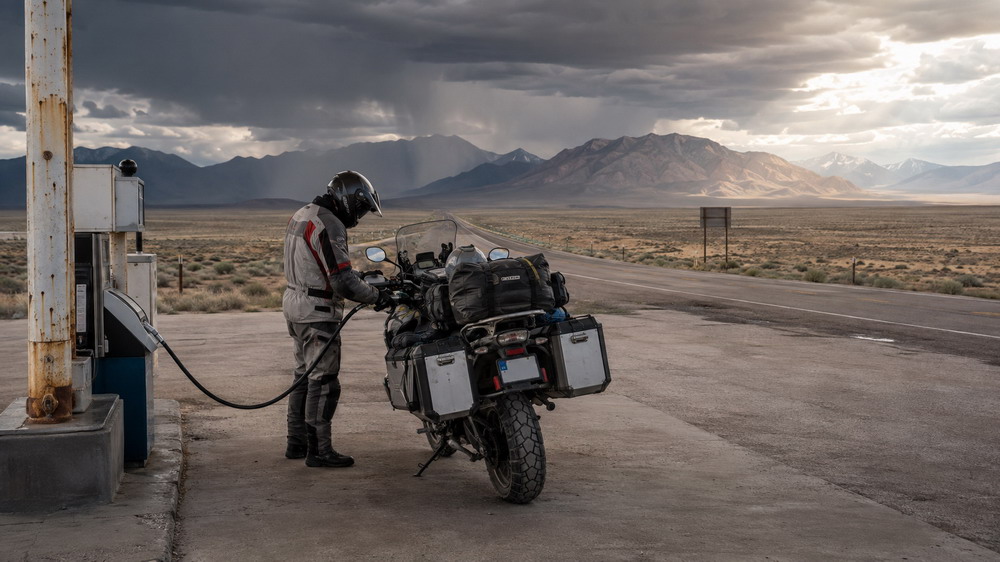
Fuel and Weather Preparation for Motorcycle Touring
🌦️ Prepare for Changing Weather
Use a Layered Riding System
A cross-country motorcycle trip can pass through several climate zones in a single day. Riders may start beside the ocean, ride through cold mountain temperatures, and finish in a hot desert.
Check forecasts at multiple points along the route and prepare for rain, wind, cold, and heat. A practical riding system includes protective gear, moisture-wicking base layers, insulating mid-layers, and waterproof outerwear. Keep rain gear somewhere easily accessible rather than buried beneath luggage.
🔧 Prepare Your Motorcycle Before Departure
Complete a Full Inspection
Before a long-distance motorcycle trip, inspect the tires, brakes, engine oil, coolant, battery, lights, controls, suspension, and final drive system. If scheduled maintenance is approaching, complete it before leaving whenever possible.
Load the motorcycle with actual touring luggage and take a test ride before departure. Ensure the luggage is secure and that the motorcycle remains comfortable and stable when fully loaded.
🎒 Pack Light and Pack Smart
Take Only What You Need
Motorcycle luggage space is limited, so focus on useful and versatile equipment. A practical motorcycle touring packing list should include protective riding gear, waterproof layers, spare gloves, comfortable clothing for off-bike wear, toiletries, phone and charging equipment, water, a first-aid kit, tire repair tools, a portable air compressor, basic motorcycle tools, and important documents.
Instead of packing a separate outfit for every day, carry versatile clothing and plan to wash items during longer trips. Keep frequently used items such as rain gear, snacks, water, and documents easily accessible. Long-distance touring guides also recommend carrying basic repair equipment and considering roadside assistance coverage.
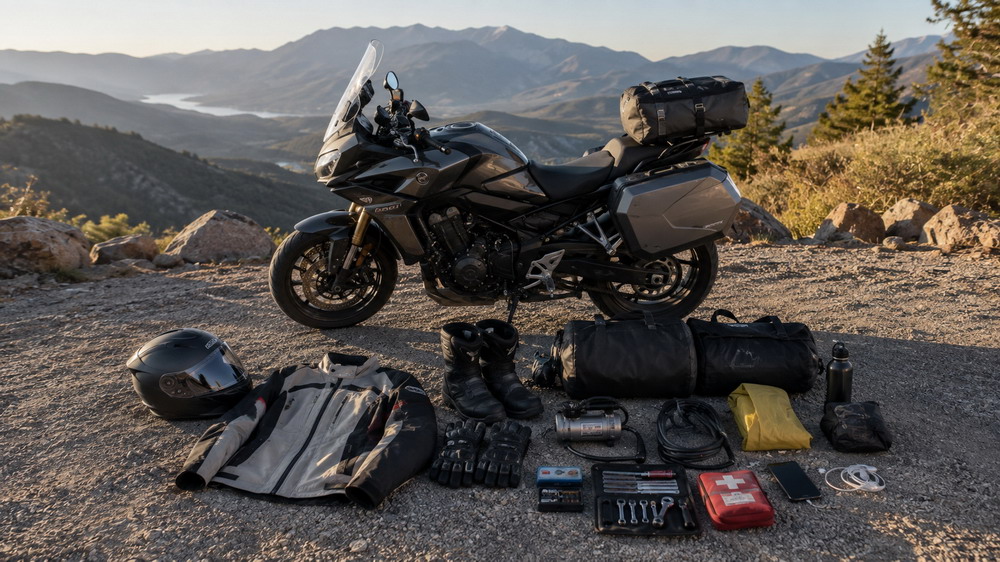
Motorcycle Touring Gear and Packing Essentials
🧭 Use Reliable Motorcycle Navigation
Don't Depend on One Device
Smartphone navigation is extremely useful, but it should not be the only navigation method. Download offline maps before entering remote areas and familiarize yourself with the major highways and towns along the route.
Also prepare alternative routes because construction, wildfires, flooding, severe weather, and seasonal mountain closures can disrupt plans. Knowing where you are going is far more useful than blindly following GPS instructions.
🏨 Plan Accommodation Along the Way
Keep the Schedule Flexible
For major cities, national parks, popular tourist destinations, and busy weekends, booking accommodation in advance is recommended. In less crowded areas, greater flexibility is possible, allowing decisions based on actual daily progress.
When choosing accommodation, look for convenient and secure motorcycle parking. If camping is planned, check campground availability and seasonal restrictions before arriving.
🏞️ Add America's Best Motorcycle Roads
Combine Famous Routes With Local Roads
A cross-country motorcycle trip becomes more interesting when famous routes are combined with less-traveled local roads. Route 66 offers classic American road-trip culture, the Pacific Coast Highway provides coastal scenery, and the Blue Ridge Parkway delivers scenic Appalachian mountain riding. Rider Magazine's collection of America's best motorcycle roads demonstrates how many excellent riding routes exist beyond the most famous highways.
Do not hesitate to leave the planned route occasionally. A small town, roadside diner, scenic viewpoint, or historic attraction can become one of the best memories of the entire journey.
🎧 Choose the Right Motorcycle Touring Gear
Stay Connected on Group Rides
Communication equipment can make long-distance group riding more efficient. A Helmet Communication system allows riders to discuss fuel stops, navigation changes, and road hazards without repeatedly stopping.
A Bluetooth Intercom provides hands-free navigation instructions and rider-to-rider communication, while a Motorcycle Intercom is especially useful when several riders are traveling together.
The most important consideration is to keep technology simple and avoid unnecessary interaction while riding.
Prioritize Protection
For a long motorcycle road trip, a properly fitted helmet, armored jacket, riding pants, gloves, motorcycle boots, eye protection, and weatherproof layers should be considered essential. Test new gear on shorter rides before using it on a multi-state trip.
💤 Manage Fatigue
Know When to Stop
Fatigue is one of the biggest challenges of long-distance motorcycle touring. Take regular breaks to stretch, drink water, eat, and inspect the motorcycle.
If you begin missing turns, losing concentration, or making unusual riding mistakes, stop for the day. A delayed arrival is always preferable to an unsafe ride.
Consider adding a rest day during longer trips. Exploring a city or national park without riding gives the body time to recover and makes the following riding days more enjoyable.
🚨 Prepare for Emergencies
Carry Basic Repair Equipment
A compact tire repair kit, portable air compressor, basic tools, first-aid supplies, flashlight, power bank, and emergency contact information can be extremely valuable during a cross-country trip.
Roadside assistance is also worth considering because a breakdown far from home can make towing and recovery significantly more complicated.
If the motorcycle develops a serious mechanical problem or weather conditions become dangerous, change the plan rather than forcing yourself to continue.
📋 Final Pre-Trip Checklist
Before Leaving Home
A few days before departure, complete the motorcycle inspection, check tires and brakes, test luggage and navigation, download offline maps, check the weather forecast, confirm important accommodation reservations, verify insurance and roadside assistance coverage, and test communication equipment.
Before starting each riding day, check weather and road conditions, confirm fuel stops, inspect the motorcycle, secure the luggage, and ensure electronics are fully charged.
🌎 Final Thoughts
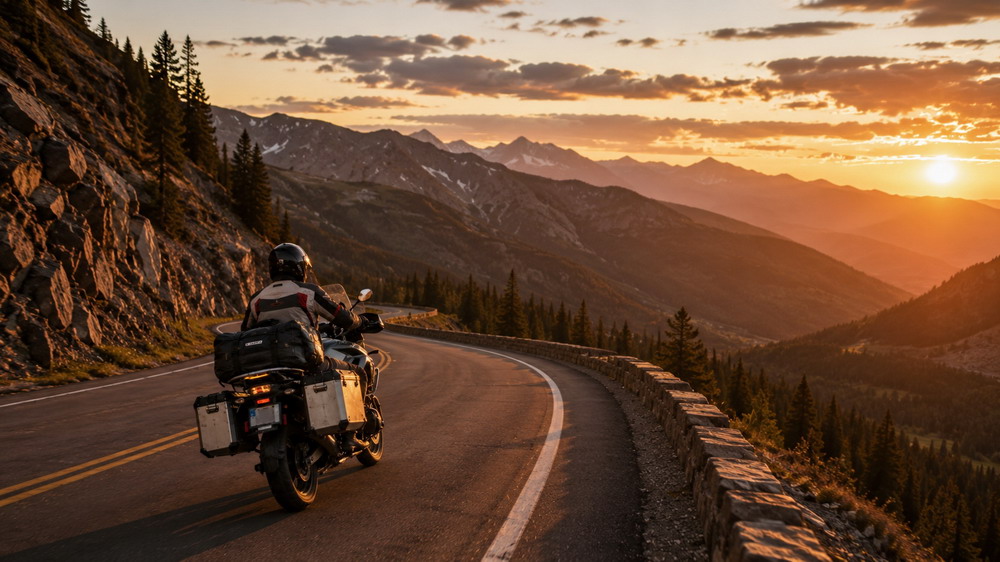
Cross-Country Motorcycle Adventure Across America
Planning a motorcycle road trip across America does not mean planning every mile. The best trips combine preparation with flexibility.
Choose a route that matches your interests, set realistic daily mileage, plan fuel carefully, prepare your motorcycle, pack efficiently, monitor weather conditions, and allow enough time to rest.
Most importantly, remember that the journey matters as much as the destination. America's coastal highways, mountain roads, deserts, forests, historic routes, and small towns offer endless opportunities to explore.
Plan enough to stay safe and comfortable, but leave enough freedom to stop at an unexpected viewpoint, discover a local road, or spend an extra hour enjoying the scenery. That balance is what turns a long motorcycle ride into a truly memorable American motorcycle adventure.
❓ Frequently Asked Questions
🏍️ How many miles should I ride per day?
Around 200–300 miles per day is a practical starting point for relaxed motorcycle touring. Experienced riders can cover more, while mountain roads, traffic, weather, and sightseeing may significantly reduce daily distance.
🗺️ What is the best motorcycle route across America?
There is no single best route. Route 66 is excellent for American road-trip culture, the Pacific Coast Highway is ideal for coastal scenery, and the Blue Ridge Parkway is a great choice for mountain riding.
⛽ How should I plan fuel stops?
Know your motorcycle's realistic fuel range and identify stations along remote sections. Refuel whenever a reliable station is available rather than waiting until the tank is nearly empty.
🎒 What should I pack?
Focus on protective gear, weather layers, basic tools, tire repair equipment, water, first-aid supplies, electronics, important documents, and versatile clothing. Avoid excessive luggage because additional weight can affect handling.
🎧 Is an intercom useful for a cross-country motorcycle trip?
Yes, especially for group rides. A Helmet Communication or Bluetooth Intercom system can help riders coordinate navigation, fuel stops, road hazards, and route changes without frequent stops.

Rodney L is a technical writer and product consultant with over a decade of experience in the motor industry. Rodney is a fan of performance machines that run fast and loud and an expert in all things custom. His numerous articles and write-ups are available at our knowledge base. Whether it’s something wrong with your motorcycle or you are building a custom bike, you can trust Rodney’s experience.
You maybe like to read:
Fodsports Brand Month: Unbeatable Deals and Top-Notch Service
Discover Fodsports Brand Month July and August mark a special occasion for motorcycle enthusiasts and tech lovers alike. Welcome to Fodsports Brand Month! This event is dedicated to celebrating everything that makes Fodsports a leading name in the motorcycle communication industry. Get ready for a fantastic promotions, exceptional service from Fodsports. Let's insights into Fodsports' […]
Cherohala Skyway Tennessee and North Carolina: Fall Motorcycle Riding Guide
Few motorcycle roads in the Southeast combine elevation, open mountain views, and flowing curves quite like the Cherohala Skyway. Stretching about 43 miles between Tellico Plains, Tennessee, and Robbinsville, North Carolina, the National Scenic Byway climbs from lower valleys to elevations above 5,000 feet before crossing the Appalachian high country. In fall, the ride becomes […]
10 Best Autumn Motorcycle Routes in Europe: Scenic Roads, Fall Colors and Riding Tips
🍂 Why Autumn Is One of the Best Seasons for a European Motorcycle Road Trip Europe becomes a completely different riding destination in autumn. Alpine forests turn gold, mountain valleys develop deeper colors, vineyards become vibrant, and many popular roads become quieter after the summer peak. For motorcycle travelers, the biggest advantage is variety. In […]
Pig Trail Scenic Byway Arkansas in Fall: Motorcycle Riding Guide
Winding through the Boston Mountains, the Pig Trail Scenic Byway is one of Arkansas's most enjoyable fall motorcycle routes. AR-23 combines tight mountain curves, dense hardwood forests, and the Mulberry River, creating a ride where the road itself is part of the scenery. In autumn, the Ozarks become even more impressive as the forest changes from […]
Tunnel of Trees Michigan in Fall: Motorcycle Riding Guide
Red and gold forests, winding roads, and glimpses of Lake Michigan make the Tunnel of Trees in Michigan a memorable fall motorcycle destination. The roughly 20-mile M-119 route between Harbor Springs and Cross Village is best enjoyed at a relaxed pace, with plenty of time for scenic stops. Planning a ride in 2026 requires extra attention, […]