The motorcycle communication systems field just got a significant upgrade with the release of the Fodsports FX7. This state-of-the-art Bluetooth mesh intercom is packed with many advanced features and techs. It will revolutionize the way riders communicate and enjoy their rides. Whether you're a solo rider or part of a group, the FX7 offers unparalleled […]

The History of Motorcycle Rallies in America: From Gypsy Tours to Today
September 1, 2026
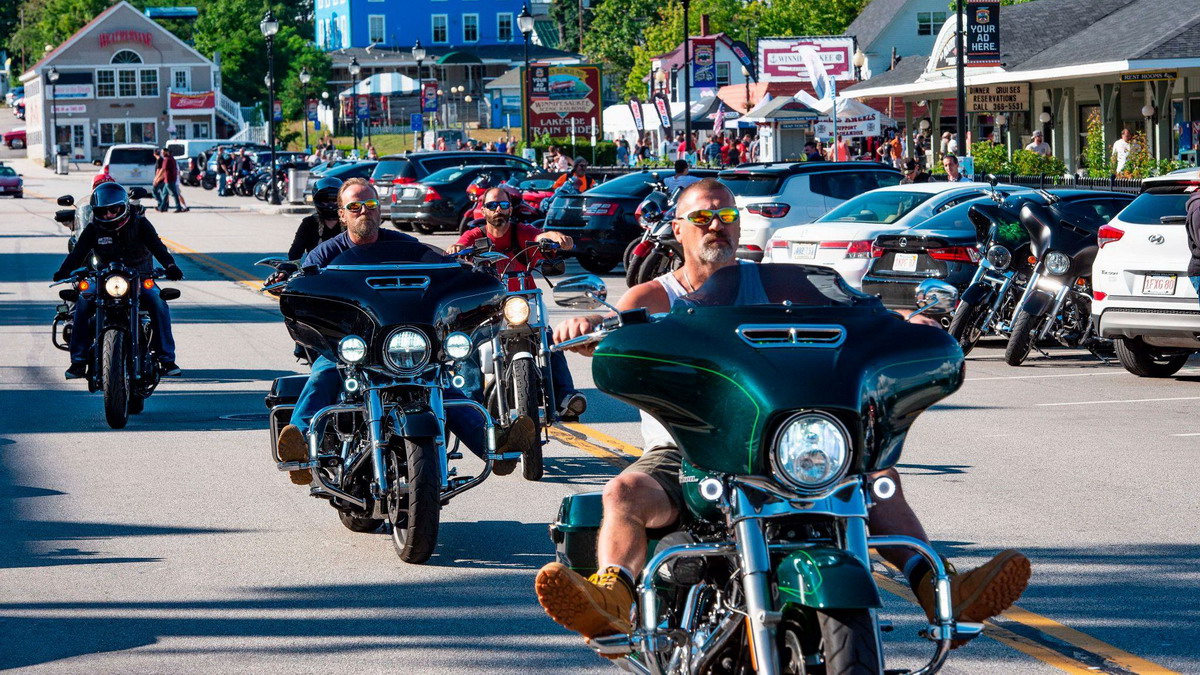
Motorcycle rallies are now an important part of American motorcycle culture. Events such as the Sturgis Motorcycle Rally, Daytona Bike Week, and Laconia Motorcycle Week attract riders for group rides, racing, entertainment, motorcycle shows, and social activities.
But how did motorcycle rallies begin in America?
The history of motorcycle rallies goes back more than a century. Early motorcycle clubs organized group rides and touring events when motorcycles were still relatively new. Over time, these gatherings developed into organized Gypsy Tours, racing events, regional motorcycle weeks, and eventually the large motorcycle festivals riders know today.
Understanding this history helps explain why motorcycle rallies remain such an important part of the American riding experience.
Table of Contents
🏍️ What Is a Motorcycle Rally?
A motorcycle rally is a gathering organized around motorcycles and riding. Modern events may include group rides, races, exhibitions, concerts, vendors, camping, demonstrations, and other activities.
Early motorcycle events were not always called "rallies." Depending on the period and location, they might have been described as motorcycle tours, field meets, races, or Gypsy Tours.
The term therefore covers a broad range of organized motorcycle gatherings rather than one specific type of event.
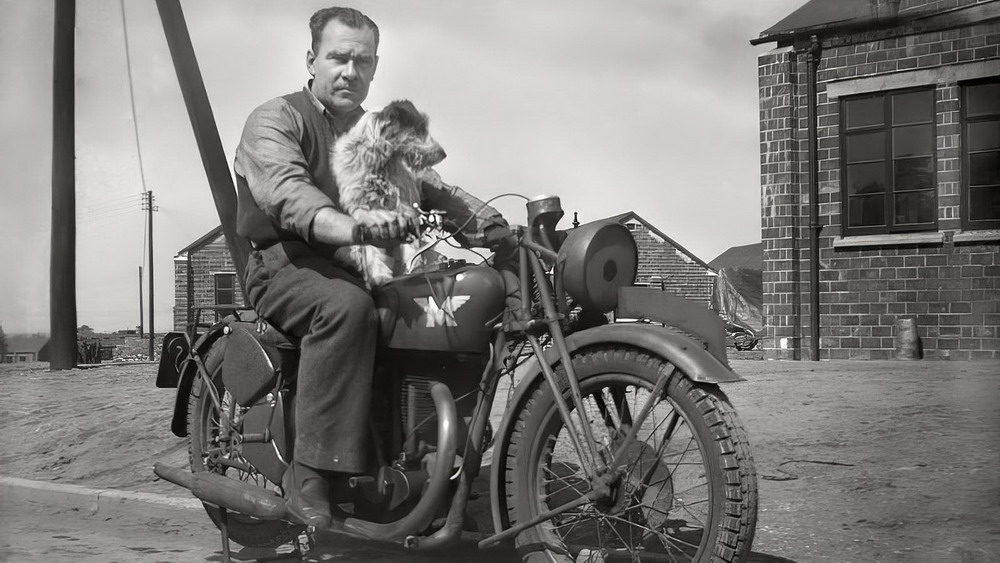
Early American motorcycle rider
🛣️ The Origins of Motorcycle Rallies in America
Motorcycles became increasingly popular in the United States during the early 20th century, and riders began forming clubs and organizing group outings.
One notable early example was the Good Fellowship Tour in Milwaukee in 1913. Events of this kind gave riders an opportunity to travel together while also creating a social occasion around motorcycling.
The development of organized touring was important because it established a basic rally model: riders traveled to a common destination and participated in activities once they arrived.
This format would become more organized during the following decade.
🎪 Gypsy Tours: The Early Roots of Organized Riding
Gypsy Tours were among the most influential early forms of organized motorcycle events.
Typically, riders traveled together to a destination for a picnic or social gathering. Events could also feature hill climbs, dirt-track racing, slow races, motorcycle games, and other competitions.
In 1925, the American Motorcyclist Association recorded 212 individual Gypsy Tours across the United States. The same year saw the first AMA-sanctioned Gypsy Tour.
This widespread activity shows that organized motorcycle gatherings were already an established part of American motorcycling well before the modern era of major rallies.
Gypsy Tours also help explain why there is no simple answer to the question of the "first motorcycle rally in America." Early touring events, races, and social gatherings overlapped without necessarily using today's definition of a rally.
📅 The 1910s and 1920s: Motorcycle Events Become More Organized
The growth of motorcycle organizations helped standardize and promote organized riding events.
The American Motorcycle Association was formally established in 1924, supporting activities such as event sanctions and rider registration.
During this period, motorcycle gatherings expanded beyond individual clubs and became part of a broader national riding culture.
The significance of the 1920s is therefore less about one particular rally and more about the emergence of an organized network of motorcycle events across the country.
🏁 Laconia, Daytona, and Sturgis Shape American Rally History
Several regional events eventually became landmarks in the history of motorcycle rallies in America. Their origins were different, which makes them useful examples of how the rally tradition developed.
Laconia Motorcycle Week
Laconia, New Hampshire, became associated with organized motorcycle gatherings during the early era of American motorcycling.
Its long-running tradition connects today's motorcycle week format with the earlier touring culture. Rather than being centered exclusively on racing, Laconia developed around the broader experience of riding and gathering in the region.
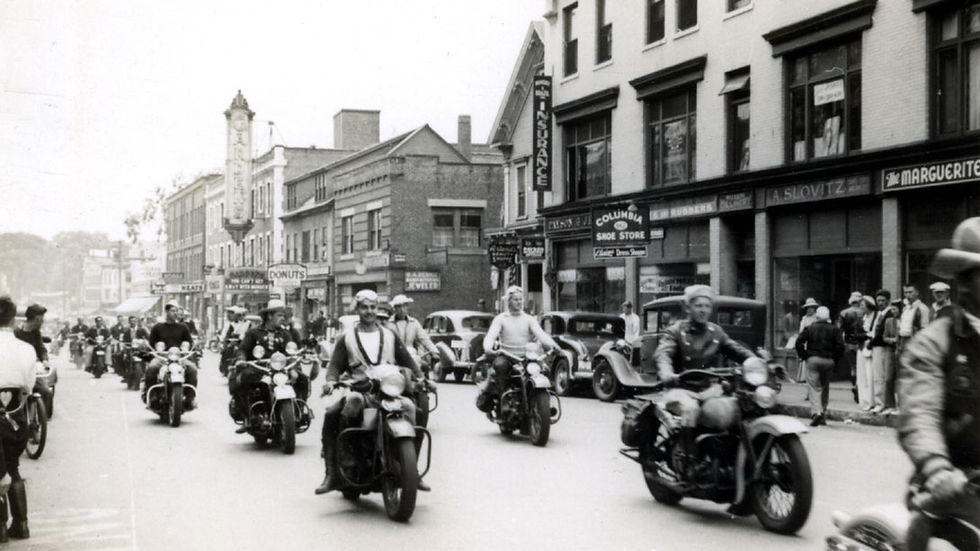
Laconia Motorcycle Week 1930s
Daytona Bike Week
Daytona's motorcycle history is strongly connected to racing.
The first Daytona 200 was held on January 24, 1937, using a beach and road course in Daytona Beach, Florida. Racing helped establish Daytona as a major destination for motorcycle enthusiasts.
Over time, motorcycle activities around Daytona expanded beyond competition to include rides, shows, vendors, and entertainment, creating the larger Bike Week experience known today.
Daytona demonstrates how racing could become the foundation for a much broader motorcycle gathering.
Sturgis Motorcycle Rally
Sturgis began from a much smaller motorcycle competition.
The first advertised rally took place in 1938 and was originally called the Black Hills Classic. Local Indian dealer Pappy Hoel organized the event with the Jackpine Gypsies motorcycle club.
The early event focused heavily on racing. Over the following decades, Sturgis expanded into a much broader motorcycle gathering, eventually becoming one of the most recognizable motorcycle rallies in the United States.
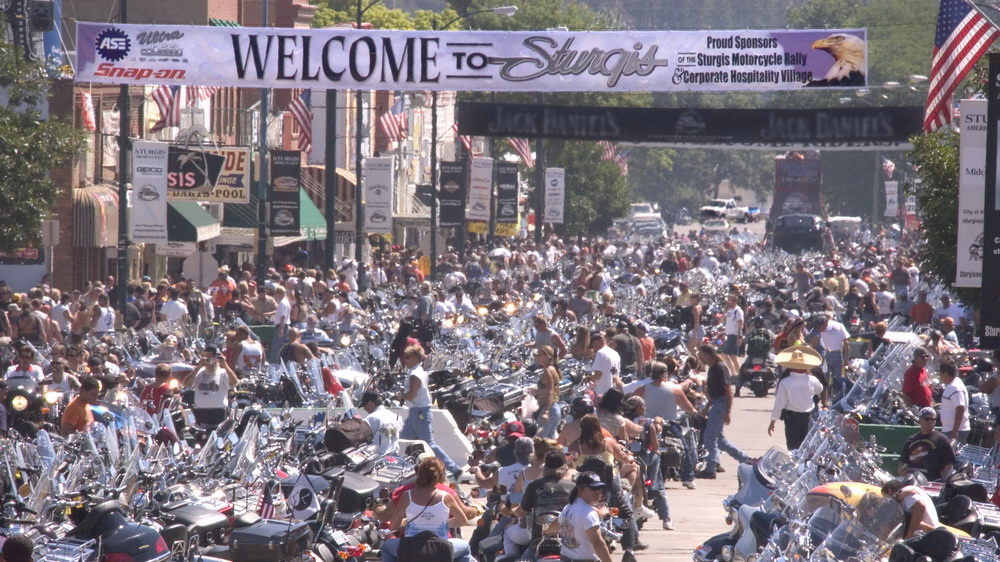
Sturgis Motorcycle Rally
⚔️ World War II and the Post-War Motorcycle Boom
World War II interrupted the growth of many motorcycle events.
Daytona's racing activities were suspended during the war as fuel, tires, and other resources were rationed. Sturgis also experienced a wartime interruption before its post-war return.
After the war, motorcycle culture entered a new period of growth. Motorcycle clubs expanded, manufacturers continued developing new models, and riding became increasingly associated with recreation and personal identity.
This broader cultural shift gave motorcycle rallies a larger audience and helped established events survive across generations.
🎸 How Motorcycle Rallies Became Modern Festivals
The modern rally experience is much broader than the typical motorcycle gathering of the early 20th century.
Early events often centered on riding and competition. Today's major rallies may combine:
- Group rides
- Motorcycle racing
- Custom motorcycle shows
- Live music
- Food and entertainment
- Motorcycle parts and accessories
- Tourism
- Camping
- Club activities
Communication technology has also changed the riding experience.
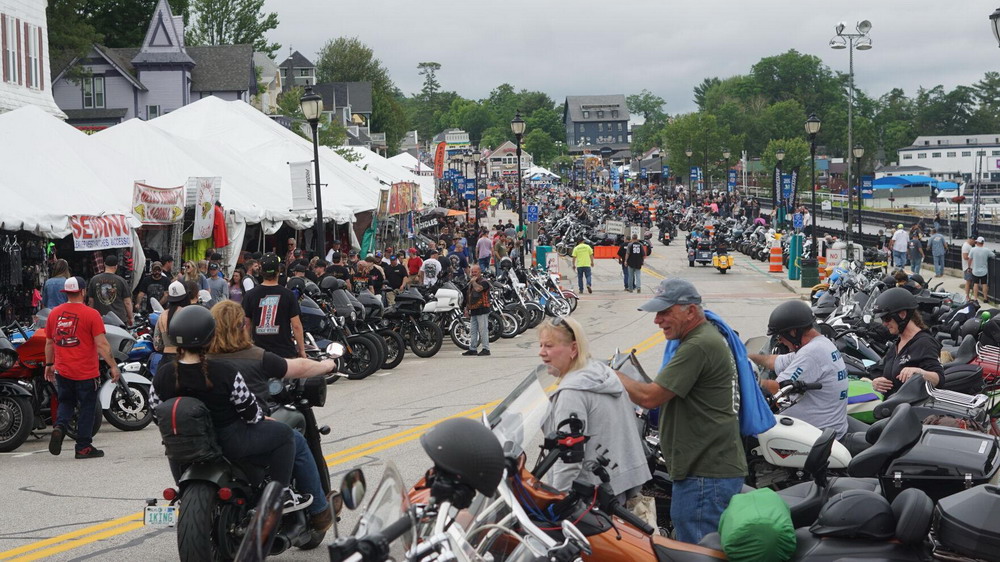
modern american motorcycle rally
Before smartphones and digital communication, riders relied heavily on motorcycle clubs, magazines, printed event information, and word of mouth. Today, riders can coordinate group rides and stay connected using Helmet Communication systems and Bluetooth Intercom technology.
A Motorcycle Intercom can make communication between riders easier during group trips, while the rally itself provides the face-to-face social experience that has always been central to motorcycle gatherings.
🔄 How Motorcycle Rallies Have Changed Over Time
The evolution of American motorcycle rallies can be summarized through several major stages:
| Period | Main Characteristics |
| Early 1900s | Motorcycle clubs and group outings |
| 1910s–1920s | Organized tours and Gypsy Tours |
| 1930s | Racing and established regional events |
| Post-war era | Growth of motorcycle clubs and riding culture |
| Late 20th century | Larger events, tourism, vendors, and entertainment |
| Today | Multi-day motorcycle festivals and national gatherings |
The biggest change has been scale and variety.
The motorcycle remains the central attraction, but modern rallies offer far more activities and draw riders from much larger geographic areas.
🇺🇸 Why Motorcycle Rallies Remain Important
Motorcycle rallies continue to provide something that online motorcycle communities cannot fully reproduce: a shared physical experience.
Riders travel long distances, ride together, meet other enthusiasts, discover new roads, and participate in traditions that have developed over generations.
That combination of travel and community explains why historic events such as Laconia, Daytona, and Sturgis have remained relevant while new rallies continue to emerge.
For many riders, attending a rally is not simply about watching motorcycles. It is part of the journey itself.
🗓️ A Brief Timeline of Motorcycle Rally History
1913 — The Good Fellowship Tour provides an early example of organized motorcycle touring.
1910s–1920s — Gypsy Tours become increasingly popular across the United States.
1924 — The American Motorcycle Association is formally established.
1925 — 212 individual Gypsy Tours are recorded across the country.
1937 — The first Daytona 200 takes place in Daytona Beach.
1938 — The first advertised Sturgis Rally, then called the Black Hills Classic, is held.
1940s — World War II interrupts major motorcycle racing and rally activities.
Post-war era — Motorcycle clubs and organized riding communities expand.
Late 20th century — Major rallies increasingly incorporate tourism, entertainment, and commercial activities.
Today — Motorcycle rallies range from traditional riding gatherings to large multi-day motorcycle festivals.
❓ Frequently Asked Questions
What was the first motorcycle rally in America?
There is no universally accepted answer because early motorcycle tours, Gypsy Tours, races, and organized gatherings were not always defined as "rallies." The Good Fellowship Tour of 1913 and early Gypsy Tours are important examples of organized motorcycle events.
What were Gypsy Tours?
Gypsy Tours were organized motorcycle rides that brought riders to a destination for social gatherings, often combined with motorcycle games and competitions. They became an important part of early American motorcycle event culture.
When did the Sturgis Motorcycle Rally start?
The first advertised Sturgis Rally took place in 1938 and was originally known as the Black Hills Classic. It was organized by Pappy Hoel and the Jackpine Gypsies motorcycle club.
When did Daytona Bike Week begin?
Daytona's motorcycle tradition is closely connected to the first Daytona 200, held on January 24, 1937. The race helped establish Daytona Beach as an important motorcycle destination.
🏍️ The Legacy of American Motorcycle Rallies
From early motorcycle tours to today's large-scale events, the history of motorcycle rallies in America reflects the changing ways riders travel, compete, socialize, and experience motorcycle culture.
Gypsy Tours established the early foundation. Events such as Laconia, Daytona, and Sturgis developed their own identities. Post-war motorcycle culture expanded their audience, while modern tourism, entertainment, and technology transformed the rally into a much larger experience.
Yet the essential attraction has remained simple:
Get on the motorcycle, ride somewhere, and share the experience with other riders.

Rodney L is a technical writer and product consultant with over a decade of experience in the motor industry. Rodney is a fan of performance machines that run fast and loud and an expert in all things custom. His numerous articles and write-ups are available at our knowledge base. Whether it’s something wrong with your motorcycle or you are building a custom bike, you can trust Rodney’s experience.
You maybe like to read:
Fodsports Brand Month: Unbeatable Deals and Top-Notch Service
Discover Fodsports Brand Month July and August mark a special occasion for motorcycle enthusiasts and tech lovers alike. Welcome to Fodsports Brand Month! This event is dedicated to celebrating everything that makes Fodsports a leading name in the motorcycle communication industry. Get ready for a fantastic promotions, exceptional service from Fodsports. Let's insights into Fodsports' […]
North Coast 500 Motorcycle Guide: Exploring Scotland in Autumn
Autumn transforms Scotland’s North Coast 500 into a memorable destination for motorcycle touring. Golden Highland forests, winding coastal roads, rugged mountains, and quiet fishing villages create a striking backdrop for an autumn ride. A North Coast 500 motorcycle trip, however, requires more than a scenic route. Rain, strong winds, wet leaves, and shorter daylight hours […]
Transalpina in Autumn: Romania’s Ultimate Motorcycle Riding Guide
Autumn brings a different atmosphere to Transalpina, Romania’s spectacular high-mountain road. Golden forests cover the lower slopes, open alpine ridges reveal sweeping Carpathian views, and winding asphalt makes this route a memorable destination for motorcycle touring. But an autumn ride requires more than choosing a scenic road. Temperatures can drop quickly at altitude, mountain weather […]
Motorcycle Camera Buying Guide: How to Choose the Right Camera for Your Ride
Every motorcycle ride has a story worth capturing: a winding mountain road, a weekend adventure with friends, or an unexpected moment in traffic. But choosing the right motorcycle camera is not simply about buying the model with the highest resolution. Shaky footage, poor audio, short battery life, and unreliable mounting can turn an exciting ride […]
Transfăgărășan in Autumn: Romania’s Ultimate Motorcycle Riding Guide
Autumn transforms Romania’s Transfăgărășan Highway into a dramatic mountain journey, with golden forests, rugged peaks, winding asphalt, and sweeping views across the Făgăraș Mountains. For motorcycle riders, it offers a memorable combination of technical corners, spectacular scenery, and opportunities to explore the Romanian countryside. But an autumn ride requires more planning than a summer trip. […]