The motorcycle communication systems field just got a significant upgrade with the release of the Fodsports FX7. This state-of-the-art Bluetooth mesh intercom is packed with many advanced features and techs. It will revolutionize the way riders communicate and enjoy their rides. Whether you're a solo rider or part of a group, the FX7 offers unparalleled […]

Transalpina in Autumn: Romania’s Ultimate Motorcycle Riding Guide
October 20, 2026
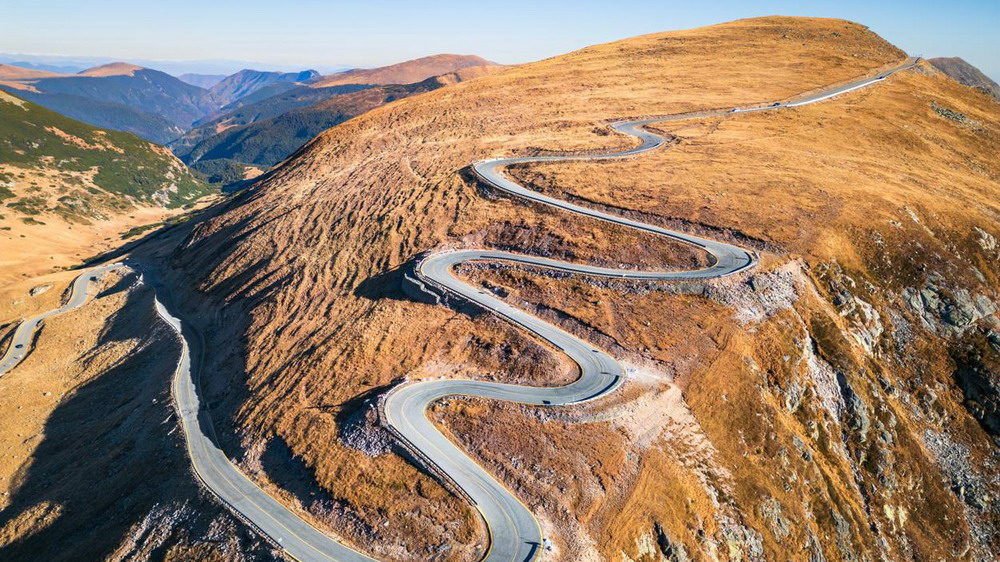
Autumn brings a different atmosphere to Transalpina, Romania’s spectacular high-mountain road. Golden forests cover the lower slopes, open alpine ridges reveal sweeping Carpathian views, and winding asphalt makes this route a memorable destination for motorcycle touring.
But an autumn ride requires more than choosing a scenic road. Temperatures can drop quickly at altitude, mountain weather can change within hours, and seasonal closures may prevent riders from completing the full crossing.
The key to enjoying Transalpina in autumn is to check road access, start early, and prepare for cold, wind, and changing road conditions. This guide covers the route, its best scenic highlights, practical riding advice, and what to check before setting off.
Table of Contents
⚠️ Before You Ride: Autumn Road Closures
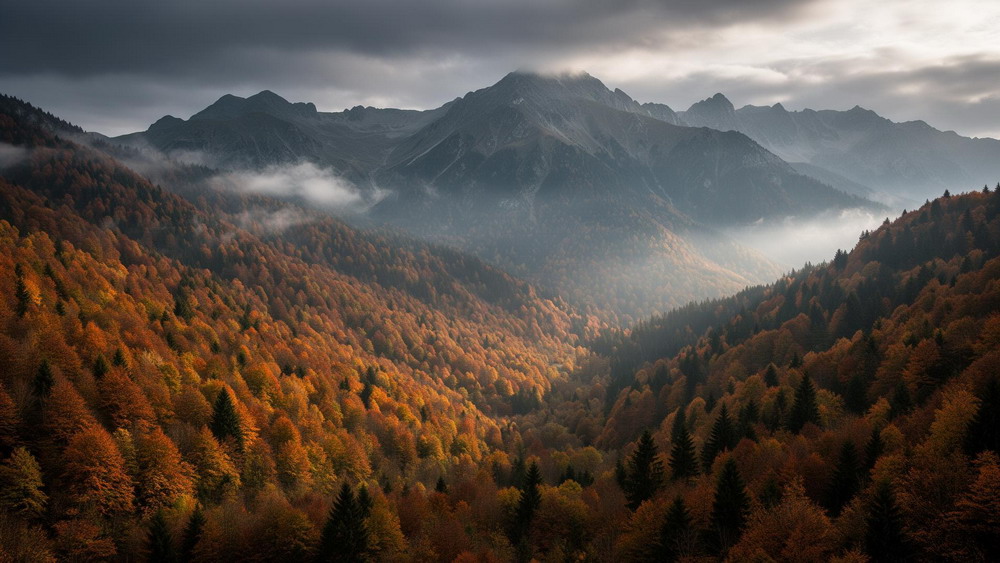
transalpina autumn mist mountain landscape
Transalpina, designated DN67C, crosses the Parâng Mountains and is not open across its entire high-altitude section throughout the year. The stretch between Rânca and Curpăt, passing through the alpine area around Obârșia Lotrului, is particularly vulnerable to winter weather.
The road may close in autumn because of snow, ice, strong winds, poor visibility, or other hazardous conditions. There is no guaranteed annual closing date. Authorities may also introduce temporary restrictions when conditions deteriorate.
Before leaving, check:
- Whether the high-altitude section is open to motorcycles.
- Any daytime or nighttime traffic restrictions.
- Mountain weather warnings and forecasts along the route.
- Whether rain, snow, or freezing temperatures are expected.
- Alternative routes and accommodation if the crossing is closed.
Do not rely solely on a navigation app to determine whether the road is accessible. If barriers or official notices indicate a closure, do not enter the restricted section.
🏍️ Transalpina Route Overview
Transalpina follows DN67C through Romania’s Parâng Mountains, connecting the Novaci area in the south with Sebeș in the north. The road is commonly described as approximately 148 kilometres long, reaching around 2,145 metres at Urdele Pass. This makes it Romania’s highest public road.
Southern Approach: Novaci and Rânca
Starting from Novaci, the road climbs toward Rânca, a mountain resort that makes a useful staging point for the alpine crossing.
The ascent features forested slopes, increasingly open views, and winding sections. Rânca can also be a practical place to arrange accommodation, check the forecast, and confirm road conditions before continuing.
Refuel before heading into the mountains rather than assuming that fuel will be available along the high-altitude section.
Alpine Crossing: Urdele Pass
The high-altitude section is the defining feature of a Transalpina motorcycle route. Near Urdele Pass, the landscape opens into exposed mountain ridges and broad alpine panoramas.
This section offers long stretches of open scenery, but the exposure also means riders may encounter strong crosswinds, low cloud, and rapidly changing temperatures. Take extra care on bends where visibility is limited.
Northern Approach: Oașa Lake and Sebeș
Continuing north, the road descends toward Obârșia Lotrului and the forested landscapes around Oașa Lake before heading toward Sebeș.
This section adds a different character to the journey: wooded valleys, reservoir views, and a gradual transition from exposed alpine terrain to lower mountain scenery.
🍂 Best Autumn Highlights Along Transalpina
1. Urdele Pass and the Alpine Panorama
Urdele Pass is the main scenic highlight for riders seeking high-mountain views. At approximately 2,145 metres, it offers a dramatic perspective across the surrounding Parâng Mountains.
In clear weather, the open terrain and sweeping road curves create excellent photography opportunities. Pull over only at safe, permitted stopping places, and avoid stopping in the carriageway to take pictures.
2. Rânca Mountain Resort
Rânca is a convenient base for exploring the southern approach to Transalpina. It is particularly useful if you want to stay overnight rather than complete the entire crossing in one day.
Autumn brings cooler air and changing colours to the surrounding slopes. However, cold conditions can arrive early at this elevation, so confirm accommodation availability and the forecast before travelling.
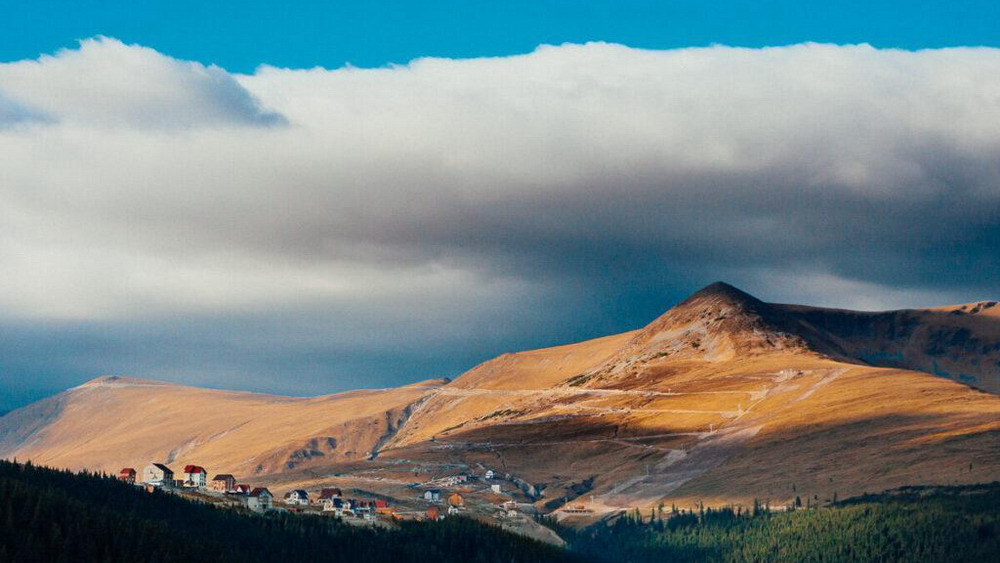
ranca romania autumn mountain landscape
3. Oașa Lake
Oașa Lake offers a quieter contrast to the exposed alpine ridge. The reservoir, forested slopes, and mountain reflections create an attractive place to pause during a northbound ride.
Autumn colours can be particularly appealing around the lower forested sections. Foliage timing varies by elevation and weather, so avoid assuming that peak colour will occur on a specific date.
4. The Changing Mountain Landscape
One of Transalpina's greatest strengths is the variation in scenery over a relatively short distance. Riders can move from wooded valleys to open alpine terrain and back again.
Plan stops around safe viewpoints, allow extra time for changing visibility, and remember that a scenic day does not necessarily mean a warm one.
📅 When Is the Best Time to Ride Transalpina in Autumn?
For riders hoping to cross the high section, early autumn is generally the more practical planning window. It may offer cooler temperatures and the beginning of autumn colour while providing a better chance of finding the road open than later in the season.
September and early October may be suitable, but neither month guarantees access. A cold front or early snowfall can trigger restrictions before the expected seasonal closure.
Later in October, road access becomes increasingly uncertain. Lower-altitude areas may still offer attractive autumn scenery even when the alpine crossing is closed.
Check the Romanian National Meteorological Administration's forecasts and warnings, and verify the latest road announcements before departure. Conditions at mountain elevation may differ substantially from those in nearby towns.
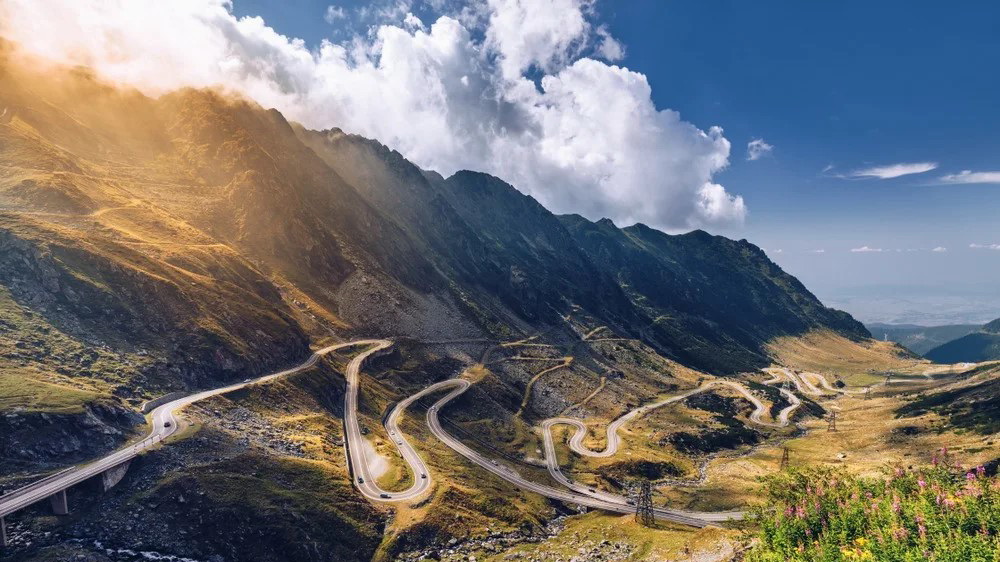
Transalpina Romania
🛣️ Motorcycle Riding Tips for Autumn
Autumn mountain riding calls for a more conservative approach than riding on warm, dry summer roads.
- Expect colder surfaces: Tyres may take longer to reach their normal operating temperature in cold conditions. Avoid abrupt acceleration, braking, and steering inputs.
- Watch shaded corners: Damp leaves, mud, gravel, and patches of moisture can reduce grip, especially where sunlight does not reach the road.
- Allow more stopping distance: Reduce speed before entering bends and leave additional space behind other vehicles.
- Prepare for wind and fog: Exposed ridges can be windy, while low cloud can reduce visibility with little warning.
- Plan around daylight: Start early enough to complete the intended section before temperatures fall and visibility deteriorates.
- Refuel strategically: Check fuel locations in advance and refuel before the climb.
Plan around the conditions you actually encounter, not the schedule you hoped to follow. If the road becomes wet, visibility drops, or temperatures approach freezing, shorten the route or turn back.
🧤 What to Pack for an Autumn Motorcycle Tour
A suitable layering system is more useful than relying on one heavy jacket. Bring a windproof and waterproof outer layer, an insulating mid-layer, warm gloves, and thermal base layers. A neck warmer and spare dry gloves can also improve comfort during cold mountain sections.
Before departure, check tyre condition, brakes, lights, chain tension where applicable, and luggage security. Carry drinking water, food, a first-aid kit, basic repair supplies, and a phone with offline maps.
A power bank is useful if you depend on your phone for navigation. Keep essential items accessible without needing to unpack everything at a roadside stop.
📡 Staying Connected on a Group Ride
Group rides can become more complicated when riders spread out across mountain bends or stop at different viewpoints. Agree on meeting points, a route, and a plan for what to do if someone falls behind.
A Helmet Communication system can help riders coordinate stops and communicate while moving. A Bluetooth Intercom may be useful for rider-to-rider conversations, while a Motorcycle Intercom can support communication on longer touring days.
Communication equipment is an aid, not a substitute for safe riding. Keep your attention on the road, follow local laws, and never allow a conversation to distract you from changing conditions.
🗺️ Suggested One-Day Transalpina Route Plan
If the entire high-altitude section is officially open, a northbound or southbound crossing can be planned around these broad stages:
- Morning: Start from Novaci or Sebeș after checking road status and weather.
- Mid-route: Stop at safe viewpoints around the alpine section and Urdele Pass when visibility allows.
- Afternoon: Continue toward Rânca, Obârșia Lotrului, or Oașa Lake, depending on your direction and available daylight.
- Before dusk: Reach your planned overnight stop or finish the crossing without rushing.
The actual time required depends on weather, traffic, road restrictions, and photography stops. Do not treat this as a fixed timetable. If the alpine section is closed, choose an accessible lower-altitude route instead of trying to complete the crossing.
🍁 Final Thoughts
Transalpina in autumn combines open mountain scenery, winding roads, forest colours, and memorable viewpoints. Its appeal lies in the contrast between exposed alpine ridges and quieter lakeside and valley landscapes.
The most important part of planning a Transalpina motorcycle tour is understanding that autumn access is never guaranteed. Check official road information, prepare for cold and changing weather, and leave enough time to adjust your plans.
With realistic expectations and a flexible route, Transalpina can be a rewarding highlight of a Romania motorcycle touring trip.
❓ Frequently Asked Questions
1. Is Transalpina worth visiting in autumn?
Yes, when the road is open and conditions are suitable. Autumn can bring colourful forests, clear mountain views, and cooler riding temperatures, although weather and access can change quickly.
2. When does Transalpina close for winter?
There is no guaranteed annual closing date. The high-altitude section may close in autumn because of snow, ice, or other hazardous conditions. Always check current official announcements.
3. How high is Transalpina?
Transalpina reaches approximately 2,145 metres at Urdele Pass, making it Romania’s highest public road.
4. How long is the Transalpina motorcycle route?
DN67C is commonly cited as approximately 148 kilometres long between the Novaci and Sebeș areas. The time needed depends on weather, stops, and road restrictions.
5. What should I wear for an autumn ride on Transalpina?
Wear layered motorcycle gear with waterproof and windproof protection, thermal layers, and warm gloves. Check the forecast at mountain elevation rather than relying only on conditions in nearby towns.
📚 Authoritative Sources
- Romanian Police — Traffic Information
https://politiaromana.ro/ro/info-trafic
- National Meteorological Administration of Romania
https://www.meteoromania.ro/
- National Company for Road Infrastructure Administration (CNAIR) — Official Announcements
https://www.cnadnr.ro/
- Visit Gorj — The King's Road, Transalpina
https://visitgorj.ro/en/places/the-king-s-road--transalpina
- ro — Transalpina DN67C Route Guide
https://www.itinerant.ro/en/routes/transalpina

Rodney L is a technical writer and product consultant with over a decade of experience in the motor industry. Rodney is a fan of performance machines that run fast and loud and an expert in all things custom. His numerous articles and write-ups are available at our knowledge base. Whether it’s something wrong with your motorcycle or you are building a custom bike, you can trust Rodney’s experience.
You maybe like to read:
Fodsports Brand Month: Unbeatable Deals and Top-Notch Service
Discover Fodsports Brand Month July and August mark a special occasion for motorcycle enthusiasts and tech lovers alike. Welcome to Fodsports Brand Month! This event is dedicated to celebrating everything that makes Fodsports a leading name in the motorcycle communication industry. Get ready for a fantastic promotions, exceptional service from Fodsports. Let's insights into Fodsports' […]
Transalpina in Autumn: Romania’s Ultimate Motorcycle Riding Guide
Autumn brings a different atmosphere to Transalpina, Romania’s spectacular high-mountain road. Golden forests cover the lower slopes, open alpine ridges reveal sweeping Carpathian views, and winding asphalt makes this route a memorable destination for motorcycle touring. But an autumn ride requires more than choosing a scenic road. Temperatures can drop quickly at altitude, mountain weather […]
Motorcycle Camera Buying Guide: How to Choose the Right Camera for Your Ride
Every motorcycle ride has a story worth capturing: a winding mountain road, a weekend adventure with friends, or an unexpected moment in traffic. But choosing the right motorcycle camera is not simply about buying the model with the highest resolution. Shaky footage, poor audio, short battery life, and unreliable mounting can turn an exciting ride […]
Transfăgărășan in Autumn: Romania’s Ultimate Motorcycle Riding Guide
Autumn transforms Romania’s Transfăgărășan Highway into a dramatic mountain journey, with golden forests, rugged peaks, winding asphalt, and sweeping views across the Făgăraș Mountains. For motorcycle riders, it offers a memorable combination of technical corners, spectacular scenery, and opportunities to explore the Romanian countryside. But an autumn ride requires more planning than a summer trip. […]
Grossglockner High Alpine Road in Fall: Austria Motorcycle Riding Guide
Autumn transforms Austria’s Grossglockner High Alpine Road into a spectacular mountain destination. Golden larch trees brighten the slopes, crisp Alpine air can reveal dramatic mountain views, and 36 hairpin bends make the journey memorable for motorcycle enthusiasts. Yet autumn also brings unpredictable weather, cold pavement, and possible road closures. For riders planning an Austrian Alps […]