The motorcycle communication systems field just got a significant upgrade with the release of the Fodsports FX7. This state-of-the-art Bluetooth mesh intercom is packed with many advanced features and techs. It will revolutionize the way riders communicate and enjoy their rides. Whether you're a solo rider or part of a group, the FX7 offers unparalleled […]

How To Join A Motorcycle Club? (All You Need to Know 2026)
April 1, 2026
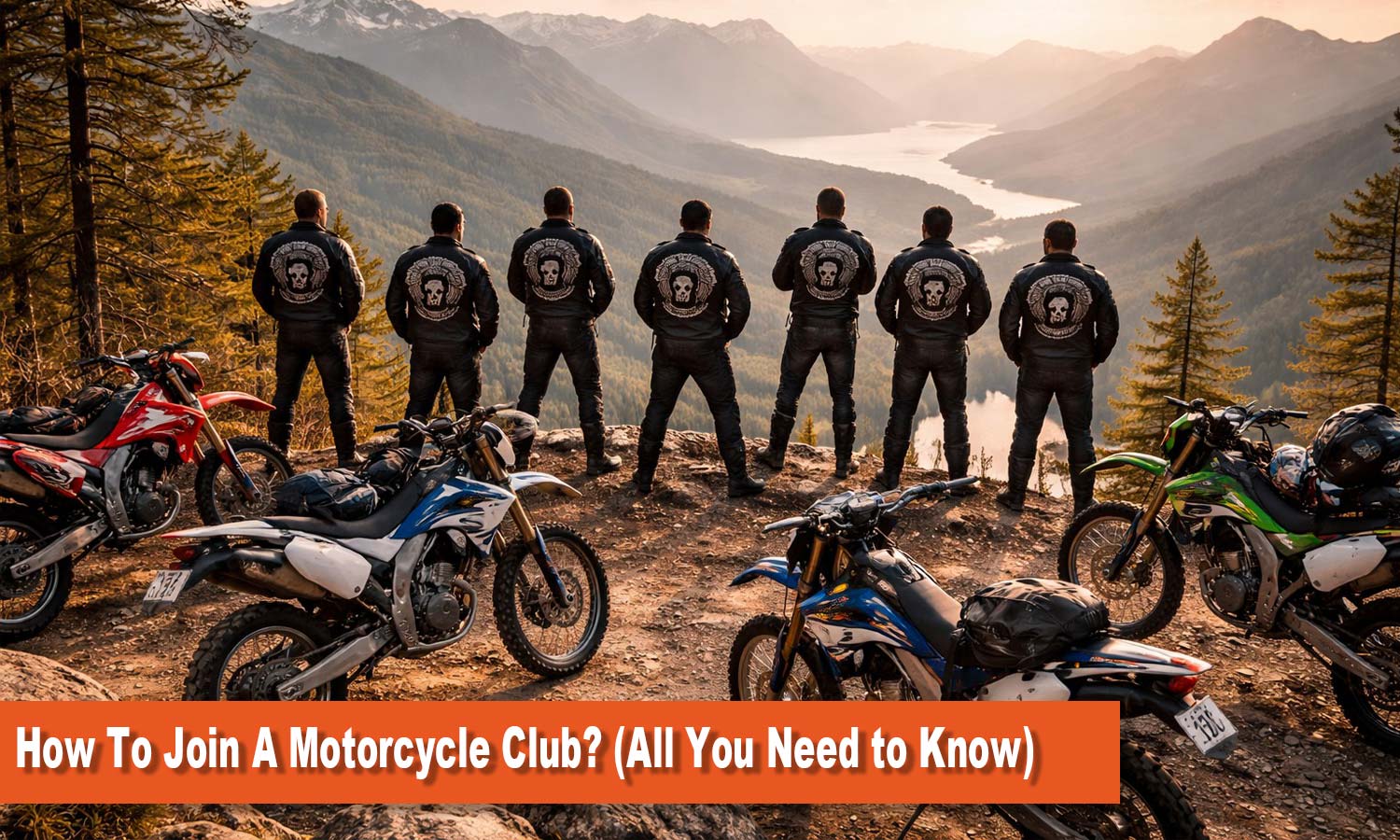
Maybe you’ve watched a group of riders cruise by in a tight group, all wearing the same patches and moving like one unit. They are riders from the same motorcycle club. Have you ever thought about how to join a motorcycle club?
Actually, motorcycle clubs aren’t just your average riding crew.
I’m not talking about those weekend hangouts or casual rides, I mean these real motorcycle clubs. The kind where loyalty matters, respect is earned, and nothing comes easy.
I’ve spent a long time around these clubs—riding alongside them, working with them, and picking up on how the whole thing really ticks behind the scenes.
And, honestly, joining a motorcycle club isn’t like signing up for a newsletter or a casual group. It’s earned. It’s a process, a commitment, and a test.
In this guide, I’m going to cover all the bases before you even think about jumping in a motorcycle club.
We’ll talk about how the system actually works,
what it really takes to be part of one,
and most importantly, what a lot of folks completely misunderstand about these clubs.
So buckle up, because it’s not as simple as it looks.
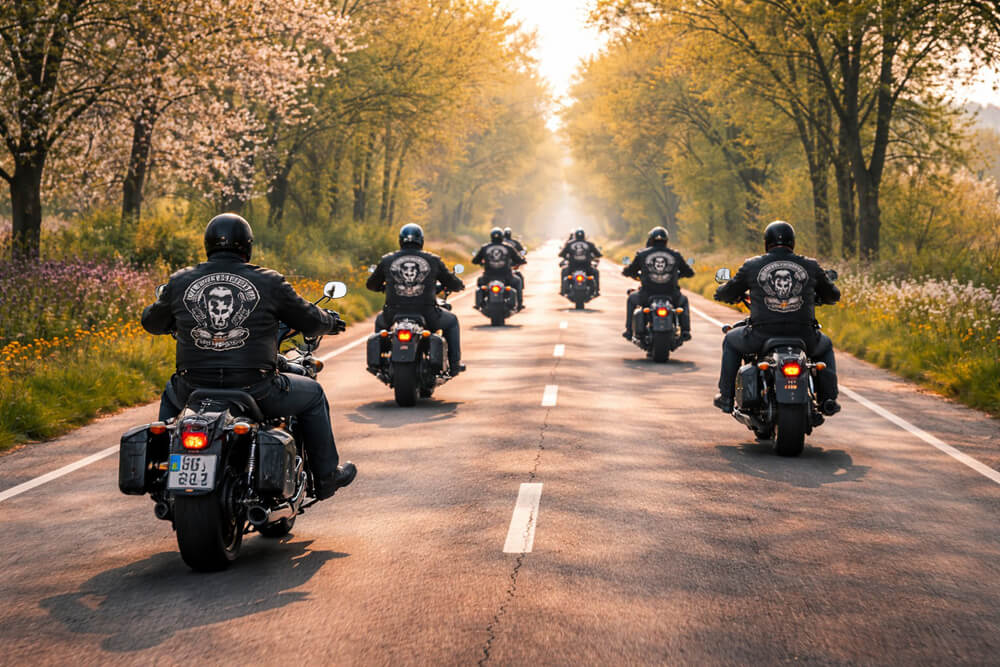
join a motorcycle club and ride together
Table of Contents
What Is a Motorcycle Club (MC)?
A motorcycle club is not just about riding. It’s a structured brotherhood built on: loyalty, respect, commitment and shared identity.
It is the traditional, structured format. MCs have strict rules, hierarchy, and often patches (colors). Many are highly selective.
Key Characteristics of a Motorcycle Club (MC)
- Structure and Hierarchy: MCs operate under a formal chain of command, typically including a President, Vice President, Secretary, Treasurer, Sergeant-at-Arms, and Road Captain.
- The "Patch" and Colors: Members wear a vest, known as a "cut" or "kutte," which features the club's "colors" (patches). Traditional MCs often use a three-piece patch layout: a top rocker (club name), a center logo, and a bottom rocker (location/chapter).
- Membership Process: Becoming a full "patchholder" is a long process. It usually involves starting as a "hangaround" (getting to know the club) and then becoming a "prospect" (a probationary period where loyalty and work are tested) before being voted in as a full member.
- Camaraderie and Loyalty: For many, the MC is a second family. Members are expected to prioritize the club and support their "brothers" at all times.
MC vs RC vs Riding Groups
- MC (Motorcycle Club)
This is the traditional, structured format. MCs have strict rules, hierarchy, and often patches (colors). Many are highly selective. - RC (Riding Club)
More relaxed than MCs. Still organized, but fewer rules and less commitment. Great entry point for most riders. - Riding Groups
These are casual—friends or online-organized meetups. No formal membership process, just show up and ride.
👉 If you're a beginner rider, an RC or riding group is usually the smarter place to start.
Should You Join a Motorcycle Club?
Let me be honest with you—this is not for everyone, and definitely not a path that suits everyone.
A lot of riders love the idea of joining a motorcycle club. The brotherhood vibe, the group rides, the respect that comes with it—it all sounds pretty great.
But what most riders don’t realize is how much the lifestyle actually requires from you.
The good side:
- You get a strong bond with riders who feel more like family than just friends
- You know you’ll always have riders to rely on, no matter what happens.
- The club usually organizes rides and events in a structured way, so you’re not just out there solo all the time.
- Being part of a club gives you a certain identity, something that sets you apart.
The reality:
- In a motorcycle club, you’re not the top priority—the club is.
- You’re stepping into a world where your personal time, money, and sense of freedom might take a backseat.
- There are rules you have to follow, expectations to meet, and consequences if you don’t.
As a top and experienced rider, guide, I must emphasize this: joining an MC is a lifestyle commitment, not a hobby.
If you’re mainly after riding buddies and casual group rides, a riding club might actually fit your needs better.
But if you want something more meaningful and you’re prepared to put in the work to earn your place, then it’s worth diving deeper to understand what you’re really getting into.
Which Type Is Right for You?
Ask yourself:
- Do I want structure or flexibility?
- Am I okay with rules and commitments?
- Do I ride often enough to stay active?
If you just want to ride and meet people, don’t jump straight into a hardcore MC. Build experience first.
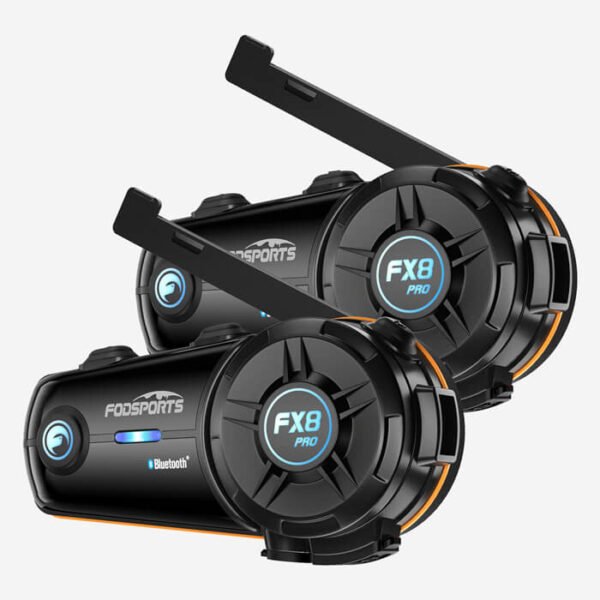
Fodsports FX8 Pro Motorcycle Bluetooth Intercom
Price: $109.99 $179.99
Code:
Limited Time Promo! Extra 10% Off Code! Save Now!
DJOW9
Dual Bluetooth Chip Design.
10 Riders Group Communication, 2000m Distance!
Optional HRSQ Mic and Speakers, CVC + ENC + DSP Noise Cancelation.
Listen to Music/GPS and Intercom At the Same Time.
IP67 Waterproof.
Compatible with Fodsports Connect APP
FM Radio, Music Sharing, Voice Commands.
10 Riders Group Communication, 2000m Distance!
Optional HRSQ Mic and Speakers, CVC + ENC + DSP Noise Cancelation.
Listen to Music/GPS and Intercom At the Same Time.
IP67 Waterproof.
Compatible with Fodsports Connect APP
FM Radio, Music Sharing, Voice Commands.
39%
OFF
OFF
Use Fodsports Helmet Communication Systems for Motorcycle Club Riding
Basic Requirements to Join a Motorcycle Club
Different clubs may run differently, so the requirements may also different. But there are some expectations that tend to be pretty standard across the board.
If you’re thinking about joining a motorcycle club, there are a few basics you should know in advance.
1. You need a motorcycle
Sounds obvious, right? But it’s not just any bike that will do.
Some clubs have a clear preference—they might lean towards cruisers, Harleys, or certain types of bikes that fit their vibe.
For example, a Harley-Davidson motorcycle club usually only accepts Harley motorcycle owners. A Honda owner will never be allowed to join their club, right?
So, if you’re rolling in on something way off their radar, that might be a dealbreaker.
2. You need a valid license
This is not only proof that you are legally allowed to ride.
The members in the motorcycle club also expect you to actually know how to handle your bike well.
Riding skill is important. Nobody wants someone who’s more of a liability on group rides.
3. You need time
This is an aspect that many riders will ignore.
Motorcycle clubs aren’t just weekend hobbies; they expect you to show up regularly.
So, being consistent and present at the club's events and activities matters a lot.
Because what holds a club together is the face-to-face time and participation.
4. You need the right mindset
You need to be respectful, loyal, patient and not ego-driven in the club. Clubs want people who are there for the ride and the camaraderie, not personal glory.
Some clubs also have extra rules(requirements), like age limits or proof of being responsible in other areas of life. These aren’t universal but worth keeping in mind.
To be honest, what really makes a difference is your attitude and how you fit into the group dynamic. Skills and mindset often outweigh any formal requirement when a motorcycle club decides if you belong.
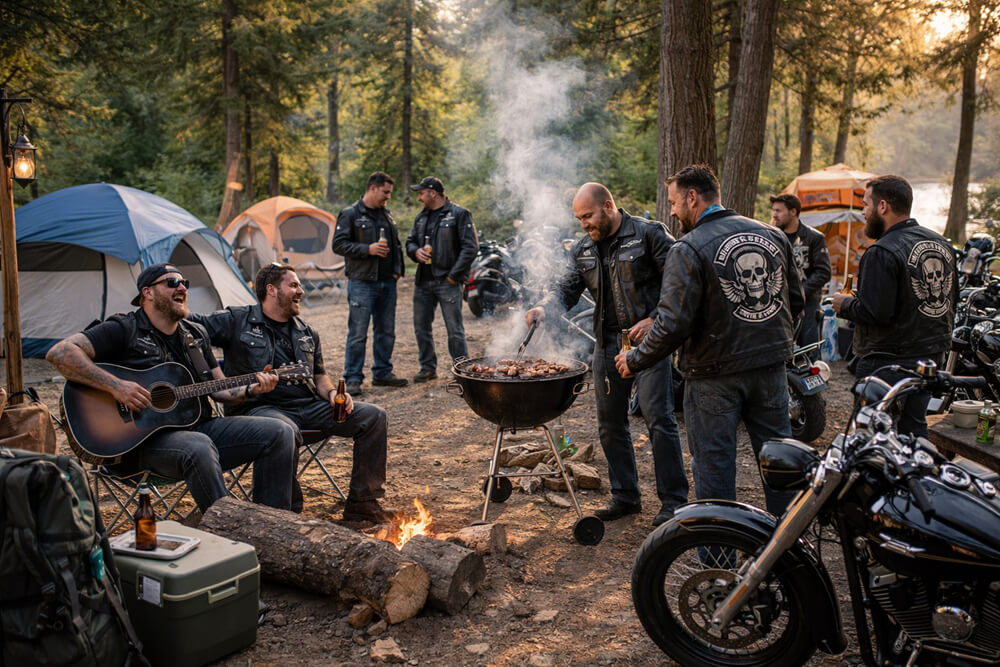
motorcycle club outdoor riding and camping
Step-by-Step: How To Join a Motorcycle Club?
This is where most people get it wrong.
Don’t walk up and directly ask, “Can I join this motorcycle club?”
That’s actually one of the fastest ways to make yourself get ignored.
Joining a motorcycle club isn’t like signing up for a gym—it’s a process.
Step 1 – Find the Right Club
Start from the motorcycle clubs that are near your location. Then you can attend their events conveniently and frequently.
These clubs usually grow from actual, face-to-face connections rather than just online chatter.
So where should you begin your search?
- Check out bike nights in your area
- Local motorcycle rallies and events are another good spot; you’ll find all kinds of riders there.
- The meetups hosted by dealerships — they often draw a crowd of folks passionate about biking.
- Learn from those social media groups.
What you need to pay attention to:
- Be careful how the club members treat each other.
- Notice the types of bikes they ride—sometimes that says a lot about the club’s focus or style.
- Tune in to their overall vibe, the culture they’ve built around riding.
👉 Not every club is a good fit—and that’s okay.
Step 2 – The Hang-Around Phase
This is where it all begins when you start to ride with the motorcycle club.
Firstly, at this period, you should always remember:
You’re not a member.
You’re not even part of the club.
You’re just… around.
A “hang-around” is someone who spends time near the club, learning and being observed.
What you should do:
- Show up consistently
- Be respectful and quiet
- Watch and learn
- Don’t try too hard
What you should NOT do:
- Don’t ask to join the club
- Don’t act like you belong in the club
- Don’t interrupt conversations
At this point, the club’s paying close attention to every little thing you do, so it’s a good strategy to just blend in and let things unfold gradually around you.
They’re asking:
- Can this guy be trusted?
- Does he show respect?
- Does he understand how things work?
And here’s the truth—this stage can last months… or longer.
Step 3 – Earning Trust
If you stick around long enough with the club and don’t mess up, something starts to change.
The members in the club may begin to notice you.
Maybe they will talk to you more.
Maybe they will invite you to more rides.
This is where you earn your place. See? It is not by asking, but by showing up.
Consistency is everything here.
Top guides emphasize that simply being present over time builds credibility.
I’ve seen guys ruin their chances because they tried to impress too hard.
The ones who make it?
They’re reliable, respectful, and just genuinely themselves.
Step 4 – Become a Prospect
If the motorcycle club likes you and sees something good in you, you may be invited to become a prospect.
This is where things get serious.
What is a prospect in a motorcycle club?
A prospect is a candidate for membership. You’re not in yet—you’re being evaluated.
What Prospects Are Expected to Do?
- Attend all rides and meetings
- Help with club tasks
- Follow instructions without attitude
- Earn trust over time
This phase can last:
- A few months (for casual clubs)
- Up to a year or more (for stricter MCs)
What Clubs Are Looking For?
- Loyalty
- Consistency
- Respect for hierarchy
- Ability to represent the club well
It’s less about proving toughness and more about proving reliability.
Step 5 – Attaining Full Membership
Successfully pass the selection phase? It doesn't mean you can automatically join the club.
Usually, the club will hold a vote to decide on your admission.
So, don’t expect it to be a done deal right away.
If the vote goes your way, you’ll officially get your patch—the club colors—and that’s when you become a full-fledged member.
From that moment on, wherever you ride, you’re carrying the club’s identity with you.
It’s not just about wearing a patch; it’s about representing the club in every ride and every interaction.
Getting that patch is a pretty big deal in the biker world. For many clubs, it’s not something handed out lightly.
It’s a milestone that marks a shift—you’re no longer just a wannabe or a prospect; you’ve stepped into a role that comes with real responsibility.
But don’t think this is the end of the road. It’s actually the start of a whole new chapter where the expectations are higher, and your commitment truly counts.

Fodsports FX7 Bluetooth Mesh Intercom
Price: $129.99 $219.99
Code:
Limited Time Promo! Extra 10% Off Code! Save Now!
DJOW9
Bluetooth Mesh Intercom.
Dual Bluetooth Chip Design.
10 Riders Group Audio, 2000m Distance!
HRSQ Mic and Speakers, CVC + ENC + DSP Noise Cancelation.
Listen to Music/GPS and Intercom At the Same Time.
IP67 Waterproof.
Support pair with Fodsports Connect APP
FM Radio, Music Sharing, Voice Commands.
Dual Bluetooth Chip Design.
10 Riders Group Audio, 2000m Distance!
HRSQ Mic and Speakers, CVC + ENC + DSP Noise Cancelation.
Listen to Music/GPS and Intercom At the Same Time.
IP67 Waterproof.
Support pair with Fodsports Connect APP
FM Radio, Music Sharing, Voice Commands.
41%
OFF
OFF
Motorcycle Club Rules You Must Know
Every motorcycle club has its own rules, but some are universal.
Respect Patches and Colors
Patches represent identity and reputation. Never:
- Touch someone’s patch without permission
- Wear similar designs to an established club
Never Ask to Join Directly
This is worth repeating:
Don’t ask for membership.
Clubs decide if you’re a fit—not the other way around.
Follow the Hierarchy
Most clubs have ranks:
- President
- Vice President
- Sergeant-at-Arms
- Members
- Prospects
Respect the chain of command.
Loyalty Is Everything
Clubs expect commitment. That means:
- Showing up when it matters
- Supporting the group
- Not causing drama
Pros and Cons of Joining a Motorcycle Club
FAQs: People Also Ask
How do I find reputable motorcycle clubs near me?
You can find reputable MCs by searching online directories (like American Motorcyclist Association), visiting local dealerships, joining Facebook groups, or attending motorbike nights.
Which websites list motorcycle clubs by state?
Websites like American Motorcyclist Association directories, and RidersInfo let you browse motorcycle clubs by state and city across the U.S.
Do you need a specific motorcycle to join a club?
Sometimes. Some clubs prefer certain brands (like Harley-Davidson), while others are open to all bikes. Always check before committing.
What types of motorcycles are typically preferred by riding clubs?
Most riding clubs prefer cruisers and touring bikes for comfort and group rides. Some also use sport or adventure bikes, depending on riding style and purpose.
Can beginners join a motorcycle club?
Yes, especially riding clubs. Many welcome newer riders as long as they are willing to learn and ride safely.
What is a prospect in a motorcycle club?
A prospect is someone being evaluated for membership. They participate in club activities but have not earned full member status yet.
Are motorcycle clubs dangerous?
Most are not. However, some clubs—especially 1% clubs—can be associated with higher risks. Choose carefully.
Is joining a motorcycle club illegal?
No, joining a motorcycle club is not illegal. It’s protected by freedom of association. Only illegal if you personally commit crimes.
Is joining a motorcycle club worth it?
Yes, it can be worth it if you want friends, group rides, and support. But please notice, it takes time, money, and commitment.
Can you leave a motorcycle club?
Yes, but it depends on the club’s rules. In most cases, you can leave, but you may need to return your patch.
Final Thoughts: Is Joining a Motorcycle Club Right for You?
Joining a motorcycle club isn’t just about riding—it’s about commitment, respect, and finding the right people to share the road with.
If you take one thing from this guide, make it this:
Don’t chase the patch—build the connection first.
Spend time around different groups, learn the culture, and let things develop naturally. The right club won’t just accept you—they’ll recognize you as one of their own.
More To Learn

Rodney L is a technical writer and product consultant with over a decade of experience in the motor industry. Rodney is a fan of performance machines that run fast and loud and an expert in all things custom. His numerous articles and write-ups are available at our knowledge base. Whether it’s something wrong with your motorcycle or you are building a custom bike, you can trust Rodney’s experience.
You maybe like to read:
Fodsports Brand Month: Unbeatable Deals and Top-Notch Service
Discover Fodsports Brand Month July and August mark a special occasion for motorcycle enthusiasts and tech lovers alike. Welcome to Fodsports Brand Month! This event is dedicated to celebrating everything that makes Fodsports a leading name in the motorcycle communication industry. Get ready for a fantastic promotions, exceptional service from Fodsports. Let's insights into Fodsports' […]
Cherohala Skyway Tennessee and North Carolina: Fall Motorcycle Riding Guide
Few motorcycle roads in the Southeast combine elevation, open mountain views, and flowing curves quite like the Cherohala Skyway. Stretching about 43 miles between Tellico Plains, Tennessee, and Robbinsville, North Carolina, the National Scenic Byway climbs from lower valleys to elevations above 5,000 feet before crossing the Appalachian high country. In fall, the ride becomes […]
10 Best Autumn Motorcycle Routes in Europe: Scenic Roads, Fall Colors and Riding Tips
🍂 Why Autumn Is One of the Best Seasons for a European Motorcycle Road Trip Europe becomes a completely different riding destination in autumn. Alpine forests turn gold, mountain valleys develop deeper colors, vineyards become vibrant, and many popular roads become quieter after the summer peak. For motorcycle travelers, the biggest advantage is variety. In […]
Pig Trail Scenic Byway Arkansas in Fall: Motorcycle Riding Guide
Winding through the Boston Mountains, the Pig Trail Scenic Byway is one of Arkansas's most enjoyable fall motorcycle routes. AR-23 combines tight mountain curves, dense hardwood forests, and the Mulberry River, creating a ride where the road itself is part of the scenery. In autumn, the Ozarks become even more impressive as the forest changes from […]
Tunnel of Trees Michigan in Fall: Motorcycle Riding Guide
Red and gold forests, winding roads, and glimpses of Lake Michigan make the Tunnel of Trees in Michigan a memorable fall motorcycle destination. The roughly 20-mile M-119 route between Harbor Springs and Cross Village is best enjoyed at a relaxed pace, with plenty of time for scenic stops. Planning a ride in 2026 requires extra attention, […]