The motorcycle communication systems field just got a significant upgrade with the release of the Fodsports FX7. This state-of-the-art Bluetooth mesh intercom is packed with many advanced features and techs. It will revolutionize the way riders communicate and enjoy their rides. Whether you're a solo rider or part of a group, the FX7 offers unparalleled […]

Transfăgărășan in Autumn: Romania’s Ultimate Motorcycle Riding Guide
October 15, 2026
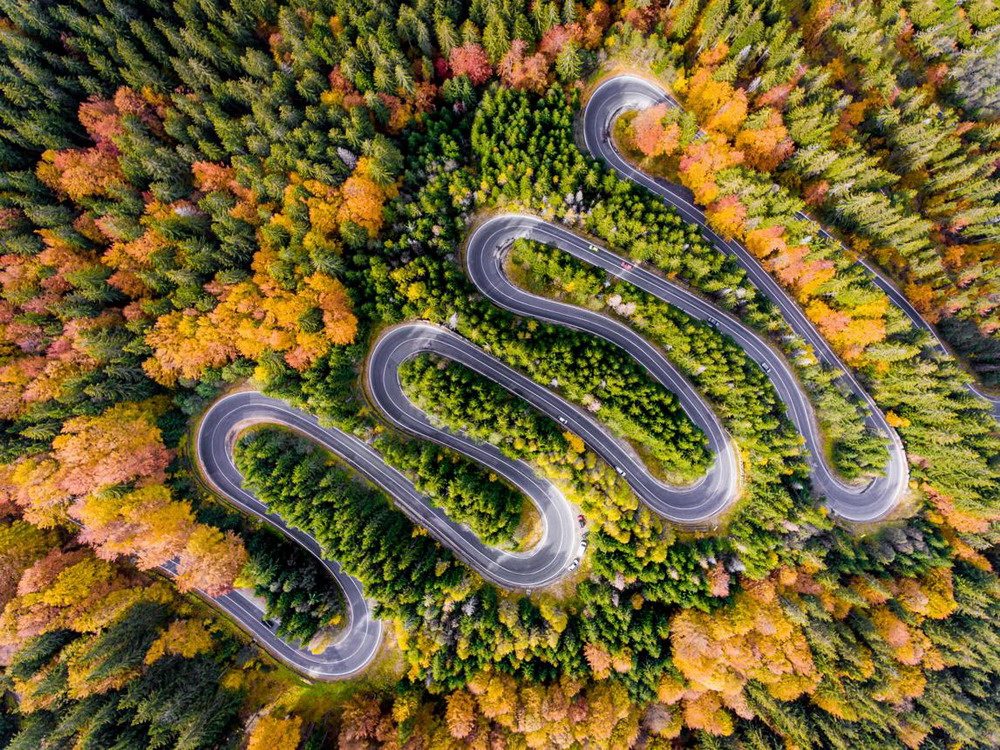
Autumn transforms Romania’s Transfăgărășan Highway into a dramatic mountain journey, with golden forests, rugged peaks, winding asphalt, and sweeping views across the Făgăraș Mountains. For motorcycle riders, it offers a memorable combination of technical corners, spectacular scenery, and opportunities to explore the Romanian countryside.
But an autumn ride requires more planning than a summer trip. Temperatures fall quickly at altitude, weather can change without warning, and the highest section of the road closes seasonally.
The key to enjoying Transfăgărășan in autumn is simple: choose your dates carefully, check road access before departure, and prepare for cold mountain conditions.
Table of Contents
⚠️ Before You Go: Autumn Road Access and Closures
Transfăgărășan, designated DN7C, crosses Romania’s Făgăraș Mountains and reaches approximately 2,042 metres near Bâlea Lake. Its highest section is normally open only during the warmer months.
The high-altitude stretch between Bâlea Cascadă and Piscu Negru typically closes for winter around late October or early November, although the exact date depends on weather and official restrictions. Temporary closures can occur earlier because of snow, ice, or dangerous conditions.
This makes timing particularly important for autumn motorcycle touring. Early autumn may offer a better chance of crossing the entire mountain route, while late autumn can bring spectacular scenery alongside a greater risk of closure.
Before travelling, check official road announcements and weather forecasts. Never assume that a road is open simply because a navigation app displays the route.
If the alpine section is closed, do not attempt to bypass barriers or ride onto restricted sections. Explore accessible lower-altitude roads instead.
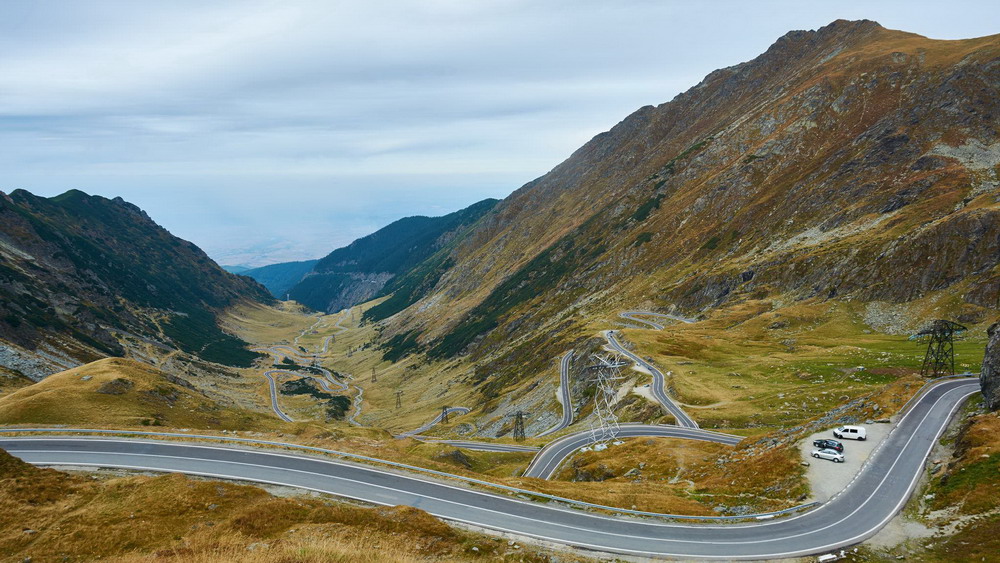
Transfăgărășan carpathian mountains autumn
🏍️ Route Overview: Riding DN7C Across the Carpathians
The Transfăgărășan connects the Wallachia region in the south with Transylvania in the north. The full DN7C route is approximately 150 kilometres long, although the distance covered on the high mountain section is considerably shorter.
Most riders plan a crossing between the Curtea de Argeș area and Cârțișoara, allowing time for viewpoints and stops.
The southern approach: Curtea de Argeș to Vidraru
The southern approach climbs through forested hills and winding valleys. As the road progresses toward Vidraru Dam, the landscape becomes increasingly mountainous.
This section is a useful place to settle into a steady riding rhythm before reaching the tighter corners higher up. Watch for shaded surfaces, loose gravel, and vehicles slowing unexpectedly near viewpoints.
The northern approach: Cârțișoara to Bâlea Lake
From Cârțișoara, the road climbs toward Bâlea Waterfall and the alpine section. The scenery opens up as the elevation increases, revealing steep slopes, mountain ridges, and sweeping bends.
This side offers excellent opportunities for photography when visibility is good. However, exposed sections can be cold and windy, even when the valleys below feel relatively mild.
🍁 Best Autumn Highlights Along Transfăgărășan
Bâlea Lake: The Alpine Centrepiece
Bâlea Lake is one of the best-known stops on the route. Situated at roughly 2,034 metres above sea level, this glacial lake is surrounded by steep mountain slopes and dramatic peaks.
In early autumn, the landscape may combine clear mountain air with changing colours in the lower forests. Later in the season, cold temperatures, fog, or early snowfall can create a very different atmosphere.
Park only in designated areas and allow extra time for walking around the viewpoint. Conditions near the lake can be significantly colder than expected.
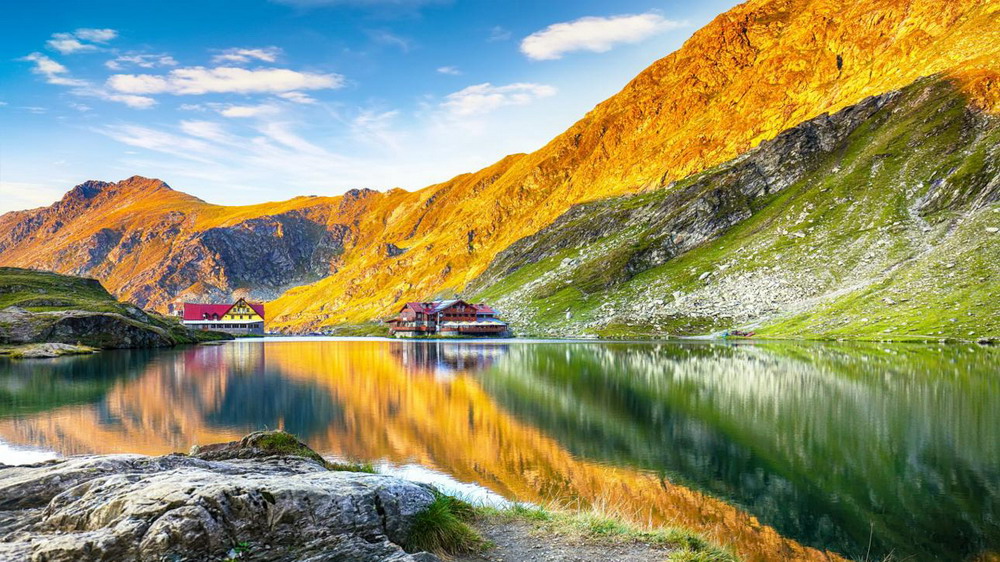
balea lake Transfăgărășan autumn
Bâlea Waterfall: A Scenic Stop on the Northern Side
Bâlea Waterfall is another worthwhile stop when access and conditions permit. The surrounding landscape provides a contrast to the exposed alpine road, with forested slopes and flowing water.
If you plan to leave your motorcycle and walk, wear suitable footwear and avoid slippery paths. Wet leaves, rain, and cold surfaces can make short walks more difficult than they appear.
Mountain Switchbacks and Panoramic Viewpoints
The road’s famous bends are a major attraction for motorcyclists. They offer changing perspectives of the surrounding mountains and make the route memorable even without stopping at every landmark.
Autumn conditions demand restraint, however. Fallen leaves, damp patches, gravel, and reduced visibility can affect grip and cornering confidence.
Choose safe, legal stopping places for photographs. Never stop on a blind bend or position yourself where other road users cannot see you.
Vidraru Dam and the Southern Landscape
Vidraru Dam adds another dimension to a Transfăgărășan trip. The large reservoir and surrounding mountains provide a striking contrast to the high alpine scenery.
It is a useful stop when approaching from the south or extending the journey into a broader Romanian road trip. Check access arrangements locally and avoid assuming that every viewpoint or facility will operate outside the main tourist season.
📅 When Is the Best Time to Ride in Autumn?
September and early October are generally the most practical autumn planning windows, provided the high road remains open.
| Period | What to expect |
| September | Often the strongest balance of riding opportunities and early autumn scenery |
| Early October | Cooler temperatures, changing foliage, and a greater need to monitor forecasts |
| Late October | Increasing risk of frost, snow, and seasonal restrictions |
| November onward | Do not plan on crossing the high alpine section without explicit confirmation that it is open |
These are general seasonal patterns, not guaranteed conditions or official opening dates.
Start early enough to complete the planned route in daylight. The high section has historically operated with daytime restrictions, and weather-related closures may affect travel plans.
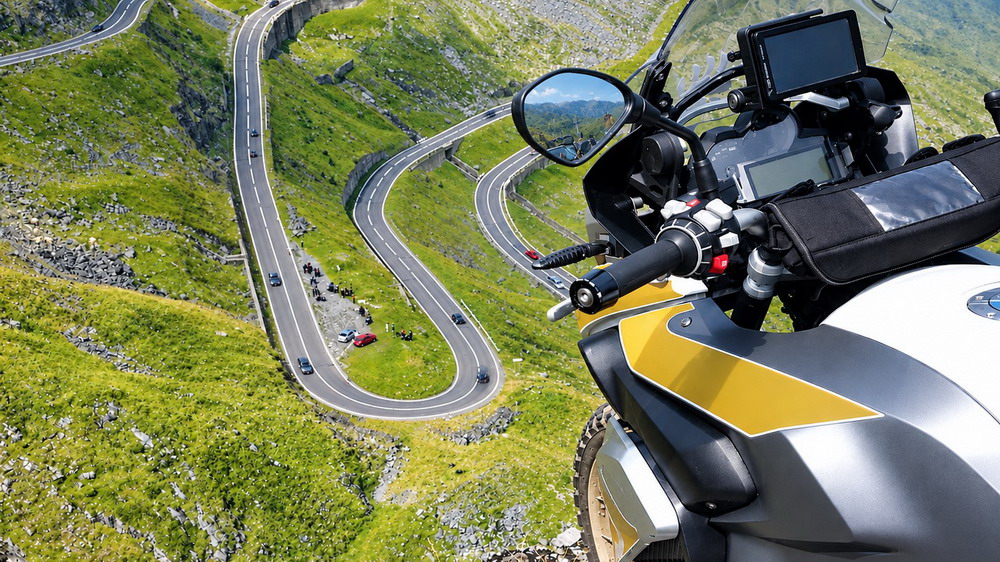
Transfăgărășan motorcycle hairpin bends
🛣️ Motorcycle Riding Tips for Autumn
Autumn riding on Transfăgărășan rewards smooth control and careful planning.
- Reduce corner-entry speed. Tight bends and changing surface conditions leave less room for correcting mistakes.
- Expect cold, damp surfaces. Shaded corners and mountain tunnels may remain wet even after rain stops.
- Keep a generous following distance. Cars, coaches, cyclists, and other motorcycles may brake unexpectedly.
- Refuel before the climb. Do not assume fuel stations will be available on the high mountain section.
- Carry offline navigation. Mobile coverage may be unreliable in mountainous areas.
- Set a turnaround point. If fog, frost, or road restrictions make the crossing unsafe, change the plan rather than pressing on.
Check your tyres, brakes, lights, and chain before departure. Allow time for breaks, and avoid rushing to reach the next viewpoint.
🧤 What to Pack for an Autumn Motorcycle Trip
Mountain weather can change quickly, so use a layered clothing system rather than relying on a single heavy jacket.
Essential items include waterproof motorcycle gear, insulating mid-layers, warm gloves, suitable boots, and a neck warmer. Bring a clear visor or clean visor insert for low-light conditions, along with a compact first-aid kit and basic repair equipment.
For group touring, a Helmet Communication system can help riders coordinate stops and communicate changes in the route. A Bluetooth Intercom can also make it easier to share navigation instructions, while a Motorcycle Intercom can support communication between compatible devices.
Communication equipment is useful, but it does not replace safe following distances, agreed hand signals, or stopping in a safe location when a discussion requires attention.
📊 Transfăgărășan at a Glance
- Road number: DN7C
- Full route length: Approximately 150–152 km, depending on the stated endpoints
- Highest point: Approximately 2,042 metres near Bâlea Tunnel
- Main highlights: Bâlea Lake, Bâlea Waterfall, Vidraru Dam, and mountain switchbacks
- Typical riding season: Summer into early autumn, subject to official access restrictions
- Main autumn risks: Cold temperatures, wet surfaces, fog, frost, and seasonal closures
The figures above provide a planning overview. Road access, opening hours, and local restrictions should always be verified using current official information.
🍂 Final Thoughts
Transfăgărășan in autumn offers a distinctive way to experience Romania’s Carpathian Mountains. Golden forests, glacial scenery, winding mountain roads, and quieter travel periods can make the journey especially rewarding.
The season also demands flexibility. A beautiful forecast in the valley does not guarantee safe conditions at 2,000 metres, and the road may close before your planned arrival.
Plan around the road status rather than a fixed itinerary, carry suitable cold-weather gear, and give yourself enough time to enjoy the scenery without rushing. With realistic expectations and careful preparation, Transfăgărășan can be a memorable highlight of a Romanian motorcycle tour.
❓ Frequently Asked Questions
1. Is Transfăgărășan worth visiting in autumn?
Yes, when the road is open and conditions are safe. Autumn can bring colourful landscapes, mountain views, and fewer peak-summer crowds, but weather and closures require careful planning.
2. When does Transfăgărășan close for winter?
The high-altitude section usually closes around late October or early November, although the date varies with snow and weather conditions. Confirm the latest official announcement before travelling.
3. How long does it take to ride Transfăgărășan?
A direct crossing can take several hours, but a full day is more realistic if you include photography, viewpoints, food stops, and changing mountain conditions.
4. What is the highest point on Transfăgărășan?
The road reaches approximately 2,042 metres above sea level near Bâlea Tunnel, making cold temperatures and rapidly changing weather important considerations.
5. What should motorcyclists bring for an autumn ride?
Bring layered thermal clothing, waterproof gear, warm gloves, suitable boots, offline navigation, and basic emergency supplies. Check the forecast, road access, and motorcycle condition before departure.
📚 Authoritative Sources
- Romanian Police — Official Traffic Information: https://politiaromana.ro/ro/info-trafic
- Transfăgărășan Road Conditions and Travel Information: https://www.transfagarasan.travel/ghid/en/road-conditions/
- National Meteorological Administration of Romania: https://www.meteoromania.ro/
- Visit Romania — Transfăgărășan Road Guide: https://www.visitromania.net/en/wallachia/transfagarasan-road/
- Riders4Life — Transfăgărășan Motorcycle Route Guide: https://riders4.life/en/routes/transfagarasan

Rodney L is a technical writer and product consultant with over a decade of experience in the motor industry. Rodney is a fan of performance machines that run fast and loud and an expert in all things custom. His numerous articles and write-ups are available at our knowledge base. Whether it’s something wrong with your motorcycle or you are building a custom bike, you can trust Rodney’s experience.
You maybe like to read:
Fodsports Brand Month: Unbeatable Deals and Top-Notch Service
Discover Fodsports Brand Month July and August mark a special occasion for motorcycle enthusiasts and tech lovers alike. Welcome to Fodsports Brand Month! This event is dedicated to celebrating everything that makes Fodsports a leading name in the motorcycle communication industry. Get ready for a fantastic promotions, exceptional service from Fodsports. Let's insights into Fodsports' […]
Transfăgărășan in Autumn: Romania’s Ultimate Motorcycle Riding Guide
Autumn transforms Romania’s Transfăgărășan Highway into a dramatic mountain journey, with golden forests, rugged peaks, winding asphalt, and sweeping views across the Făgăraș Mountains. For motorcycle riders, it offers a memorable combination of technical corners, spectacular scenery, and opportunities to explore the Romanian countryside. But an autumn ride requires more planning than a summer trip. […]
Grossglockner High Alpine Road in Fall: Austria Motorcycle Riding Guide
Autumn transforms Austria’s Grossglockner High Alpine Road into a spectacular mountain destination. Golden larch trees brighten the slopes, crisp Alpine air can reveal dramatic mountain views, and 36 hairpin bends make the journey memorable for motorcycle enthusiasts. Yet autumn also brings unpredictable weather, cold pavement, and possible road closures. For riders planning an Austrian Alps […]
Black Forest High Road Motorcycle Guide: Best Autumn Ride, Scenic Routes and Riding Tips in Germany
Few places in Germany combine flowing mountain roads, colorful forests, traditional villages, and peaceful viewpoints as perfectly as the Black Forest High Road (Schwarzwaldhochstraße B500). In autumn, this legendary route transforms into a spectacular motorcycle destination, with golden beech forests, misty valleys, and panoramic views stretching toward the Rhine Valley and even France on clear […]
Ultimate Dolomites Autumn Cycling Guide: Best Fall Foliage Routes & Expert Gear Blueprint
The Italian Dolomites in autumn transform into a sensory masterpiece. As the chaotic summer crowds dissipate between mid-September and late October, the entire Alpine region ignites with golden larches, fiery maples, and stark white limestone peaks. This fleeting shoulder season provides the ultimate window for an epic Dolomites cycling tour and foliage chasing. Compared to […]