The motorcycle communication systems field just got a significant upgrade with the release of the Fodsports FX7. This state-of-the-art Bluetooth mesh intercom is packed with many advanced features and techs. It will revolutionize the way riders communicate and enjoy their rides. Whether you're a solo rider or part of a group, the FX7 offers unparalleled […]

Historic Route 66 – Kingman to Oatman, Arizona: A Winter Motorcycle Riding Guide
November 26, 2026
Winter can be one of the most rewarding times to explore Arizona’s legendary Route 66. The desert air is cooler, the Black Mountains create dramatic scenery, and the winding road toward Oatman offers a memorable break from the long, straight highways of the Southwest. But this historic stretch is more than a scenic cruise. Its tight hairpins, steep grades, changing temperatures, and free-roaming burros require careful planning.
The ride from Kingman to Oatman combines American road history with a genuinely engaging motorcycle route. With the right timing, suitable gear, and a sensible pace, winter riders can enjoy the journey while managing its challenges. This guide covers the route, major stops, seasonal conditions, and practical safety advice.
🌵 Why Ride Historic Route 66 from Kingman to Oatman?
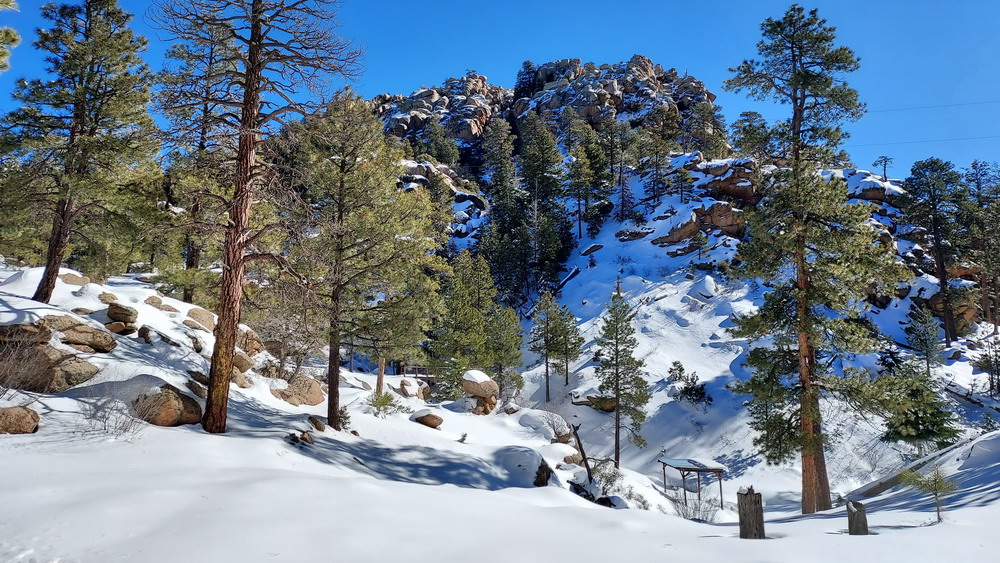
hualapai mountains winter valley
The Kingman–Oatman section follows one of the most recognizable surviving parts of Historic Route 66 in western Arizona. The road crosses the Black Mountains, passing desert valleys, rocky slopes, historic roadside landmarks, and the former mining community of Oatman.
The Bureau of Land Management (BLM) identifies the Route 66 Oatman Road Back Country Byway as a 42-mile paved route. The designated byway covers a longer stretch than the direct Kingman-to-Oatman town-to-town ride, so check your chosen start and finish points when planning mileage.
A road shaped by American history
Route 66 connected communities across the country and became a symbol of American road travel. The old alignment through Sitgreaves Pass was especially challenging for early motorists because of its steep grades and sharp curves. Although modern highways now carry much of the regional traffic, this historic section preserves the character of the original road.
Why winter can be a good season
The BLM lists October through April as the byway’s best visiting season. Winter generally brings more comfortable daytime temperatures than the intense summer heat. However, cold mornings, strong winds, and occasional winter storms can change riding conditions quickly.
🗺️ Route Overview and Scenic Stops
The ride is relatively short, but the road deserves more time than its mileage suggests. Allow several hours for riding, photographs, and stops rather than treating it as a quick transfer between towns.
1. Start in Kingman
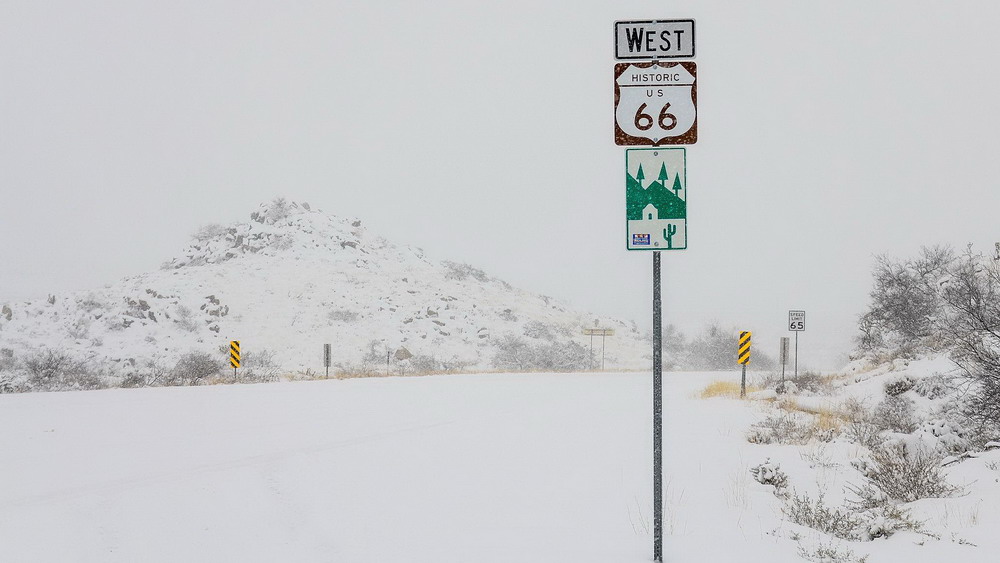
historic route 66 kingman snow
Before leaving Kingman, consider visiting the Powerhouse Visitor Center and Arizona Route 66 Museum. They provide useful context for the highway’s history and the communities that developed along it.
Use Kingman as your main preparation stop. Fill the fuel tank, check tire pressures, inspect your lights, and confirm the weather forecast before heading toward the mountains.
2. Cool Springs Station
Cool Springs Station is a classic Route 66 landmark near the approach to Sitgreaves Pass. Its restored roadside appearance makes it a natural photo stop and a reminder of the highway's earlier travel era.
Pull completely off the road before stopping. Avoid blocking the narrow roadway or stopping in a blind corner.
3. Sitgreaves Pass
Sitgreaves Pass is the technical highlight of the ride. The road climbs through the Black Mountains with steep grades, tight hairpin turns, and limited sightlines in places.
Take your time here. Choose a controlled speed before entering each bend, look through the turn, and avoid sudden braking while leaned over. Use designated pullouts for photographs rather than stopping on the road.
4. Oatman and the old mining district
Oatman developed as a gold-mining town and later became a memorable Route 66 stop. Today, its historic storefronts, wooden sidewalks, and free-roaming burros give the town a distinctive atmosphere.
Walk around after parking your motorcycle safely. The burros are descendants of animals associated with the region’s mining history. They are accustomed to visitors, but they remain animals: do not approach aggressively, block their path, or attempt to ride through a group of them.
❄️ What Winter Motorcycle Riding Is Like
Arizona's desert climate can make winter riding seem warmer than it actually feels on a motorcycle. Air temperature, wind exposure, elevation, and riding speed all affect comfort.
Cold mornings and temperature changes
Kingman climate normals show average January lows around 30.9°F (−0.6°C) and average highs around 57.4°F (14.1°C). December average lows are close to 30°F (−1°C). These are long-term climate averages, not a forecast for a particular riding day.
A sunny afternoon may feel comfortable, while an early departure can expose riders to near-freezing temperatures. Start after the road has had time to warm when conditions allow, and plan to finish before sunset.
Wind, shade, and possible ice
The open desert can expose riders to crosswinds, particularly around elevated and exposed sections. In shaded corners, cold pavement may remain damp or icy after temperatures rise elsewhere.
Do not assume that a dry-looking road is safe after a freezing night. If ice, snow, or freezing rain is present on the pass, postpone the ride. A motorcycle has little margin for error on slippery hairpins.
🏍️ How to Ride Sitgreaves Pass Safely
The curves are a major reason riders choose this section of Route 66, but they also demand concentration.
- Slow down before the turn: Enter at a speed that allows you to maintain a smooth line without hard braking.
- Look through the curve: Keep your eyes focused toward the exit rather than directly in front of the motorcycle.
- Leave space: Avoid following cars, trucks, or other motorcycles too closely, especially on uphill and downhill sections.
- Use smooth controls: Apply throttle and brakes progressively. Abrupt inputs can upset the motorcycle's balance.
- Stay in your lane: Do not cut across the center line to improve your view or cornering line.
- Use pullouts carefully: Stop only where there is enough space to get fully clear of moving traffic.
The posted speed limits along the byway vary, and the BLM lists signs ranging from 20 to 45 mph. Follow the signs and adjust your speed to actual conditions rather than treating the limit as a target.
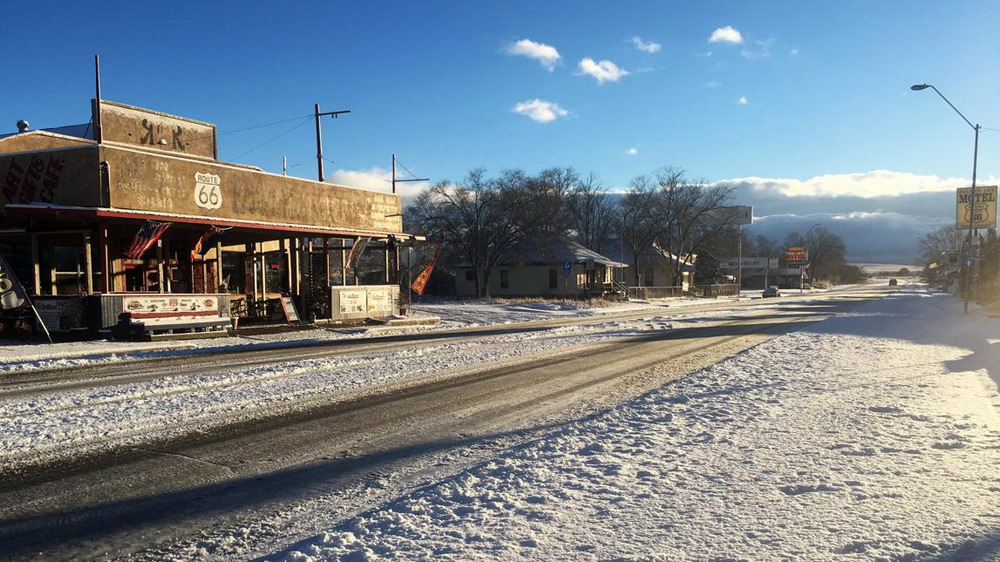
historic route 66 arizona winter snow
🧤 Winter Motorcycle Gear and Preparation
Good preparation makes a short winter ride more comfortable and helps riders respond to changing conditions.
Dress in layers
Use a thermal base layer, an insulating middle layer, and a wind-resistant motorcycle jacket. Choose gloves that provide warmth without reducing throttle, brake, or clutch control. A neck warmer and suitable riding socks can also help reduce cold exposure.
A full-face helmet or well-fitting modular helmet can reduce direct wind exposure. Make sure the visor is clean and suitable for the expected light conditions.
Inspect the motorcycle
Before departure, check:
- Tire pressure, tread condition, and visible damage.
- Brake operation and fluid condition.
- Headlights, brake lights, and turn signals.
- Chain condition and lubrication, if applicable.
- Battery condition and fuel level.
Cold temperatures can affect battery performance and tire pressure. Follow the motorcycle manufacturer's maintenance recommendations.
Prepare communication equipment
A Helmet Communication system can help riding partners share route changes and coordinate stops without relying on hand signals in every situation. A Bluetooth Intercom can also make group communication more practical, provided riders keep their attention on traffic and road conditions.
⚠️ Essential Safety Tips for the Kingman–Oatman Ride
Watch for burros and other wildlife
Burros may wander along Oatman's streets and nearby roads. Reduce speed near animals, leave plenty of room, and never assume they will move out of your path. Wildlife can also appear unexpectedly along less-developed sections.
Plan fuel and mobile coverage
Refuel in Kingman before heading out. Do not rely on finding fuel or services exactly when needed along the mountain section. Download maps for offline use and tell someone your planned route and return time.
Check road and weather updates
The route is open year-round according to the BLM, but that does not guarantee suitable riding conditions every day. Check Arizona road information and weather alerts before leaving. If freezing precipitation, poor visibility, or unsafe wind conditions are forecast, choose another day.
Remember the broader safety picture
NHTSA reported 6,228 motorcyclist fatalities in the United States in 2024. Its 2023 data also showed a motorcyclist fatality rate nearly 28 times the passenger-car occupant rate per mile traveled. These national figures are not specific to Route 66, but they reinforce the importance of protective gear, appropriate speed, and attentive riding.
🏁 A Practical Winter Ride Plan
For a relaxed day, begin in Kingman after checking the morning temperature and road conditions. Visit the Route 66 museum if time allows, refuel, and then follow the historic road toward Cool Springs Station.
Continue over Sitgreaves Pass at a conservative pace, using safe pullouts for views of the Black Mountains. Arrive in Oatman with enough time to park, explore the historic main street, and watch for burros.
Plan your return before sunset. Winter daylight is limited, and riding unfamiliar mountain curves in fading light can make hazards harder to see. If conditions deteriorate, do not feel obliged to complete the route.
The Kingman-to-Oatman ride is not about covering distance quickly. Its appeal lies in the history, scenery, and character of the old highway. A well-prepared winter ride gives you time to appreciate all three.
❓ Frequently Asked Questions
1. Is Historic Route 66 from Kingman to Oatman open in winter?
The BLM lists the Route 66 Oatman Road Back Country Byway as open year-round, with October through April identified as the best visiting season. Always check current weather and road conditions before riding.
2. How long is the motorcycle ride from Kingman to Oatman?
The direct Kingman-to-Oatman trip is commonly described as approximately 28 miles. The BLM-designated byway is 42 miles because it covers a longer section. Actual mileage depends on your route endpoints.
3. Is Sitgreaves Pass difficult for beginner motorcyclists?
It can be challenging for inexperienced riders because of its steep grades, tight hairpins, and limited sightlines. Beginners should ride slowly, avoid poor weather, and consider practicing low-speed cornering before attempting the pass.
4. Can motorcycles ride through Oatman?
Yes. Oatman is accessible by road, but riders should slow down around pedestrians, traffic, and free-roaming burros. Park before exploring the town on foot.
5. What is the best time of day for a winter motorcycle ride?
A late-morning start is often more comfortable than riding before sunrise, when temperatures may be near freezing. Aim to finish before sunset and adjust the schedule to the forecast and road conditions.
Authoritative Sources
- Bureau of Land Management – Route 66 Oatman Road Back Country Byway
https://www.blm.gov/visit/route-66-historic-back-country-byway - Visit Arizona – Cruise Arizona’s Route 66 by Motorcycle
https://www.visitarizona.com/like-a-local/route-66-for-motorcyclists - Arizona Department of Transportation – Know Snow and Ice
https://azdot.gov/about/transportation-safety/severe-weather/know-snow-and-ice - National Highway Traffic Safety Administration – Motorcycles: 2023 Data
https://crashstats.nhtsa.dot.gov/Api/Public/Publication/813732 - Arizona State University – Kingman Climate Normals, Means, and Extremes
https://globalfutures.asu.edu/azclimate/wp-content/uploads/sites/35/2025/06/Kingman.pdf

Rodney L is a technical writer and product consultant with over a decade of experience in the motor industry. Rodney is a fan of performance machines that run fast and loud and an expert in all things custom. His numerous articles and write-ups are available at our knowledge base. Whether it’s something wrong with your motorcycle or you are building a custom bike, you can trust Rodney’s experience.
You maybe like to read:
Fodsports Brand Month: Unbeatable Deals and Top-Notch Service
Discover Fodsports Brand Month July and August mark a special occasion for motorcycle enthusiasts and tech lovers alike. Welcome to Fodsports Brand Month! This event is dedicated to celebrating everything that makes Fodsports a leading name in the motorcycle communication industry. Get ready for a fantastic promotions, exceptional service from Fodsports. Let's insights into Fodsports' […]
Historic Route 66 – Kingman to Oatman, Arizona: A Winter Motorcycle Riding Guide
Winter can be one of the most rewarding times to explore Arizona’s legendary Route 66. The desert air is cooler, the Black Mountains create dramatic scenery, and the winding road toward Oatman offers a memorable break from the long, straight highways of the Southwest. But this historic stretch is more than a scenic cruise. Its […]
Winter Motorcycle Riding on the Three Twisted Sisters: A Texas Hill Country Guide
Winter can be an appealing time to explore the Texas Hill Country by motorcycle. Cooler temperatures, quieter roads, and open views across limestone hills make the Three Twisted Sisters a memorable destination. However, cold mornings, shaded corners, and sudden weather changes require extra preparation. The Three Twisted Sisters—Ranch Roads 335, 336, and 337—are among Texas' […]
FM 170 Motorcycle Guide: Riding Texas’ Legendary River Road
Some motorcycle roads are remembered for high-speed sweepers. Others stand out because of the landscapes they pass through. FM 170 in Big Bend, Texas, belongs to the second category. Known as El Camino del Rio, or the River Road, this remote highway follows the Rio Grande through rugged desert terrain, dramatic canyon walls, and one […]
Sedona to Oak Creek Canyon: Arizona SR 89A Winter Motorcycle Riding Guide
Arizona is famous for its red rock landscapes, desert highways, and scenic mountain roads. While many riders visit during warmer months, winter offers a unique opportunity to explore northern Arizona by motorcycle. Arizona State Route 89A (SR 89A) is one of the region's most beautiful highways. Running from Sedona through Oak Creek Canyon toward Flagstaff, […]