The motorcycle communication systems field just got a significant upgrade with the release of the Fodsports FX7. This state-of-the-art Bluetooth mesh intercom is packed with many advanced features and techs. It will revolutionize the way riders communicate and enjoy their rides. Whether you're a solo rider or part of a group, the FX7 offers unparalleled […]

Women in American Motorcycle Culture: How Women Shaped Its Evolution
September 8, 2026
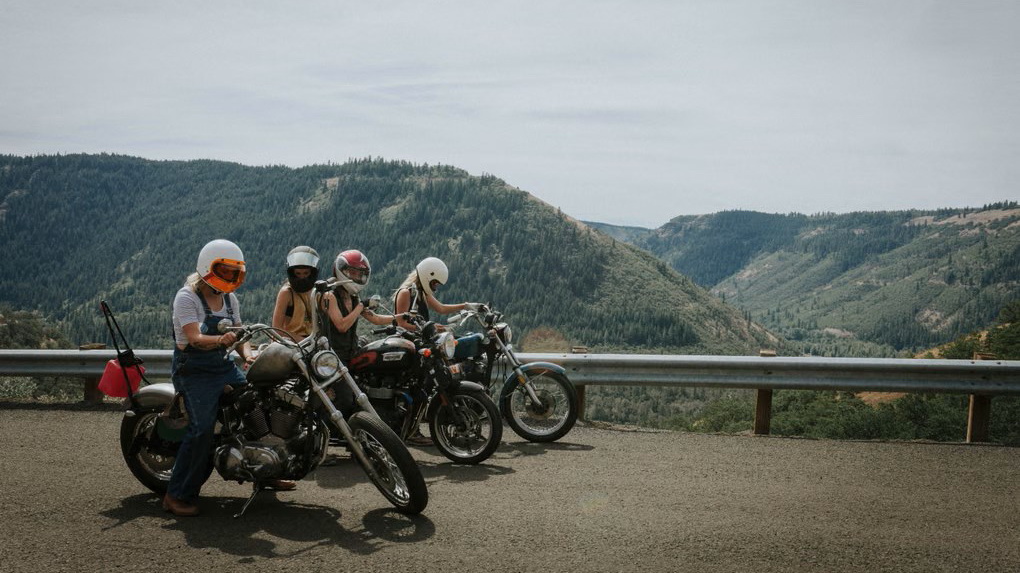
Women in American motorcycle culture have played an important role in shaping the way motorcycling is experienced and represented in the United States.
When people think of American motorcycle culture, they may picture leather jackets, open highways, motorcycle clubs, and groups of male riders. But women have been part of that culture for much longer than many people realize.
From early female riders to today's touring groups, racers, instructors, and community leaders, women have helped broaden the meaning of American motorcycling. Their influence is not simply about the growing number of women who ride motorcycles. It is also about changing how riders are represented, how communities are built, and who gets to define motorcycle culture.
Table of Contents
🏍️ Women Have Long Been Part of American Motorcycle Culture
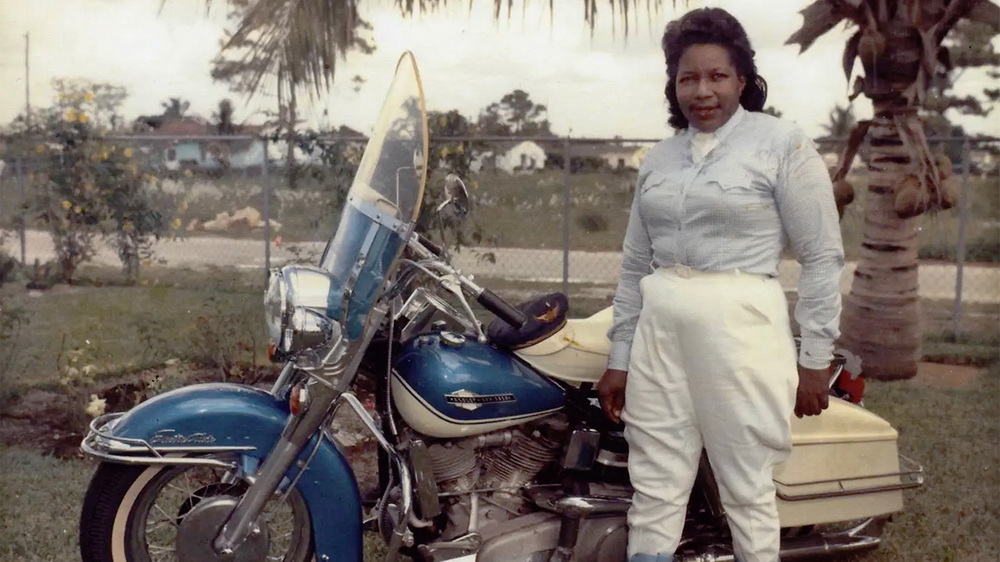
Bessie Stringfield motorcycle queen
Women were already riding motorcycles in the United States during the early 20th century. Riders such as Della Crewe, Effie Hotchkiss, and Bessie Stringfield demonstrated that women could travel long distances and ride independently.
Their stories matter because they challenged an assumption that would remain influential for decades: that motorcycling was primarily a man's activity.
Organizations later gave female riders more opportunities to ride together and build communities. The Motor Maids, founded in 1940, became one of the best-known examples of organized women's motorcycling.
Rather than treating this history as a separate chapter, it is more useful to see it as the beginning of a much longer change. Women gradually moved from being underrepresented in motorcycle culture to becoming active participants in shaping it.
🏍️ From Passengers to Independent Riders
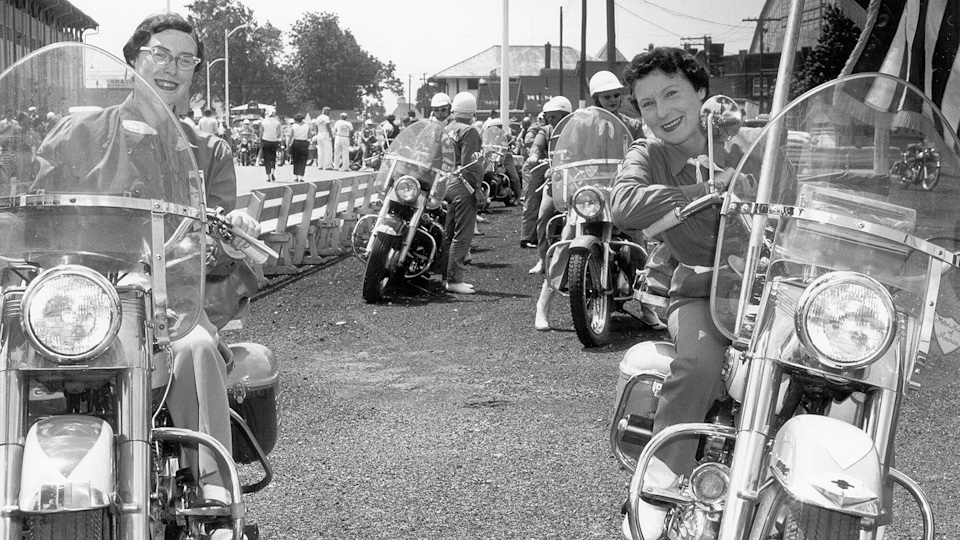
early women motorcycle riders america
One of the clearest changes in women's role in motorcycle culture has been the move from passenger to independent rider.
Challenging the Traditional Biker Image
For much of the 20th century, popular images of American motorcycle culture often placed men in the rider's seat and women behind them as passengers. This reinforced the idea that the motorcycle belonged primarily to men.
Female motorcycle riders challenged that image by taking control of their own motorcycles and riding on their own terms.
They traveled independently, entered competitions, joined motorcycle organizations, and eventually became leaders within riding communities.
The change was cultural as much as practical. Once women became visible as riders themselves, the definition of an American motorcyclist became broader.
A motorcyclist could be a woman crossing the country, a racer competing on a track, a mechanic working on motorcycles, or a rider organizing a community event.
Redefining Motorcycle Freedom
Freedom has always been central to American motorcycle culture. Women brought another perspective to that idea.
For many female riders, motorcycling represents independence, exploration, and the ability to choose their own journey. As more women became visible on the road, motorcycle culture became less tied to a single image of what a rider should look like.
That shift helped create space for a more diverse riding community.
🏍️ Women Built Communities Within Motorcycle Culture
Motorcycle culture has always been about more than motorcycles. Clubs, group rides, rallies, and friendships are all part of the experience.
Women contributed to this community culture by creating organizations and riding groups where female motorcyclists could connect.
Creating Spaces to Ride Together
Organizations such as the Motor Maids, Women in the Wind, and Women on Wheels helped connect women through organized motorcycling.
These groups provided opportunities to ride, share experiences, participate in events, and build long-term relationships. More importantly, they increased the visibility of women within American motorcycle culture.
The significance of these communities goes beyond their membership. They demonstrated that women could create and lead motorcycle communities rather than simply participate in communities created by others.
The Community Went Digital
Social media later expanded this process.
Female riders could share routes, riding experiences, photographs, events, and stories with people far beyond their local area. A rider in one state could connect with another rider thousands of miles away.
This digital visibility has made modern female motorcycle culture easier to discover and has given women more opportunities to represent themselves.
The result is a continuous cycle:
Visibility → Participation → Community → More Visibility
🏍️ Women Changed the Image of the American Motorcyclist
The most significant impact of women may not be measured by how many motorcycles they ride. It can be seen in how the image of the motorcyclist has changed.
Beyond the Traditional Biker Stereotype
The classic American biker image has often been associated with masculinity, rebellion, motorcycle clubs, and a particular style of riding.
Women have expanded that picture.
Today's female motorcycle riders can be racers, touring riders, instructors, mechanics, business owners, event organizers, content creators, and community leaders.
This matters because representation influences who feels welcome in a culture.
When new riders see women successfully participating in different parts of motorcycling, the idea of who can become a motorcyclist becomes broader.
Women have therefore not simply joined an existing motorcycle culture. Their participation has helped change the culture's identity.
🏍️ Women Are Influencing the Modern Riding Experience
The evolution of women's participation has also contributed to changes in the broader motorcycle industry and riding experience.
Gear and Technology Are Evolving
As the motorcycle community becomes more diverse, rider needs have become more diverse as well. Fit, comfort, protection, functionality, and style all matter when manufacturers and gear companies develop products for different riders.
Communication technology is another part of modern riding.
Group rides and motorcycle trips often require riders to stay connected while navigating roads, discussing stops, or responding to changing conditions. Helmet Communication, Bluetooth Intercom, and Motorcycle Intercom systems can help riders communicate without relying on a phone during the ride.
For women participating in group rides, touring, rallies, and motorcycle communities, these technologies can support the same social connection that has always been central to motorcycle culture.
The technology may be modern, but the underlying idea is not: motorcycles bring people together.
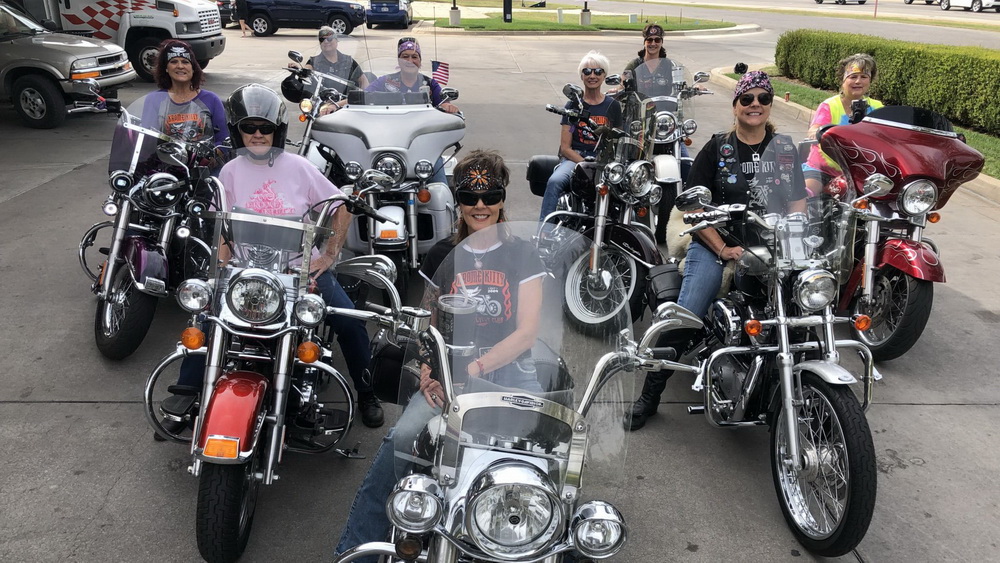
women motorcycle group riding
🏍️ Women Continue to Shape Motorcycle Culture Today
The evolution of women in American motorcycle culture is still happening.
Modern female riders participate in touring, racing, charity rides, motorcycle clubs, rallies, media, and businesses across the motorcycle industry. They also use digital platforms to share their experiences and connect with other riders.
From Riders to Culture Builders
The biggest change is that women are increasingly visible as people who create motorcycle culture, not just participate in it.
They organize events, lead riding groups, teach skills, produce motorcycle content, work in the industry, and introduce new riders to the community.
This influence also benefits motorcycle culture as a whole. New perspectives create new communities, new stories, and new ways for people to experience motorcycling.
The culture becomes less about fitting into one traditional image and more about sharing the road.
🏍️ What Women's Role Means for the Future
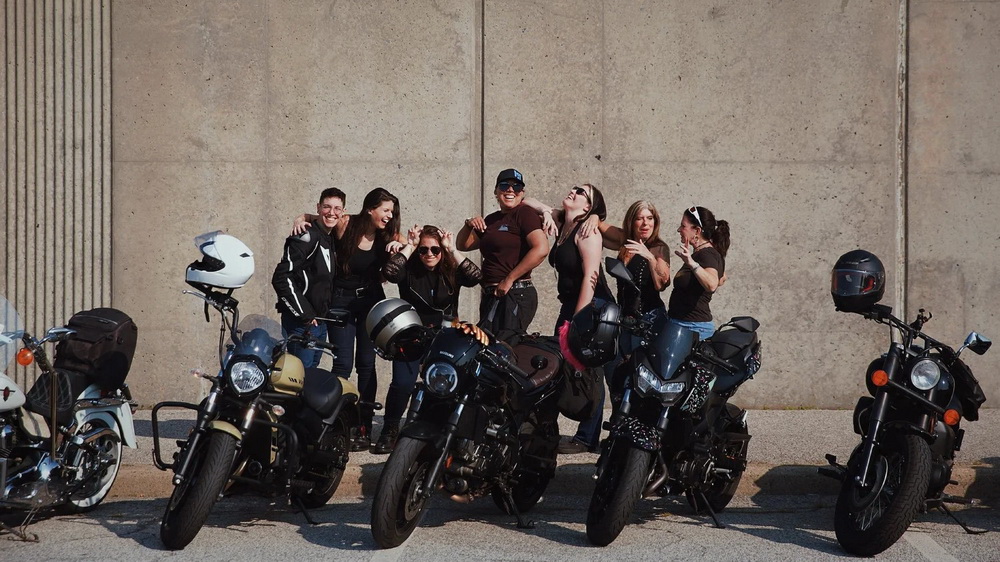
Women motorcycle riders
The history of women motorcycle riders in America shows that female participation is not a recent trend. Women have been riding, traveling, competing, and building communities for generations.
What has changed is their visibility and influence.
Women have helped broaden the image of the American motorcyclist, created communities of their own, and contributed to the evolution of the modern riding experience.
American motorcycle culture has never been completely static. It changes whenever new riders bring different experiences and perspectives to the road.
Women have been part of that evolution from the beginning—and they continue to influence where motorcycle culture goes next.
❓ FAQ About Women in American Motorcycle Culture
When did women start riding motorcycles in America?
Women were riding motorcycles in the United States by the early 20th century. Early riders such as Della Crewe and Effie Hotchkiss demonstrated that women could ride independently and undertake long-distance journeys.
Who are some famous women motorcycle pioneers?
Della Crewe, Effie Hotchkiss, Bessie Stringfield, and Dot Robinson are among the notable women associated with the early history of women motorcycle riders in America.
How did women change American motorcycle culture?
Women helped broaden the traditional image of the motorcyclist by becoming independent riders, racers, organizers, instructors, mechanics, and community leaders. They also created organizations that increased women's visibility within motorcycling.
What women's motorcycle organizations exist in the United States?
Organizations including the Motor Maids, Women in the Wind, and Women on Wheels have helped connect female riders and support organized motorcycling.
How is technology supporting modern motorcycle communities?
Modern communication technology helps riders stay connected during group rides and touring. Helmet Communication, Bluetooth Intercom, and Motorcycle Intercom systems can make rider-to-rider communication easier while on the road.

Rodney L is a technical writer and product consultant with over a decade of experience in the motor industry. Rodney is a fan of performance machines that run fast and loud and an expert in all things custom. His numerous articles and write-ups are available at our knowledge base. Whether it’s something wrong with your motorcycle or you are building a custom bike, you can trust Rodney’s experience.
You maybe like to read:
Fodsports Brand Month: Unbeatable Deals and Top-Notch Service
Discover Fodsports Brand Month July and August mark a special occasion for motorcycle enthusiasts and tech lovers alike. Welcome to Fodsports Brand Month! This event is dedicated to celebrating everything that makes Fodsports a leading name in the motorcycle communication industry. Get ready for a fantastic promotions, exceptional service from Fodsports. Let's insights into Fodsports' […]
North Coast 500 Motorcycle Guide: Exploring Scotland in Autumn
Autumn transforms Scotland’s North Coast 500 into a memorable destination for motorcycle touring. Golden Highland forests, winding coastal roads, rugged mountains, and quiet fishing villages create a striking backdrop for an autumn ride. A North Coast 500 motorcycle trip, however, requires more than a scenic route. Rain, strong winds, wet leaves, and shorter daylight hours […]
Transalpina in Autumn: Romania’s Ultimate Motorcycle Riding Guide
Autumn brings a different atmosphere to Transalpina, Romania’s spectacular high-mountain road. Golden forests cover the lower slopes, open alpine ridges reveal sweeping Carpathian views, and winding asphalt makes this route a memorable destination for motorcycle touring. But an autumn ride requires more than choosing a scenic road. Temperatures can drop quickly at altitude, mountain weather […]
Motorcycle Camera Buying Guide: How to Choose the Right Camera for Your Ride
Every motorcycle ride has a story worth capturing: a winding mountain road, a weekend adventure with friends, or an unexpected moment in traffic. But choosing the right motorcycle camera is not simply about buying the model with the highest resolution. Shaky footage, poor audio, short battery life, and unreliable mounting can turn an exciting ride […]
Transfăgărășan in Autumn: Romania’s Ultimate Motorcycle Riding Guide
Autumn transforms Romania’s Transfăgărășan Highway into a dramatic mountain journey, with golden forests, rugged peaks, winding asphalt, and sweeping views across the Făgăraș Mountains. For motorcycle riders, it offers a memorable combination of technical corners, spectacular scenery, and opportunities to explore the Romanian countryside. But an autumn ride requires more planning than a summer trip. […]