The motorcycle communication systems field just got a significant upgrade with the release of the Fodsports FX7. This state-of-the-art Bluetooth mesh intercom is packed with many advanced features and techs. It will revolutionize the way riders communicate and enjoy their rides. Whether you're a solo rider or part of a group, the FX7 offers unparalleled […]

10 Tips for Safely Ride a Motorcycle with a Passenger
December 30, 2024
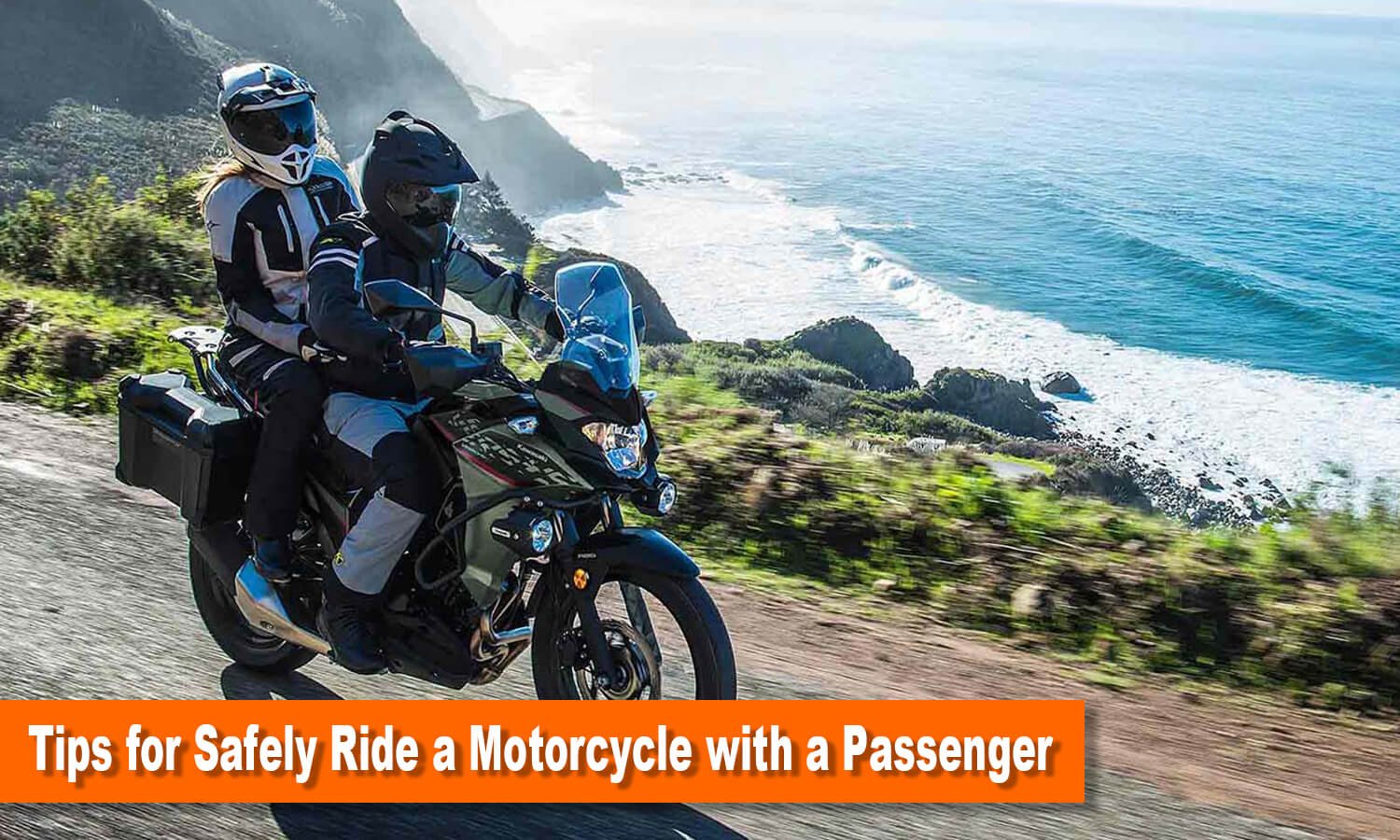
A motorbike ride is exciting but it is different to ride a motorcycle with a passenger. It matters to have a friend, family member, or partner on the bike, so it's important to keep them safe and comfortable while you control the motorcycle. To ride a motorcycle with a passenger you must focus, be prepared, and learn more than to ride by yourself.
This definitive guide will teach you how to drive a motorcycle with a passenger from the start to the finish. These tips will ensure a comfortable and safe ride for both you and your passenger.
Table of Contents
1. Understand How a Passenger Affects Your Bike

the motorcyclist should understand how having a passenger affect the motorcycle first
It’s important to understand how having a passenger affects your motorcycle before you start planning ahead.
Motorcycles are engineered to support a certain amount of weight, and adding a passenger alters things like:
- Weight Distribution: Adding weight shifts the center of gravity and has an impact on stability and handling.
- Pedaling and Braking: Your bike will be heavier and will take more time to accelerate and brake.
- Suspension and Tires: The added weight will buckle the suspension and possibly cause the tire to under-pressure.
Therefore, you need to check how much weight your motorcycle can carry before you add heavy gear onto it.
Also, you may neet to adjust the suspension and make sure it can handle you and and the passenger's weight.
As the rider, you must be ready to cope with these changes and adapt your riding style accordingly.
2. Inspect Your Motorcycle
For your and your passengers’ safety, check the condition of the motorcycle before taking a passenger.
Here is the checklist:
- Tire Pressure: Since carrying people adds extra weight, increase tire pressure based on the motorcycle manual, please.
- Suspension Settings: Some motorcycles have suspension which can be adjusted. If your motorcycle is, adjust it. If not, check your suspension to see if it is in good condition.
- Brakes: The brake system will get more stress because of extra weight. Please check it and make it in top condition.
- Passenger Seat and Foot Pegs: A comfortable seat doesn't mean losing safety. In fact, you can own all, attach the seat and footpegs in the correct location, and then enjoy your ride.
Note: A thorough inspection is not only about comfort but also about safety.
Related Reading
3. Communicate with Your Passenger
Clear communication is vital before and during the ride. Sometimes your passenger may become a motorcycle passenger for the first time and is unfamiliar with motorcycle riding. So take the time to explain what they should and shouldn’t do.
Key points of the explanation:
- Mounting and Dismounting: Sudden movements can destabilize the motorcycle because of inertia. This can lead to terrible consequences as the passenger might fall out of the motorcycle. Remind the passenger when you get ready to start your motorcycle. And ask them to get off the motorcycle after getting your permission.
- Body Position: Keeping the weight centered can help to avoid leaning excessively in any direction. Please guide the passenger to sit as close to you as possible.

keep the weight on the motorcycle
- Holding On: Advise them to hold onto your waist, your jacket, or any designated grab handles instead of the bike itself, as it can be unstable.
- Feet Position: To avoid tipping over, the feet of the passenger should be kept on the foot pegs at all times unless the motorcycle is stopped and the motorcyclist allows him or her to leave.
Bluetooth Intercom Facilitates Communication
4. Provide Safety Gear—A Necessary Step to Ride a Motorcycle with a Passenger
Safety equipment is essential for both riders and passengers. Riding gear protects against injuries and also makes the passenger more comfortable during the ride.
Ensure your passenger has the following:
- Helmet: Ensure the helmet is the right size and passed DOT certification.
- Jacket: A durable, protective motorcycle jacket with padding.
- Gloves: Gloves can protect the passenger's hands and improve grip.
- Pants and Boots: The passenger should avoid wearing loose clothing that can get caught on the motorcycle. Long, sturdy pants and boots that cover the ankles are better. You can learn the motorcycle boots types and choose the right pair.
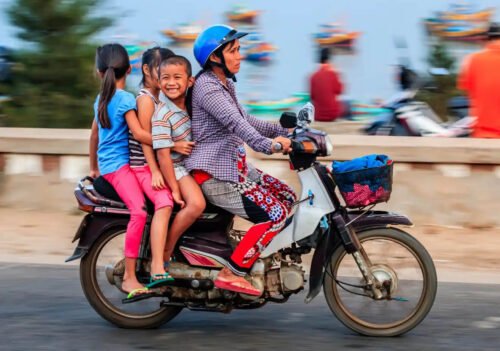
the passengers are dangerous without safety gear
5. Practice Before Riding Together
Practice Before Riding Together
Practice is vital for a new rider who has never carried a passenger before. Because riding with a passenger changes the dynamics of the motorcycle, and it will take you time to adjust. A few practice rides in a safe, open area like a parking lot can help you build confidence before hitting the road.
Skills that need to be practiced:
- Balancing: Experience the feeling of the extra weight and get used to it so that you can have a good ability to balance.
- Starting and Stopping: Practice smooth starts and stops to avoid jerking your passenger or losing balance.
- Turning: Different weights can lead to different feelings when cornering. You should learn how the added weight impacts cornering and adjust your lean angle and speed.
6. Mount and Dismount Safely
Mounting and dismounting can be tricky with a passenger.
Here are the steps to follow:
- Stabilize the Bike: When the passenger gets on the motorcycle, you should keep the bike upright and hold the front brake.
- Passenger First: The passenger should mount the motorcycle from the side, then step up onto the footpeg and swing their leg over.
- Stay Balanced: To avoid tipping, the passenger should not move away from the motorcycle seat, and move slowly.
When dismounting the motorcycle, follow the same procedure in reverse.
Tip: Always communicate with your passengers to ensure they feel secure.
7. Start Slowly and Smoothly
The first few minutes of the ride are critical as a smooth start sets the tone for the rest of the ride.
Start slowly and gradually increase speed to prevent jolting your passenger. When you need to brake, apply it smoothly and evenly to avoid lurching forward.
To allow your passenger to adjust to the feeling, you should also take turns slowly and smoothly. In this process, you should not move suddenly until you both find your rhythm.
8. Adjust Your Riding Style
Riding with a passenger requires you to adapt your usual riding habits to ensure better control and safety on the road.
The changes include:
- Increase Following Distance: The motorcycle will take longer to stop because of the extra weight. So you should leave more space between you and the vehicle ahead to stop.
- Take Corners Carefully: The extra weight can make the motorcycle harder to corner. You should approach corners more slowly and lean gently to get more stable during turns.
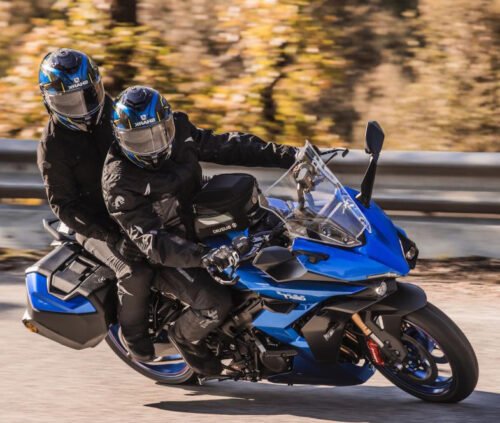
take corners carefully to avoid an accident
- Be Mindful of Wind Resistance: With two people on the motorcycle, wind resistance increases. As a result, the stability of the motorcycle will be affected, especially at higher speeds.
- Plan Your Stops: You should know where and how you stop since uneven surfaces or loose gravel can make balancing with a passenger more challenging.
Avoid Dangerous Riding
9. Be Extra Vigilant
Riding with a passenger requires heightened awareness to prevent accidents and ensure a smooth ride. You are responsible for the passenger's safety as well as your own.
You should scan the road ahead and be alert for hazards such as potholes, debris, or sudden stops. Avoid riding in blind spots and ensure other drivers can notice you.
To improve passenger comfort, skipping aggressive braking, rapid acceleration, or sharp turns is also necessary.
10. Practice Emergency Procedures
In case of an emergency, knowing how to react is crucial, when riding with a passenger.
The first you need to do is to practice how to brake quickly without locking the wheels. At the same time, it is also vital to practice swerving to avoid obstacles while maintaining control.
Finally, don't forget to teach your passenger how to stay calm and hold on securely in case of sudden movements.
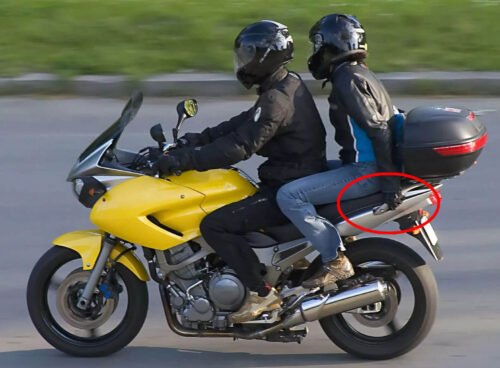
The passenger should hold on securely in case of sudden movements.
Conclusion
Riding a motorcycle with a passenger is a rewarding experience, but it requires preparation, communication, and skill.
Always remember: safety comes first. On your road to becoming a good two-up rider, practice and patience is essential.
By following the tips in this guide, you and your passenger can all enjoy a safe and comfortable ride.
You may also want to know:
Ultimate Tips: How To Become A Better Motorcycle Passenger
Top 10 Riding Habits Every Motorcyclist Should Know

Rodney L is a technical writer and product consultant with over a decade of experience in the motor industry. Rodney is a fan of performance machines that run fast and loud and an expert in all things custom. His numerous articles and write-ups are available at our knowledge base. Whether it’s something wrong with your motorcycle or you are building a custom bike, you can trust Rodney’s experience.
You maybe like to read:
Fodsports Brand Month: Unbeatable Deals and Top-Notch Service
Discover Fodsports Brand Month July and August mark a special occasion for motorcycle enthusiasts and tech lovers alike. Welcome to Fodsports Brand Month! This event is dedicated to celebrating everything that makes Fodsports a leading name in the motorcycle communication industry. Get ready for a fantastic promotions, exceptional service from Fodsports. Let's insights into Fodsports' […]
Fall Motorcycle Riding Tips: How to Ride Safely in Autumn
Fall is a great season for motorcycle riding. Cooler temperatures, colorful scenery, and comfortable roads make autumn an ideal time to explore. However, the change of season also brings new riding challenges. Wet leaves can reduce traction, temperatures can change quickly, daylight becomes shorter, and wildlife may be active near roads. With a little preparation, […]
Top 10 Fall Motorcycle Rides in the USA: Scenic Routes & Foliage
Fall is one of the best seasons for motorcycle riding in the United States. Cooler temperatures, colorful forests, quieter roads, and spectacular mountain scenery make autumn ideal for a scenic motorcycle road trip. From New England's brilliant red and orange forests to the Appalachian Mountains and the colorful Ozarks, riders can find incredible fall foliage […]
Women in American Motorcycle Culture: How Women Shaped Its Evolution
Women in American motorcycle culture have played an important role in shaping the way motorcycling is experienced and represented in the United States. When people think of American motorcycle culture, they may picture leather jackets, open highways, motorcycle clubs, and groups of male riders. But women have been part of that culture for much longer […]
Modern Motorcycle Culture: How Technology and Community Are Changing Riding
Motorcycle culture has never been only about motorcycles. It is about the people who ride them, the communities they build, the places they explore, and the freedom they experience on the road. Today, modern motorcycle culture is changing faster than ever. Traditional motorcycle clubs, rallies, and group rides remain an important part of the scene, but […]