The motorcycle communication systems field just got a significant upgrade with the release of the Fodsports FX7. This state-of-the-art Bluetooth mesh intercom is packed with many advanced features and techs. It will revolutionize the way riders communicate and enjoy their rides. Whether you're a solo rider or part of a group, the FX7 offers unparalleled […]

Top 10 Riding Habits Every Motorcyclist Should Know
February 14, 2025

Motorcycling is a way of life, a love affair, and for lots of people, a chance to feel free on the open road. But this freedom comes with duties. To make sure you have a safe and fun ride, every motorcyclist should build good riding habits. No matter how long you have ridden a motorcycle, these habits can boost your safety and make your rides better overall. Here are the top 10 riding habits every motorcyclist should get to know.
Table of Contents
Always Wear Proper Gear—The First Riding Habit to develop
Wearing the right gear has a crucial impact on motorcycle safety. This includes a DOT-approved helmet, gloves, a jacket, pants, and boots made for motorcycle riding. Your gear serves as your primary defense if an accident happens.
- Helmet: A full-face helmet gives the best protection to your head and face. Make sure it fits tight and you fasten it.
- Jacket and Pants: Choose abrasion-resistant materials like leather or reinforced textiles. Many jackets and pants come with built-in armor to protect you more.
- Gloves: In a fall, your hands often hit the ground first. Gloves with reinforced palms and knuckle protection can stop serious injuries.
- Boots: The right motorcycle boots give support and protection to your ankles. They need to go above your ankles and have soles that don't slip.

always wear proper gear
Note: Wearing gear that fits well keeps you safe and makes you feel good when you ride for a long time.
More about Motorcycle Gears
Check Your Motorcycle Before You Ride
Always look over your motorcycle before you start riding. This helps make sure your bike works well and stops problems or crashes you didn't see coming.
- Tires: Look at how much air is in your tires and see if they look worn or hurt. Tires with the right amount of air help you control your bike better and use less gas.
- Lights: Make sure all your lights work right, including headlights, brake lights, and turn signals.
- Fluids: Look at the oil, coolant, and brake fluid levels. Fill them up if needed.
- Brakes: Check your brakes to ensure they work well.
- Chain: For motorcycles with a chain, examine its tightness and oiling.

check your motorcycle before you ride
Note: A quick pre-ride inspection takes a few minutes but can help you avoid possible issues later on.
Be Easy to See
Motorcycles are smaller and harder to spot than cars, so riders need to take extra steps to make sure other drivers can see them.
- Wear Bright Colors: Pick gear and helmets in eye-catching colors like neon yellow, orange, or white. These colors stand out more when it's dark or dim outside.
- Put Reflective Tape on Your Bike: Stick reflective tape to your motorcycle and gear to boost your visibility at night.
- Pick the Right Spot in the Lane: Ride where other drivers can see you best. Stay out of their blind spots.
- Turn On Your Lights: Keep your headlight on all the time even during daylight. Think about adding extra lights to stand out more.

take action to make sure the motorcycle is easy to see
Note: Being easy to see cuts down on crashes caused by drivers who don't notice you.
Keep Your Distance
Stay far enough behind the car in front of you. This is key for motorcyclists. Bikes can stop faster than cars, but riders need more time to react when someone slams on the brakes.
- Two-Second Rule: When the weather is good, keep at least a two-second gap between you and the car in front. When the weather or road is bad, make this gap bigger.
- Don't Tailgate: Tailgating cuts down your time to react and makes crashes more likely. Always leave enough room to move or stop if you need to.
Note: A safe gap between cars gives you more time to handle surprises, like when someone stops or something blocks the road.
Use Your Brakes the Right Way
Knowing how to use your brakes well is key to riding. Motorcycles have different brakes for the front and back wheels, and using them can stop accidents.

use brakes correctly
- Front Brake: The front brake has an influence on about 70% of your stopping power. Apply it step-by-step to prevent the front wheel from locking up.
- Rear Brake: The rear brake packs less punch but helps keep the bike steady when you slow down. Use it together with the front brake to stop.
- Emergency Braking: In a crisis, press both brakes hard but don't let the wheels lock. If they do lock, ease off the brake a bit and try again.
Note: To build your skills, practice good braking methods in a safe place. This will help you act fast and well when you're out on the road.
How to Handle Your Motorcycle’s Brake Failure?
How Often Should Change Motorcycle Brakes
How To Bleed Motorcycle Brakes?
Keep Your Eyes and Mind on the Road
Riding a motorcycle needs all your attention. Things that take your mind off the road can kill, so it's key to stay watchful and keep your mind on your riding.
- Steer Clear of Distractions: Put your phone away, set your GPS before you start, and leave your gear alone while you're on the move. If you need to make changes, find a safe spot to stop.
- Keep an Eye on the Road: Always look ahead for possible dangers, like holes in the road, stuff that shouldn't be there, or drivers acting weird.
- Mind the Blind Spots: Know where other vehicles can't see and don't hang out in those areas. Just assume other drivers might miss you.
Note: When you stay alert, you can spot and handle potential risks before they turn into real problems.
Ride Within Your Limits
Every rider has a unique skill level, so it's crucial to stay within your comfort zone. Pushing too hard can cause accidents if you lack the experience to handle tough situations.

stay away from tricky roads before you become skilled
- Know Your Skill Level: Be truthful about what you can do. If you're new to riding, stay away from fast highways or tricky roads until you become more skilled.
- Take a Riding Course: Think about joining a motorcycle safety class to get better and learn advanced methods.
- Avoid Peer Pressure: Don't let others push you to keep up if they have more experience. Go at a speed that feels right for you.
Note: When you ride within your limits, you keep control and lower your chance of getting into accidents.
Be Ready for Weather Changes
The weather can shift, so being ready is crucial to keep yourself safe while riding.
- Look at the Forecast: Before you set off, take a look at the weather prediction for your journey. Get ready for possible rain, wind, or temperature shifts.
- Put on Layers: Wear clothes you can put on or take off as needed. You must have waterproof gear to ride in the rain.
- Change How You Ride: Wet or icy roads mean you need to be more careful. Slow down, leave more space between you and other vehicles, and try not to make sudden moves.

be more careful when you ride on wet roads
Note: Getting ready for weather changes helps you stay comfy and safe, no matter what the weather throws at you.
Practice Defensive Riding
Defensive riding means you think ahead about possible dangers and take action to avoid them. This approach can help you stay safer on the road.
- Think You're Invisible: Always act like other drivers can't see you. Be ready for cars to change lanes, turn, or stop without warning.
- Look Out for Turning Cars: You need to be extra careful at intersections. Keep an eye out for vehicles turning left in front of you, as this often leads to crashes.
- Stay Alert at Stop Signs and Lights: Even when you have the right of way, make sure other drivers are stopping before you go.
Note: Defensive riding is about staying one step ahead instead of just reacting. By spotting possible dangers, you can steer clear of many common accident situations.
Keep Learning and Improving
Even skilled riders can benefit from ongoing learning and improvement. The road changes and new things always pop up to learn.
- Take Advanced Courses: Consider enrolling in advanced riding courses to sharpen your skills and learn new techniques.
- Read and Research: Keep up with the latest riding tips, gear, and safety info. Join online forums or local riding groups to swap experiences and learn from fellow riders.
- Practice: The more you ride the more at ease and proficient you'll become. Practice in various conditions to boost your confidence.
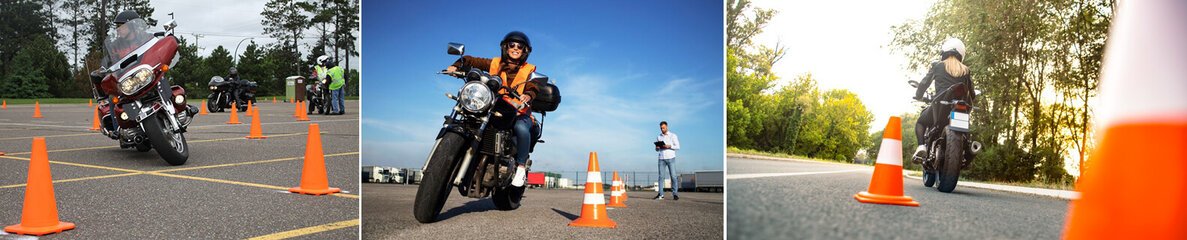
practice makes perfect
Note: Ongoing learning and improvement help you stay alert and ready for any surprises the road might throw your way.
Conclusion
Building good riding habits has a crucial impact on every motorcyclist. These habits make you safer and help you enjoy riding more. From wearing the right gear to riding, each habit plays a key role in keeping you safe on the road.
Keep in mind, that riding a motorcycle is a skill that needs constant focus and growth. By taking on these top 10 riding habits, you'll be on track to become a safer more sure rider.
10 Dangerous Motorcycle Habits You Need to Break Now
10 Tips for Safely Ride a Motorcycle with a Passenger

Motorcycle mechanic, writer. Interested in motorcycle gear for years. Like to stay up to date with the newest products and techniques of the motorcycle.
You maybe like to read:
Fodsports Brand Month: Unbeatable Deals and Top-Notch Service
Discover Fodsports Brand Month July and August mark a special occasion for motorcycle enthusiasts and tech lovers alike. Welcome to Fodsports Brand Month! This event is dedicated to celebrating everything that makes Fodsports a leading name in the motorcycle communication industry. Get ready for a fantastic promotions, exceptional service from Fodsports. Let's insights into Fodsports' […]
Ultimate Dolomites Autumn Cycling Guide: Best Fall Foliage Routes & Expert Gear Blueprint
The Italian Dolomites in autumn transform into a sensory masterpiece. As the chaotic summer crowds dissipate between mid-September and late October, the entire Alpine region ignites with golden larches, fiery maples, and stark white limestone peaks. This fleeting shoulder season provides the ultimate window for an epic Dolomites cycling tour and foliage chasing. Compared to […]
Route des Grandes Alpes in Fall: France Motorcycle Riding Guide
Few motorcycle routes combine high mountain passes, autumn forests, dramatic valleys, and Mediterranean scenery as well as the Route des Grandes Alpes in France. Stretching about 720 km from Thonon-les-Bains near Lake Geneva to Nice, the route crosses 18 major Alpine passes and reaches 2,764 meters at the Col de l'Iseran. For motorcycle riders, autumn can […]
Talimena Scenic Byway in Fall: Oklahoma and Arkansas Motorcycle Riding Guide
A mountain road, two states, 54 miles of ridgelines, and some of the best late-season color in the South—Talimena Scenic Byway is the kind of motorcycle route that rewards riders who leave room for the scenery. Running from the Mena, Arkansas area to Talihina, Oklahoma, the byway follows the crests of the Ouachita Mountains through forest, […]
Cherohala Skyway Tennessee and North Carolina: Fall Motorcycle Riding Guide
Few motorcycle roads in the Southeast combine elevation, open mountain views, and flowing curves quite like the Cherohala Skyway. Stretching about 43 miles between Tellico Plains, Tennessee, and Robbinsville, North Carolina, the National Scenic Byway climbs from lower valleys to elevations above 5,000 feet before crossing the Appalachian high country. In fall, the ride becomes […]