The motorcycle communication systems field just got a significant upgrade with the release of the Fodsports FX7. This state-of-the-art Bluetooth mesh intercom is packed with many advanced features and techs. It will revolutionize the way riders communicate and enjoy their rides. Whether you're a solo rider or part of a group, the FX7 offers unparalleled […]

Essential Tips for Motorcycle Riding in Bad Road Conditions
March 7, 2025
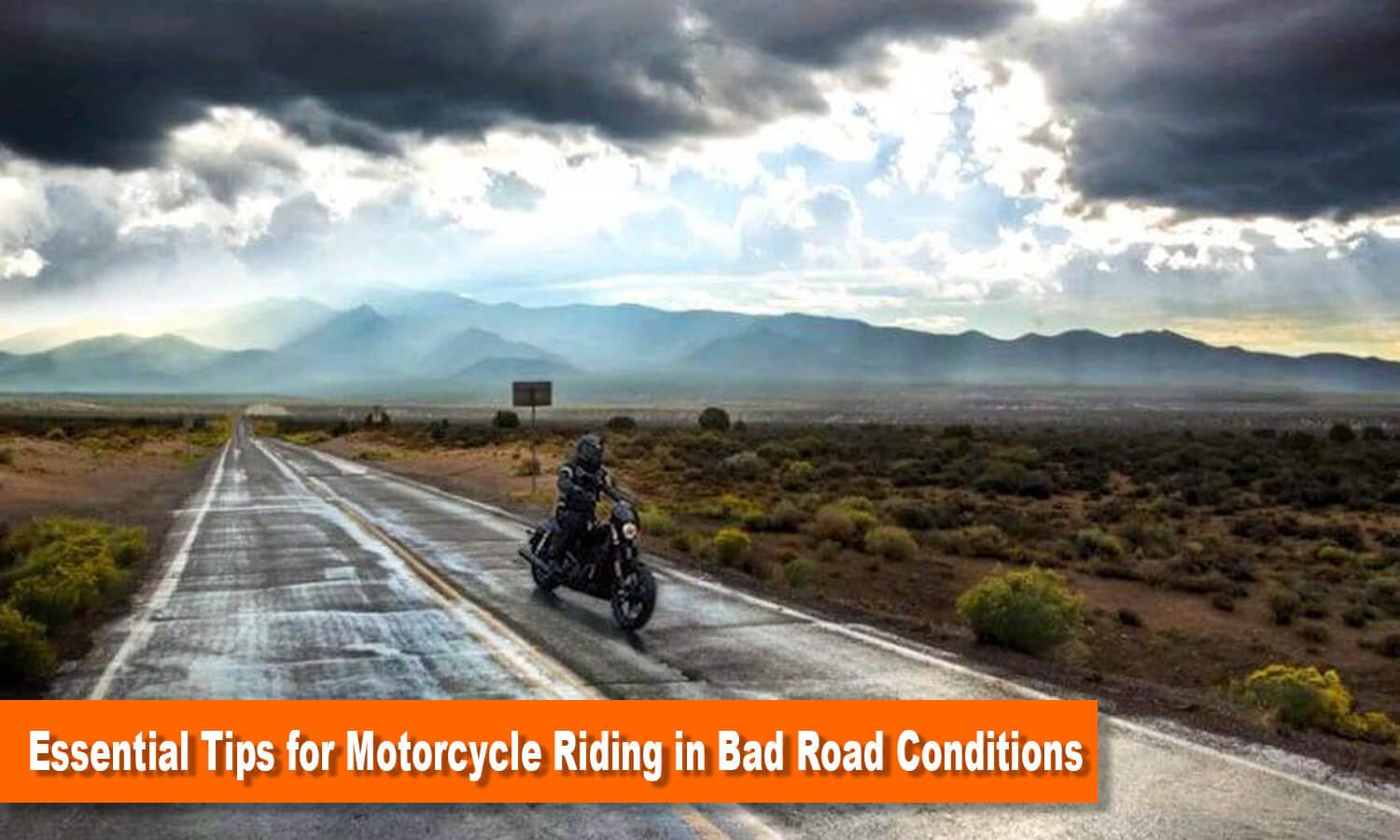
Riding a motorcycle is an exhilarating experience, but bad road conditions can turn it into a daunting challenge. Whether you’re facing rain, gravel, potholes, mud, or snow, being prepared is the key to staying safe.
This guide provides essential tips for motorcycle riding in adverse conditions, ensuring you stay safe while enjoying the ride.
Table of Contents
Why Bad Road Conditions Demand Extra Caution
Motorcycles are inherently less stable than cars, making them vulnerable to road hazards.

common adverse conditions
Common bad road conditions include:
- Wet or Slippery Surfaces: Rain, oil spills, or wet leaves can reduce tire traction, increasing the risk of skidding.
- Uneven or Damaged Roads: Potholes, gravel, and uneven pavement can destabilize a motorcycle.
- Debris: Objects like branches, rocks, or litter can obstruct paths and cause accidents.
- Low Visibility: Fog, heavy rain, or inadequate lighting can impair vision, making it harder to see and be seen.
The National Highway Traffic Safety Administration (NHTSA) says about 25% of motorbike crashes happen cuz of sketchy road situations, such as slippery roads or junk on the way. Stuff like bad light, not enough grip, and stuff popping up outta nowhere make things riskier. But, if you snag the proper skills and kit, you stand a better chance of dodging these hazards and having a cool safe trip.
1. Pre-Ride Preparation: Your First Line of Defense
Before hitting the road, perform a T-CLOCS check (Tires, Controls, Lights, Oil, Chassis, Stands):
Check Your Tires
- Tread Depth: Old tires don't do well on slick or bumpy roads. Swap them out when the tread gets less than 2/32 inches (1.6 mm).
- Pressure: Tires that aren't full enough lose traction, and the ones too full might slide around. For sure readings, go with a tire pressure monitor (TPMS).
- Tire Type: Opt for all-weather or dual-sport tires if you frequently ride in mixed conditions(designed for mixed terrain, with deeper treads to channel water and grip loose surfaces).
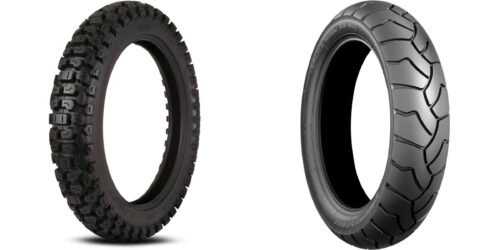
all-weather and dual-sport tires
Inspect Brakes and Suspension
- Test brakes for responsiveness. Consider ABS (Anti-Lock Braking Systems), which prevents wheel lockup on slippery roads.
- Ensure suspension is adjusted to handle bumps without bottoming out.
Weather Check
- Use apps like AccuWeather or Windy to anticipate rain, ice, or storms. Avoid riding if conditions are extreme.
Plan Your Route
- Use apps like Google Maps or Waze to check for road closures, construction zones, or weather alerts. Avoid poorly maintained backroads if possible.

use apps to plan your route
2. Riding in Rain: Conquering Wet Roads
Rain reduces visibility and traction. Here’s how to adapt:
Slow Down and Increase Following Distance
Reduce speed by 1/3 on wet roads.
Maintain a 4-second gap from vehicles ahead to account for longer stopping distances.
Avoid Hydroplaning
- Hydroplaning occurs when tires lose contact with the road. If it happens:1. Ease off the throttle. 2. Keep the bike upright; avoid sudden turns.
- Ride in the tracks of cars where water is less pooled.
Stay Visible
Wear reflective gear and use high-beam lights (during daylight) to combat gray, overcast skies.
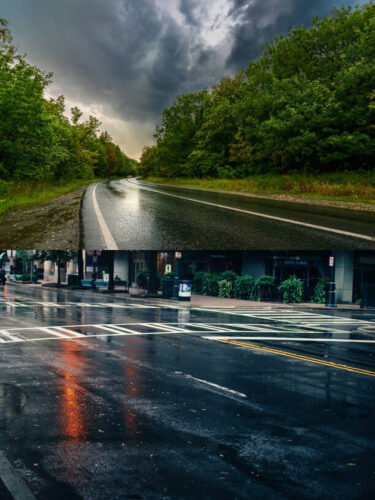
wet rainy roads
3. Gravel and Lose Surfaces: Balance is Key
Gravel, sand, or dirt roads demand precise control.
Adjust Speed and Posture
- Slow down before entering gravel zones.
- Stand slightly on the footpegs to absorb shocks and keep the weight centered.
Throttle and Brake Smoothly
- Sudden acceleration or braking can cause slips. Roll the throttle gently and use the rear brakes more than the front.
Choose the Right Path
- Stick to compacted tracks rather than loose edges.
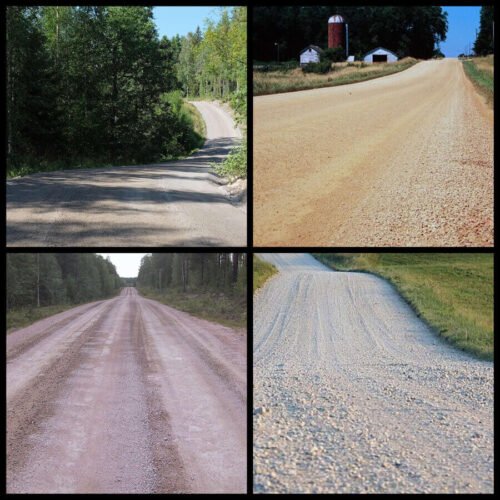
Gravel and Lose Surfaces
4. Potholes and Obstacles: Dodge or Absorb?
Potholes can damage wheels or throw you off balance.
Scan the Road Ahead
- Look 12–15 seconds ahead to spot hazards early.
Minimize Impact
If you can’t avoid a pothole:
- Rise slightly off the seat.
- Grip the tank with your knees.
- Maintain a steady throttle to stabilize the bike.
- If unavoidable, approach at a 90-degree angle to minimize tire pinch.
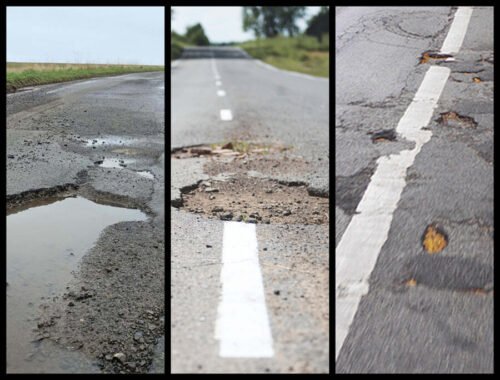
potholes can damage wheels or throw you off balance
5. Mud and Wet Leaves: Traction Tactics
Mud and leaves are deceptively slippery.
Reduce Speed and Stay Straight
- Avoid leaning or sharp turns.
- Use engine braking to slow down gradually.
Weight Distribution
- Shift weight backward to prevent front-wheel slides.
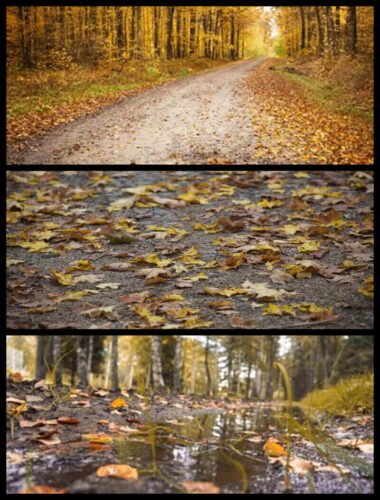
mud and wet leaves on roads
6. Snow and Ice: Proceed with Extreme Caution
Snow riding is risky but manageable with caution.
Fit Winter Tires or Chains
- Studded tires or tire chains improve grip on ice.
Smooth Movements
- Accelerate, brake, and turn gradually to avoid skidding.
Avoid Riding at Night
- Ice patches are harder to spot in the dark.

snow riding is risky but manageable with caution
7. Essential Gear for Bad Conditions
Invest in gear that enhances safety and comfort.
Helmet with Anti-Fog Visor
- Choose helmets with Pinlock inserts or built-in ventilation.
Waterproof Riding Suit
- Look for Gore-Tex or laminated fabrics for breathable dryness.
Gloves with Grip
- Textured palms and thermal lining improve control in rain or cold.
Rugged Boots
- Waterproof boots with ankle support and slip-resistant soles.
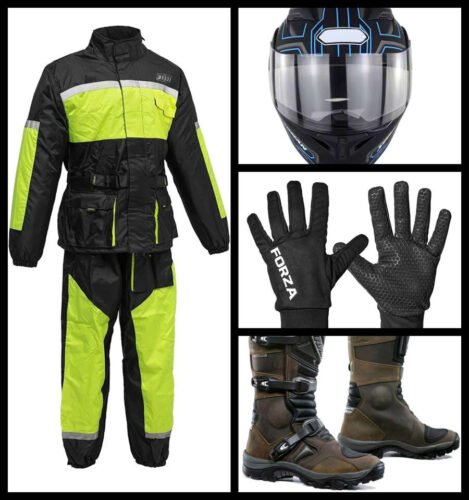
essential gear for bad conditions
8. Handling Emergencies: Stay Calm, Stay Safe
Even with preparation, emergencies happen.
Skid Recovery
- Front-wheel skid: Ease off the front brake.
- Rear-wheel skid: Keep the handlebars straight and release the rear brake.
Brake Failure
- Downshift gradually to slow the bike.
- Use engine braking and pump the brakes (if non-ABS).
9. Mental Preparedness: Ride Smart
Your mindset matters as much as your skills.
Stay Focused
- Avoid distractions like music or phone calls.
Know When to Stop
- If conditions worsen, pull over safely.
FAQs: Quick Answers to Common Questions
Q: What’s the safest speed for riding in the rain?
A: 10–15 mph below the posted limit. Adjust based on visibility and road texture.
Q: Can I use regular street tires on gravel?
A: Not recommended. Street tires lack the tread depth needed for loose surfaces.
Q: How do I recover from a fishtail?
A: Gradually release the throttle—don’t brake—and steer into the skid until stability returns.
Conclusion
Bad Road Conditions put your skills to the challenge, yet if you prep and practice tons, you'll get through them with no sweat. Make sure to keep your ride well-maintained, tweak how you ride, and don't skimp on good equipment. Keep in mind, the goal isn’t just to survive the ride—it’s to enjoy it, no matter what the road throws your way.
Stick to these pointers, and you're not just boosting your safety levels but also getting braver to face any kind of ground. Stay sharp, be ready for anything, and always land wheels on the ground!
You may also interested
With over 10 years of experience working on cars and trucks Item Training Supervisor Richard Reina is known around the office as one of our technical experts & real an "automobile person".
His rate of interest began, in his very own words, "at the age of two when his father educated him the distinction in between a Chevy and a Ford. Since then it's been cars regularly."
As a serious lover of practically all things with a motor Richard can address nearly any kind of inquiry related to car upkeep, fixing, or restoration & is a fact professional in electric motor background.
You maybe like to read:
Fodsports Brand Month: Unbeatable Deals and Top-Notch Service
Discover Fodsports Brand Month July and August mark a special occasion for motorcycle enthusiasts and tech lovers alike. Welcome to Fodsports Brand Month! This event is dedicated to celebrating everything that makes Fodsports a leading name in the motorcycle communication industry. Get ready for a fantastic promotions, exceptional service from Fodsports. Let's insights into Fodsports' […]
Cherohala Skyway Tennessee and North Carolina: Fall Motorcycle Riding Guide
Few motorcycle roads in the Southeast combine elevation, open mountain views, and flowing curves quite like the Cherohala Skyway. Stretching about 43 miles between Tellico Plains, Tennessee, and Robbinsville, North Carolina, the National Scenic Byway climbs from lower valleys to elevations above 5,000 feet before crossing the Appalachian high country. In fall, the ride becomes […]
10 Best Autumn Motorcycle Routes in Europe: Scenic Roads, Fall Colors and Riding Tips
🍂 Why Autumn Is One of the Best Seasons for a European Motorcycle Road Trip Europe becomes a completely different riding destination in autumn. Alpine forests turn gold, mountain valleys develop deeper colors, vineyards become vibrant, and many popular roads become quieter after the summer peak. For motorcycle travelers, the biggest advantage is variety. In […]
Pig Trail Scenic Byway Arkansas in Fall: Motorcycle Riding Guide
Winding through the Boston Mountains, the Pig Trail Scenic Byway is one of Arkansas's most enjoyable fall motorcycle routes. AR-23 combines tight mountain curves, dense hardwood forests, and the Mulberry River, creating a ride where the road itself is part of the scenery. In autumn, the Ozarks become even more impressive as the forest changes from […]
Tunnel of Trees Michigan in Fall: Motorcycle Riding Guide
Red and gold forests, winding roads, and glimpses of Lake Michigan make the Tunnel of Trees in Michigan a memorable fall motorcycle destination. The roughly 20-mile M-119 route between Harbor Springs and Cross Village is best enjoyed at a relaxed pace, with plenty of time for scenic stops. Planning a ride in 2026 requires extra attention, […]