The motorcycle communication systems field just got a significant upgrade with the release of the Fodsports FX7. This state-of-the-art Bluetooth mesh intercom is packed with many advanced features and techs. It will revolutionize the way riders communicate and enjoy their rides. Whether you're a solo rider or part of a group, the FX7 offers unparalleled […]

How to Improve Motorcycle Fuel Efficiency: A Mechanic’s Practical Guide
November 20, 2022
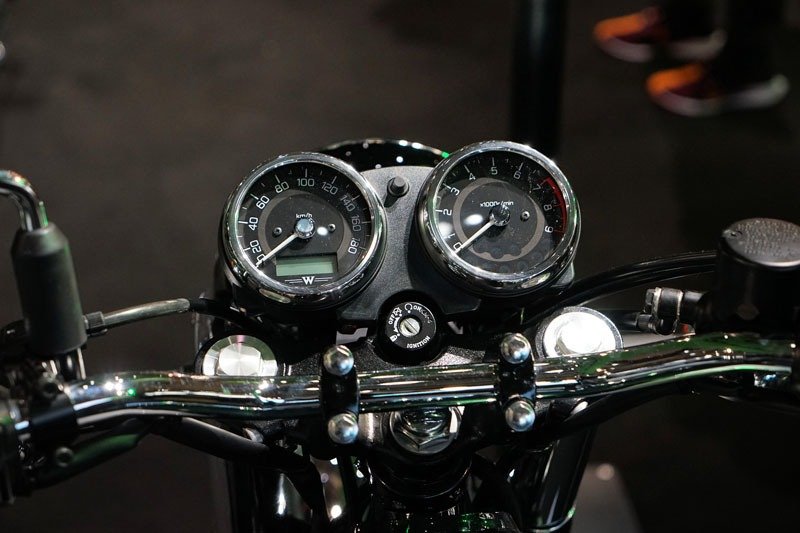
Motorcycle fuel efficiency improves when riding habits, maintenance, and bike setup work together to reduce engine load and fuel waste. Smooth throttle control, proper tire pressure, regular maintenance, and steady speeds can increase motorcycle MPG by 10–20%. From a mechanic’s perspective, better fuel efficiency also means a healthier engine and lower emissions.
If you’ve ever wondered how to improve motorcycle fuel efficiency, the answer is a combination of smart riding habits, proper maintenance, and correct motorcycle setup. In this guide, I’ll break it down in plain language, using real-world experience—not theory—so you can start getting better gas mileage right away.
Table of Contents
What Affects Motorcycle Fuel Efficiency?
Motorcycle fuel efficiency is affected by engine size, riding speed, RPM, motorcycle weight, maintenance condition, and road conditions. High RPM riding, aggressive acceleration, excess weight, and poor maintenance all increase fuel consumption.
Engine Size and Motorcycle Type
Larger engines naturally consume more fuel, but that doesn’t mean small bikes are always efficient. Sport bikes, cruisers, adventure bikes, and scooters all use fuel differently due to gearing, weight, and aerodynamics.
A well-maintained 1000cc touring bike ridden smoothly can sometimes outperform a poorly maintained 300cc bike ridden aggressively.
This table will show you a comparison of typical fuel efficiency for different kinds of motorcycles:
Below are a few model-specific MPG figures to illustrate the differences:
Riding Speed and Engine RPM
Fuel efficiency drops sharply at high RPM. The harder your engine works, the more fuel it burns. Riding near redline, even briefly and often, is one of the fastest ways to kill your MPG.
Motorcycle Weight and Load
Extra weight means extra work for the engine. Saddlebags packed with unnecessary gear, heavy accessories, and poor load distribution all increase fuel consumption.
Road Conditions and Traffic
Stop-and-go traffic, rough roads, strong headwinds, and steep hills force your engine to work harder. While you can’t control the road, you can control how you ride on it.
Riding Habits That Improve Motorcycle Fuel Efficiency
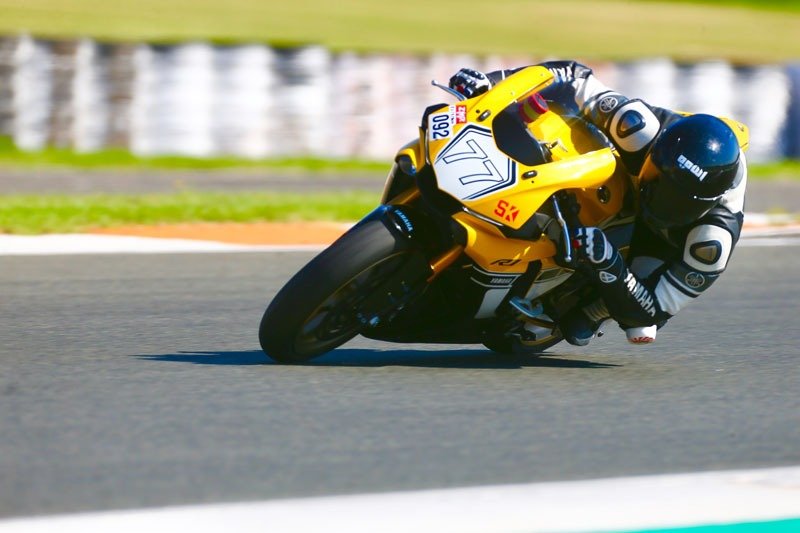
Proper riding habits can also help improve your motorcycle fuel efficiency
Fuel-efficient motorcycle riding focuses on smooth throttle input, steady speeds, early gear shifts, and reduced idling.
From years of wrenching on bikes, I can tell you this: riding style matters more than any bolt-on part.
Maintain a Steady Speed
Constant speed equals consistent fuel delivery. Rapid speed changes force the engine to dump extra fuel to respond.
Best practice:
- Use gentle throttle inputs
- Cruise at a stable speed whenever possible
- Use cruise control if your bike has it
Use Smooth Throttle Control
Smooth throttle control improves motorcycle fuel efficiency by preventing unnecessary fuel enrichment.
Snapping the throttle open sends excess fuel into the engine. Fuel injection systems respond instantly, and aggressive inputs waste gas fast.
Think “roll on” instead of “twist hard.”
Shift Gears at the Right RPM
Shifting into higher gears at moderate RPM improves fuel efficiency by reducing engine workload. Most motorcycles achieve best fuel economy in the mid-RPM range rather than near redline.
General rule:
Shift up early, but don’t lug the engine. Smooth power delivery is the goal.
Avoid Aggressive Acceleration and Hard Braking
Hard acceleration burns fuel. Hard braking wastes the energy you already paid for.
Smooth acceleration + early braking = better MPG.
Reduce Excessive Idling
Idling a motorcycle wastes fuel. Because the engine consumes gasoline without traveling any distance, it results in zero miles per gallon (MPG) and produces unnecessary emissions. Experts recommend turning off the engine if stopped for more than 10-30 seconds to save fuel and reduce pollution.
Modern motorcycles don’t need long warm-ups. Start the bike, give it 30–60 seconds, and ride gently until warm.
More Riding Habits
Motorcycle Maintenance Tips to Save Fuel
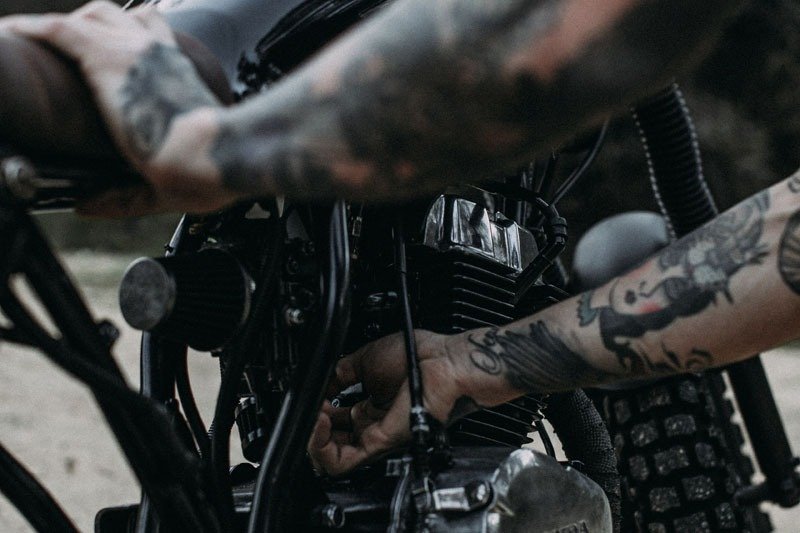
Regular motorcycle maintenance can help you save more fuel
Proper motorcycle maintenance can improve fuel efficiency by up to 20% by reducing mechanical resistance and ensuring clean combustion.
As a mechanic, this is where I see riders lose the most fuel without realizing it.
Keep Tires Properly Inflated
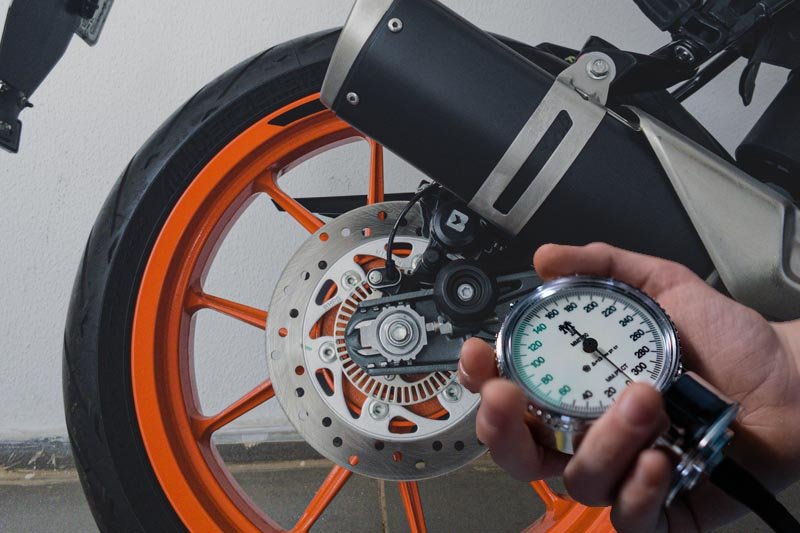
Check the tire pressure
Proper tire pressure improves motorcycle fuel efficiency by reducing rolling resistance. Underinflated tires increase rolling resistance and force the engine to work harder.
- Check tire pressure weekly
- Follow the manufacturer’s recommended PSI
- Don’t rely on visual checks alone
Even a few PSI low can reduce fuel efficiency noticeably.
Clean or Replace the Air Filter
A dirty air filter restricts airflow, forcing the engine to burn more fuel to compensate.
- Paper filters: replace as needed
- Foam or reusable filters: clean and oil regularly
If the engine can’t breathe, it can’t burn fuel efficiently.
Maintain and Lubricate the Chain
A dry or misadjusted chain reduces fuel efficiency by wasting engine power through friction. Regular cleaning, lubrication, and correct chain slack help maximize MPG.
- Clean and lube regularly
- Maintain correct chain slack
I’ve seen neglected chains cost riders 5–10% fuel efficiency.
Use the Correct Engine Oil
Oil that’s too thick increases internal resistance. Always use the viscosity recommended in your owner’s manual.
Fresh oil = less friction = better MPG.
Ensure the Fuel System Is Clean
Clogged injectors or dirty carburetors cause uneven fuel delivery.
- Use quality fuel
- Avoid letting fuel sit for long periods
- Service injectors or carbs when performance drops
Motorcycle Setup Changes That Improve Fuel Economy
Fuel efficiency isn’t just about riding—it’s also about how your bike is set up.
Reduce Unnecessary Weight
Every extra pound requires fuel to move.
- Remove unused luggage
- Avoid carrying tools or gear you don’t need
- Choose lightweight accessories when possible
Improve Aerodynamics
Wind resistance increases dramatically at higher speeds.
- Tuck in slightly when riding
- Adjust windshields correctly
- Avoid oversized accessories that catch air
Good aerodynamics help both fuel economy and rider comfort.
Choose Fuel-Efficient Tires
Touring or sport-touring tires often have lower rolling resistance than aggressive off-road or soft compound sport tires.
Choose tires that match your riding style—not just appearance.
How Speed and RPM Affect Motorcycle Fuel Consumption
Does riding faster use more fuel on a motorcycle?
Yes. As speed increases, aerodynamic drag rises exponentially. Your engine must burn significantly more fuel to overcome air resistance above highway speeds.
Most motorcycles achieve their best fuel efficiency between 45–65 mph, depending on gearing and engine size.
High RPM riding burns more fuel because:
- The engine completes more combustion cycles
- Internal friction increases
- Fuel enrichment occurs under load
Common Mistakes That Hurt Motorcycle Fuel Efficiency
Common mistakes that reduce motorcycle fuel efficiency include:
- Riding at unnecessarily high RPM
- Ignoring tire pressure
- Skipping routine maintenance
- Carrying excessive weight
- Aggressive acceleration and braking
Fuel efficiency problems are often small issues stacked together.
Fuel-Efficient Riding Tips for Beginners
Beginner riders can improve motorcycle fuel efficiency by developing smooth throttle control, shifting early, and anticipating traffic to reduce unnecessary braking.
- Learn smooth throttle control
- Shift by engine sound, not just RPM
- Anticipate traffic to avoid sudden stops
- Ride relaxed, not tense
Fuel-efficient riding also makes you safer, smoother, and more confident.
Environmental Benefits of Improving Motorcycle Fuel Efficiency
From an eco-focused perspective, better MPG means:
- Lower carbon emissions
- Reduced fuel consumption
- Less resource waste
- Longer engine life
Efficient motorcycles are cleaner motorcycles. Small changes multiplied over thousands of miles make a real difference.
FAQs About Motorcycle Fuel Efficiency
Does riding slower always save fuel on a motorcycle?
Riding slower does not always save fuel. The best fuel efficiency usually occurs at moderate speeds with steady RPM. Riding too slowly in low gears can increase fuel consumption.
Can tire pressure affect motorcycle fuel efficiency?
Yes. Underinflated tires increase rolling resistance and force the engine to work harder, reducing fuel efficiency.
Is fuel injection more fuel efficient than carburetors?
Fuel injection systems are generally more efficient because they deliver precise amounts of fuel based on engine conditions, reducing waste.
How much can maintenance improve motorcycle fuel economy?
Proper maintenance can improve motorcycle fuel efficiency by 10 to 20 percent, especially if issues like low tire pressure or dirty air filters are corrected.
What is considered good gas mileage for a motorcycle?
Most motorcycles achieve between 40 and 70 miles per gallon, depending on engine size, riding habits, and maintenance.
Conclusion: Ride Smarter, Waste Less Fuel
Improving motorcycle fuel efficiency isn’t about riding slowly or giving up performance. It’s about mechanical sympathy, smooth control, and smart maintenance.
From a mechanic’s point of view, an efficient motorcycle is a healthy motorcycle. From an eco-focused view, it’s a responsible way to enjoy riding while reducing your environmental impact.
Make small changes, stay consistent, and your fuel economy will improve—mile after mile.

Motorcycle mechanic, writer. Interested in motorcycle gear for years. Like to stay up to date with the newest products and techniques of the motorcycle.
You maybe like to read:
Fodsports Brand Month: Unbeatable Deals and Top-Notch Service
Discover Fodsports Brand Month July and August mark a special occasion for motorcycle enthusiasts and tech lovers alike. Welcome to Fodsports Brand Month! This event is dedicated to celebrating everything that makes Fodsports a leading name in the motorcycle communication industry. Get ready for a fantastic promotions, exceptional service from Fodsports. Let's insights into Fodsports' […]
North Coast 500 Motorcycle Guide: Exploring Scotland in Autumn
Autumn transforms Scotland’s North Coast 500 into a memorable destination for motorcycle touring. Golden Highland forests, winding coastal roads, rugged mountains, and quiet fishing villages create a striking backdrop for an autumn ride. A North Coast 500 motorcycle trip, however, requires more than a scenic route. Rain, strong winds, wet leaves, and shorter daylight hours […]
Transalpina in Autumn: Romania’s Ultimate Motorcycle Riding Guide
Autumn brings a different atmosphere to Transalpina, Romania’s spectacular high-mountain road. Golden forests cover the lower slopes, open alpine ridges reveal sweeping Carpathian views, and winding asphalt makes this route a memorable destination for motorcycle touring. But an autumn ride requires more than choosing a scenic road. Temperatures can drop quickly at altitude, mountain weather […]
Motorcycle Camera Buying Guide: How to Choose the Right Camera for Your Ride
Every motorcycle ride has a story worth capturing: a winding mountain road, a weekend adventure with friends, or an unexpected moment in traffic. But choosing the right motorcycle camera is not simply about buying the model with the highest resolution. Shaky footage, poor audio, short battery life, and unreliable mounting can turn an exciting ride […]
Transfăgărășan in Autumn: Romania’s Ultimate Motorcycle Riding Guide
Autumn transforms Romania’s Transfăgărășan Highway into a dramatic mountain journey, with golden forests, rugged peaks, winding asphalt, and sweeping views across the Făgăraș Mountains. For motorcycle riders, it offers a memorable combination of technical corners, spectacular scenery, and opportunities to explore the Romanian countryside. But an autumn ride requires more planning than a summer trip. […]