The motorcycle communication systems field just got a significant upgrade with the release of the Fodsports FX7. This state-of-the-art Bluetooth mesh intercom is packed with many advanced features and techs. It will revolutionize the way riders communicate and enjoy their rides. Whether you're a solo rider or part of a group, the FX7 offers unparalleled […]

10 Dangerous Motorcycle Habits You Need to Break Now
March 10, 2025

Motorcycling is an exhilarating experience, offering freedom, adventure, and a unique connection to the road. However, even seasoned riders can develop dangerous habits that compromise safety and performance. In this comprehensive guide, we’ll explore the most common dangerous motorcycle habits, why they’re dangerous, and how to fix them. Whether you’re a new rider or a veteran, breaking these habits could save your life.
Table of Contents
1. Skipping Protective Gear
The Habit: Riding without a helmet, gloves, jackets, or proper footwear.
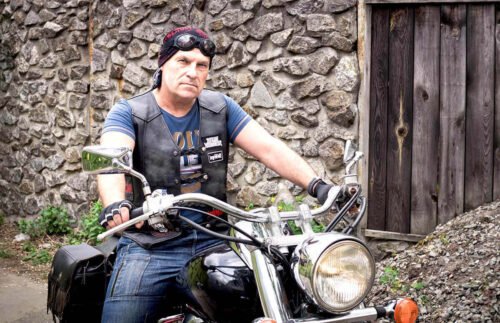
riding a motorcycle without protective gear
Why It’s Dangerous:
Motorcycle riding exposes you to greater risks in crashes, including head injuries and traumatic brain injuries. Helmets and protective clothing are essential for protection while wearing these items can prevent cuts, bruises, and road rash.
The National Highway Traffic Safety Administration (NHTSA) reports that helmets reduce the risk of death by 37% and head injury by 69%. Yet, many riders skip gear for “short trips” or comfort.
The Fix:
- Always wear a DOT/ECE-certified helmet. Modern helmets are lightweight and ventilated.
- Invest in abrasion-resistant jackets, pants, and gloves. Look for CE-rated armor.
- Choose boots that cover ankles. Sneakers offer zero protection in crashes.
Pro Tip: Use gear with reflective materials for better visibility at night.
2. Speeding and Overconfidence
The Habit: Riding too fast for conditions or showing off with risky maneuvers.
Why It’s Dangerous:
Speeding and overconfidence are common temptations for motorcyclists, leading to unnecessary risks and accidents. Speeding reduces the time for reactions, increases stopping distances, and reduces the margin for error. Overconfidence can blind riders to potential hazards, leading to misjudgments and potential legal consequences. It's crucial for motorcyclists to stay aware of their surroundings and maintain a safe speed to protect themselves and others on the road.
The Fix:
- Follow speed limits and adjust for weather, traffic, and road quality.
- Practice slow-speed maneuvers in empty parking lots.
- Take advanced riding courses (e.g., MSF Advanced RiderCourse).
Did You Know? ABS (Anti-lock Braking Systems) can reduce fatal crashes by 31% (IIHS).
3. Neglecting Motorcycle Maintenance

motorcycle maintenance is necessary
The Habit: Ignoring tire pressure, chain lubrication, brake checks, or oil changes.
Why It’s Dangerous: Worn tires cause poor traction. Faulty brakes or loose chains can lead to mechanical failure mid-ride.
The Fix:
- Check tire pressure weekly. Underinflated tires reduce stability.
- Lubricate the chain every 500 miles.
- Replace brake pads if the thickness is below 1/8 inch.
- Follow the manufacturer’s maintenance schedule.
Pro Tip: Use a motorcycle maintenance app (e.g., Drivvo) to track service dates.
4. Lane Splitting Unsafely
The Habit: Weaving between cars at high speeds or in heavy traffic.
Why It’s Dangerous: While lane splitting is legal in some states (e.g., California), doing it recklessly can cause collisions. Drivers often don’t expect motorcycles in tight spaces.
The Fix:
- Only lane split if it’s legal in your state.
- Keep speeds under 10 mph faster than traffic.
- Avoid splitting near large vehicles (trucks, buses).
- Watch for car doors opening or sudden lane changes.
Did You Know? California’s lane-splitting guidelines recommend not exceeding 30 mph.
5. Riding Distracted

riding distracted is dangerous
The Habit: Using phones, adjusting GPS, or daydreaming while riding.
Why It’s Dangerous: A 2023 study by AAA found that riders who text are 8x more likely to crash. Distractions delay reaction time.
The Fix:
- Mount your phone/GPS securely and use voice commands.
- Pull over to adjust settings or check directions.
- Stay mentally focused—avoid “autopilot” mode on familiar routes.
Pro Tip: Use Bluetooth helmet communicators for hands-free calls.
6. Poor Body Positioning
The Habit: Leaning incorrectly in turns, gripping handlebars too tightly, or slouching.
Why It’s Dangerous: Bad posture reduces control and increases fatigue. Improper leaning raises the risk of low siding.
The Fix:
- Look through turns—your head and eyes guide the bike.
- Relax your grip; use your knees to grip the tank.
- Shift your weight to the inside footpeg during turns.
Pro Tip: Watch YouTube tutorials by certified instructors for visual guidance.
7. Tailgating or Following Too Closely
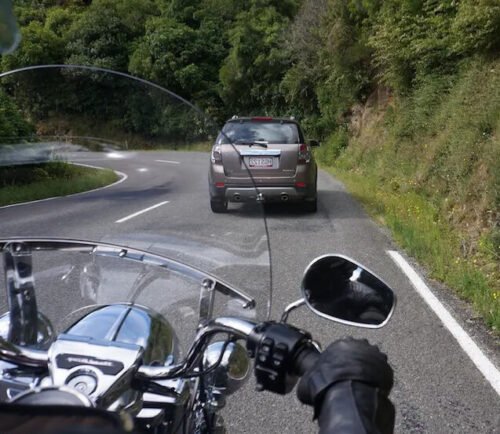
keeping proper following distance to avoid danger
The Habit: Riding too close to the vehicle ahead.
Why It’s Dangerous: Motorcycles need more stopping distance than cars. Tailgating leaves no room to react to sudden stops.
The Fix:
Follow the “3-second rule”: Pick a marker, and ensure 3 seconds pass before you reach it.
Increase distance in rain, fog, or gravel.
Did You Know? A motorcycle traveling at 60 mph needs 120–140 feet to stop (MSF).
8. Ignoring Blind Spots
The Habit: Lingering in car or truck blind spots.
Why It’s Dangerous: Drivers won’t see you, increasing the risk of sideswipes or lane-change collisions.
The Fix:
- Stay visible: Ride in the left or right third of the lane.
- Pass quickly if you’re near a vehicle’s blind spot.
- Use your horn or rev the engine to alert drivers.
Pro Tip: Install auxiliary lights to improve visibility.
9. Riding Under the Influence

Don't get drunk before riding a motorcycle
The Habit: Consuming alcohol, drugs, or medications before riding.
Why It’s Dangerous: Alcohol impairs balance, judgment, and coordination. In 2021, 29% of fatally injured riders were alcohol-impaired (NHTSA).
The Fix:
- Never drink and ride. Use ride-sharing apps instead.
- Check medication labels for drowsiness warnings.
- Stay hydrated—dehydration mimics alcohol impairment.
Did You Know? A blood alcohol concentration (BAC) of 0.08% reduces reaction time by 20–40%.
10. Failing to Signal or Communicate
The Habit: Not using turn signals, hand gestures, or brake lights properly.
Why It’s Dangerous: Drivers rely on your signals to anticipate moves. Sudden lane changes confuse traffic.
The Fix:
- Use turn signals 100–200 feet before turning.
- Flash brake lights before slowing down.
- Use hand signals (e.g., pointing to hazards) to communicate with riders.
Pro Tip: Install self-canceling turn signals to avoid leaving them on accidentally.
Safe Riding Habits
Bonus: How to Break Dangerous Motorcycle Habits
- Self-Assess: Record your rides or ask a friend to critique your habits.
- Practice Mindfulness: Stay conscious of your actions—no autopilot!
- Take a Refresher Course: Many organizations offer advanced training.
Final Thoughts
Getting over lousy bike-riding habits ain't quick, but man, it's worth it. You score safer treks, dodge more scrapes, and just dig the ride heaps more. Keep up with the know-how, make sure you’re seen, and put bike upkeep at the top of your list.
Don’t forget minor tweaks such as a weekly tire pressure check, could be a game-changer for staying alive.
You may also be interested in: Top 3 Motorcycle Dangers and Prevention Strategies

Rodney L is a technical writer and product consultant with over a decade of experience in the motor industry. Rodney is a fan of performance machines that run fast and loud and an expert in all things custom. His numerous articles and write-ups are available at our knowledge base. Whether it’s something wrong with your motorcycle or you are building a custom bike, you can trust Rodney’s experience.
You maybe like to read:
Fodsports Brand Month: Unbeatable Deals and Top-Notch Service
Discover Fodsports Brand Month July and August mark a special occasion for motorcycle enthusiasts and tech lovers alike. Welcome to Fodsports Brand Month! This event is dedicated to celebrating everything that makes Fodsports a leading name in the motorcycle communication industry. Get ready for a fantastic promotions, exceptional service from Fodsports. Let's insights into Fodsports' […]
Pig Trail Scenic Byway Arkansas in Fall: Motorcycle Riding Guide
Winding through the Boston Mountains, the Pig Trail Scenic Byway is one of Arkansas's most enjoyable fall motorcycle routes. AR-23 combines tight mountain curves, dense hardwood forests, and the Mulberry River, creating a ride where the road itself is part of the scenery. In autumn, the Ozarks become even more impressive as the forest changes from […]
Tunnel of Trees Michigan in Fall: Motorcycle Riding Guide
Red and gold forests, winding roads, and glimpses of Lake Michigan make the Tunnel of Trees in Michigan a memorable fall motorcycle destination. The roughly 20-mile M-119 route between Harbor Springs and Cross Village is best enjoyed at a relaxed pace, with plenty of time for scenic stops. Planning a ride in 2026 requires extra attention, […]
Blue Ridge Parkway Fall Motorcycle Trip: Route, Foliage, Stops and Riding Tips
Few motorcycle roads combine mountain scenery, flowing curves, historic landmarks, and autumn color as naturally as the Blue Ridge Parkway. Stretching 469 miles from Rockfish Gap, Virginia, to Cherokee, North Carolina, the Parkway crosses changing elevations and several Appalachian mountain ranges, creating a long seasonal window for fall foliage. The key to a great Blue […]
Adirondack Mountains in Fall: Highlights and Motorcycle Riding Guide
Few places in New York offer a better combination of mountain roads, lakes, forests, and fall color than the Adirondack Mountains. For motorcycle riders, autumn brings an extra layer of appeal: winding roads surrounded by red, orange, and golden foliage. The Adirondack Park covers about 6 million acres, with more than 3,000 lakes and roughly […]