The motorcycle communication systems field just got a significant upgrade with the release of the Fodsports FX7. This state-of-the-art Bluetooth mesh intercom is packed with many advanced features and techs. It will revolutionize the way riders communicate and enjoy their rides. Whether you're a solo rider or part of a group, the FX7 offers unparalleled […]

Winter Motorcycle Riding: 15 Essential Tips for Cold Weather
November 9, 2026
Winter motorcycle riding can be exciting, but cold temperatures, wet roads, reduced daylight, and unpredictable weather create additional challenges for riders. Even experienced motorcyclists need to adjust their riding habits when temperatures drop.
Cold weather affects more than comfort. It can reduce tire pressure, make hands less responsive, fog helmet visors, and increase the risk of encountering slippery road surfaces. Snow, frost, and black ice can also make motorcycle control extremely difficult.
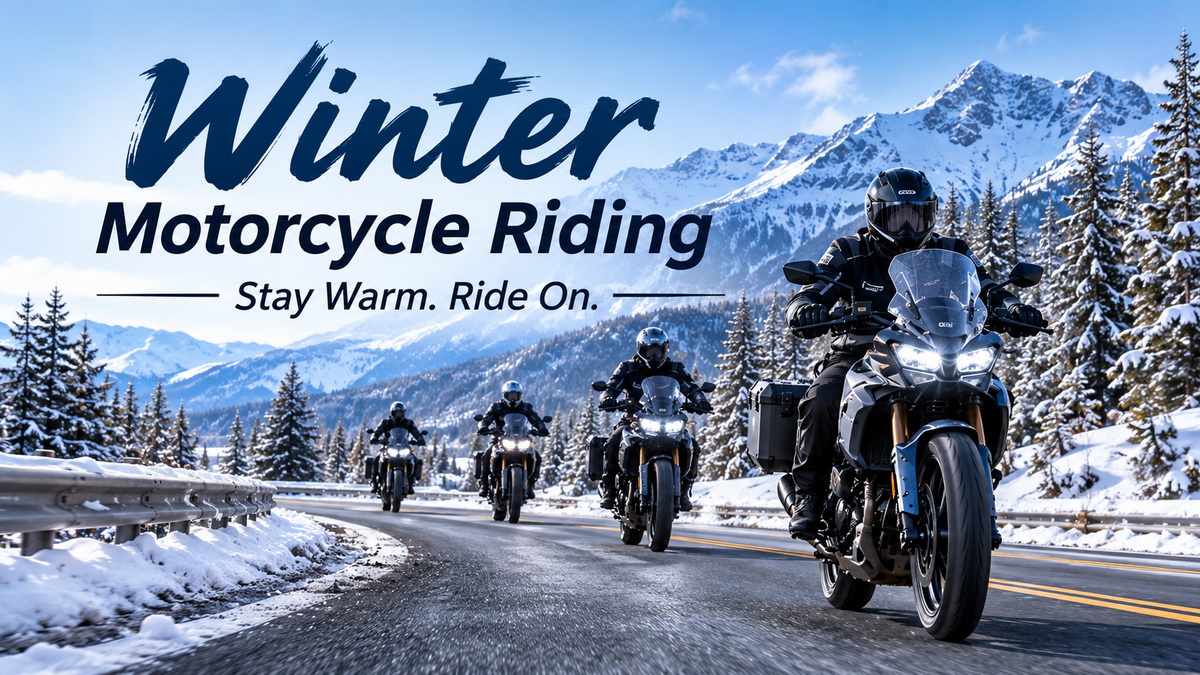
Winter Motorcycle Riding
The good news is that proper preparation can make cold-weather riding more manageable. Whether you ride daily or enjoy occasional winter adventures, these 15 essential winter motorcycle riding tips will help you prepare your motorcycle, choose the right gear, improve visibility, and ride more safely. Most importantly, knowing when to postpone a ride is just as important as knowing how to handle your motorcycle.
🏍️ 15 Essential Winter Motorcycle Riding Tips
1. Check the Weather Before Every Ride
Winter weather can change quickly. Before leaving, check the temperature, wind speed, precipitation, road conditions, and weather forecast along your entire route.
Pay particular attention to freezing temperatures, overnight frost, snowfall, and freezing rain. A road that looks wet may actually have a thin layer of ice.
If severe weather is expected, postpone your trip rather than taking unnecessary risks.
2. Watch Out for Black Ice
Black ice is one of the most dangerous winter motorcycle hazards because it can be almost invisible.
It commonly forms on bridges, shaded corners, tunnels, elevated roads, and areas where water collects. Even when the surrounding pavement appears dry, these locations may remain icy.
Never assume a shiny road surface is safe. If you suspect ice, avoid riding over it whenever possible. Snow-covered and icy roads are generally unsuitable for ordinary motorcycles.
3. Check Tire Pressure and Condition
Cold temperatures can reduce motorcycle tire pressure, affecting handling, stability, and braking performance.
Check both tires before riding with an accurate pressure gauge. Always follow the pressure recommendations in your motorcycle owner's manual and measure when the tires are cold.
Also inspect:
- Tire tread depth and uneven wear.
- Cracks, cuts, and embedded objects.
- Sidewall damage and bulges.
- Valve stems and visible air leaks.
Remember that cold tires may take longer to reach their normal operating temperature. Avoid aggressive acceleration, hard braking, and sudden cornering, especially during the first part of your ride.
4. Warm Up Your Motorcycle Properly
Before riding, give your motorcycle enough time to establish stable operation according to the manufacturer's instructions.
Check the engine oil level, coolant level if applicable, lights, brakes, and electrical system. Look for unusual noises, leaks, or warning indicators.
Modern fuel-injected motorcycles generally do not require long periods of stationary idling. A brief startup check followed by gentle riding is usually more appropriate.
Avoid revving a cold engine aggressively. Allow the engine and drivetrain to reach normal operating conditions gradually.
5. Dress in Multiple Thermal Layers
Wearing several layers is one of the most effective ways to stay warm during winter motorcycle riding.
A practical layering system includes:
- Base layer: Moisture-wicking thermal underwear that keeps sweat away from your skin.
- Insulating layer: Fleece or thermal clothing that traps body heat.
- Outer layer: Windproof and waterproof motorcycle clothing that protects against cold air and rain.
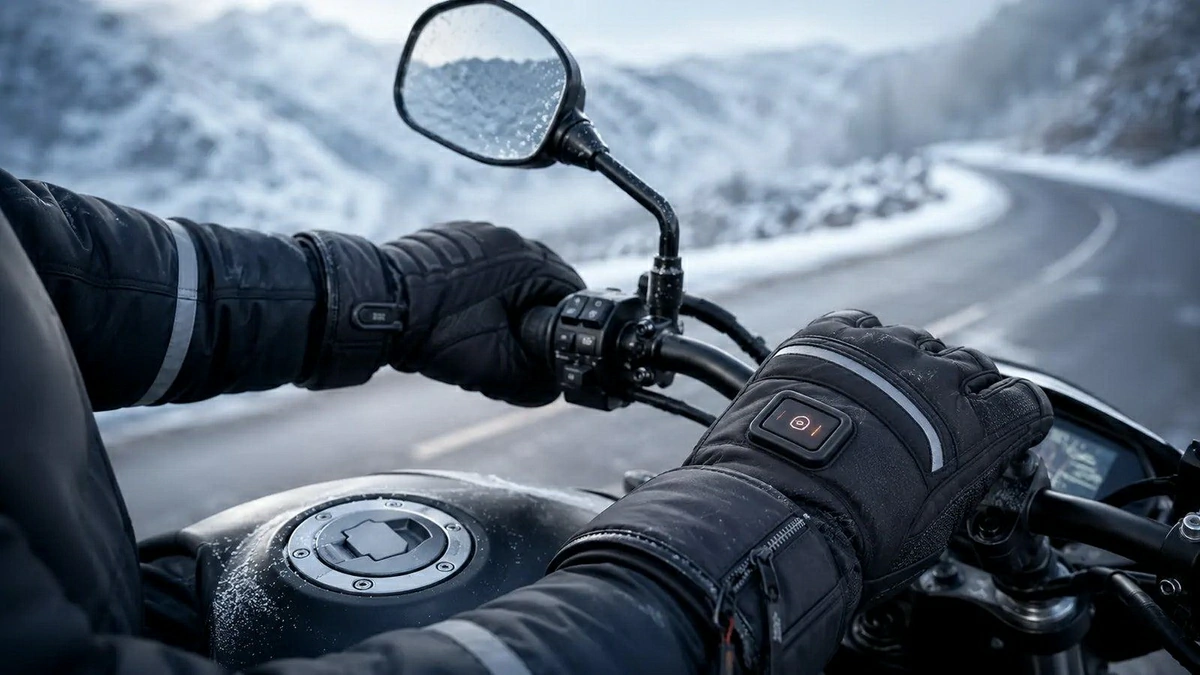
Avoid overly tight clothing because it can restrict movement and reduce comfort. Make sure your jacket and trousers fit properly without interfering with your riding posture.
6. Wear Heated Motorcycle Gear
For riders who frequently travel in very cold conditions, heated motorcycle gear can provide additional comfort.
Heated gloves, jackets, vests, and heated grips help maintain warmth during longer journeys. Some products use rechargeable batteries, while others connect directly to the motorcycle's electrical system.
Choose equipment with appropriate temperature controls and follow its installation instructions. Check the electrical load before connecting multiple heated accessories to your motorcycle.
7. Protect Your Hands and Feet
Cold hands and feet can affect your ability to operate motorcycle controls accurately.
Your fingers need to remain flexible enough to operate the clutch, brake lever, throttle, and switches. Choose insulated, windproof motorcycle gloves that provide sufficient grip and control.
For your feet, wear waterproof motorcycle boots with thermal socks. Make sure the boots do not restrict ankle movement or interfere with gear shifting.
Heated grips and handguards can provide additional protection against cold wind, particularly during longer rides.
8. Prevent Helmet Visor Fogging
A fogged visor can seriously reduce visibility in cold weather.
Temperature differences between your breath and the cold visor surface cause condensation, particularly when riding slowly or stopping in traffic.
To reduce fogging:
- Use a compatible anti-fog insert or treated visor.
- Keep helmet ventilation openings clear.
- Avoid covering exhaust vents with clothing.
- Use manufacturer-approved anti-fog products.
- Keep the visor clean and free from scratches.
Never continue riding when your vision is significantly obstructed. Pull over somewhere safe and clear the visor before continuing.
9. Increase Your Following Distance
Wet, cold, and slippery roads require more time and space to respond to unexpected situations.
Increase the distance between your motorcycle and the vehicle ahead. This gives you more time to identify hazards and brake smoothly.
Avoid following closely behind cars and trucks, especially when visibility is poor. Remember that vehicles may stop suddenly or throw water and road debris toward your motorcycle.
10. Ride Smoothly and Avoid Sudden Movements
Smooth control is essential for winter motorcycle riding.
Avoid aggressive acceleration, sudden braking, sharp steering inputs, and abrupt gear changes. These actions can overwhelm the available traction on cold or slippery surfaces.
Approach corners at a controlled speed and maintain a steady throttle whenever road conditions permit.
If you encounter a wet or contaminated surface, reduce speed gradually before reaching it. Avoid sudden changes in direction or braking while crossing slippery areas.
11. Improve Your Visibility
Winter often brings shorter daylight hours, cloudy skies, rain, and fog. Other road users may also be less accustomed to seeing motorcycles during colder months.
Improve your visibility by:
- Wearing reflective or brightly colored riding gear.
- Checking your headlight, brake light, and turn signals.
- Keeping reflective surfaces clean.
- Avoiding unnecessary riding in poor visibility.
- Positioning yourself where other drivers can see you.
Always use your headlights as required by local traffic regulations. Defensive positioning and early signaling are particularly important during winter commutes.
12. Check Your Motorcycle Battery and Electrical System
Low temperatures can reduce battery performance and make starting more difficult.
Before winter riding, inspect the battery terminals, cables, and charging system. Check for corrosion, loose connections, or signs of battery deterioration.
If your motorcycle is parked outdoors overnight, a compatible battery maintainer may help preserve battery charge during extended periods of inactivity.
Also test heated accessories, lights, and other electrical equipment before setting off.
13. Keep Your Motorcycle Clean
Winter roads often contain mud, moisture, and road salt, which can accelerate corrosion.
Clean your motorcycle regularly, paying particular attention to the chain, wheels, brake components, frame, and exposed metal surfaces.
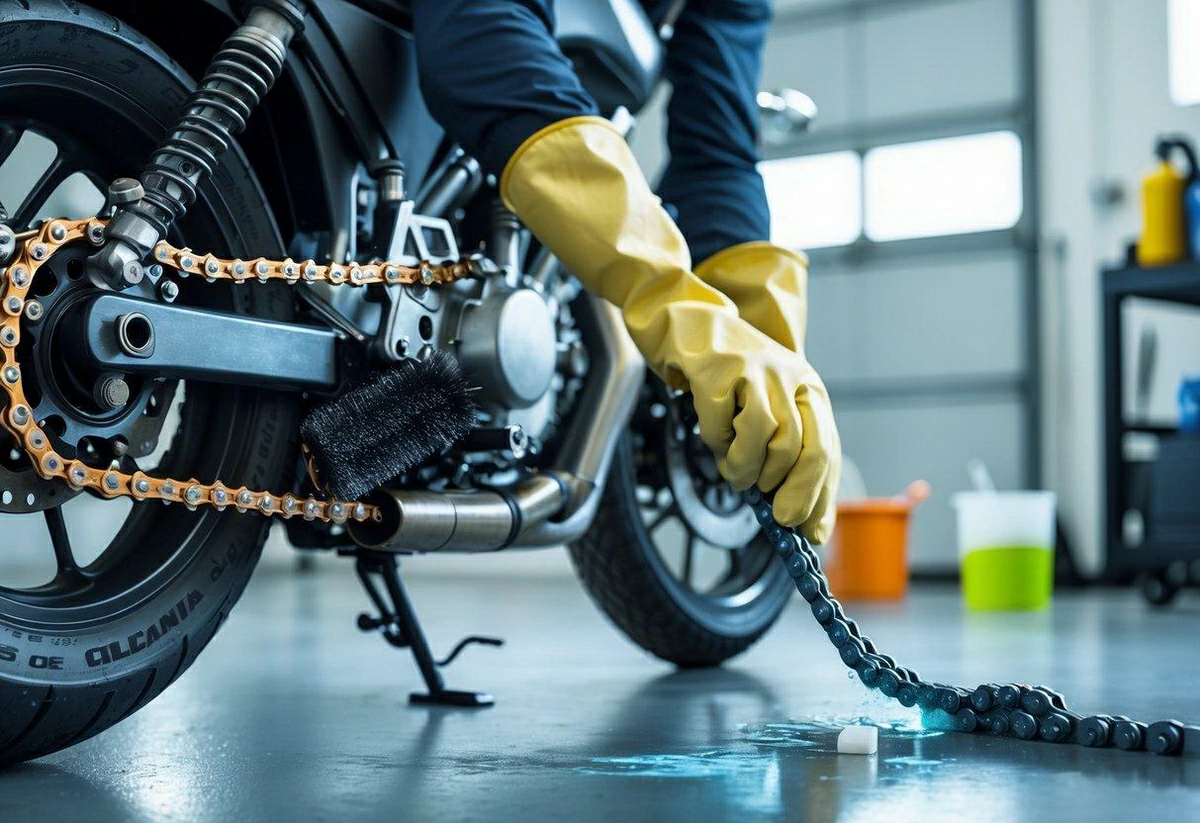
After riding on salted roads, rinse away salt residue using an appropriate cleaning method. Dry the motorcycle thoroughly and lubricate the chain according to the manufacturer's instructions.
Avoid spraying high-pressure water directly at electrical connectors, bearings, seals, and sensitive components.
14. Carry an Emergency Winter Riding Kit
A breakdown during winter can become uncomfortable and potentially dangerous, particularly in remote locations.
Prepare a small emergency kit containing:
- A fully charged mobile phone.
- A portable power bank.
- Basic motorcycle tools.
- Tire repair equipment suitable for your tires.
- Reflective emergency clothing.
- A compact first-aid kit.
- Waterproof gloves or spare thermal layers.
- Emergency contact information.
For longer journeys, share your route and estimated arrival time with someone you trust.
15. Know When Not to Ride
One of the most important winter motorcycle riding skills is recognizing when conditions are unsafe.
Avoid riding during snowfall, freezing rain, or when black ice is likely. Strong crosswinds, flooding, poor visibility, and severe cold can also make motorcycle travel unnecessarily dangerous.
If weather conditions deteriorate during your journey, find a safe place to stop and reassess your route.
No destination is worth risking your safety.
🧤 Essential Winter Motorcycle Riding Gear
Having the right equipment makes a significant difference during cold-weather motorcycle riding.
| Riding Gear | Main Benefit |
|---|---|
| Full-face helmet | Protects against wind, debris, and impacts |
| Anti-fog visor insert | Helps maintain clear visibility |
| Heated gloves | Keeps fingers warm and responsive |
| Thermal base layers | Helps retain body heat |
| Waterproof motorcycle jacket | Protects against wind and rain |
| Insulated riding boots | Keeps feet warm and dry |
| Heated grips | Reduces exposure to cold handlebars |
| Reflective vest | Improves visibility in low light |
Communication equipment is another useful addition for winter touring. A Motorcycle Bluetooth Intercom allows riders to communicate with passengers or other motorcyclists without repeatedly stopping. A Helmet Communication System can also provide navigation audio and hands-free communication.
For group touring, a Bluetooth Mesh Intercom can make communication easier when riders travel at different distances from one another.
Fodsports has specialized in motorcycle Bluetooth communication systems since 2014. When selecting communication equipment, prioritize secure installation, waterproof protection, reliable battery performance, and compatibility with your helmet.
📊 Winter Motorcycle Safety: Important Statistics
Motorcycle safety statistics highlight why preparation and defensive riding matter.
According to the National Highway Traffic Safety Administration (NHTSA), 6,228 motorcyclists died in US traffic crashes in 2024, representing approximately 16% of all traffic fatalities.
NHTSA also reports that motorcyclists were almost 27 times more likely to die in a crash per mile traveled than passenger vehicle occupants in 2024.
The Insurance Institute for Highway Safety (IIHS) reports that motorcycle helmets are approximately 37% effective in preventing motorcycle deaths and 67% effective in preventing brain injuries, based on the research it cites.
These figures are not specific to winter riding, but they demonstrate why protective equipment, visibility, and responsible riding decisions are essential throughout the year.
❓ Frequently Asked Questions
1. Is it safe to ride a motorcycle in winter?
It can be safe in suitable conditions, but winter increases the risks of cold tires, slippery roads, reduced visibility, and black ice. Avoid riding in snow, freezing rain, or icy conditions.
2. What temperature is too cold for motorcycle riding?
There is no universal temperature limit. Wind chill, road conditions, tire performance, riding gear, and personal tolerance all matter. Avoid riding when freezing conditions create a risk of ice.
3. How do I keep my hands warm while riding a motorcycle?
Use insulated motorcycle gloves, heated grips, or heated gloves. Windproof handguards can provide additional protection against cold airflow.
4. Do motorcycle tires lose pressure in cold weather?
Yes. Tire pressure generally decreases as air temperature drops. Check cold tire pressure regularly and inflate according to the motorcycle manufacturer's recommendations.
5. How can I prevent my motorcycle helmet visor from fogging in winter?
Use a compatible anti-fog insert, maintain proper ventilation, and keep the visor clean. Never continue riding if condensation prevents you from seeing clearly.
Authoritative Sources
- National Highway Traffic Safety Administration (NHTSA) – Motorcycle Safety
https://www.nhtsa.gov/road-safety/motorcycles - Motorcycle Safety Foundation (MSF) – Personal Protective Gear
https://msf-usa.org/documents/library/personal-protective-gear/ - Ontario Ministry of Transportation – Motorcycle Handbook: Driving in Difficult Weather Conditions
https://www.ontario.ca/document/official-ministry-transportation-mto-motorcycle-handbook/driving-difficult-weather-conditions - Traffic Scotland – 10 Tips for Riding a Motorcycle in Winter
https://www.traffic.gov.scot/winter-motorcycle-riding - Insurance Institute for Highway Safety (IIHS) – Motorcycle and ATV Fatality Facts
https://www.iihs.org/research-areas/fatality-statistics/detail/motorcycles-and-atvs

Rodney L is a technical writer and product consultant with over a decade of experience in the motor industry. Rodney is a fan of performance machines that run fast and loud and an expert in all things custom. His numerous articles and write-ups are available at our knowledge base. Whether it’s something wrong with your motorcycle or you are building a custom bike, you can trust Rodney’s experience.
You maybe like to read:
Fodsports Brand Month: Unbeatable Deals and Top-Notch Service
Discover Fodsports Brand Month July and August mark a special occasion for motorcycle enthusiasts and tech lovers alike. Welcome to Fodsports Brand Month! This event is dedicated to celebrating everything that makes Fodsports a leading name in the motorcycle communication industry. Get ready for a fantastic promotions, exceptional service from Fodsports. Let's insights into Fodsports' […]
How to Winterize a Motorcycle: A Complete Guide to Preparing Your Bike for Winter
When riding season ends, parking your motorcycle in the garage and throwing a cover over it is not enough. Months of inactivity can leave you dealing with a weak battery, deteriorated fuel, corrosion, or tire problems when spring arrives. Proper winter storage helps protect your motorcycle and reduces the maintenance it may need before your […]
Winter Motorcycle Riding: 15 Essential Tips for Cold Weather
Winter motorcycle riding can be exciting, but cold temperatures, wet roads, reduced daylight, and unpredictable weather create additional challenges for riders. Even experienced motorcyclists need to adjust their riding habits when temperatures drop. Cold weather affects more than comfort. It can reduce tire pressure, make hands less responsive, fog helmet visors, and increase the risk […]
Fall Motorcycle Maintenance Checklist: Prepare Your Bike for Winter
As temperatures drop, your motorcycle needs more than a quick wash before winter. Months of inactivity, temperature changes, and moisture can affect the battery, tires, fuel system, and exposed metal parts. A little preparation in the fall can help prevent avoidable maintenance problems and make your first spring ride easier. This fall motorcycle maintenance checklist […]
Best Motorcycle Helmet Bluetooth Speakers: How to Choose the Right Pair
Choosing the best motorcycle helmet Bluetooth speakers involves more than finding speakers that play music. They need to fit your helmet, sit comfortably near your ears, deliver clear audio, and work with your preferred Bluetooth device or communication system. Some riders mainly want music and GPS directions. Others need phone calls or communication during group […]