
Shifting a motorcycle is one of the challenges a motorcyclist obtains when learning to ride a motorcycle.
I managed to pick up a stack of suggestions on RPM, redlining and everything there is around it. Today, I'm gonna share all of when to shift gears on a motorcycle at what rpm with you, so stay and also proceed reading out to discover.
Many times, the motorcycle riders do not transform the gear of their motorcycles according to the speed they are running in. Some also alter gears only after the engine starts roaring and some also stall the motorcycle.
Don't be afraid, you can master the movement of the motorcycle through practice, and it's really simpler than it sounds.
Revolutions per min or RPM of the engine is a signal' in easy language to inform you to shift gears.
This is not a set rule that the gear shift needs to remain in the required RPM. There are numerous aspects.
- Such as gas effectiveness or economic driving- Shift gears at reduced RPM state 2000-3000 or 2-3.
- Or for performance and also to drive with complete advantage- shift gears at higher RPM state 4000 and above.
So, when to shift gears on a motorcycle at what rpm?
While the rider must shift the gears a lot more in reaction and the ideal speed differs relying on the scenario,
Determining when to shift will depend on the motorcycle, road conditions, and take a trip rate. While most motorcycles are good shifting at 5,000 to 7,000 RPMs, it is best to judge by the sound and also feel of the engine. As you relocate quicker, its pitch will certainly boost. When the pitch is high, it is time to shift.
The Approximate Speed Resembles This,
- 0 to 15 km/h for first gears
- 15 to 30 km/h for second gears
- 30 to 40 km/h for three gears
- 40 to 55 km/h for four gears
- 55 km/h and higher for five and also sixth gears
Once more, to restate, the rate is even more of a guideline as opposed to the rule.
The motorcyclist ought to always listen to the motorcycle and shift the gears appropriately rather than adhering to regulation-based gear shifting.
With time, the motorcyclist will certainly get utilized to the motorcycle requirements as well as will certainly shift the gears according to their suitable rate simply on the reactions.
So, there is no demand to stress in case you are a newbie and also are fretting about the speed at which to shift the gear.
6 Gears You Must Know
1st Gear
Allow us initially talk about the first gear. The excellent rate array for the initial gear is 0 km/h to 15 km/h.
The primary feature of the first gear is not for driving, however to shift the motorcycle from rest to start.
Unless you are embedded on a steep uphill, you barely utilize the initial gear to drive along.
Driving in initial gear is scratchy at best. The smooth operation of the motorcycle begins just from the second gear.
The initial gear is distinguished from the various other gears by positioning the initial gear down on the motorcycle et cetera gears are all up with the neutral gear between the first and also the 2nd.
The neutral gear positioned in between signals the cyclist to make use of the first gear only for beginners.
For driving objectives, begin with the 2nd The gear.
2nd Gear
The second gear is where the motorcycle driving begins.
The suitable rate range for the second gear is between 15 km/h to 30 km/h.
The second gear is the most utilized gear if you are traveling on inactive and also crowded roads.
The heavy traffic makes it impossible for the motorcyclist to accelerate the motorcycle to high rpm.
In addition, the second gear does not have the disturbance that you really feel while riding in the first gear and also is comfortable to ride on also when you are in a traffic jam.
3rd Gear
For the third gear, the suitable speed variety is between 30 km/h to 40 km/h.
From here on, the speed array is actually more of an approximate overview as opposed to something that needs to be complied with purely.
Additionally, the rpm and also rate of the gear, especially greater gears differ a little for different motorcycle make and also models.
4th Gear
The best rate array for the fourth gear is between 40 km/h to 55 km/h.
Once again, the speed range is actually even more of an approximate guide rather than something that requires to be followed strictly.
You can also transform to 5th gear at 50 km/h. And it would not be an issue whatsoever.
In the fourth gear, the power created according to the gear proportion will be suitable in the rate range of 40 km/h to 55 km/h.
Fourth gear is when you begin truly quickening your motorcycle.
You will certainly start riding at high speed from here. Although 40 km/h might not look high, it is still considered a significant rate and any accidents involved at this speed can wound the motorcyclist.
5th And 6th Gears
For 5th as well as sixth gears, the best speed is anything over 55 km/h.
You can even move to the 5th gear at a 50 km/h rate itself.
Generally, you would certainly move up to the fifth gear only when the roadway is smooth, there is minimal traffic or you are driving on a freeway.
As well as riding on fifth or 6th gear carries more threat of injury for the motorcyclist in case of any accidents or crashes.
So, you need to be cautious and ought to be prepared to move down the gear whenever you are riding your motorcycle on 5th or 6th gear.
Since the speed for these higher gears is anything over 55 km/h, the motorcycle cyclist needs to be cautious and also should prepare to move down the gears or apply the brakes promptly.
If you consciously alter the gear according to their best speed variety, the main benefit will certainly be the far better upkeep of the motorcycle parts.
- The clutch plates will certainly be in a healthy and balanced condition. The clutch plate will not obtain burned quickly and also won't be damaged.
- The gear will not obtain stuck and also the transmission will work efficiently over a long period of time.
- The engine elements will certainly be able to work smoothly without an unpredictable lot coming from the gear and transmission.
- When you shift and move the gear according to the rate array, the mileage of your motorcycle will certainly be high. The gas economic situation or the mileage will drastically boost.
Beginner Shift Skills
- Disengage the clutch
- Select the suitable gear
- A little rev of the engine
- Progressively release the clutch
- Feather the throttle while releasing the clutch
- Rev the engine for velocity up until another shift is needed
The auto mechanics to move a motorcycle are as easy as these 6 actions, nonetheless to do it smoothly calls for a lot of technique.
Know your motorcycle's Internal and external devices to have a concept of exactly how they function.
Technique riding in an open location without transportation. For example, a car park. As well as, most notably, be secure as well as mindful throughout the learning procedure.
You will most likely find that riding a motorcycle is less complicated than it seems. When you obtain the clutch feel, gear matching, and just how much throttle is required to have smooth velocity, the process will certainly be a lot easier and also it will certainly require much less emphasis.
After a lot of practice and riding you'll feel that gear changing will certainly start to be an automatic reaction.
Although this activity is fairly simple as well as repeated in riding, it prevails to see a motorcyclist "scraping gear".
Tips for Quickly Shifting Gears of Motorcycles
- Always attempt to downshift one piece of gear each time.
- Listen to the noise engine as you shift the gear. If you feel the motorcycle torque is weak, it is needed to reduce and also consequently obtain power, and also the other way around.
- When changing from the initial to neutral, be sure to launch the clutch slowly to make certain it is neutral. Performing a quick clutch launch with a gear engaged might trigger the engine to sink or create bumps.
- The engine may break if there's no shifting after the redline.
Superb Shift Technology
It's simple to tell the experience level of a motorcyclist just by seeing how he shifts. That's since shifting is called for so frequently in riding.
Shifting efficiently is essential due to the fact that while between shifts, the cyclist is specifically at risk.
Racers, particularly drag racers, have turned to shift into an art form.
What you require to want is that the shift needs to be done at the point where it will certainly get in the following gear at an rpm equal to the engine's torque top.
The below techniques are not advised for beginners and must be experimented with care.
Upshifting
Quick, reliable upshifts are quite simple to master when you take the time to practice the method.
Your key goal is to minimize the quantity of time that you are not speeding up. This can be made with a clutchless upshifting.
To do that, race motorcycles make use of quick-shifters to shift gears without needing to close the throttle. Nowadays some stock road motorcycles currently come with a quick-shifter.
Quick-shifters work by having a sensor identify motion in the shift linkage from the cyclist's foot and afterward reduced the ignition for around 40 milliseconds. This dumps the transmission and permits it to quickly shift right into the next higher gear.
The good news is that you can include a quick-shifter for your motorcycle. Nevertheless, it's kind of costly.
What if I inform you can achieve almost the exact same result by resembling the "cutting-power" with the throttle?
The initial step in clutchless upshifting is making sure the engine is under full load. This implies full throttle as well as super-high rpm.
The second is preloading the shift lever by drawing your foot up with simply slightly much less pressure than that required to engage the next gear.
Next, promptly roll off the throttle about 10-20 percent of its twisting variety and get back to full throttle. The wrist motion here needs to be as little and also as rapid as feasible, not unlike blinking an eye.
Lastly, when this takes place, the torque force on the transmission will briefly unload, and also the preloaded shift lever will now snick into the following gear.
To finish up, for full-throttle "rate changing" no clutch is required.
Most riders are impressed the very first time they discover that they don't require to use the clutch in high-performance moving.
Bear in mind, that this assumes a complete engine load. With a little throttle opening, there is no need for rapid upshifts so you need to shift as regular (with the clutch).
Downshifting
High-performance downshifting is significantly more difficult than upshifting and also requires much more method time to obtain the feel for it.
To briefly clarify, one of the most essential facets of downshifting is to match the engine rate with the wheel rate.
If the engine rate is as well low, the back wheel will start jumping as it has a hard time gaining back traction, which can result in a bad collision.
This is the very first trouble beginner motorcyclists will face when they begin to go fast.
Downshifting by just pulling in the clutch, downshifting the transmission, and also letting out the clutch triggers the engine to need to catch up with the rate of the rear wheel.
This resistance creates the tire to break the grip, puts excessive wear on the clutch, and also makes the motorcycle jerk as the clutch is let out.
This usually happens when you go too high speed as well as downshift greater than 1 piece of gear really fast.
If you are not planning to do a motorcycle slide, attempt to prevent this circumstance.
Some modern-day sporting activity motorcycles have what's called a "slipper clutch".
A slipper clutch is designed to have the clutch plates freewheel up until the engine speed catches up with the wheel rate.
The right strategy for downshifting includes transforming, or blipping, the throttle regarding 30 percent of its turning travel at the split second the clutch is disengaged by pulling in on the bar.
As soon as the clutch is disengaged, the spot will promptly raise the engine rpm-- most called "rev match".
At this moment you should promptly involve the reduced gear.
When the clutch is re-engaged by allowing the bar back out, the brand-new reduced gear proportion will certainly require the higher rpm to efficiently mix engine speed to the new rear-wheel speed.
Although you may over-press the accelerator in this situation, it is unlikely to happen and is not good for motorcycles.
More recent motorcycles are coming with a called "slipper clutch".
It does the exact same work as a quick-shifter yet rather than being clutch-less on upshifting, it gets on downshifting.
When beginning to learn this strategy, you're much better at erring on the side of too much rpm than not enough.
Do not stress if it appears overwhelming. Just take plenty of time to practice this statically before trying it at the rate.
How Do You Know You Have Shifted Gears By Mistake
In most cases, you'll obtain a big shock and listen to silly audio of steel clashing and also grinding.
It's quite awkward generally as you might find that you're additionally over-revving your motorcycle as well. That's if you have not shifted the gear in time.
On the contrary, end, if you shift the gear too early, then you'll experience an absence of power and it'll take forever to rise to a suitable rate.
The jerking movement begins which creates the motorcycle to eventually stop.
Inequality if the motorcycle goes to high speed.
An abrupt release of the clutch can raise the front wheel off the ground causing a wheelie.
A sudden shift in the weight of the vehicle.
Common Problem
1. Do You Require To Use a Clutch To Shift Gears Every Single Time?
Yes, a clutch is needed to transform the gear whenever on a motorcycle.
The clutch is a very integral part of a motorcycle here below is created why it is important.
The clutch is a mechanical component on your left handlebar responsible for the transfer of the engine's power to the transmission system (transmission that provides torque and rate) to the motorcycle.
Clutch is made use of frequently for altering the gear and quitting the motorcycle without switching OFF' the engine.
Clutch, likewise aids to prevent stalling the motorcycle without giving jerks.
For maneuver, squeeze the clutch supply some gas through the throttle after that rapidly launch the clutch for an effective wheelie.
Remember to maintain the clutch in good condition lots of vehicle drivers generate the concern of sliding, binding, going across the shaft, sticking, and other typical clutch issues.
A clutch in an inadequate problem can create a series of concerns, so it is the responsibility of the driver to take action, asap.
2. Can You Skip Gears On a Gear Shift?
Skipping the gear is funny, yet there are a few benefits and drawbacks to this!
For one, the ride is great to feel, specifically as a beginner motorcyclist, for him \ her every gear engagement is meaningful, it implies you take pleasure in as well as love the click audio of the gear and also every little finger and also leg motion involved in changing the gear.
Yet that does not last forever, as you'll quickly pertain to an understanding that the fun disappears (quick). And your basically developing some bad habits that will certainly require washing out later as well.
I have actually become aware of people skipping throughout from 1st to 3rd gears and so forth, however it doesn't do any type of excellent as you'll be moving along like a snail by leaping the gin this way.
Not just that yet you're always triggering a whole lot even more anxiety on the transmission and gear which will certainly lead to a costly journey to the workshop.
The point is that you can avoid the gear, but issues might happen.
For example, If the downshift of gears is also infrequent state from fifth gear to second gear, this can seriously create a problem with the engine, along with endangering the chauffeur's safety.
3. When To Shift Gears On A Motorcycle At What Rpm?
RPM is accountable to measure the rate of the engine rotating.
A high RPM indicates that the engine is spinning faster as well as producing more torque rate, and a reduced RPM indicates the rate of engine rotating is slower therefore it is producing less torque as well as rate.
Also note, that when the RPM is high the consumption of fuel is additionally higher for a noticeable reason (to create even more power).
So to experience rate and also conserve fuel shift up at 2000 RPM.
Maintain the RPM limitation in check, the RPM limitation is a red location, in the tachometer screen or simply known as the redline'.
The engine can be damaged if the red line is crossed. So to maintain the performance of the motorcycle shift at reduced RPM.
There's no real answer for the best shift point. Revving high is not needed for many road riding conditions.
4. Is It Feasible To Shift From 5th To 1st Gear?
You can switch however it will be way too much risk due to the fact that there will be a sudden shift in the speed.
In fifth gear the motorcycle will be clearly in way too much speed as well as, as quickly as you shift it to 1st and even second, the rate will certainly vary to a high level, making the motorcycle tough to control.
5. How to Locate Neutral?
Finding neutral can be challenging for new motorcyclists.
But a bit of persistence and a mild touch makes the task less complicated.
If you're not drawing the clutch completely, it might be harder to get into neutral.
6. How To Slow Down To A Stop?
You always need to shift gears when you need to slow down.
Doing so will not just allow making use of the engine braking to help in reducing the rate, it will allow you to have even more torque and also accelerate once again if the stop is not necessary.
7. Will A Motorcycle Beginning In 1st Gear?
Motorcycles can be begun in 1st gear quickly by pulling in the clutch. For greater gears, the motorcycle will certainly start, however dies down when you release the clutch to move on. In case the clutch switch is not working, Motorcycles will not start in any type of gear.
8. Does Stall Damage Your Motorcycle?
Stalling will not create any damage to your motorcycle. However, if there are too many Stallings of delay, there can be an influence on the peripherals like a chain, and also sprockets, damage in the shutoffs or your motorcycle gear can obtain stuck.
9. Can I Park my Motorcycle on Neutral?
It is possible to leave it parked on flat ground, yet if you're parking at a likely inclined area, leave it in 1st gear to keep it from rolling off its side stand.
10. Can I Install A Quick-Shifter?
Absolutely, quick-shifters aren't for tiny motorcycles though. Watch out for a quick-shifter that matches your motorcycle model as well as get it installed by a mechanic.
Things To Remember While Shifting Gears
Motorcycle gear does not shift smoothly is among the usual troubles associated with motorcycle gears.
The major reasons for gear shifting concerns include problems in the clutch wire, engine oil, chain and also gears, and the gear shift bar itself. If your gear is not shifting either up or down, then there is trouble in either of these 3 things.
Oil/lubrication-oil degree is low or you have actually made use of low-quality Oil.
Transmission Gear-took transmission, foreign object embedded the gear set up.
Chain-loosened up the chain, worn-out chain gears.
Additionally, if you do not transform the gear according to their rate ranges, the gear could get stuck or there might be way too much stalling of the motorcycle.
Final Words
If you have a motorcycle make sure you recognize it's operating well or at least know those details.
This way, you can conserve the engine's life and also gas and also, obtain the fundamental information regarding shifting the gear efficiently and also promptly.
You can learn more about motorcycles here, here are the Top 11 Tips For Riding Safely In Heavy Traffic.
And you can read the 13 Pros and Cons of a Motorcycle Exhaust Wrap (And The Most Complete Operation Guide).

Rodney L is a technical writer and product consultant with over a decade of experience in the motor industry. Rodney is a fan of performance machines that run fast and loud and an expert in all things custom. His numerous articles and write-ups are available at our knowledge base. Whether it’s something wrong with your motorcycle or you are building a custom bike, you can trust Rodney’s experience.
How to Get Cheaper Motorcycle Insurance?
1. Use Your Garage
Among the best ways to make sure low-cost motorcycle insurance is to garage your motorcycle at home.
Some insurance providers will certainly even go as far as not covering an ungaraged motorcycle, while others will certainly charge an extra portion in addition to your insurance policy costs.
If you do not have a garage in the house, don't stress, there's still a means of getting the same (or comparable) discount.
If you have the ability to lease one within a mile of your home this can help bring the rate of your policy down a great deal.
Simply make sure you tell the insurance provider that the motorcycle is garaged, but far from the residence address.
2. Obtain Some Training
Motorcyclists who have a long-term license are considered low-risk.
Over time your insurance coverage costs ought to decrease.
If you've just been riding for a short time period, there are other choices.
An insurance provider will certainly appreciate that you're much less of a danger on your motorcycle (and also award you with a cheap motorcycle insurance policy) if you have actually carried out further training after passing your examination.
3. Get Extra Protection
Many insurers will offer you an inexpensive quote based upon just how your motorcycle is safeguarded-- whether that's in your secured garage or on the street.
Some insurance policy companies will certainly use discount rates on your costs of around 10% if you add additional protection, whether that's an alarm, locks and chains, or a tracker.
4. Reduced Your Annual Mileage
We wouldn't ever advise that you ride your motorcycle much less-- it's what most of us live for.
But if you want a very affordable motorcycle insurance policy then it's worth keeping an eye on how many miles you cover on your motorcycle, and let your insurance company understand at revival time.
Your premium will certainly end up being less costly the reduced your annual gas mileage is because you and your motorcycle get on the roadways much less you're regarded to be less of an insurance danger.
Keep in mind when you fill in the type to get your quote-- if you believe you'll be riding less than you did last year, tell somebody-- you'll probably gain from a cheaper motorcycle insurance policy consequently.
5. Shop Around For Even More Quotes
Motorcycle insurance is a betting game-- firms are betting on just how much cash they need to take in to cover their responsibilities and also make healthy earnings.
But they don't need to make money from every new plan taker, simply the careless ones. Let a person that's too idle to get several quotes to pay over the odds so you don't need to.
Try the quotations of multiple companies, there must be one with many "good customers".

6. Be Straightforward
It could seem blindingly noticeable, but the least expensive motorcycle insurance coverage worldwide will certainly end up being worthless if it emerges that you lied to obtain a cheaper quote.
Never lie about where your motorcycle is placed.
What takes place if they show up at your residence to see the locked, brick-built garage that your bike was stolen from, only to find a rotten woodshed without a door?
This is an extreme example, but if your motorcycle insurance claim involves a small detail, unfortunately this is directly related to the white lie when you first requested a quote.
7. Flight An Older Bike
If you ride a brand-new device, it's most likely to cost you.
Motorcycles that are two or 3 years old are less costly to insure, partly due to the fact that they're much less likely to get stolen.
8. Pay Each Year
If you have the ability to pay for your insurance policy completely when you get the policy rather than in regular monthly installations, you're likely to see a considerable price cut.
9. No Claims Bonus (NCB)
A no-claims bonus (or price cut) is one of the most efficient methods to lower your motorcycle insurance cost.
To keep your NCB, it's quite simple, you give up making a claim on your insurance coverage. Regrettably, you can't get an NCB if you've never had insurance prior.
10. Join The Motorcycle Association
Think about signing up with a motorcycle association.
There are lots of situated throughout the country and also not only do they give wonderful networking sources for finding riding occasions in your area however coming from one can additionally conserve you money as a number of these motorcycle organizations partner with an insurance provider to offer their participants cheap motorcycle insurance.

Other Factors That Will Affect Your Insurance Premium
Age And Sex
It is necessary to know that if you're a man under the age of 25 you're most likely to be paying out a lot more for your motorcycle insurance coverage than any other bracket.
Because the insurance company's investigation found that this is the age when men are very aggressive and impulsive.
State Or Your ZIP
The rates of motorbike insurance coverage are going to differ from one state to the following.
Some states will charge as much as $300 or even more on an annual basis for motorcycle insurance coverage.
It's wise to begin by determining which states will give the reduced prices for motorcycle insurance coverage.
Kinds Of Motorcycle
There are various sorts of motorcycles.
From sports motorcycles to touring motorcycles to each specific design tends to have its own set of benefits and drawbacks.
Others element that will certainly assist to identify the cost is the total expense of the motorcycle, the year, the make and also the collision security score.
Insurance providers factor every one of these details in to establish a reasonable price.
Insurers are most likely to check the security rating to assist establish their premiums and consider all of the feasible challenges.
Motorcycles with anti-lock are going to be less expensive to insure than a motorcycle that does not have such functions.
FAQ
Do I have to buy insurance?
Some states such as Florida do not need you to have a specific motorcycle insurance policy if you satisfy particular requirements.
This implies that technically you do not have to spend any kind of money on insurance coverage, this is not sensible and also we do not advise this method.
If you funded the acquisition of your motorbike, the lending institution will most definitely need you to have a full insurance coverage insurance policy.
This is to protect their investment of giving you.
What is covered?
Motorcycle insurance policy is very similar to vehicle insurance in that you have a responsibility, without insurance, medical, PIP, accident, and detailed.
Motorcycles have added protection alternatives, equipment, journey interruption, trailer, as well as roadside aid.
Collision is most likely to cover you when your motorcycle hits another car. Comprehensive will certainly pay when your motorcycle has actually been taken or is harmed by something besides colliding with an automobile.
Medical isn't available in all states, however, if it is, it will certainly cover you and your partner’s clinical expenses. Accident protection or PIP covers clinical costs of you and your partner despite that are at fault for the crash.
Some states limit PIP or do not allow it for motorcycles because of the high expenses linked. Consult your regional representative for the laws of your state.
One of the most economic states
A variety of variables enter into establishing the cost for each and every state, usually the more insured riders there are, the less costly the insurance.
The states with the most affordable insurance are North Dakota, Iowa, as well as Oklahoma.
The most pricey states
States that have a high number of insured motorcyclists, or high-risk motorcycles, often tend to have greater insurance coverage prices.
These states are Louisiana, Texas, Florida, and also Michigan.
I Want To Say
You don't need to get stuck to the same motorcycle insurance coverage carrier time after time. Contrast quotes, change it up and conserve cash.
Start today!
Related Information
Best Budget Motorcycle Bluetooth Intercom
Understanding U.S. Motorcycle Helmet Laws By State
When To Shift Gears On A Motorcycle At What Rpm?
What Is Difference Between UTV and ATV?
Rodney L is a technical writer and product consultant with over a decade of experience in the motor industry. Rodney is a fan of performance machines that run fast and loud and an expert in all things custom. His numerous articles and write-ups are available at our knowledge base. Whether it’s something wrong with your motorcycle or you are building a custom bike, you can trust Rodney’s experience.
As "Winter is Coming!" is a famous expression, dirt bicycle riders have one primary worry.
Ditching their preferred motorcycle for a few months. Or how will it feel to ride a motorcycle in the snow?
When there is ice anywhere as much as your knees, you likely will find a secure spot in your garage to kickstand your dirt bike believing that is what everybody else does.
Well, you are wrong! Some individuals have a lot of fun riding their motorcycles right in the snow. If you have never ever had the chance, you are losing out a good deal.
Preparing Your Dirt Bike
How to ride a dirt bike in the snow? Let's take a look.
Use Antifreeze
Coolant is what you normally go to maintain your engine from overheating in the summer and now you'll want anti-freeze.
If your coolant does not have anti-freeze properties then you'll need to change out the fluid.
Have you listened to the tales concerning motorcycles taking off? Yes, but it doesn't explode like a bomb.
When it happens, it's a result of the cooler, denser air developing a lean scenario (even more air than fuel).
It's less most likely to happen with a 4-stroke because many, nowadays, are all fuel injected yet in a 2-stroke it triggers the piston to thaw on the exhaust port side with the mix of oil and also fuel.
In cold weather, the fuel mixture fails to take a trip from the consumption to the exhaust before burning up and it gets so hot the metal melts.
The very best means to avoid this is re-jetting your carb for winter to make up for the dense air.
Newer motorcycles, whether 2-stroke or 4-stroke, do not normally have this trouble.
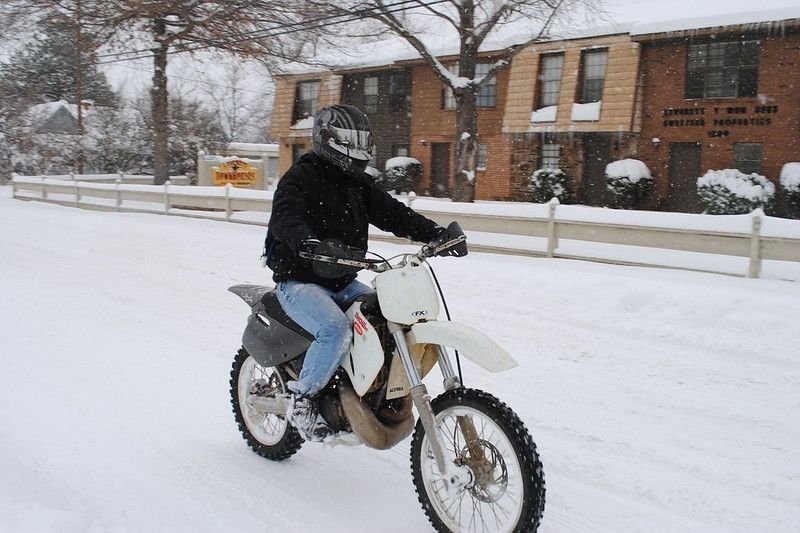
Put on Snow Tires
On snow, tires can obtain stuck on the run, or they can even lose momentum and also slide off the ground. You do not want that to take place for you so you need to prepare your motorcycle.
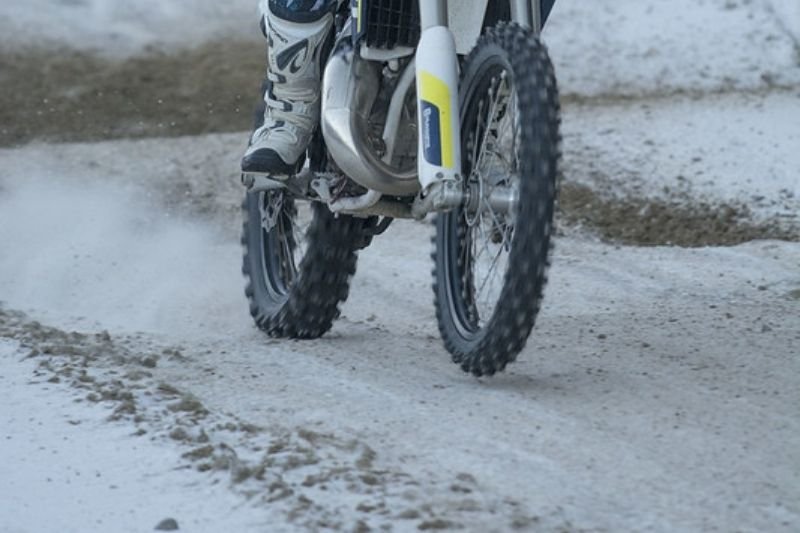
One thing some people have discovered practical is to buy a totally brand-new pair of motorcycle tires made for snow riding. Snow tires look like standard dirt bike tires, however, they include studs to raise traction.
The studs are designed to grip the frozen ground, and riding in snow with studded tires will be a smooth experience. The studs jut out from the tires for regarding 7 or 8 mm typically.
Yet this choice is as well costly to be comfy with for me. Tire firms like Michelin use a set of these studded tires for as high as 580$ per collection.
As I stated, I am not comfy with that said alternative although the tires are made to last many years to ensure that you can always choose them up every wintertime till they break.
The various other option I would certainly advise if you are not going to invest that much on a set of studded winter tires is to acquire ice screws that you can fit into your dirt bike tires.
These screws are rather cheap, and essentially, they finish the job. You can get one bag for as much as 20$.
These screws can be found in different sizes. You pick to rely on the deepness of the snow outdoors and also your specs.
The excellent screws step in between 1.5 to 3.8 inches. Longer screws can puncture your tires' tubes.
The lengths differ from ⅜ inches to 1- 1/2 inches long.
These DIY snow tires can be efficient although they can fall out on the track or pierce your tires. Studded tires are a requirement in the snow, whether you make them or acquire them in a store.
Protect Your Motor
The motor on the motorcycle must also be changed. You might not need to get a replacement, but you will do well with a few protective elements. The damp snow can potentially destroy your bike's motor.
The carburetor is among the components you will certainly require to keep safe. Treatment of the sides will shield the carburetor from cold.
Your throttle can get stuck, or your dirt bike can get fuel-starved ought to the carburetor freeze.
You can utilize a collection of plastic covers to stay out of damp snow. In the case of a two-stroke engine, ensure that the air-fuel mix is focused to enhance the working of the engine in cold temperatures.
Wintertime Protective Equipment
There are some points that you do not need, but that you certainly want in order to remain safe and also warm while dirt cycling in the snow. Here are some things you ought to think about doing when you're intending on taking your dirt bike for a trip in the snow:
Set Up Grip Heaters.
These are at the top of my listing of non-essential suggestions because I located that while the bike didn't require them to operate, I did.
My hands got so cold while I was out in the snow, making running the throttle, clutch bar, as well as front brake lever truly hard.
When I set up grip heating systems, my life obtained a lot less complicated throughout those cold, snowy days on my motorcycle. The extra heat really aided me to have a much better time.
Apply Athletic or Electrical Tape on the Clutch and also Brake Levers.
Adding some tape on some locations of your motorcycle can additionally aid maintain your hands from freezing since the metal will not be so cool.
Wear gloves meant for cold weather.
Your regular dust cycling gloves are not enough. You wish to put on riding gloves with a thick exterior yet thin-ish palm to stay comfy.
Wear a balaclava.
Do not let any kind of skin go exposed. Balaclavas are specifically made to cover the locations of your face that are not covered by your goggles or safety helmet.
Wear long johns.
This gets missed over too often, brings about hypothermia or frostbite, yet they make a world of a distinction in maintaining your body cozy and protected while dirt biking in the snow. Make certain your thermal underwear are especially for sports make use to make sure that they wick away your sweat for the best comfort.
Wear wool socks.
To maintain your feet warm as well as stop hypothermia or frostbite, use outstanding woolen socks. Having chilly feet will ruin your day on your dirt bike, and you don't desire that!
Wear safety glasses with good airflow.
Your body will get hot yet the exterior is chilly. This leads to fog, which is never ever enjoyable! If your safety glasses maintain misting anyways, carry some tissue in your dry bag to clean away any type of fog or snow particles.
Treat your boots with water repellant.
Nothing ruins a day more than wet feet. Utilize a water repellant prior to going out on your motorcycle in the snow to keep warm and dry. Also, waterproof boots are better options among different motorcycle boots when you are going to ride in snow.
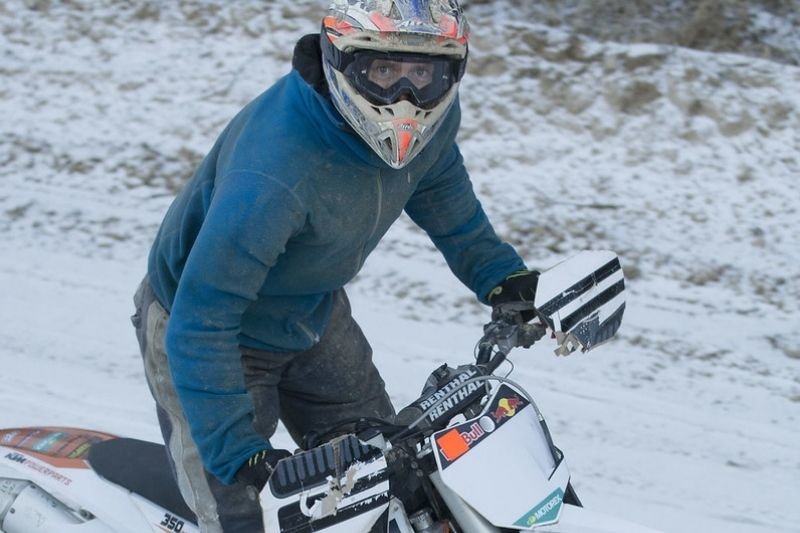
Riding Conditions
Riding conditions contribute to the success of winter months riding. The fluffier the snow in your riding area, the less grip you will experience.
Perfect states include dense snow, that is snow that is less than 8 to 9 inches in depth. If the snow is 11 to 12 inches deep, it will be harder to ride over, specifically with variable crust layers made up.
The optimal snow conditions for dirt biking is where a thick crust has chosen snow that is less than 10 to 12 inches deep. The density of the crust creates a smooth ride, as well as usual barriers like stumps as well as rocks, which are below the snow's surface.
Is Winter Riding Popular?
As I investigated around as well as trying out motorcycles in the snow, I found that it's not an extremely common activity, not also among a few of the most enthusiastic dirt cyclists I'm good friends with.
I discovered that people that such as dirt biking in the snow are those who like snow or cold weather as a whole, enjoy other winter sporting activities like skiing or snowboarding, or simply don't have the perseverance for wintertime to be over to return out to do the important things they enjoy.
In my experiment with dirt cycling in the snow, I also discovered a small number of people who dirt bike in the wintertime specifically because they like the cool better than heat. I believe they have fair points.
Basically, riding a motorcycle in the snow is actually hit-or-miss for individuals. If you're seeking to enter into it and also you're able to drop the money required to make your motorcycle work in the snow, do it!
Ask about and also see if there's anybody ready to go with you and when you're around, I make sure you'll discover a few other individuals that you can develop a community.
Additional Tips on Riding Motorcycle in Winter Months
When you're dirt cycling in the snow, you'll intend to make sure you're taking extra steps to have a good time and also remain risk-free.
Start your dirt bike ahead of time.
I located that starting my dirt bike up and allowing it to compete for a couple of mins before I was entrusted to go dirt cycling in the snow would help everything run efficiently throughout those cold weather.
I observed that when I let my bike run idly before really taking it out aided my motorcycle run even more smoothly in the snow.
It's sort of like letting your cars and truck heat up prior to taking your early morning commute when it's cool outside.
Maintain your motorcycle covered.
Do you know how your battery can drain in the cold if you do not start it up regularly enough? Your dirt bike can do something comparable with the engine.
If you're intending on riding your motorcycle in the snowy winter season, you may likewise be careful not to leave your dirt bike outside for an extended period of time.
The engine can ice up, particularly if you allow snow to build upon it.
Try to utilize a garage, cellar, or even a tarpaulin would certainly do.
Shelter, as a whole, will aid your dirt bike to stay in good shape in the winter.
Bring additional socks and gloves in a dry bag.
Don't count on what you have actually hopped on you already. Snow is wet and cool, as well as if you are also, you'll be unpleasant and go at higher risk for hypothermia and also frostbite.
STAY HYDRATED.
Riding your motorcycle in the snow is no easy task, so it's simple to obtain dehydrated. People often tend to neglect to consume water on a chilly day, but you should not! Keep in mind to keep taking drinks as you go throughout your day.
Establish a time limit for yourself and stay with it.
Hypothermia and frostbite happen when your body is exposed to the chilly for also long. Use a watch under your jacket or check your phone every single time you take a beverage of water. You should attempt to restrict your time dirt biking in the snow to less than 3 hrs at the really the majority of.
Conclusion
Dirt cycling in the snow can be a remarkable experience and cause several of the most enjoyable you've ever before had on a motorcycle. Just make sure your tires are studded, your electric motor is safeguarded, and your body is covered. You'll have the moment of your life! Have fun around, y' all!
Related Information
5 Essential Tips For Riding A Motorcycle In Winter
How To Winterize A Motorcycle 8 Steps
Top 5 Fodsports Best Snowmobile Bluetooth Intercoms
The Most Comprehensive Motorcycle Camping Gear Checklist
Discovering the Ultimate Trail Dirt Bike of 2024
Rodney L is a technical writer and product consultant with over a decade of experience in the motor industry. Rodney is a fan of performance machines that run fast and loud and an expert in all things custom. His numerous articles and write-ups are available at our knowledge base. Whether it’s something wrong with your motorcycle or you are building a custom bike, you can trust Rodney’s experience.
Out on two wheels at night can be peaceful, beautiful, even exhilarating. But it also brings significantly higher risks than daytime riding.
Night makes your visibility, reaction times, and road conditions dark. What's more, even your own alertness will be affected.
This article gives you a professional, detailed, practical guide to staying safe when riding at night.
Why Motorcycle Riding at Night is Dangerous?
Understanding the dangers is the first step to managing them. Here are what you will face when riding after dark:
- Reduced Visibility. The headlights on both your motorcycle and others’ only have limited functions. You may find it harder to see the road features, obstacles, lane markings and edges, animals, and pedestrians. Even cars with lights off or dim, they still cannot help too much. Harsh contrasts from shadows and bright lights are totally different from daytime. They will make it difficult to judge the distance, speed, and hazards.
- Obstacles & Road Surface Hazards. Potholes, debris, uneven pavement, animals, loose gravel, or fallen branches are threats. You may not notice them at night until they are very close. Once they’re close, you have less time to react.
- Drunk, Impaired, or Distracted Drivers. At night, there’s a higher probability of meeting drivers who are impaired by alcohol or drugs. Also, drivers may be more tired or less attentive. Their visibility is also worse, compounding risk.
- Fatigue, Drowsiness, and Sensory Strain. Your body’s circadian rhythm, darker surroundings, monotony of the highway, etc., all tend to wear down alertness. Reaction times slow, and you’re more likely to misjudge distances or miss hazards.
- Loss of Traction & Adverse Elements. Your motorcycle's traction may be influenced at night. These factors include evening dew, fog, frost in cold regions, wet slick roads from earlier rains, or gloss. Temperature drops can stiffen tires or dull responsiveness. Fog or mist can obscure vision.
- Higher Possibility of Animals & Wildlife. If you are riding in the wild or near the forest, pay attention to the nocturnal or crepuscular animals. Deer, raccoons, and stray dogs are more active at dusk through the early morning. Their tendency to freeze in headlights can create startling situations.
- Temperature & Comfort Effects. As light fades, temperature often drops. Cold can reduce your focus, affect muscle control, and make gear less comfortable. These may lead to fatigue. Also, your helmets and glasses will fog up, etc.
Safety Tips for Riding a Motorcycle at Night
Below are the ultimate, actionable suggestions to reduce risk and ride safely at night. I will offer you tips from both gear, mindset, technique, and preparation.
Pre-Ride Checks: Lights, Tires, Gear
- Inspect All Lighting before Your Ride. These include headlights (low and high beams), tail lights, turn signals, and brake lights. Check if the lenses are clean, not clouded or scratched, bulbs are bright and aligned properly. Do not leave any safety hazards on your lights, especially when riding at night.
- Upgrade Lighting Where Legal & Effective. LED or HID headlights are worth considering option to use on your motorcycle at night. LED lights are more energy-efficient, brighter, and longer-lasting. And the HID has a strong throw distance. You can also add auxiliary lights (fog lights, driving lights) for both you to see and be seen. Remember to check the local regulations (light brightness, color, placement) before you upgrade the lights.
- Visor & Eyes in Your Helmets
- Use a clear visor rather than a tinted one at night. Tints will largely reduce your visibility at night.
- Keep visors clean—removing bugs, smudges, and droplets on the visors. Using anti-fog solutions can also help.
- If you use glasses, consider photochromic or yellow-tinted ones that help in low light. But remember, you must avoid using tinted when it’s fully dark.
- Tires & Traction. Check tire tread depth before your night motorcycle ride. At night, you can’t afford surprises from loss of grip, especially in corners or wet patches. Watch tire pressure (cold tires behave differently). Note: these are often less emphasized in sources, but are part of safe riding basics.
- Clothing and Gear. Using high-visibility clothing and gear can improve your visibility at night. Fluorescent colors, reflective strips, retro-reflective tape or decals on helmet, jacket, bike are useful. Always ensure the helmet meets safety standards and doesn’t produce glare internally.
Be Visible: To Others & To Yourself
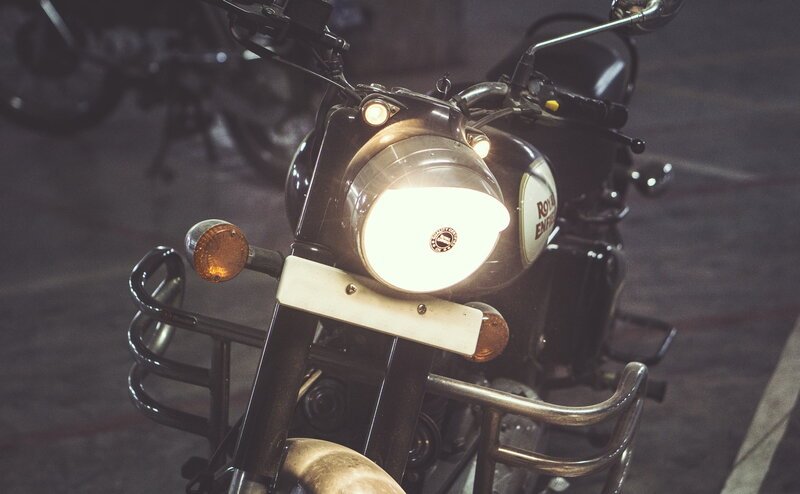
- Drive & Headlights Strategy:
- Use high beams when appropriate (e.g. rural roads, no oncoming traffic). They boost your visibility significantly.
- Switch to low beams when approaching or trailing another vehicle. This can avoid blinding the drivers and prevent accidents.
- Light Modulation & Auxiliary Lighting:
- Consider a headlight modulator. You can use blinking or pulsing low beams for increased visibility ( But make sure it is allowed).
- Add auxiliary/driving lights, fog lamps to expand your field of view and depth perception.
- Brake light flashers can grab the attention of drivers behind you.
- Reflectivity & Clothing Choices:
- Bright neon or fluorescents (yellow, orange, green, white) for outer layers.
- Use reflective surfaces or add reflective stickers/tape on your helmet.
- Add reflective strips not just front & back, but sides of bike, panniers, helmet rims, wheels.

Use high visibility gear while riding a motorcycle at night
Adjust Your Riding Behavior & Strategy
- Reduce Speed & Ride “Within the Light”. Go at a speed where you can stop or maneuver safely, based on what you can actually see. If your headlights show only 100 feet ahead, then consider reducing to a suitable speed. This can give you enough time to respond.
- Increase Following Distance. The more space between you and other vehicles, the more time you can have to react to sudden stops or obstacles. If the visibility is reduced, the vehicle ahead might throw shadows or hide hazards. When you notice the danger, it may be too late.
- Defensive Riding. Assume others may not see you. Expect vehicles to drift over lanes, make sudden turns, or misread visibility. Avoid the blind spots of other vehicles. Be predictable with your signals and lane position.
- Use the Lights of Others to Your Advantage. When following behind cars, you can pay attention to their lights. They can also show you the road conditions ahead (hazards, curves, surface changes). Conversely, oncoming lights can reveal features you might otherwise miss.
- Mind Curve & Cornering Techniques. Be more conservative when entering the corners at night. Slow your motorcycle before the curve and avoid braking hard during the lean if possible. What's more, you should be especially cautious in unlit. Because some sharp curves where road hazards that may not be visible until you are close.
Manage Your Own Condition & Perception
- Stay Alert—Watch for Drowsiness Signs. Yawning, frequent blinking, losing focus, drifting, forgetting recent miles—these are warning signs. If these appear to you, pull over your motorcycle, have a rest, caffeinate, or postpone riding.
- Avoid Riding Under the Influence. Never, never, never ride a motorcycle under the influence of drugs or alcohol. And, avoid riding when you're exhausted, stressed, or otherwise impaired. Your reaction times degrade, and risk perception suffers.
- Prevent Visual Fatigue & Glare. Glare from oncoming headlights or poorly aimed lighting can momentarily blind you. Here is how to mitigate it: look slightly toward the right side of the road edge (right-lane stripe). Do not directly look into the high beams. Use anti-glare treatment if your visor or windscreen supports it.
- Adapt to Temperature Changes. You can wear gear with thermal layers or liners when riding at night. You can use or remove them at any time. Use gloves that maintain dexterity even when cold. Stay properly hydrated and maintain energy. Cold hands or stiff joints slow responses.
- Keep Visor / Windshield Clean & Anti-Fogged. Clean the helmet visor and windshield of your motorcycle before you start a night ride. You can also use anti-fog treatments. I like to bring a soft cloth so that I can occasionally wipe the visor and windshield. Debris, bugs, or fog on the visor can distort light and make seeing worse at critical moments.
Plan & Adjust Based on Environment & Conditions
- Know the Route & Lighting Levels. Choosing better-lit routes (streetlights, traffic) can reduce risk. If you are riding through rural or remote areas at night, plan for limited lighting. Perhaps you can avoid the worst sections at night.
- Weather & Fog Considerations. If fog or mist is expected, consider postponing the ride or using extra lighting. Reduce speed, use low beams or fog lights, and maintain visibility of your road edges and reflectors.
- Time of Night Matters. The period between dusk and full dark is especially challenging. And, hours late at night or early morning (e.g. midnight to 3-4 AM) tend to bring more impaired drivers, more fatigue. Beware of these periods while riding your motorcycle.
Legal & Regulatory Awareness
-
- Know Your State / Local Laws. Laws about lighting color, brightness, auxiliary lights, visors, reflective gear, etc., vary in different regions. What’s legal in one state may not be in another. So, remember to comply with the laws to avoid tickets or worse, being forced to disable lighting.
- Licensing & Riding Privileges. Some places have restrictions for underage or new riders riding at night. Make sure your license covers riding a motorcycle at night legally.
Mental State & Habits: What You Should Cultivate
Beyond gear and physical prep, your mindset and riding habits are crucial.
- Ride Defensively Always. Assume other drivers/riders do not see you. Be ready for unexpected behavior at any time. For example, cars may turn left in front of you or cross intersections without yielding, or road users may drift into your path.
- Plan Regular Breaks. Even shorter riding trips at night can be more fatiguing. Stop to stretch your arms and legs, rest your eyes, and hydrate. If you find yourself zoning out, it's time to pull over.
- Keep Posture & Focus. Upright posture (when safe), scan ahead. Do not just notice your immediate hazard, but also pay attention to the mid-to-far distance. Use mirrors frequently. Don’t fixate on any one glare or light; move your gaze to reduce eye fatigue.
- Avoid Riding Under Extreme Conditions if Possible. When fog is dense, visibility is near zero, or when temperatures make roads slick (frost, ice), consider postponement. Sometimes discretion is the better part of valor.
Sample Motorcycle Night Riding Checklist
To help put this all into practice, here’s a checklist you can run through before each night ride:
- Check all lights are working & aimed properly (headlight low & high, tail, brake, signals, auxiliary).
- Clean and inspect visor / goggles / glasses. Apply anti-fog if needed.
- Inspect tires: tread depth, pressure, no cuts or bulges.
- Put on high-visibility outer gear and reflective items. Add helmet decals or reflective stripes.
- Pack layers for warmth, a removable liner, gloves good for cold.
- Route check: consider lighting, traffic, road conditions, weather forecast. Identify safe rest stops.
- Confirm you are well-rested, have eaten, and hydrated.
- Plan rest breaks. If you notice signs of drowsiness or fatigue during a night motorcycle ride, take a rest.
- Check local laws about lighting & visors to ensure compliance.
- Let someone know your route/timing, especially in remote areas. Perhaps carry a charged phone or an emergency tool kit.

Group riding at night
Safety Tips for Group Riding at Night
Group riding at night can be tons of fun, yet you need to pay close attention to your communication to make sure every person is safe. The absence of exposure in the evening can make it more challenging to monitor various other riders, so it's essential to have a motorcycle communication system that doesn't rely on sight. With an interaction system, riders can alert each other of dangers on the road that cannot be seen by everyone. As well as even if you're riding solo, it is essential to have a hands-free way to respond to vital telephone calls and also handle your songs.
That's what's excellent concerning Fodsports Systems' motorcycle communication systems. These powerful helmet-mounted tools turn your headgear right into a voice-activated multimedia interactions facility, consisting of motorbike headgear intercom systems for speaking with your team as well as mobile phone synchronization. Get GPS instructions with no need to get your eyes off the road, and you can also pay attention to your favored evening music or respond to phone calls. It's an easy method to make your ride both safer and also a whole lot extra enjoyable.
Is it okay to ride a motorcycle at night?
Yes, riding a motorcycle at night is ok but requires extra caution due to reduced visibility and increased risks. To stay safe, ensure your motorcycle's lights are working properly before you start rolling the wheels. And, consider adding extra lights for better illumination. Wear reflective or brightly colored gear to enhance visibility to other drivers. Maintain a safe following distance from other vehicles and reduce speed. This makes sure you have more reaction time for unexpected obstacles or hazards. Be particularly vigilant for wildlife and impaired drivers, who are more prevalent during nighttime hours. Avoid riding if you're fatigued or under the influence of alcohol. By taking these precautions, you can reduce the risks associated with night riding.
Conclusion
Night riding on a motorcycle can be one of the most rewarding experiences. You can enjoy quiet roads, cooler air, and starry skies. But with reward comes elevated risk.
Today, you don’t just need courage—you need preparation, awareness, and good equipment.
If you do just the essentials:
- make sure your visibility is maximized (lights, reflective gear),
- adjust speed and following distance,
- stay fresh, alert, and legally compliant,
you’ll greatly reduce your chance of accidents and increase your peace of mind.
Ride safe and Ride smart. Enjoy the night—but don’t be caught off guard by it.

Motorcycle mechanic, writer. Interested in motorcycle gear for years. Like to stay up to date with the newest products and techniques of the motorcycle.
ABS motorcycles have actually become increasingly prominent throughout the years. Which makes sense thinking about automobiles and trucks come typical with it.
However, while numerous riders are eager to examine the abilities of this motorcycle feature, some are still not persuaded ABS is necessary.
Whether you're a seasoned rider or simply beginning, ABS comes with its very own set of benefits and also downsides.
Prior to we explore the pros and cons any type of even more, though, allow's start with what ABS is and also how it works.
When this happens, the sensors send out a signal to the ECU, informing it to launch enough stress on the brake caliper(s) to permit the wheel to spin again.
This cycle is taking place numerous times a second, applying and also launching brake stress to stay clear of lockup and bring the motorbike to a quit.
What Is ABS On A Motorcycle?
Motorcycle ABS is short for Anti-Lock Braking System. It's a safety thingy that stops your wheels from locking up when you brake hard. This is really useful when roads are wet, or something jumps out in front of you.
Here's how it works: sensors watch your wheel speed. If a wheel slows down super-fast, that means it's about to lock. The ABS will kick in, pump the brakes for you a bunch of times per second, way faster than you ever could.
When it's working, you might feel a pulse in your brake lever or hear a click.
Basically, ABS helps you brake hard while staying in control, so you don't skid or crash.
What does ABS on a motorcycle do?
Some beginners may wonder, What is the purpose of ABS on a motorcycle?
Basically, ABS on a motorcycle prevents your brakes from locking and also your tires from skidding.
They run the same way as standard brakes, just braking will certainly take place a lot more rapidly when ABS is engaged.
A basic ABS unit functions by determining the regularity of signals sent out by a magnetic sensing unit in the "tonewheel" of a motorcycle.
If there is a dramatic modification in the frequency of these signal pulses-- i.e. when the motorcycle brakes are being applied-- the ABS device begins to engage by slightly lowering the stress applied by the brake system to permit the wheels to rotate.
It then reapplies the braking pressure. The ABS will certainly repeat this action as long it discovers a locking scenario.
Thanks to ABS, riders can considerably decrease their stopping distance and also prevent possible serious situations.
Is ABS Worth It On A Motorcycle? Yes
Significantly reduce braking distance, especially on slippery roads
One of the big advantages of ABS is the reduced stopping distance you can accomplish because you no longer need to regulate brake stress.
However, highly proficient riders will certainly inform you they can drop in a shorter distance without ABS than they can with it.
Here's the thing: they may be right.
Perhaps they can break to a stop in a shorter distance without ABS-- but can they do it regularly, each and every time they use the brakes? Extra importantly, can you? There is a probability problem here
Chances are the solution is no. If you're in a panic stop scenario, having the comfort to simply get hold of a handful of brakes, knowing the ABS will certainly conserve you from a lockup, is very useful. Include the idea of braking in damp weather or over an unclean road surface.
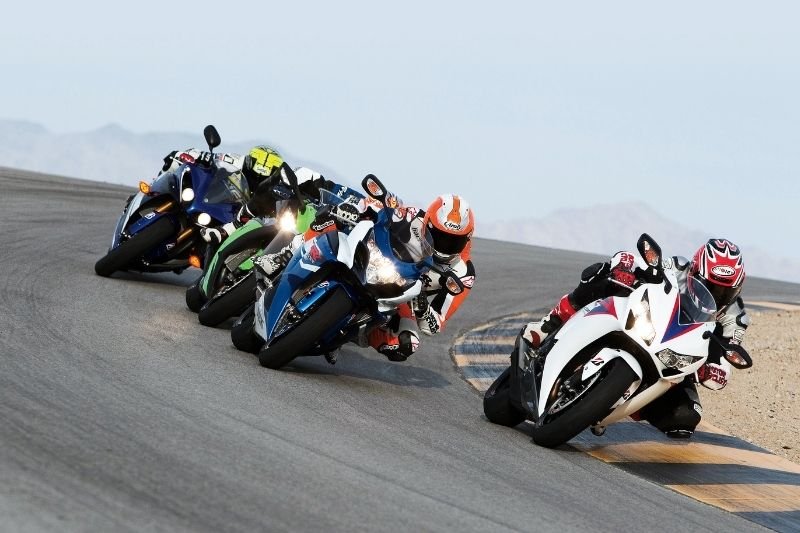
Confidence to brake in corners
Having to brake behind the corner-- like when there's debris in the roadway-- is frightening. You risk overwhelming the front tire and collapsing.
Increasingly more of today's new motorbikes come furnished with an IMU, which detects the pitch, yaw, and roll of the bike. If it's additionally furnished with C-ABS, it'll use that data to inform the ECU how much brake pressure to use whatsoever points of lean.
More control of your motorcycle
When your wheels are locked, you no more have any kind of guiding input over them.
This is an additional large advantage of ABS. Not only does ABS provide you shorter stopping ranges extra consistently, yet also due to the fact that the wheels are still rolling, you can still provide guiding inputs.
This is particularly crucial if when you need to make an emergency situation or an incredibly elusive maneuver. Once more, toss rain right into the formula, as well as you can understand ABS' significance.
A great deal of security for minimal weight and expense
There's no rejecting the reality that the parts required to run an ABS system include some weight to the motorcycle, yet contemporary ABS only includes a very little amount of weight-- as little as 10 lbs in some cases. Besides, for a street bike, the added weight is basically negligible.
ABS additionally raises the expense of the motorcycle, contrasted to non-ABS variations of the same model.
However, we're typically discussing a distinction in the price of $300-- $1000. In our viewpoints, the included security advantage far surpasses the weight or loss.
You have more chance of staying alive
According to the Insurance Institute for Highway Security, the rate of deadly accidents is 31 percent lower for motorbikes furnished with optional anti-lock brakes than for the same models without them.
If that's not nearly enough to persuade you, right here's one more number.
The Insurance Coverage Institute for Freeway Security released an additional report noting that motorcycles with engines 250cc and greater without ABS are 37% more likely to be involved in a deadly crash.
Equipped with these details, ABS needs to be an alternative you offer some significant ideas to with your next motorcycle purchase.
Out on the road, any type of viewed unfavorable is much exceeded by all the benefits it offers.
Pros and Cons of Motorcycle ABS
ABS on motorcycle has its advantages and disadvantages. This table will let you know its pros and cons in details:
Is it better to have ABS on or off?
Generally, yes, it's best to keep ABS on—especially for everyday street riding.
Why keep motorcycle ABS on?
Basically, ABS stops your wheels from locking if you have to slam on the brakes. You can still steer to avoid stuff. If you don't have ABS and brake hard, your wheels can lock, and you'll lose control and might crash. So, ABS makes hard stops way safer and keeps you steady.
Besides, ABS is more effective when riding in adverse conditions, such as wet or slippery surfaces. And most importantly, it prevents your motorcycle from losing traction and avoids accidents.
Numerous studies have shown that motorcycles equipped with ABS have a significantly lower rate of fatal accidents compared to those without the system.
Today, in many regions, including the EU and the US (for certain sizes), all new motorcycles sold are required to have ABS.
Therefore, if you are only doing everyday public road riding, keep ABS on. The safety benefits far outweigh any special situations where you might need to turn it off.
When can you consider turning off motorcycle ABS?
There are two situations where you can consider turn off ABS:
- If you are riding a dual-purpose or adventure motorcycle off-road on soft mud, gravel, or sand, you can consider turning off ABS. In these specific situations, allowing the rear wheel to lock up can sometimes help you control skidding or stop more quickly and in a controlled manner.
- If you are an experienced rider or a professional stunt motorcycle/track rider, you might turn off ABS in closed, high-performance environments (such as tracks or stunt courses). This is because you might be performing specific maneuvers that require wheel skidding or applying maximum braking force near traction limits.
FAQ About Motorcycle ABS
What's the distinction between ABS on motorcycles and ABS on cars?
While the standard principles of ABS, i.e. preventing wheel lock-up and also skidding, is basically the very same for all car kinds, stopping is far more complex for riders than chauffeurs.
The majority of motorcycles have different front and also back brake controls. The brake manages help to stabilize the braking force related to the front as well as back wheels to make certain optimum stopping.
If a wheel locks up on a car, this may result in vehicle skidding. If a wheel secures on a motorcycle, this can commonly lead to a loss of balance, triggering the motorcycle to fall.
Motorcycle ABS assists to stop the wheel securely and therefore can maintain the rider upright.
The innovation can help to reduce stopping range and in the event of an accident, can decrease the effect of speed.
Does the ABS technology take control away from the rider?
No, the ABS system will only run if it discovers a wheel will secure. Under typical riding conditions, you will not observe any kind of difference.
Can I purchase motorcycle ABS independently and also install it on my motorcycle?
Yes, nevertheless VicRoads recommends purchasing a motorcycle with ABS fitted at the point of manufacture.
VicRoads recognizes aftermarket ABS systems for motorbikes, nevertheless, the research study revealing the advantages of ABS is based on motorcycles fitted with ABS from the initial manufacturer. This initial tool is completely created and also carefully examined by the motorcycle maker as an incorporated part of the motorcycle.
Do I need extra training to ride a motorcycle with ABS?
No. A motorcycle with ABS will run the like motorbike without ABS under regular. As a result, VicRoads does not need that riders have any detailed training.
However, some motorcycling professionals believe it is a benefit if riders understand exactly how their motorcycle with ABS will run during an emergency situation quit and also as a result do recommend training. The selection depends on you.
Should a beginner get a motorcycle with ABS?
Yes—if you're a new rider, you should really consider buying a motorcycle equipped with ABS.
For beginners still learning braking techniques and reaction time, ABS is a lifesaver.
It helps you maintain balance and control the vehicle.
What's more, it boosts your confidence. You can brake harder with more peace of mind without worrying about skidding or losing control.
Finally
At the end of the day, even if having ABS is generally much safer than braking without, you never ever intend to make use of anti-lock brakes as a crutch.
As they as a backup safety feature in an automobile, that is all ABS acts as on a motorcycle, a backup in case of an emergency situation start.
While having ABS can bring satisfaction, it is not the end-all-be-all to avoid deadly motorbike accidents.
Yes, it does help reduce the threat of injury when riding conditions come to be harmful-- like when a driver stops or pulls out in front of you unexpectedly-- yet it is still the rider who is accountable for ensuring motorcycle security.
Related Information
10 Most Common Causes Of Motorcycle Accidents
When To Shift Gears On A Motorcycle At What Rpm?
How Often Should Change Motorcycle Brakes
Motorcycle Pre-ride Checklist: 7 Important Checks You Need To Do
Rodney L is a technical writer and product consultant with over a decade of experience in the motor industry. Rodney is a fan of performance machines that run fast and loud and an expert in all things custom. His numerous articles and write-ups are available at our knowledge base. Whether it’s something wrong with your motorcycle or you are building a custom bike, you can trust Rodney’s experience.
Imagine you're riding your sled. Every little thing's going smoothly. Then you listen to a loud sound and see fire coming out of your sled's exhaust. Your snowmobile has backfired.
Now you're questioning why does my snowmobile backfire?
A snowmobile backfires when it operates on a rich or lean blend. It indicates the proportion of fuel and air is not balanced.
When this out-of-balance fuel mix is provided to the engine, the burning does not take place correctly.
This uncombusted combination gets to exhaust and burns there, which creates it to backfire.

What is Backfire?
A backfire is a little surge that takes place when an engine is running. This happens internally, yet it is not uncommon also to witness a tiny flame.
Backfires occur in internal burning engines, yet the surge takes place outside the burning chamber. The factor for this is an out-of-balance amount of fuel and also air.
If the combination of these two elements is richer in air, the ignition fails. The fuel remains unburnt, yet it still needs to take a trip out of the system. Inside the system's fatigue pipeline, the gas might spark as a reaction with the warm elements.
The exact same occurs when the discrepancy is vice versa. If you get a mix of more fuel and also less air, ignition does not happen. Still, the fuel comes out of the equipment reacting with the hot setting in the exhaustion.
Another opportunity is a backfire produced prior to the burning chamber. When you begin your engine, the plug holding the stimulation could discharge too soon.
This causes burning that reaches into the consumption manifold and also fires up the blend of gas and also air. The explosion triggered by these untimed events discovers its escape from the carburetor, and there you can have one more backfire.
Prior to or after the burning chamber-- it does not issue. The phenomenon manifests with a loud noise or pop. Alike terms, we call such a sound a backfire.

Blend of Fuel and Air
The most typical factor of backfiring is the unbalanced mixture of gas and air. If the gas blend gets rich (even more fuel) or lean (more air), the combustion will certainly not occur effectively and will cause the engine to backfire.
A single day of riding for a snowmobiler may differ from 2000 to 3000 feet in elevation. At higher elevations, the atmospheric pressure lowers.
It indicates the quantity of oxygen per square foot is also reduced. The carburetor will continue to pull the same amount of gas and air. But there will be much less oxygen, which is not nearly enough for combustion inside the combustion chamber.
Let's claim, you start your path at the bottom of a mountain, and cruise ship directly sideways of the mountain.
As you ride in the direction of greater elevation, you will notice your snow sled begins to bog down, and the engine will certainly respond gradually to strangle. It is since the engine of your snowmobile is running also abundant.
So, a drastic change in altitude will certainly also create your snow sled to backfire.
If your snowmobile runs still on greater than 2000 RPMs, your carburetor needs to be adjusted or requires rejection.

Fix Way: Obtain Your Carburetor Changed
There are jets and screws (in the carburetor) that figure out the amount of fuel and also air to be blended.
With time, these jets lose their placement and require modification to function properly. Regrettably, this can not be done at home if you are inexperienced in repairing auto vehicles.
You will require a technician that can readjust the valves to take care of the fuel and air mix. It will certainly quit the engine from backfiring, and your snowmobile will certainly be running efficiently again.
In a 2-stroke engine, a completely tuned carburetor will provide a 12.5 to 1 proportion of air to fuel. When altitude modifications, the air pressure decreases.
The carburetor should be adjusted according to the air pressure, after every 2000 feet of elevation. The snowmobiles with EFI systems, there is no requirement to adjust any kind of fuel or air structure.
There is a digital control module (ECM) that's attached to sensors, consisting of sensors for fuel and air. This controller immediately adjusts the fuel ratio according to the environment.
If your snow sled's carburetor is dirty or clogged up, then here is my total short article on just how to clean up a snow sled carburetor.
Fuel Quality
If you do not utilize the advised octane degree gas, the fuel will not stir up properly, and it will leave the engine uncombusted, triggering it to backfire.
Many individuals choose premium fuel for their snow sleds since they assume it will profit their automobile's durability. Cost fuel withstands detonation, and it is not appropriate for an engine that is not designed for it.
There could be some contaminations in your fuel, like, water, or if your fuel is old and also it is being in the fuel tank for a long time, there may be residues formed in the fuel or fuel container.
When these deposits or water get mixed with the fuel and also get to the combustion chamber, they withstand detonation. It will certainly leave some fuel unburned in the burning chamber. When this combination leaves the engine, it will cause backfires.
Fix Way: Use the Correct Octane Fuel Recommended by the Manufacturer
For most snowmobiles, 87 octane is the best and recommended by most of the snowmobile manufacturers.
Some high-performance snowmobiles require 92 octanes. You can look into the user manual of your snowmobile to find out what is the recommended octane for your snowmobile’s engine.
There is a fuel filter installed on the hose that goes from the fuel tank to the carburetor. If your snowmobile does not have any fuel filter, adding one will filter out and prevent any impurities (in gas) from going to the engine.
Damaged Ignition Coil or Stator
The ignition coil improves the weak voltage from the stator or the battery to the high voltage and the high present that is required for ignition.
If the ignition coil does not make the amount of present that is needed for combustion in the cylinder, the combination of gas and also air will not spark with the weak existing.
This uncombusted blend will leave the engine with the exhaust. The warm grills inside the exhaust will certainly burn that uncombusted gas and also trigger a loud pop sound, likewise generally referred to as backfire.
The ignition coil is gotten in touch with a stator that gives the main current.
The voltage appearing in the ignition coil is related to the stator, and if the stator is not functioning properly the ignition coil will result in less voltage and current. So, if your ignition coil is excellent then there is a chance that your stator is damaged.
Fix Way: Examine and Replace the Damaged Coil
The best method to check both (ignition coil + stator) is by swapping them one by one with a brand-new or a recognized good one. However, it is not always feasible because of the availability of both.
If you discover that the additional coil is shorted or the resistance values of the coils do not match, the only solution is to replace the stator.
If the worths are off and you are sure that either one (or both) of the coils are damaged, the only fix is to alter the stopped working one( s) with a brand-new or a recognized good one.
Harmed Spark Plug and/or Out of Sync Timing
The burning in the engine takes place when stimulation is provided to the ignition system in the burning chamber.
This spark helps to ignite the fuel and also the air combination in the burning chamber. If the spark is weak or otherwise sufficient to spark the fuel, the ignition will not happen effectively. It will certainly leave some unburned mix of fuel and air that will certainly exit the engine and trigger a backfire.
The ignition system may be worn away, damp, or might have damaged ignition system cords.
Any one of these troubles could trigger the spark plug to open more eventually than expected. It can trigger the fuel and also air combination to not spark correctly and also leave the engine, causing a backfire.
Fix Way: Change the Ignition System or Check the Spark Plug Cap and Wiring
Initially, you will require to find the spark plug on your snowmobile. It is located under the hood and has thick black cords going to it.
You will require to draw the ignition system cap off and then eliminate the plug by using the right size outlet. With time, the ignition system gets rusted, and also the electrodes are gnawed by the high voltage trigger happening in between them.
Consequently, every ignition system has a life expectancy and should get changed one way or another. If your ignition system looks like it has carbon on its electrodes or the void (in between the electrodes) is broad after that it should be.
You will need to change the spark plug. They are cheap and quickly readily available. I recommend you inspect your ignition system at every solution and change it if it is not in good shape.
There is a plug-cap made of a rubber-like material that links that plug with the thick cord coming from the ignition coil.
There is a big chance that the cable has actually obtained loose, and the connection in between the plug cap and also the cable is not good. Loosen the plug cap and blow in it to eliminate any type of dirt or particles.
Attach the cable securely by screwing the plug cap on it and link the plug cap back to the plug up until you listen to a solid click. The plug cap has to be transformed if the terminals inside the plug cap are old or rusted.
The circuitry in your snow sled can short out due to harmed insulation of the cord.
A cable can obtain rubbed and also torn in between 2 steel components. If you are not familiar with the electric system of your snowmobile, then call an auto mechanic.
If the cord's insulation is damaged, it needs to be wrapped with electrical tape to shield it. Or, if the damages to the cable are not reparable, replace the entire wire. It will avoid other issues in the future as a result of the short circuit.
Also, there is an opportunity that you have removed the battery of your snowmobile and not taped the wire terminals effectively. Examine them and also tape them.
Bent Valve(s) Inside Your Engine
A curved valve is not an extremely usual concern that you will face. A valve manages the consumption and exhaustion of the cylinder.
The consumption valve opens up and also lets the combination of air and fuel from the carburetor to the cylinder. Then it closes and also remains closed throughout combustion.
After burning, the exhaust valve is available to let the exhaust fumes out of the cylindrical tube. If any one of these valves is curved, the chamber will certainly not be closed.
The mixture of gas and also air will be allowed to recede to the intake or to the exhaust, where it will certainly cause a backfire.
Fix Way: Change the Valves
It is not a usual issue, and it is the most awful amongst all various other reasons since it will damage the engine greater than any other thing I mentioned in this post.
Changing the valves can be costly since you will certainly require to take your snowmobile to the repair shop, and the entire engine requires to obtain disassembled once. It is a technical task that a lot of us would certainly not fit doing ourselves.
It is where we will require a knowledgeable auto mechanic to do the job, so nothing else gets damaged when changing the valves.
Why does My Snowmobile Backfire When I Turn it off?
Backfiring is a usual point in snow sleds. If you possess one, you might have experienced it already. If your snowmobile is backfiring when you transform it off, it suggests it has a concern with the air-fuel blend.
If your snow sled backfires with the exhaust while you transform it off, it implies it has an excessive quantity of fuel than air. On the other hand, if the snowmobile backfires through the intake, the air in the fuel-air mixture is a lot more.
Do Backfires Harm the Snowmobile Engine?
A backfire is always damaging to your snowmobile, particularly to the engine. So, it's much better to take a look if your snowmobile is backfiring.
Backfiring typically implies that there are internal troubles connecting to gas and an air supply. If overlooked for a long time, it may create engine failure.
The unburnt accumulated gas in different components may create a blow-up. This blow-up will heavily harm your snowmobile, particularly the engine.
The bottom line is that a backfire will hurt your engine.
Results of Backfire
Engine backfiring is a common issue in snowmobiles. Many snowmobile proprietors face this problem. However many owners do not realize how damaging this concern could be.
Backfire effects your snowmobile in many ways. A few of these are rather major. Allow's look at a few of the influences of a snowmobile engine backfire.
Engine Failure
As formerly covered, a backfire might hurt your engine terribly. Even when the backfire is tiny, it can influence the engine. In extreme situations, the backfire will ultimately damage the engine.
Damages to Plastic Exterior Components
The blow-up during a backfire produces a lot of warmth. This heat harms the plastic outside part of your snowmobile. It might also harm any type of lines and pipes made out of plastic.
Damages to Carburetor
If your snowmobile backfires frequently, it will damage your carburetor. It might even damage your supercharger. Any type of components related to the carburetor might also obtain impacted.
It will Break the Converter and Pipelines
As the unburnt gas throughout the backfire stays in the lines and the converter, these parts occasionally additionally ignite. As a result, these components will certainly break.
Burning and Physical Damage
Often forgotten, physical damage is also another risk of an engine backfire. The biker or the owner might obtain scorched due to heat from the fires.
How to Prevent Snowmobile Backfires?
A snowmobile is an expensive automobile. If you have one, you need to take correct care of it. Having normal upkeep and check-ups can avoid your snow sled from backfiring.
Right here are a couple of suggestions that you can comply with to stop your snow sled from backfiring
- You have to do normal maintenance. Do a complete check-up every week. Make sure all the parts are correctly attached and snugly and try to find any kind of sort of leaks.
- Clean the exhaust pipe at normal periods. If the exhaust pipe is unclean, it will block and create a backfire.
- Make certain that your catalytic converter is in good shape. A defective catalytic converter will typically create a backfire.
- Constantly maintain the spark plugs tidy. Clean them usually because an unclean ignition system will certainly not function properly. It will certainly aid stop future backfiring.
- Make certain that all the shutoffs and adapters are functioning effectively. It will certainly make certain correct airflow. Therefore, you can prevent your snow sled from backfiring.
- Last but not least, always keep your snow sled tidy. A clean snow sled will be less likely to have blocked air or gas lines. It will certainly avoid your snow sled from backfiring.
Conclusion
Snowmobile gives an exhilarating experience to the individual riding it & there is no question that bad upkeep or lack of it will lead your snow sled to quit.
Likewise, snowmobiles need to be kept well covered and shielded; you can ... or save these lorries' security inside in shut spaces.
It is not suggested for the car to be left outside, where it can be subjected to different climate conditions; or else, its efficiency can be affected.
Motorcycle mechanic, writer. Interested in motorcycle gear for years. Like to stay up to date with the newest products and techniques of the motorcycle.