The motorcycle communication systems field just got a significant upgrade with the release of the Fodsports FX7. This state-of-the-art Bluetooth mesh intercom is packed with many advanced features and techs. It will revolutionize the way riders communicate and enjoy their rides. Whether you're a solo rider or part of a group, the FX7 offers unparalleled […]

What Should You Do After a Motorcycle Accident
October 27, 2022
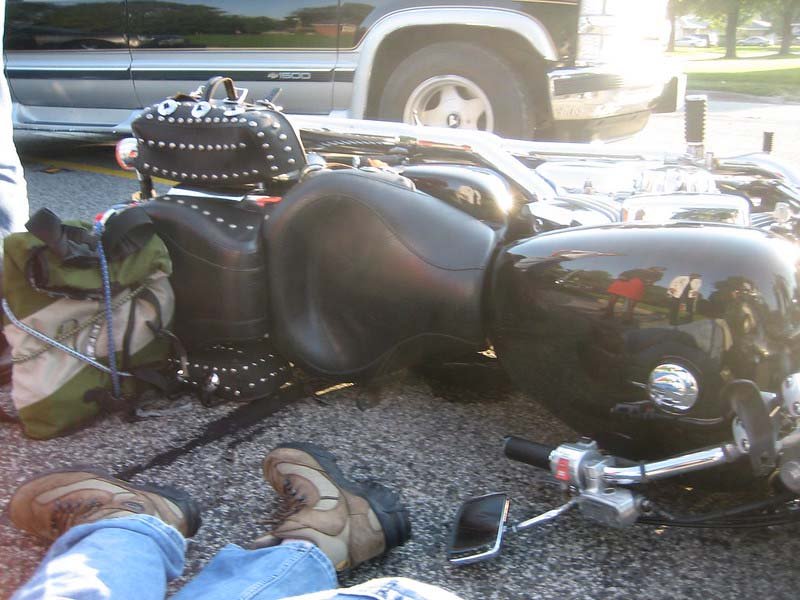
A motorcycle accident can happen in seconds, but the decisions you make afterward can affect your health, finances, and legal protection for years. Unlike car drivers, motorcyclists are far more exposed, which means injuries are often more serious and accidents are more stressful. In the confusion and adrenaline that follow a crash, it’s easy to forget critical steps or make mistakes that hurt your recovery or your claim later.
So, how to protect yourself while riding a motorcycle?
This guide explains exactly what to do after a motorcycle accident, step by step, in clear and practical terms. It focuses on your safety first, then medical care, documentation, insurance, and long-term protection. Whether the accident is minor or severe, following these steps will help you stay safe, protect your rights, and recover properly.
Table of Contents
What should you do after a motorcycle accident?
After a motorcycle accident, ensure your safety, call emergency services, report the crash to police, document the scene, seek medical care, notify your insurer, and keep detailed records. Avoid admitting fault and prioritize your health, as injuries may not be immediately visible.
Step 1: Ensure Your Safety First
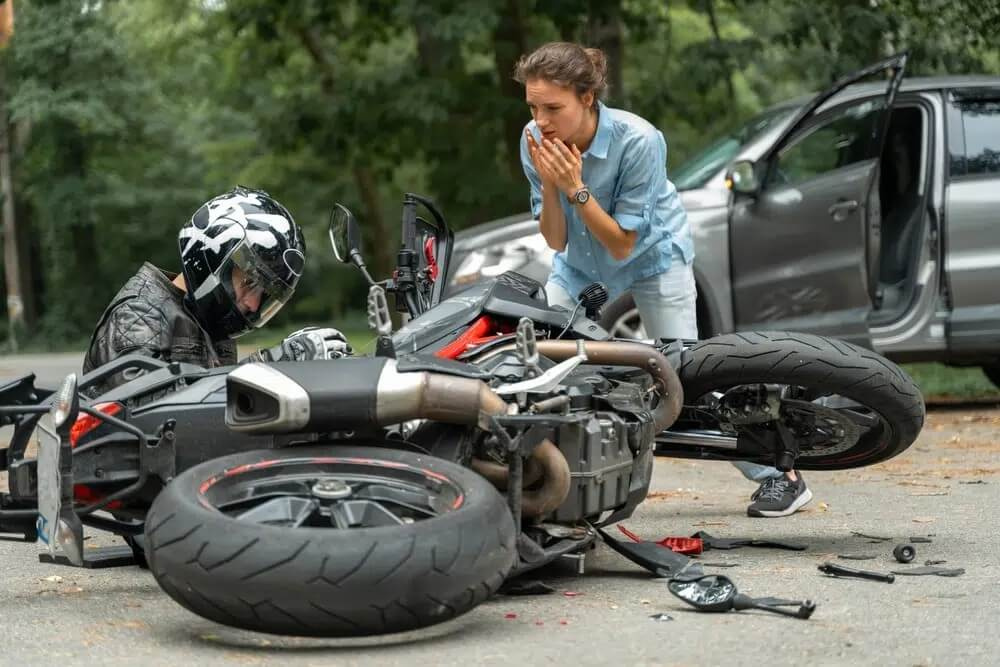
Ensure your safety first when there is a motorcycle accident (Creator: RomarioIen)
The first priority after a motorcycle accident is your immediate safety.
If you are conscious and able to move:
- Get yourself out of active traffic if possible
- Move to the shoulder, sidewalk, or a safe distance from the road
- Turn off your motorcycle if it’s safe to do so
- Watch for fuel leaks, smoke, or sparks
If you are seriously injured, stay still and wait for help. Do not try to stand up if you feel intense pain, dizziness, numbness, or weakness. Removing your helmet is not recommended unless you cannot breathe or emergency responders instruct you to do so. Neck and spinal injuries are common in motorcycle crashes and may not be immediately obvious.
If you can, make the scene safer by:
- Using hazard lights (if your bike still has power)
- Asking others to warn oncoming traffic
- Keeping yourself visible
Staying calm and avoiding sudden movement can prevent further injury.
Step 2: Check for Injuries and Call Emergency Services
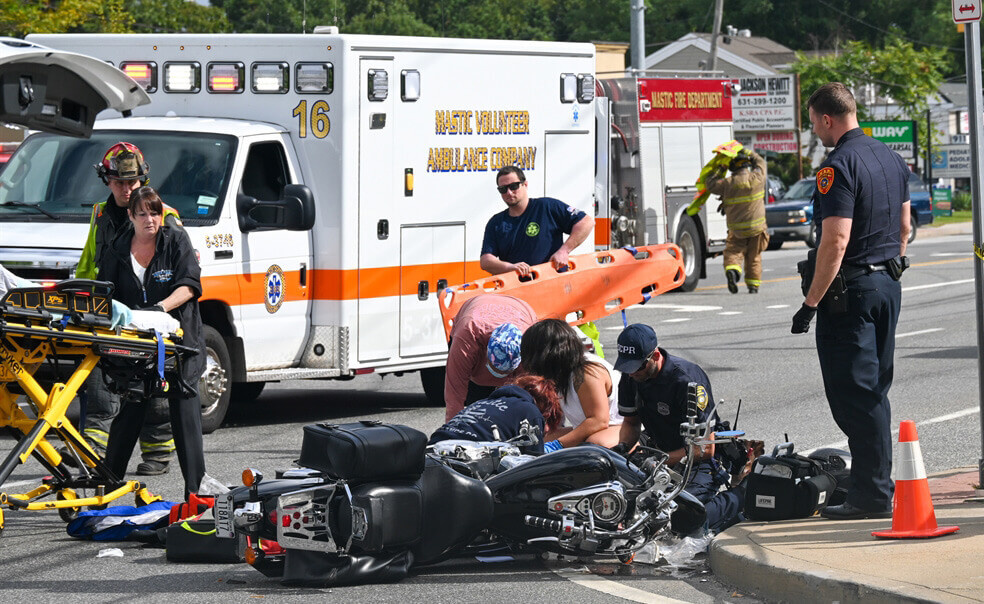
Check for injuries and call emergency services after motorcycle accident
After ensuring basic safety, check yourself for injuries. Adrenaline can mask pain, so even if you feel “okay,” take a moment to assess:
- Head or neck pain
- Bleeding
- Difficulty breathing
- Numbness or tingling
- Pain in joints, ribs, or back
If anyone is injured—including you—call emergency services immediately. Even low-speed motorcycle accidents can cause serious internal injuries, concussions, or fractures that are not visible at first.
Calling 911 is important because:
- Paramedics can provide immediate medical care
- Injuries are officially documented
- Medical records help protect you later with insurance or legal claims
Never assume injuries are minor just because you can walk or talk.
Step 3: Call the Police and File an Accident Report
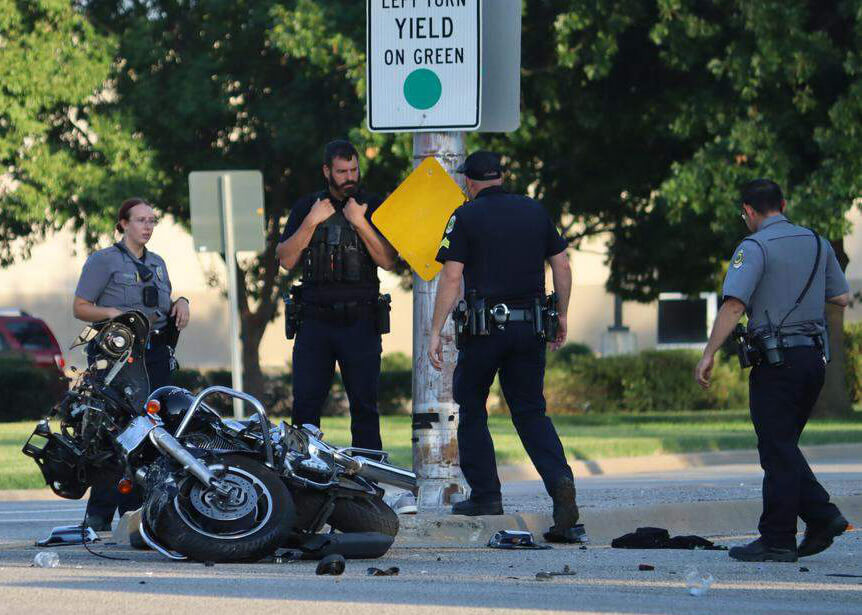
Call the police to come and file an accident report
You should always call the police after a motorcycle accident, even if it seems minor.
A police report:
- Creates an official record of the crash
- Documents time, location, and conditions
- Includes statements from drivers and witnesses
- Is often required by insurance companies
When speaking with the police:
- Stick to facts only
- Do not guess or speculate
- Do not admit fault or apologize
- Explain what happened clearly and calmly
If you disagree with something in the report, note it later through proper channels. Afterward, ask how to obtain a copy of the police report for your records.
Step 4: Gather Evidence at the Scene
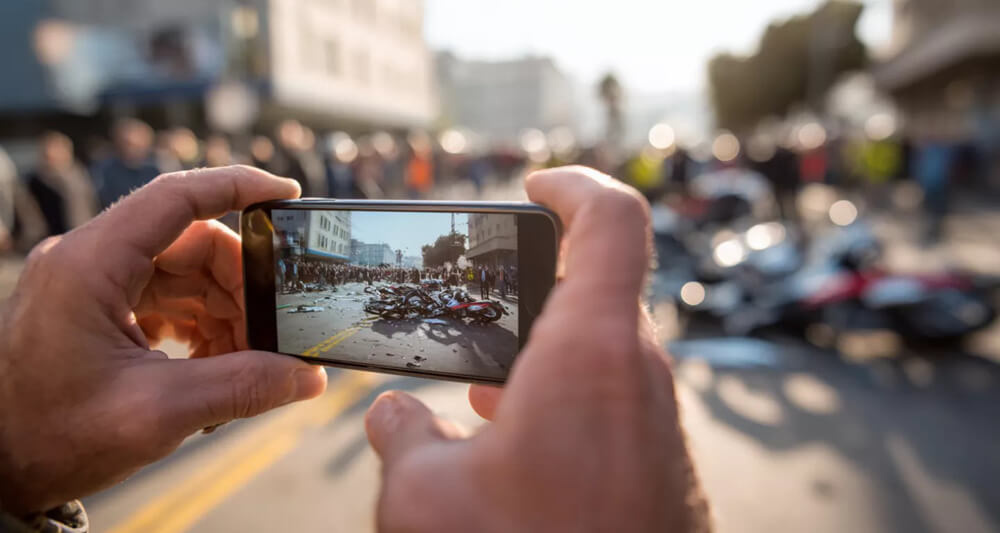
Remember to take photos and video for evidence after a motorcycle accident
If you are physically able, collect as much evidence as possible before leaving the scene. This information can be critical later.
Take Photos or Videos of:
- Your motorcycle from multiple angles
- Damage to other vehicles
- Road conditions (gravel, potholes, oil, debris)
- Skid marks
- Traffic signs or signals
- Weather and lighting conditions
- Your injuries (if visible)
Collect Information From Others:
- Driver’s name and contact details
- Driver’s license number
- Insurance company and policy number
- License plate numbers
- Vehicle make and model
Witness Information:
- Names and phone numbers
- Short statement if they’re willing
Do not rely on memory. Photos and written details are far more reliable, especially days or weeks later.
Step 5: Avoid Admitting Fault or Arguing at the Scene
After an accident, emotions often run high. It’s important to stay calm and professional.
Avoid:
- Saying “It was my fault”
- Apologizing in a way that implies responsibility
- Arguing with the other driver
- Making assumptions about what happened
Fault is determined later based on evidence, reports, and investigation. Even polite statements can be misunderstood or used against you in insurance claims.
Step 6: Seek Medical Attention as Soon as Possible
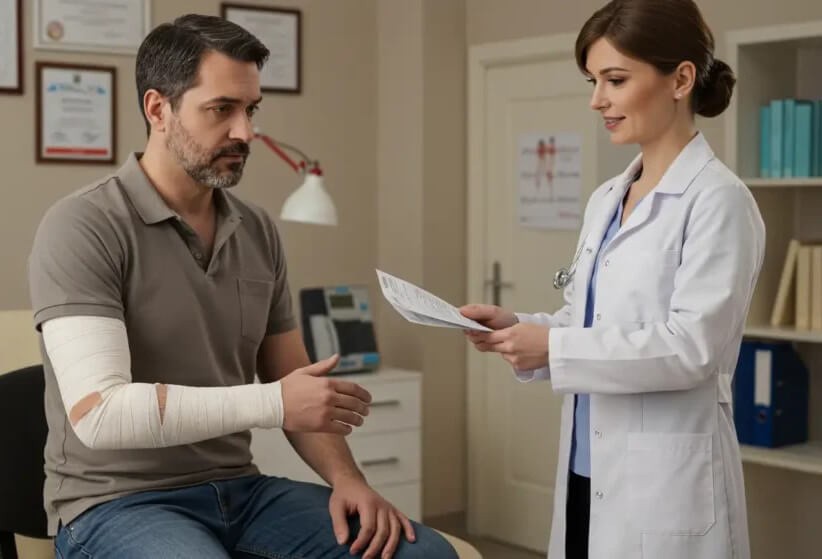
Seek medical attention if you feel uncomfortable
One of the biggest mistakes riders make is skipping medical care.
Even if you feel fine:
- Get checked by a doctor as soon as possible
- Visit an emergency room or urgent care if recommended
- Follow up with your primary care physician
Motorcycle accidents commonly cause:
- Concussions
- Soft tissue injuries
- Internal bleeding
- Spinal injuries
- Joint and ligament damage
Symptoms may appear hours or even days later. Medical records also create a clear link between the accident and your injuries, which is essential for insurance and legal protection.
Step 7: Notify Your Insurance Company
Report the accident to your insurance company as soon as possible, even if you believe the other driver is at fault.
When contacting insurance:
- Provide basic facts only
- Do not speculate about fault
- Do not downplay injuries
- Avoid recorded statements unless required
Keep copies of:
- Claim numbers
- Emails and letters
- Repair estimates
- Medical bills
Insurance companies are businesses. Clear documentation protects you and helps avoid delays or disputes.
Step 8: Consider Speaking With a Motorcycle Accident Lawyer
Not every motorcycle accident requires legal representation, but speaking with an experienced motorcycle accident lawyer can be helpful if:
- You are injured
- Fault is disputed
- Insurance offers seem low or delayed
- Long-term medical care is required
- Lost wages are involved
A lawyer can:
- Explain your rights
- Handle communication with insurers
- Help calculate fair compensation
- Ensure deadlines are met
This step is about protecting yourself, not starting a lawsuit automatically.
Step 9: Document Everything During Recovery
Your responsibilities don’t end once you leave the accident scene. Ongoing documentation is critical.
Keep records of:
- Medical visits and diagnoses
- Prescriptions and treatments
- Physical therapy
- Motorcycle repairs or total loss evaluations
- Towing and storage costs
- Missed work and lost income
- Pain, limitations, and daily challenges
A simple notebook or digital file works well. This documentation helps tell the full story of how the accident affected your life.
Common Mistakes Riders Make After a Motorcycle Accident
Avoiding these mistakes can significantly improve your outcome:
- Not calling the police
- Refusing medical evaluation
- Admitting fault at the scene
- Failing to collect evidence
- Settling with insurance too quickly
- Posting details on social media
- Ignoring follow-up medical care
Motorcyclists are often unfairly blamed. Proper steps help counter bias and protect your rights.
What not to do after a motorcycle accident?
After a motorcycle accident, it is critical to protect your health and your legal right to compensation. Here are some actions you should not do:
At the Scene
- Do not leave the scene unless you need immediate medical help: If you leave before the police show up, they could hit you with criminal hit-and-run charges.
- Do not admit fault or apologize: Keep your mouth shut about who's to blame. Any words like "I'm sorry" or "I didn't see you" are often used as admissions of guilt by insurance companies.
- Do not remove your helmet or safety gear: Adrenaline often masks serious pain; removing gear could aggravate hidden spinal or neck injuries.
- Do not move your motorcycle unless it's about to get hit again: Leave it to preserve the accident scene for investigation.
- Do not get confrontational: Avoid arguing with other drivers or bystanders. Aggressive behavior can negatively impact police reports and court proceedings.
Regarding Medical Care
- Do not skip or delay medical treatment: Even if you feel fine, you still need to get checked ASAP. Injuries like internal bleeding or concussions may not show symptoms for hours or days.
- Do not minimize your pain: When speaking with doctors, be thorough about every ache or symptom. Gaps in medical documentation can be used to deny your claim.
Dealing with Insurance & Legal Matters
- Do not give a recorded statement: You are not required to provide a recorded statement to the other driver's insurance company. These statements are often taken out of context to devalue your claim.
- Do not accept the first settlement offer: Initial offers are often "lowball" amounts that do not cover long-term medical costs or lost wages.
- Do not post on social media: Photos of you out and about can be used to argue your injuries are not severe.
- Do not repair your bike or discard gear immediately: Keep your damaged bike, helmet, and clothing as evidence until they are professionally inspected and documented.
Motorcycle Accident Checklist (Quick Summary)
Here is a quick, easy-to-remember checklist:
- Ensure safety and move out of traffic
- Call emergency services
- Call the police
- Gather evidence and witness info
- Avoid admitting fault
- Seek medical attention
- Notify your insurance company
- Document recovery and expenses
- Consider legal advice if needed
This checklist alone can make a major difference in your recovery and protection.
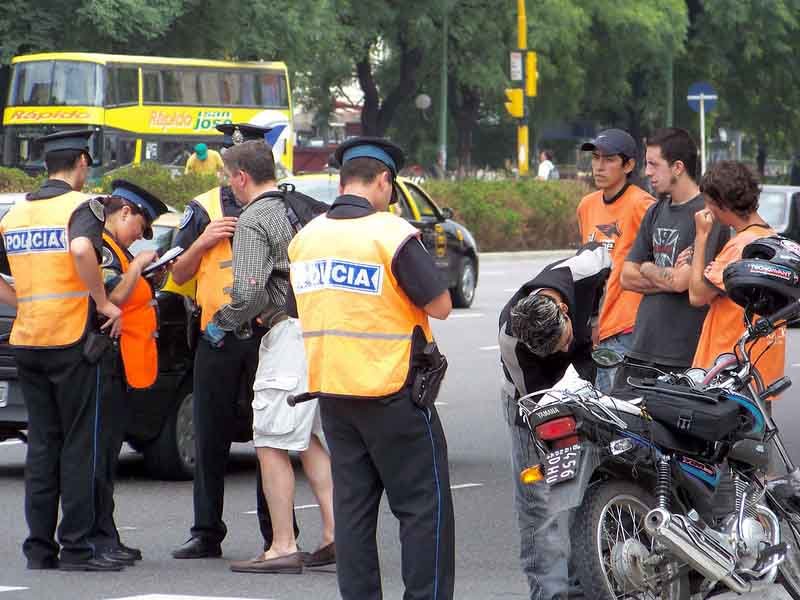
A Mechanic’s Perspective on Motorcycle Accidents
As a motorcycle mechanic and long-time rider, I’ve seen what accidents really do—not just to bikes, but to bodies. Riders often walk away thinking they’re fine, only to feel pain days later. I’ve also seen motorcycles written off because damage underneath wasn’t obvious at first glance.
Motorcycles don’t protect you the way cars do. Even a low-speed crash can transfer serious force into your wrists, spine, knees, and head. That’s why the steps you take after a crash matter just as much as what caused it.
From a mechanical and safety standpoint, never assume “minor” means harmless—for either you or the bike.
Why Medical Checks Matter (From a Professional Rider’s View)
I’ve worked on bikes where the rider said, “I’m fine,” while holding a cracked helmet in their hands. If your helmet absorbed impact, your head absorbed force—whether you felt it or not.
In my experience:
- Concussions often show up later
- Shoulder and wrist injuries worsen over time
- Adrenaline hides serious pain
Getting checked isn’t weakness—it’s smart riding.
Why Documentation Protects Riders
Motorcyclists are often blamed first. Clear documentation—photos, police reports, medical records—levels the playing field. I’ve seen riders lose valid claims simply because they didn’t take pictures or skipped a doctor visit.
Think of documentation like preventive maintenance: it protects you when problems show up later.
Frequently Asked Questions About Motorcycle Accidents
What should I do immediately after a motorcycle accident?
After a motorcycle accident, immediately move to a safe area if possible, call emergency services, check for injuries, and contact the police. Avoid removing your helmet unless necessary and do not admit fault at the scene.
Should I call the police after a minor motorcycle accident?
Yes. Even minor motorcycle accidents should be reported to the police. A police report provides official documentation that can be critical for insurance claims and legal protection later.
Do I need to see a doctor if I feel fine after a motorcycle crash?
Yes. Many motorcycle injuries, including concussions and internal injuries, may not show symptoms right away. Seeking medical attention also creates records that protect you if symptoms appear later.
What information should I collect after a motorcycle accident?
You should collect photos of the scene, vehicle damage, road conditions, license plates, insurance details, driver contact information, and witness statements if available.
Should I admit fault after a motorcycle accident?
No. Never admit fault at the scene. Determining fault requires investigation and evidence. Even apologizing can be misinterpreted and used against you in insurance or legal claims.
Who is usually at fault in motorcycle accidents?
According to data from the National Highway Traffic Safety Administration (NHTSA) and other studies, up to 60% of crashes, other drivers—typically those in passenger vehicles—are either partially or fully at fault. Motorcyclists are at fault in approximately 40% of motorcycle accidents, depending on the specific circumstances and reporting agency.
When should I contact my insurance company after a motorcycle accident?
You should notify your insurance company as soon as possible after the accident, even if you believe the other driver was at fault. Provide facts only and avoid speculation.
Do I need a lawyer after a motorcycle accident?
Not every accident requires a lawyer, but legal advice can be helpful if you are injured, fault is disputed, or insurance compensation seems unfair or delayed.
What's the average settlement for a motorcycle accident?
The average settlement for a motorcycle accident varies widely. In the U.S., it often averages around $70,000–$75,000 for typical injury claims. Some sources cite an average of $70,000 to $80,000. The specific amount depends heavily on injury severity, medical expenses, lost wages, and liability.
Final Thoughts
As a motorcycle professional and long-time rider, I’ve seen firsthand how quickly a ride can turn into a life-changing event. What you do after a motorcycle accident matters just as much as what happened during it. Staying calm, prioritizing your health, and following clear steps can protect you physically, financially, and legally.
No one plans for an accident, but being prepared with the right knowledge helps you make the best decisions when it matters most. Your health always comes first—everything else follows from there.
Disclaimer: This article is for general informational purposes only and does not constitute legal or medical advice. Always consult qualified professionals for your specific situation.
Data Sources: NHTSA
LEARN MORE

Motorcycle mechanic, writer. Interested in motorcycle gear for years. Like to stay up to date with the newest products and techniques of the motorcycle.
You maybe like to read:
Fodsports Brand Month: Unbeatable Deals and Top-Notch Service
Discover Fodsports Brand Month July and August mark a special occasion for motorcycle enthusiasts and tech lovers alike. Welcome to Fodsports Brand Month! This event is dedicated to celebrating everything that makes Fodsports a leading name in the motorcycle communication industry. Get ready for a fantastic promotions, exceptional service from Fodsports. Let's insights into Fodsports' […]
Modern Motorcycle Culture: How Technology and Community Are Changing Riding
Motorcycle culture has never been only about motorcycles. It is about the people who ride them, the communities they build, the places they explore, and the freedom they experience on the road. Today, modern motorcycle culture is changing faster than ever. Traditional motorcycle clubs, rallies, and group rides remain an important part of the scene, but […]
The History of Motorcycle Rallies in America: From Gypsy Tours to Today
Motorcycle rallies are now an important part of American motorcycle culture. Events such as the Sturgis Motorcycle Rally, Daytona Bike Week, and Laconia Motorcycle Week attract riders for group rides, racing, entertainment, motorcycle shows, and social activities. But how did motorcycle rallies begin in America? The history of motorcycle rallies goes back more than a […]
The Wild One: How a Classic Motorcycle Movie Shaped American Biker Culture
Released in 1953, The Wild One remains one of the most influential motorcycle movies in American film history. Starring Marlon Brando as Johnny Strabler, the film introduced mainstream audiences to a powerful combination of motorcycles, leather jackets, rebellious youth, motorcycle clubs, and the freedom of the open road. For motorcycle enthusiasts, the movie is especially […]
How Motorcycle Culture Evolved in America: From Harley-Davidson, Biker Clubs and Easy Rider to Modern Riding
🏍️ The Early Roots of American Motorcycle Culture Motorcycle culture in the United States has never been only about transportation. From early motorcycle clubs and racing events to cross-country touring, biker communities, rallies, and modern adventure riding, motorcycles have represented freedom, independence, competition, and community. The story began in the early 20th century, when motorcycles […]