The motorcycle communication systems field just got a significant upgrade with the release of the Fodsports FX7. This state-of-the-art Bluetooth mesh intercom is packed with many advanced features and techs. It will revolutionize the way riders communicate and enjoy their rides. Whether you're a solo rider or part of a group, the FX7 offers unparalleled […]

Top 10 Motorcycle Maintenance Secrets Mechanics Won’t Tell You
May 28, 2025
Keeping your motorcycle in top shape doesn't have to be expensive or complicated. Many seasoned riders and mechanics have discovered practical, cost-effective maintenance tips that can save you time and money. Here are ten essential motorcycle maintenance secrets that every rider should know.
Table of Contents
Top 10 Motorcycle Maintenance Secrets
1. Skip the Overpriced Chain Lubes
Chain lubrication doesn’t need to break the bank. In fact, many DIYers use a basic 75W‑90 or 80W‑90 gear oil just as effectively as name-brand chain sprays.
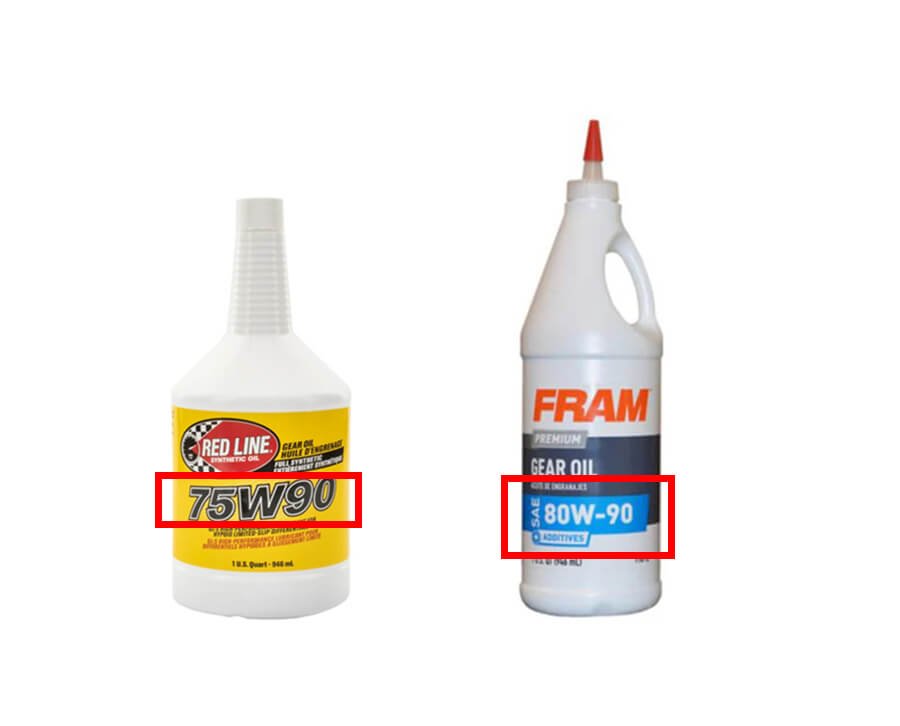
75W‑90 and 80W‑90 gear oil
Gear oil is thick and clings well, and a little goes a long way – you can even apply it from a spray bottle. Some riders mix paraffin (candle wax) with PTFE (Teflon) powder to make their own chain wax, or use engine oil or automatic transmission fluid sparingly.
The key is to coat all the rollers and O‑rings without slinging excess. Top brands often contain similar additives for dirt protection, so a cheap lubricant or homemade wax tends to work just as well as the “premium” stuff.
The result? Your chain stays quiet, lubricated and clean without spending extra cash on fancy aerosols.
2. Brake Fluid Doesn’t Always Need Changing Every Year
Brake fluid is hygroscopic (it soaks up water), so it does need replacing eventually – but usually not every 12 months unless you ride hard.
Most manufacturers and experts recommend flushing your brake fluid about every 2 years or 30,000 miles (whichever comes first). The big clue to replace it is performance: if the lever feels soft, spongy or goes too far before biting, that indicates moisture or air in the system.
Other warning signs include an illuminated ABS/brake light on dash or even a faint burning smell after very hard braking (sign of overheated fluid).
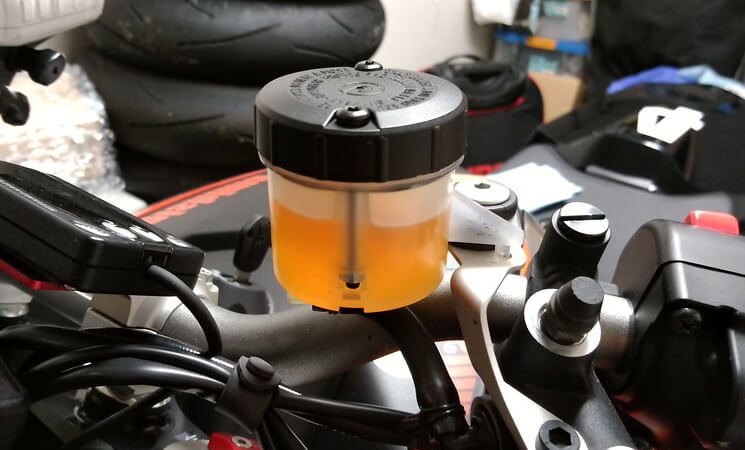
check the color of the brake fluid
In short, instead of blindly swapping fluid every year, listen and look: watch for a soft brake lever and check fluid color (clear fluid is good; dark brown means it’s gunked up). If you're not sure, check your owner's manual, but remember that changing every two years is common advice, not a strict yearly rule.
3. Batteries Can Last 3 to 5 Years With Proper Care
Motorcycle batteries can last a lot longer if you take good care of them. People often see them die after about 2 years when they don't look after them - but with a bit of effort, they can make it to 4-5 years or more.
The key is to keep them charged up and not let them run too low. For bikes you don't ride every day, use a smart charger or trickle charger. These keep the battery at the right voltage (12.6-12.8 V when full) without overcharging it.
When you put your bike away, take out the battery or keep it on a tender. Don't let the charge drop below about 50% (around 12.2-12.4 V) before you charge it again. It's also smart to check the battery voltage with a voltmeter now and then - if the resting voltage drops much below 12.4 V, give it a charge.
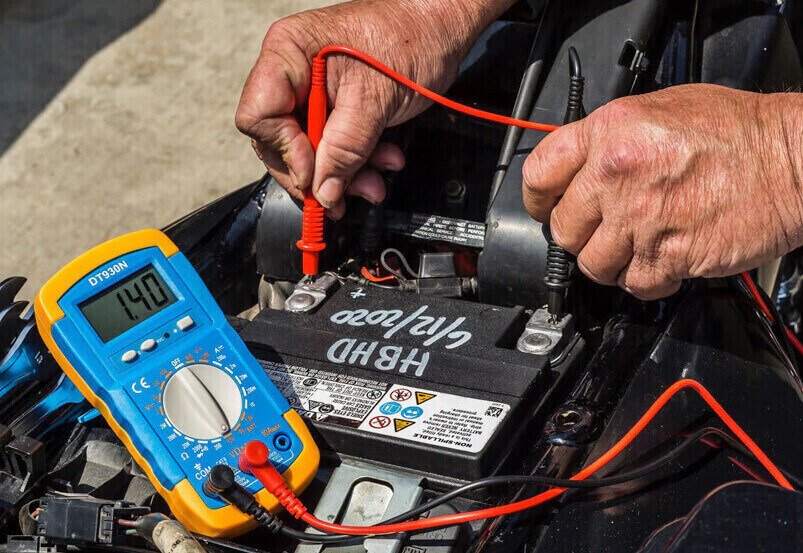
check the battery voltage
If you follow these tips (clean the terminals, keep it warm, don't let it die), your battery will live longer than the usual "2-year throwaway." In fact, if you look after a battery well, you might not need to replace it until 3-5 years have passed.
4. You Don’t Need Fancy Motorcycle Cleaners
Store-bought motorcycle cleaners aren't anything special. Most manufacturers suggest using water and mild soap to clean a bike. Dish soap (washing-up liquid) works great and is safe on all the metal and paint – contrary to internet rumors, it contains no corrosive road salts that will rust your ride.
After you rinse and wash, you can add shine with regular car wax or a spray detailer. For tough dirt or grease, cheap homemade degreasers work wonders: mix baking sod, a liquid soap, and white vinegar into a paste to cut through oily buildup (combine about 1 part baking soda, 4 parts soap, 16 parts vinegar, spray it on then scrub and rinse).
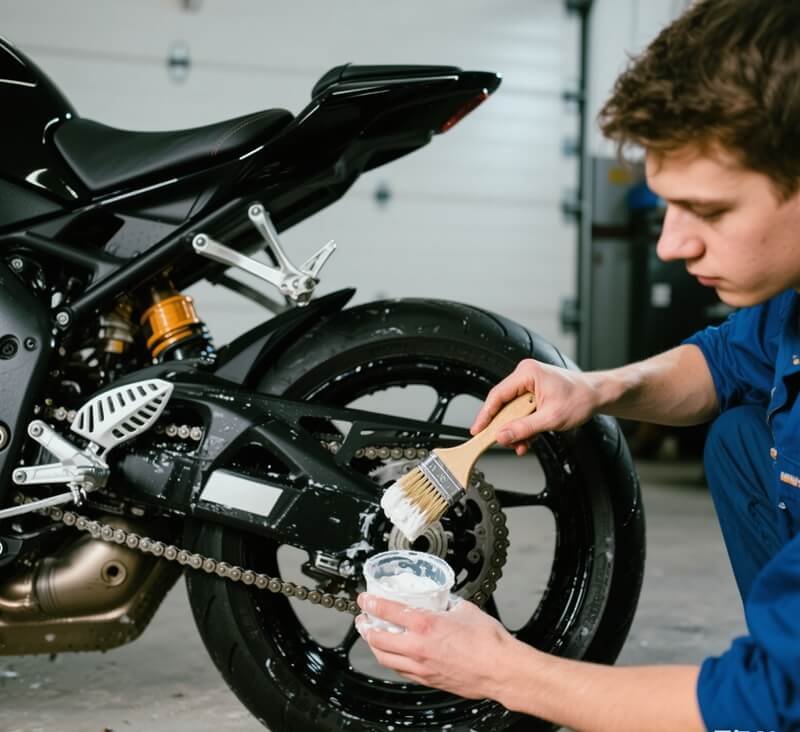
you do not need fancy motorcycle cleaners
You can even use a bit of WD‑40 to spot-clean tar or sticky stuff – just make sure to wash it off after.
Bottom line: don't bother with fancy cleaning kits; warm water, dish soap, and basic household degreasers get the job done, and you'll keep your bike shiny without spending a fortune.
5. Use a Toothbrush or Any Stiff Brush on Your Chain
You don’t need to buy special tools to clean your chain. A stiff brush, like an old toothbrush, works great.
First, apply a degreaser like kerosene or a citrus-based cleaner. Then scrub the chain from the back of the rear sprocket to remove dirt and grime. Make sure to clean all sides of the chain links and rollers. The trick is to use some effort and take your time. Specialty brushes like three-sided ones help, but a toothbrush does the job if used properly.
After cleaning, dry the chain and reapply lubricant. This cheap method keeps your chain in great shape.
6. Most Leaking Forks Are Just Dirty Seals
If you see oil on your fork tubes, don’t panic. It’s often not a real leak.
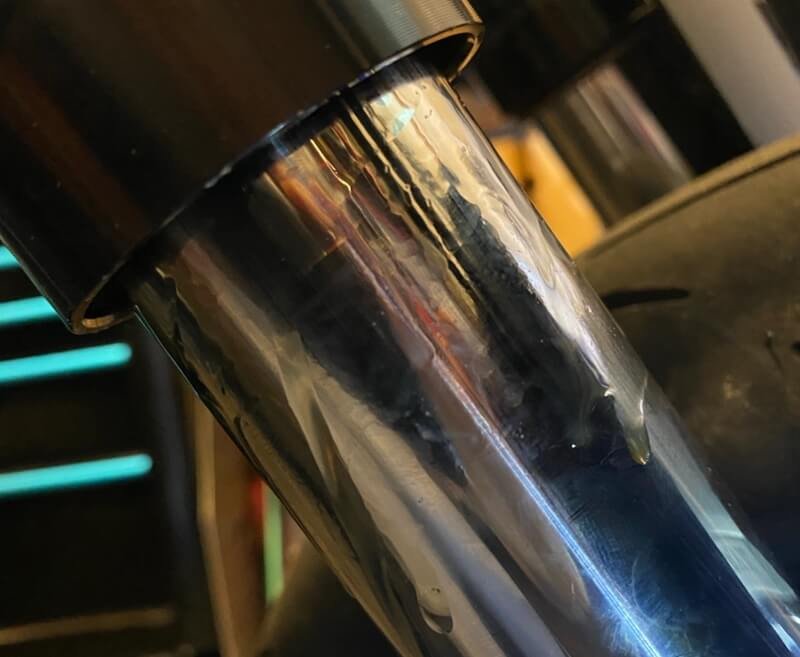
oil on fork tubes
Dirt can collect under the dust seals and mix with a bit of fork oil, creating a brown ring that looks like a leak.
First, try cleaning it. Pull up the dust seal and wipe the tube and seal with a rag. Usually, you’ll find dirt causing the problem. After cleaning, bounce the forks a few times. A tiny bead of oil may appear, which is normal. If no more oil shows up, you fixed it.
Only consider replacing the seals if the fork keeps leaking after cleaning.
7. Don’t Over-Tighten the Oil Drain Plug
Be careful not to tighten the oil drain plug too much. Over-tightening can strip the threads or even crack the engine case.
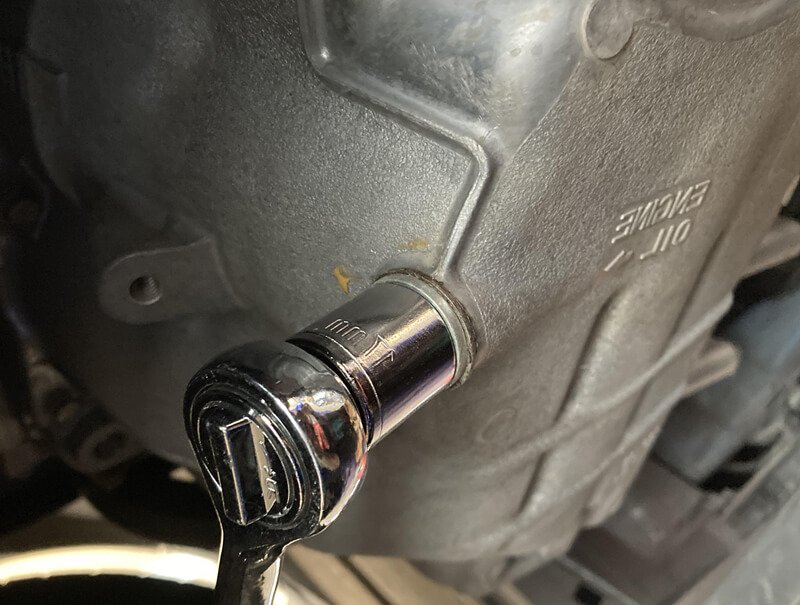
Be careful to tighten the oil drain plug
Check your manual for the correct torque setting, which is often around 15-25 ft-lbs. If you don’t have a torque wrench, tighten the plug until it’s snug, then give it a small extra turn.
Also, always replace the crush washer during oil changes. A properly tightened plug won’t leak, and you’ll avoid expensive repairs.
8. Use Anti-Seize Compound on Key Fasteners
A small amount of anti-seize grease can save you a lot of trouble later. Use it on bolts that go from steel into aluminum and on hot parts like spark plugs, axle nuts, exhaust bolts, and brake caliper bolts.
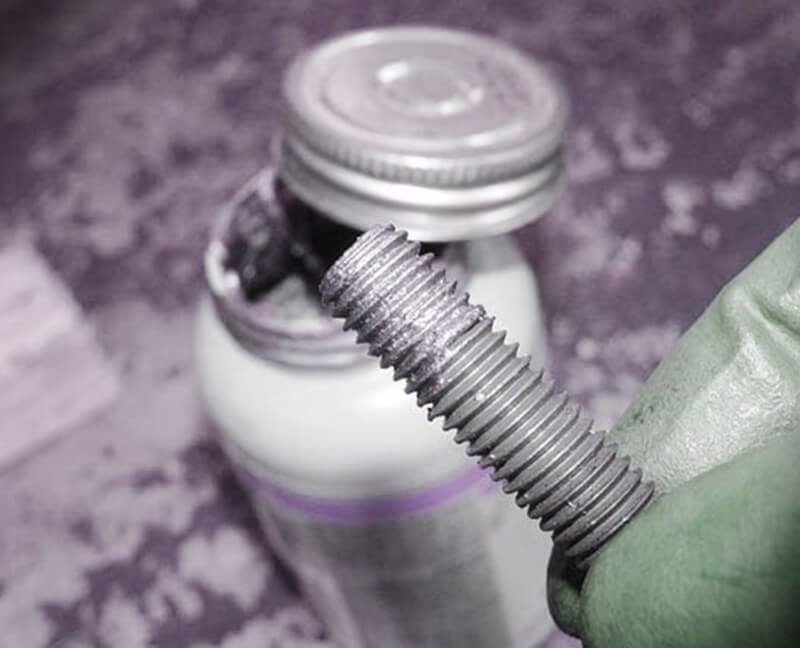
Use anti-seize compound
The grease stops the parts from sticking or getting damaged by heat. Just use a thin coat and tighten to normal torque. This makes it much easier to remove bolts in the future and prevents them from seizing.
9. Flushing Your Coolant Is Easy and Important
Coolant keeps your engine from overheating or freezing, but it goes bad over time.
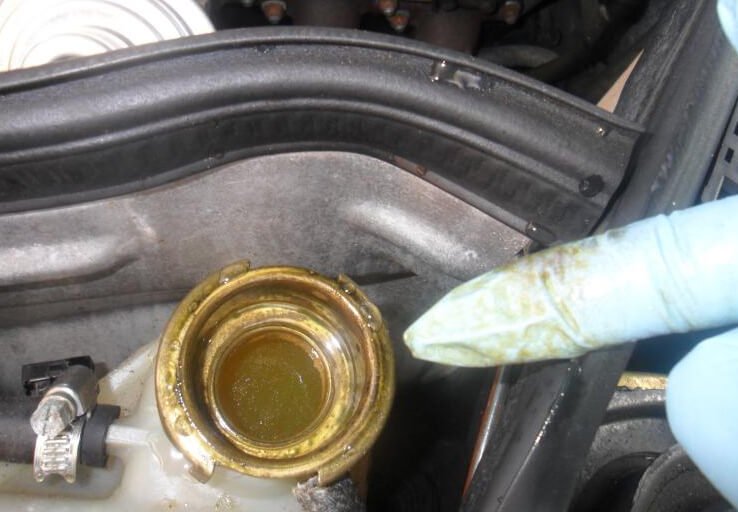
deteriorated coolant
Old coolant can get dirty, turn acidic, and cause rust inside your cooling system. This can lead to serious damage like a warped cylinder head. Flushing the coolant every two years helps avoid these problems.
Drain the old coolant, fill the system with clean water or a flush solution, run the engine briefly, and then drain it again. Finally, fill with fresh 50/50 coolant mix. Even if the coolant looks okay, flushing helps prevent overheating and corrosion. It’s as simple as an oil change and worth doing.
10. Always Check Wheel Bearings During Service
Wheel bearings are very important for safety, but people often forget to check them.
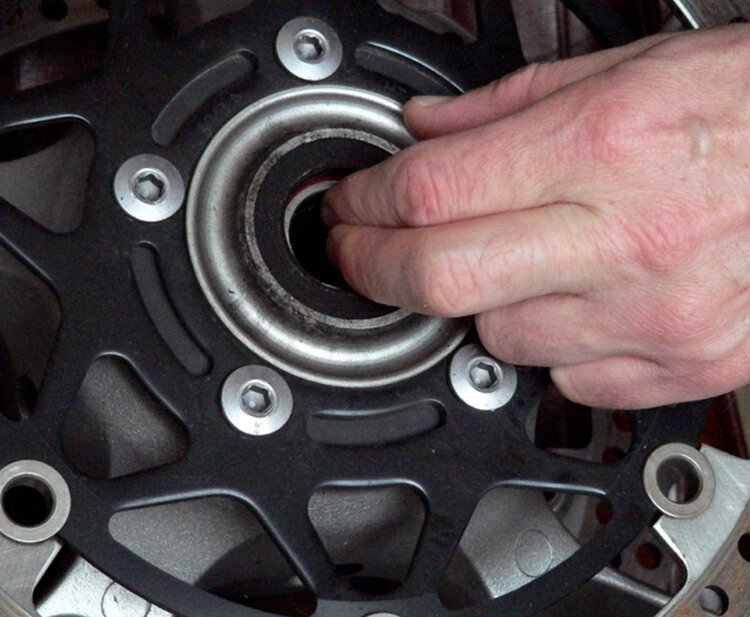
check wheel bearings
Bad bearings can cause the bike to wobble or even make the wheel lock up. Whenever you remove the wheels or at least every few thousand miles, check them.
Lift the wheel off the ground and try to move it side-to-side and up-and-down. If it feels loose or rough, the bearings may be worn out. Spin the wheel and listen for grinding noises. If you hear anything odd, replace the bearings.
They are cheap and easy to replace early, but ignoring them can lead to dangerous problems. Check both front and rear bearings often and replace them when needed.
More About Motorcycle Wheel Bearing
Conclusion
By incorporating these motorcycle maintenance secrets into your routine, you can keep your motorcycle running smoothly and safely while saving money. Regular inspections and simple DIY practices go a long way in ensuring your bike's longevity and performance.
With over 10 years of experience working on cars and trucks Item Training Supervisor Richard Reina is known around the office as one of our technical experts & real an "automobile person".
His rate of interest began, in his very own words, "at the age of two when his father educated him the distinction in between a Chevy and a Ford. Since then it's been cars regularly."
As a serious lover of practically all things with a motor Richard can address nearly any kind of inquiry related to car upkeep, fixing, or restoration & is a fact professional in electric motor background.
You maybe like to read:
Fodsports Brand Month: Unbeatable Deals and Top-Notch Service
Discover Fodsports Brand Month July and August mark a special occasion for motorcycle enthusiasts and tech lovers alike. Welcome to Fodsports Brand Month! This event is dedicated to celebrating everything that makes Fodsports a leading name in the motorcycle communication industry. Get ready for a fantastic promotions, exceptional service from Fodsports. Let's insights into Fodsports' […]
Ultimate Dolomites Autumn Cycling Guide: Best Fall Foliage Routes & Expert Gear Blueprint
The Italian Dolomites in autumn transform into a sensory masterpiece. As the chaotic summer crowds dissipate between mid-September and late October, the entire Alpine region ignites with golden larches, fiery maples, and stark white limestone peaks. This fleeting shoulder season provides the ultimate window for an epic Dolomites cycling tour and foliage chasing. Compared to […]
Route des Grandes Alpes in Fall: France Motorcycle Riding Guide
Few motorcycle routes combine high mountain passes, autumn forests, dramatic valleys, and Mediterranean scenery as well as the Route des Grandes Alpes in France. Stretching about 720 km from Thonon-les-Bains near Lake Geneva to Nice, the route crosses 18 major Alpine passes and reaches 2,764 meters at the Col de l'Iseran. For motorcycle riders, autumn can […]
Talimena Scenic Byway in Fall: Oklahoma and Arkansas Motorcycle Riding Guide
A mountain road, two states, 54 miles of ridgelines, and some of the best late-season color in the South—Talimena Scenic Byway is the kind of motorcycle route that rewards riders who leave room for the scenery. Running from the Mena, Arkansas area to Talihina, Oklahoma, the byway follows the crests of the Ouachita Mountains through forest, […]
Cherohala Skyway Tennessee and North Carolina: Fall Motorcycle Riding Guide
Few motorcycle roads in the Southeast combine elevation, open mountain views, and flowing curves quite like the Cherohala Skyway. Stretching about 43 miles between Tellico Plains, Tennessee, and Robbinsville, North Carolina, the National Scenic Byway climbs from lower valleys to elevations above 5,000 feet before crossing the Appalachian high country. In fall, the ride becomes […]