The motorcycle communication systems field just got a significant upgrade with the release of the Fodsports FX7. This state-of-the-art Bluetooth mesh intercom is packed with many advanced features and techs. It will revolutionize the way riders communicate and enjoy their rides. Whether you're a solo rider or part of a group, the FX7 offers unparalleled […]

Riding a Motorcycle at Night: 2025 Ultimate Safety Tips
November 14, 2022
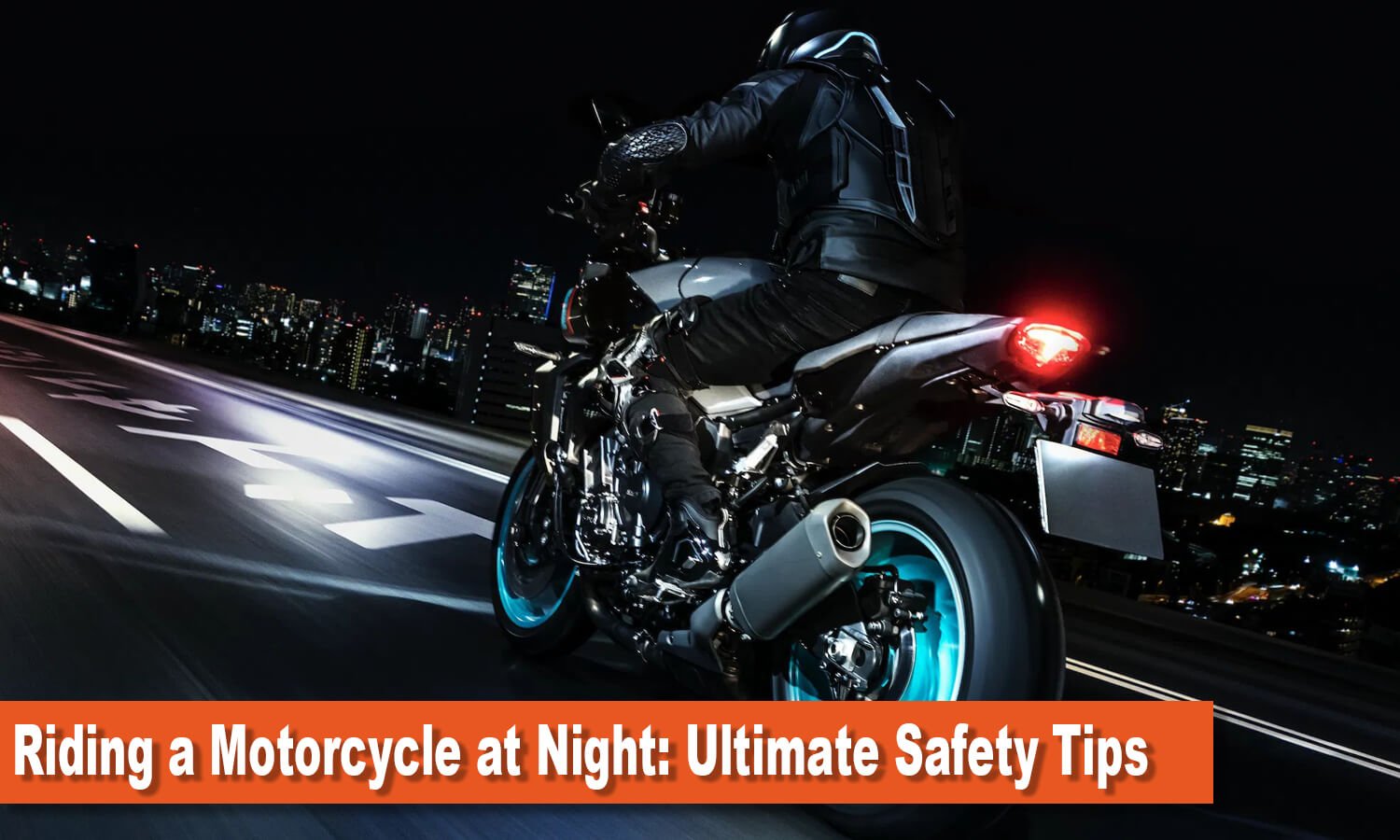
Out on two wheels at night can be peaceful, beautiful, even exhilarating. But it also brings significantly higher risks than daytime riding.
Night makes your visibility, reaction times, and road conditions dark. What's more, even your own alertness will be affected.
This article gives you a professional, detailed, practical guide to staying safe when riding at night.
Table of Contents
Why Motorcycle Riding at Night is Dangerous?
Understanding the dangers is the first step to managing them. Here are what you will face when riding after dark:
- Reduced Visibility. The headlights on both your motorcycle and others’ only have limited functions. You may find it harder to see the road features, obstacles, lane markings and edges, animals, and pedestrians. Even cars with lights off or dim, they still cannot help too much. Harsh contrasts from shadows and bright lights are totally different from daytime. They will make it difficult to judge the distance, speed, and hazards.
- Obstacles & Road Surface Hazards. Potholes, debris, uneven pavement, animals, loose gravel, or fallen branches are threats. You may not notice them at night until they are very close. Once they’re close, you have less time to react.
- Drunk, Impaired, or Distracted Drivers. At night, there’s a higher probability of meeting drivers who are impaired by alcohol or drugs. Also, drivers may be more tired or less attentive. Their visibility is also worse, compounding risk.
- Fatigue, Drowsiness, and Sensory Strain. Your body’s circadian rhythm, darker surroundings, monotony of the highway, etc., all tend to wear down alertness. Reaction times slow, and you’re more likely to misjudge distances or miss hazards.
- Loss of Traction & Adverse Elements. Your motorcycle's traction may be influenced at night. These factors include evening dew, fog, frost in cold regions, wet slick roads from earlier rains, or gloss. Temperature drops can stiffen tires or dull responsiveness. Fog or mist can obscure vision.
- Higher Possibility of Animals & Wildlife. If you are riding in the wild or near the forest, pay attention to the nocturnal or crepuscular animals. Deer, raccoons, and stray dogs are more active at dusk through the early morning. Their tendency to freeze in headlights can create startling situations.
- Temperature & Comfort Effects. As light fades, temperature often drops. Cold can reduce your focus, affect muscle control, and make gear less comfortable. These may lead to fatigue. Also, your helmets and glasses will fog up, etc.
Safety Tips for Riding a Motorcycle at Night
Below are the ultimate, actionable suggestions to reduce risk and ride safely at night. I will offer you tips from both gear, mindset, technique, and preparation.
Pre-Ride Checks: Lights, Tires, Gear
- Inspect All Lighting before Your Ride. These include headlights (low and high beams), tail lights, turn signals, and brake lights. Check if the lenses are clean, not clouded or scratched, bulbs are bright and aligned properly. Do not leave any safety hazards on your lights, especially when riding at night.
- Upgrade Lighting Where Legal & Effective. LED or HID headlights are worth considering option to use on your motorcycle at night. LED lights are more energy-efficient, brighter, and longer-lasting. And the HID has a strong throw distance. You can also add auxiliary lights (fog lights, driving lights) for both you to see and be seen. Remember to check the local regulations (light brightness, color, placement) before you upgrade the lights.
- Visor & Eyes in Your Helmets
- Use a clear visor rather than a tinted one at night. Tints will largely reduce your visibility at night.
- Keep visors clean—removing bugs, smudges, and droplets on the visors. Using anti-fog solutions can also help.
- If you use glasses, consider photochromic or yellow-tinted ones that help in low light. But remember, you must avoid using tinted when it’s fully dark.
- Tires & Traction. Check tire tread depth before your night motorcycle ride. At night, you can’t afford surprises from loss of grip, especially in corners or wet patches. Watch tire pressure (cold tires behave differently). Note: these are often less emphasized in sources, but are part of safe riding basics.
- Clothing and Gear. Using high-visibility clothing and gear can improve your visibility at night. Fluorescent colors, reflective strips, retro-reflective tape or decals on helmet, jacket, bike are useful. Always ensure the helmet meets safety standards and doesn’t produce glare internally.
Be Visible: To Others & To Yourself
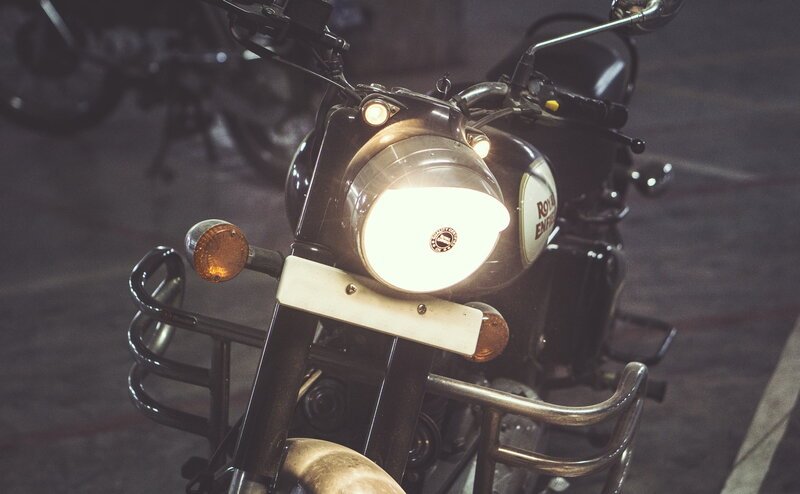
- Drive & Headlights Strategy:
- Use high beams when appropriate (e.g. rural roads, no oncoming traffic). They boost your visibility significantly.
- Switch to low beams when approaching or trailing another vehicle. This can avoid blinding the drivers and prevent accidents.
- Light Modulation & Auxiliary Lighting:
- Consider a headlight modulator. You can use blinking or pulsing low beams for increased visibility ( But make sure it is allowed).
- Add auxiliary/driving lights, fog lamps to expand your field of view and depth perception.
- Brake light flashers can grab the attention of drivers behind you.
- Reflectivity & Clothing Choices:
- Bright neon or fluorescents (yellow, orange, green, white) for outer layers.
- Use reflective surfaces or add reflective stickers/tape on your helmet.
- Add reflective strips not just front & back, but sides of bike, panniers, helmet rims, wheels.
More to Read

Use high visibility gear while riding a motorcycle at night
Adjust Your Riding Behavior & Strategy
- Reduce Speed & Ride “Within the Light”. Go at a speed where you can stop or maneuver safely, based on what you can actually see. If your headlights show only 100 feet ahead, then consider reducing to a suitable speed. This can give you enough time to respond.
- Increase Following Distance. The more space between you and other vehicles, the more time you can have to react to sudden stops or obstacles. If the visibility is reduced, the vehicle ahead might throw shadows or hide hazards. When you notice the danger, it may be too late.
- Defensive Riding. Assume others may not see you. Expect vehicles to drift over lanes, make sudden turns, or misread visibility. Avoid the blind spots of other vehicles. Be predictable with your signals and lane position.
- Use the Lights of Others to Your Advantage. When following behind cars, you can pay attention to their lights. They can also show you the road conditions ahead (hazards, curves, surface changes). Conversely, oncoming lights can reveal features you might otherwise miss.
- Mind Curve & Cornering Techniques. Be more conservative when entering the corners at night. Slow your motorcycle before the curve and avoid braking hard during the lean if possible. What's more, you should be especially cautious in unlit. Because some sharp curves where road hazards that may not be visible until you are close.
Manage Your Own Condition & Perception
- Stay Alert—Watch for Drowsiness Signs. Yawning, frequent blinking, losing focus, drifting, forgetting recent miles—these are warning signs. If these appear to you, pull over your motorcycle, have a rest, caffeinate, or postpone riding.
- Avoid Riding Under the Influence. Never, never, never ride a motorcycle under the influence of drugs or alcohol. And, avoid riding when you're exhausted, stressed, or otherwise impaired. Your reaction times degrade, and risk perception suffers.
- Prevent Visual Fatigue & Glare. Glare from oncoming headlights or poorly aimed lighting can momentarily blind you. Here is how to mitigate it: look slightly toward the right side of the road edge (right-lane stripe). Do not directly look into the high beams. Use anti-glare treatment if your visor or windscreen supports it.
- Adapt to Temperature Changes. You can wear gear with thermal layers or liners when riding at night. You can use or remove them at any time. Use gloves that maintain dexterity even when cold. Stay properly hydrated and maintain energy. Cold hands or stiff joints slow responses.
- Keep Visor / Windshield Clean & Anti-Fogged. Clean the helmet visor and windshield of your motorcycle before you start a night ride. You can also use anti-fog treatments. I like to bring a soft cloth so that I can occasionally wipe the visor and windshield. Debris, bugs, or fog on the visor can distort light and make seeing worse at critical moments.
Plan & Adjust Based on Environment & Conditions
- Know the Route & Lighting Levels. Choosing better-lit routes (streetlights, traffic) can reduce risk. If you are riding through rural or remote areas at night, plan for limited lighting. Perhaps you can avoid the worst sections at night.
- Weather & Fog Considerations. If fog or mist is expected, consider postponing the ride or using extra lighting. Reduce speed, use low beams or fog lights, and maintain visibility of your road edges and reflectors.
- Time of Night Matters. The period between dusk and full dark is especially challenging. And, hours late at night or early morning (e.g. midnight to 3-4 AM) tend to bring more impaired drivers, more fatigue. Beware of these periods while riding your motorcycle.
Legal & Regulatory Awareness
- Know Your State / Local Laws. Laws about lighting color, brightness, auxiliary lights, visors, reflective gear, etc., vary in different regions. What’s legal in one state may not be in another. So, remember to comply with the laws to avoid tickets or worse, being forced to disable lighting.
- Licensing & Riding Privileges. Some places have restrictions for underage or new riders riding at night. Make sure your license covers riding a motorcycle at night legally.
Mental State & Habits: What You Should Cultivate
Beyond gear and physical prep, your mindset and riding habits are crucial.
- Ride Defensively Always. Assume other drivers/riders do not see you. Be ready for unexpected behavior at any time. For example, cars may turn left in front of you or cross intersections without yielding, or road users may drift into your path.
- Plan Regular Breaks. Even shorter riding trips at night can be more fatiguing. Stop to stretch your arms and legs, rest your eyes, and hydrate. If you find yourself zoning out, it's time to pull over.
- Keep Posture & Focus. Upright posture (when safe), scan ahead. Do not just notice your immediate hazard, but also pay attention to the mid-to-far distance. Use mirrors frequently. Don’t fixate on any one glare or light; move your gaze to reduce eye fatigue.
- Avoid Riding Under Extreme Conditions if Possible. When fog is dense, visibility is near zero, or when temperatures make roads slick (frost, ice), consider postponement. Sometimes discretion is the better part of valor.
Sample Motorcycle Night Riding Checklist
To help put this all into practice, here’s a checklist you can run through before each night ride:
- Check all lights are working & aimed properly (headlight low & high, tail, brake, signals, auxiliary).
- Clean and inspect visor / goggles / glasses. Apply anti-fog if needed.
- Inspect tires: tread depth, pressure, no cuts or bulges.
- Put on high-visibility outer gear and reflective items. Add helmet decals or reflective stripes.
- Pack layers for warmth, a removable liner, gloves good for cold.
- Route check: consider lighting, traffic, road conditions, weather forecast. Identify safe rest stops.
- Confirm you are well-rested, have eaten, and hydrated.
- Plan rest breaks. If you notice signs of drowsiness or fatigue during a night motorcycle ride, take a rest.
- Check local laws about lighting & visors to ensure compliance.
- Let someone know your route/timing, especially in remote areas. Perhaps carry a charged phone or an emergency tool kit.

Group riding at night
Safety Tips for Group Riding at Night
Group riding at night can be tons of fun, yet you need to pay close attention to your communication to make sure every person is safe. The absence of exposure in the evening can make it more challenging to monitor various other riders, so it's essential to have a motorcycle communication system that doesn't rely on sight. With an interaction system, riders can alert each other of dangers on the road that cannot be seen by everyone. As well as even if you're riding solo, it is essential to have a hands-free way to respond to vital telephone calls and also handle your songs.
That's what's excellent concerning Fodsports Systems' motorcycle communication systems. These powerful helmet-mounted tools turn your headgear right into a voice-activated multimedia interactions facility, consisting of motorbike headgear intercom systems for speaking with your team as well as mobile phone synchronization. Get GPS instructions with no need to get your eyes off the road, and you can also pay attention to your favored evening music or respond to phone calls. It's an easy method to make your ride both safer and also a whole lot extra enjoyable.
Is it okay to ride a motorcycle at night?
Yes, riding a motorcycle at night is ok but requires extra caution due to reduced visibility and increased risks. To stay safe, ensure your motorcycle's lights are working properly before you start rolling the wheels. And, consider adding extra lights for better illumination. Wear reflective or brightly colored gear to enhance visibility to other drivers. Maintain a safe following distance from other vehicles and reduce speed. This makes sure you have more reaction time for unexpected obstacles or hazards. Be particularly vigilant for wildlife and impaired drivers, who are more prevalent during nighttime hours. Avoid riding if you're fatigued or under the influence of alcohol. By taking these precautions, you can reduce the risks associated with night riding.
Conclusion
Night riding on a motorcycle can be one of the most rewarding experiences. You can enjoy quiet roads, cooler air, and starry skies. But with reward comes elevated risk.
Today, you don’t just need courage—you need preparation, awareness, and good equipment.
If you do just the essentials:
- make sure your visibility is maximized (lights, reflective gear),
- adjust speed and following distance,
- stay fresh, alert, and legally compliant,
you’ll greatly reduce your chance of accidents and increase your peace of mind.
Ride safe and Ride smart. Enjoy the night—but don’t be caught off guard by it.

Motorcycle mechanic, writer. Interested in motorcycle gear for years. Like to stay up to date with the newest products and techniques of the motorcycle.
You maybe like to read:
Fodsports Brand Month: Unbeatable Deals and Top-Notch Service
Discover Fodsports Brand Month July and August mark a special occasion for motorcycle enthusiasts and tech lovers alike. Welcome to Fodsports Brand Month! This event is dedicated to celebrating everything that makes Fodsports a leading name in the motorcycle communication industry. Get ready for a fantastic promotions, exceptional service from Fodsports. Let's insights into Fodsports' […]
Grossglockner High Alpine Road in Fall: Austria Motorcycle Riding Guide
Autumn transforms Austria’s Grossglockner High Alpine Road into a spectacular mountain destination. Golden larch trees brighten the slopes, crisp Alpine air can reveal dramatic mountain views, and 36 hairpin bends make the journey memorable for motorcycle enthusiasts. Yet autumn also brings unpredictable weather, cold pavement, and possible road closures. For riders planning an Austrian Alps […]
Black Forest High Road Motorcycle Guide: Best Autumn Ride, Scenic Routes and Riding Tips in Germany
Few places in Germany combine flowing mountain roads, colorful forests, traditional villages, and peaceful viewpoints as perfectly as the Black Forest High Road (Schwarzwaldhochstraße B500). In autumn, this legendary route transforms into a spectacular motorcycle destination, with golden beech forests, misty valleys, and panoramic views stretching toward the Rhine Valley and even France on clear […]
Ultimate Dolomites Autumn Cycling Guide: Best Fall Foliage Routes & Expert Gear Blueprint
The Italian Dolomites in autumn transform into a sensory masterpiece. As the chaotic summer crowds dissipate between mid-September and late October, the entire Alpine region ignites with golden larches, fiery maples, and stark white limestone peaks. This fleeting shoulder season provides the ultimate window for an epic Dolomites cycling tour and foliage chasing. Compared to […]
Route des Grandes Alpes in Fall: France Motorcycle Riding Guide
Few motorcycle routes combine high mountain passes, autumn forests, dramatic valleys, and Mediterranean scenery as well as the Route des Grandes Alpes in France. Stretching about 720 km from Thonon-les-Bains near Lake Geneva to Nice, the route crosses 18 major Alpine passes and reaches 2,764 meters at the Col de l'Iseran. For motorcycle riders, autumn can […]