The motorcycle communication systems field just got a significant upgrade with the release of the Fodsports FX7. This state-of-the-art Bluetooth mesh intercom is packed with many advanced features and techs. It will revolutionize the way riders communicate and enjoy their rides. Whether you're a solo rider or part of a group, the FX7 offers unparalleled […]

Essential Tips For Riding A Motorcycle In Winter: 2026 Real Rider's Guide
March 8, 2023
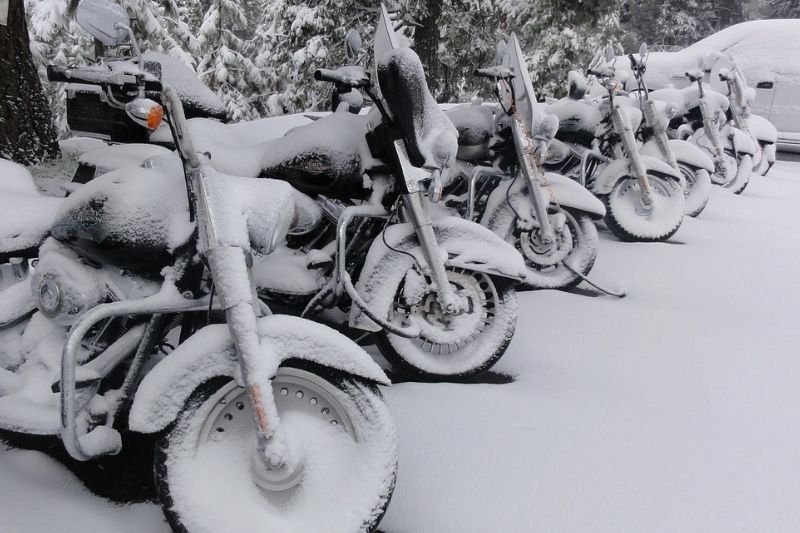
Essential Tips For Riding A Motorcycle In Winter -- A Mechanic-First, Safety-Focused Guide for Cold-Weather Riders.
Riding a motorcycle in winter is not impossible—but it is unforgiving. Cold temperatures, reduced traction, and slower rider reactions mean small mistakes can turn serious very quickly. As a mechanic and long-time rider, I can tell you this: winter riding is 80% preparation and 20% riding skill.
If you prepare your bike correctly, wear the right winter riding gear, and adjust your riding technique, winter riding can be manageable and even enjoyable. Ignore the basics, and winter will expose every weakness in your setup and habits.
This guide covers everything you need to know to ride a motorcycle safely in winter, from mechanical preparation to real-world riding techniques, with no fluff—only proven, practical advice.
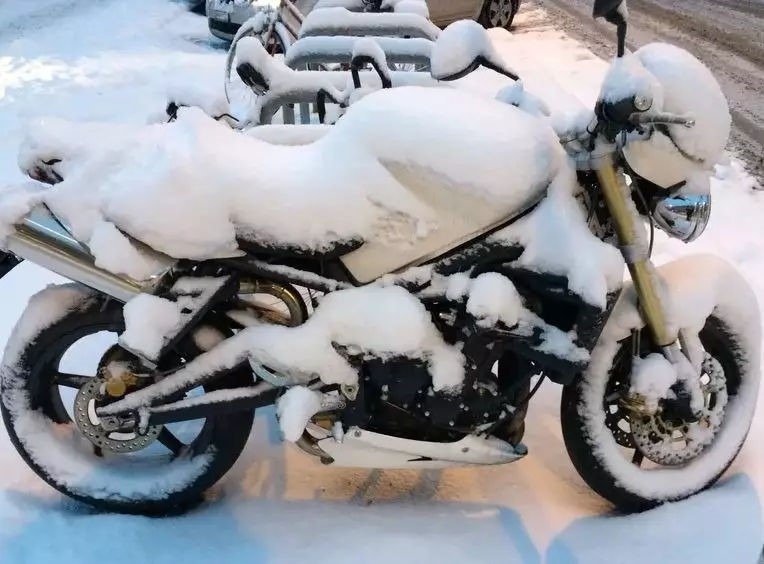
Safety tips for riding a motorcycle in winter
Table of Contents
Is It Safe to Ride a Motorcycle in Winter?
Riding a motorcycle in winter can be safe if the rider prepares properly and adjusts their riding behavior.
Cold temperatures reduce tire grip, slow reaction times, and increase stopping distances.
With correct winter gear, a well-maintained motorcycle, and cautious riding techniques, many riders can safely operate in cold conditions.
The biggest winter risks are:
- Reduced tire grip due to cold rubber
- Ice, snow, and hidden road hazards
- Slower rider reaction time from cold exposure
- Decreased visibility for both riders and drivers
Can you ride motorcycle in winter? You can. But make sure you are equipped with essential protection gear, ride smartly and safely.
How Winter Affects Your Motorcycle (What Most Riders Overlook)
From a mechanic’s perspective, cold weather stresses a motorcycle in ways many riders don’t expect.
Cold Tires = Less Grip
Motorcycle tires are designed to operate within a temperature range. In winter:
- Rubber stiffens
- Tires take longer to warm up
- Grip is significantly reduced, even on dry pavement
This alone changes how you must brake, lean, and accelerate.
Cold Air Lowers Tire Pressure
For every 10°F drop in temperature, tire pressure can drop about 1 PSI. Under-inflated tires:
- Reduce stability
- Increase stopping distance
- Wear unevenly
Fluids Thicken in Cold Weather
Engine oil, fork oil, and chain lubricant all behave differently in low temperatures. Thicker fluids increase resistance and reduce responsiveness until the bike is fully warmed up.
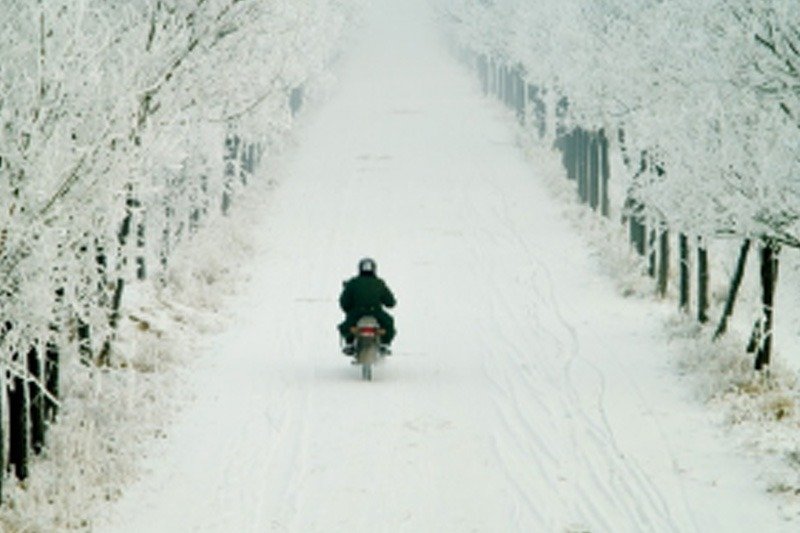
Riding Tips In Cold Weather
Prepare Your Motorcycle for Winter Riding
Preparing a motorcycle for winter riding focuses on tires, battery health, fluids, and lubrication. Cold weather exposes weak batteries, under-inflated tires, and poor lubrication faster than warm weather. Preventive maintenance is essential before riding in winter.
Key preparation steps include:
- Checking tire pressure before every ride
- Inspecting tread depth and tire condition
- Maintaining battery charge
- Using proper oil viscosity
- Cleaning and lubricating the chain regularly
Check Tire Condition and Pressure (Non-Negotiable)
- Inspect tread depth carefully—winter leaves no margin for worn tires
- Check tire pressure before every ride
- Inflate to manufacturer specs, adjusted for temperature
If your tires are near the end of their life, replace them before winter. Cold weather magnifies every tire weakness.
Another important detail you should pay attention to is: what kind of tire should you use?
Actually, you should consider where you will ride and the weather conditions there.
Here are the applications of different tires for winter:
- All-season tires: They can handle a variety of road conditions and offer some performance on mud and snow.
- Winter tires: They are more effective than all-season tires in deeper snow.
- Summer tires: They are suitable for warm weather and are not recommended for temperatures below freezing or for use on icy or snowy roads.
- All-terrain tires: They are primarily used on four-wheel-drive vehicles. They offer a good balance between on-road performance and off-road capability.
(Source: Tire Safety Ratings and Awareness | TireWise)
Winter riding is less forgiving than summer riding. You must ride slower, smoother, and smarter. If conditions include black ice, freezing rain, or heavy snow, the safest choice is not to ride at all.
Maintain Your Battery and Electrical System
Cold weather reduces battery output dramatically.
Mechanic tips:
- Test battery voltage before winter
- Clean battery terminals
- Keep a battery tender on the bike when parked
A weak battery that works “fine” in summer may fail instantly in winter.
Use Proper Fluids and Lubrication
- Use manufacturer-recommended oil viscosity for cold weather
- Lubricate your chain more frequently
- Avoid over-lubing—excess lube attracts grit and salt
Road salt accelerates corrosion. Rinse your bike regularly if you ride on salted roads.
Wear the Right Winter Motorcycle Gear
Winter motorcycle riding requires insulated, windproof, and waterproof gear to maintain body heat and reaction time. Cold exposure reduces hand strength, slows braking response, and increases fatigue, making proper gear a safety requirement—not a comfort choice.
Layering Is the Key to Staying Warm
Use a three-layer system:
- Base layer: Moisture-wicking thermal layer
- Mid layer: Insulation (fleece or down)
- Outer layer: Windproof and waterproof shell
Avoid cotton. Once it gets damp, it stays cold.
Protect Your Hands, Feet, and Face
These areas lose heat fastest.
Hands
- Insulated winter gloves or heated gloves
- Heated grips are extremely effective
Feet
- Insulated, waterproof motorcycle boots
- Thermal socks (not too tight)
Face & Neck
- Balaclava or neck gaiter
- Full-face motorcycle helmet
- Breath deflector or anti-fog insert
If your hands go numb, your ability to brake and steer safely drops immediately.
You can read Best Cold-Weather Gear for Adventure Motorcycle Riding to get ultimate guidance about the essential winter riding gear recommendations.
Adjust Your Riding Style for Winter Conditions
Winter motorcycle riding requires slower speeds, smoother controls, and increased following distance. Cold tires provide less traction, and winter roads often hide hazards like ice, wet leaves, and salt residue. Abrupt braking or sharp lean angles should be avoided.
Ride Slower and Avoid Sudden Inputs
- Roll on the throttle gently
- Brake progressively—never grab
- Avoid sharp lean angles
Assume your tires have less grip than you think.
Increase Your Following Distance
Cold tires and cold pavement increase stopping distances.
Rule of thumb:
- Double your normal following distance
- Triple it in wet or near-freezing conditions
Learn about Motorcycle Following Distance
Be Extremely Careful on Ice, Snow, and Hidden Hazards
Danger zones include:
- Bridges and overpasses
- Shaded areas
- Painted road markings
- Wet leaves and metal surfaces
If you see ice or packed snow, stay upright and avoid braking or accelerating while crossing it.
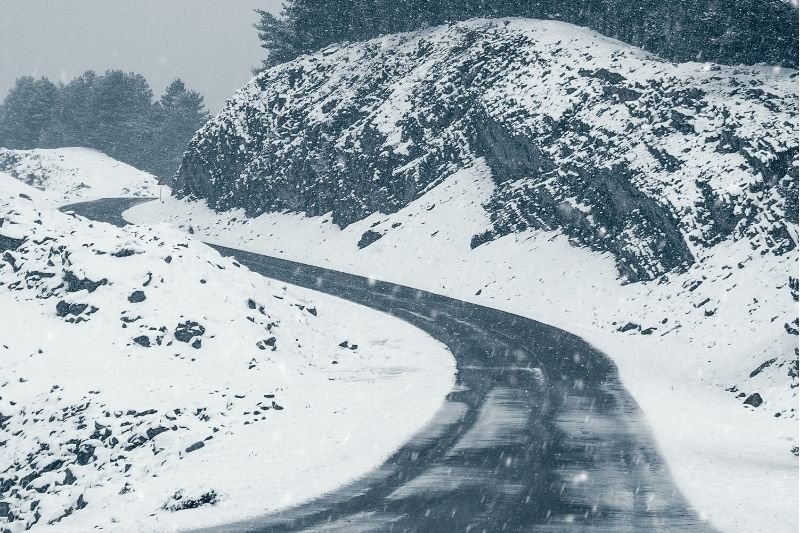
tips for riding a motorcycle in winter
Riding a Motorcycle on Snow or Ice: The Reality
Let’s be honest: motorcycles and ice are a terrible combination.
- Even light snow drastically reduces traction
- Ice offers almost no recoverable grip
- Studded tires help but don’t make you invincible
If roads are icy, the safest decision is not to ride. Skill cannot overcome physics.
Improve Visibility During Winter Riding
Winter means:
- Shorter days
- Lower sun angles
- Dirty, wet roads
Make yourself easy to see.
Visibility Tips
- Use reflective or high-visibility gear
- Keep headlights on at all times
- Clean your visor frequently
- Use anti-fog treatments or pinlock inserts
If drivers can’t see you clearly, they won’t react in time.
The article How to Make Your Motorcycle More Visible will provide you with detailed information about increasing your visibility on the road.
Warm Up Your Bike and Tires Properly
Letting your bike idle for a few minutes helps oil circulate, but it does not warm your tires.
- Ride gently for the first 10–15 minutes
- Avoid aggressive braking or cornering early
- Expect reduced grip until tires generate heat
Cold tires are the leading cause of winter riding crashes.
When Should You Avoid Riding a Motorcycle in Winter?
Motorcyclists should avoid winter riding during freezing rain, heavy snowfall, or when black ice is present. No amount of skill or gear can compensate for severely reduced traction in these conditions. The smartest winter riders know when to stay home.
Do not ride if:
- There is black ice
- Freezing rain is present
- Snow is actively falling
- Roads are heavily salted and untreated
No destination is worth a preventable crash.
Quick Winter Motorcycle Riding Checklist

Winter motorcycle riding checklist
🏍️ BEFORE YOU RIDE
- ✔ Check tire pressure (cold tires lose PSI)
- ✔ Inspect tread depth and brakes
- ✔ Ensure battery is fully charged
- ✔ Clean and lubricate chain
- ✔ Verify lights and signals
🧥 GEAR CHECK
- ✔ Thermal base layers
- ✔ Insulated, windproof jacket and pants
- ✔ Winter gloves or heated grips
- ✔ Waterproof boots and thermal socks
- ✔ Balaclava or neck gaiter
❄️ ON THE ROAD
- ✔ Ride slower and smoother
- ✔ Increase following distance
- ✔ Avoid sudden braking or sharp turns
- ✔ Watch for ice, bridges, and shaded areas
- ✔ Stay visible with reflective gear
Equip with the Fodsports Helmet Communication System During Winter Motorcycle Ride
A helmet Bluetooth communication system will help you a lot during winter rides.
On one hand, you can pair it with your smartphone through Bluetooth. After connecting, you can make or answer phone calls, listen to music/GPS directions, etc.
All these are hands-off; you can activate your smartphone by the microphone on the communication system through your phone's voice command.
When there is a phone call coming in, or you want to listen to GPS direction in your phone, you can directly answer it with the helmet communication system. There is no need to take off your gloves and grab the phone out of your pocket.
To most motorcycle riders, this is extremely convenient.
On the other hand, helmet Bluetooth communication systems also support talk with other riders(2 or even more riders together).
Use a motorcycle Bluetooth helmet communication intercom, which allows multiple people to connect and take care of each other to ensure everyone’s safety. Fodsports Bluetooth helmet intercom systems are among the most advanced on the market. find the best rider-to-rider motorcycle communication device for your needs here.

$129.99 $219.99
Code:
Limited Time Promo! Extra 10% Off Code! Save Now!
DJOW9
Bluetooth Mesh Intercom.
Dual Bluetooth Chip Design.
10 Riders Group Audio, 2000m Distance!
HRSQ Mic and Speakers, CVC + ENC + DSP Noise Cancelation.
Listen to Music/GPS and Intercom At the Same Time.
IP67 Waterproof.
FM Radio, Music Sharing, Voice Commands.
Dual Bluetooth Chip Design.
10 Riders Group Audio, 2000m Distance!
HRSQ Mic and Speakers, CVC + ENC + DSP Noise Cancelation.
Listen to Music/GPS and Intercom At the Same Time.
IP67 Waterproof.
FM Radio, Music Sharing, Voice Commands.
41%
OFF
OFF
Frequently Asked Questions (FAQ)
What temperature is too cold to ride a motorcycle?
Most riders consider temperatures below 32°F (0°C) to be too cold to ride a motorcycle, because there will be ice formation.
At this point, ice can form on roads, tire rubber stiffens, and traction drops sharply. Even above freezing, cold pavement reduces traction.
But please pay attention, the safest riding temperatures depend on road conditions, not just air temperature.
Can motorcycles ride on snow?
When riding on snow road, the tire's traction is severely limited. You can ride a motorcycle on snow, but be careful, you should ride on the light, packed snow.
For most street motorcycles and riders, it is unsafe to ride in deep snow or icy road conditions.
How do motorcyclists stay warm in winter?
The blog 10 Motorcycle Winter Riding Tips: Stay Safe and Warm offers some useful tips to help you stay warm. Main measures include:
- layer properly
- use insulated and windproof gear
- heated grips or gloves
- protecting the face, neck, hands, and feet
Do motorcycle tires lose grip in cold weather?
Yes. Cold temperatures make tire rubber stiffer, reducing grip. Tires also take longer to warm up, increasing braking distance and reducing cornering traction.
Is winter riding bad for a motorcycle?
Winter riding increases wear due to cold starts, thickened fluids, and road salt exposure. Regular maintenance, proper lubrication, and frequent cleaning help reduce long-term damage.
Conclusion: Winter Riding Is About Respect
Winter riding isn’t about bravery—it’s about preparation and restraint. As a mechanic, I’ve seen winter crashes caused not by lack of skill, but by overconfidence and poor preparation.
If you:
- Prepare your motorcycle
- Dress for the conditions
- Ride smoothly and defensively
- Know when not to ride
…then winter riding can be done safely.
Ignore those rules, and winter will remind you very quickly who’s in charge.
If you're placing your bike away for the winter, ensure to get it ready for storage so that you can promptly get it back to complete efficiency in the springtime (7 tips for preparing for motorcycle riding season). Shop your bike inside when possible or get an excellent cover for it, utilize a battery tender to keep your battery healthy as well as give the bike an excellent cleansing prior to placing it to bed.
- 10 Motorcycle Winter Riding Tips: Stay Safe and Warm
- How to Make Your Motorcycle More Visible? Safe Ride
- How to Safely Pass Vehicles on a Motorcycle?
- 7 Best Motorcycle for Snow and Ice
- Ultimate Guide to Winter Motorcycle Gear: Ride Warm, Safe, and Stylish
- Do I Need to Warm Up Motorcycle Engine in Winter?
- How to Ride a Dirt Bike in the Snow?

Rodney L is a technical writer and product consultant with over a decade of experience in the motor industry. Rodney is a fan of performance machines that run fast and loud and an expert in all things custom. His numerous articles and write-ups are available at our knowledge base. Whether it’s something wrong with your motorcycle or you are building a custom bike, you can trust Rodney’s experience.
You maybe like to read:
Fodsports Brand Month: Unbeatable Deals and Top-Notch Service
Discover Fodsports Brand Month July and August mark a special occasion for motorcycle enthusiasts and tech lovers alike. Welcome to Fodsports Brand Month! This event is dedicated to celebrating everything that makes Fodsports a leading name in the motorcycle communication industry. Get ready for a fantastic promotions, exceptional service from Fodsports. Let's insights into Fodsports' […]
Grossglockner High Alpine Road in Fall: Austria Motorcycle Riding Guide
Autumn transforms Austria’s Grossglockner High Alpine Road into a spectacular mountain destination. Golden larch trees brighten the slopes, crisp Alpine air can reveal dramatic mountain views, and 36 hairpin bends make the journey memorable for motorcycle enthusiasts. Yet autumn also brings unpredictable weather, cold pavement, and possible road closures. For riders planning an Austrian Alps […]
Black Forest High Road Motorcycle Guide: Best Autumn Ride, Scenic Routes and Riding Tips in Germany
Few places in Germany combine flowing mountain roads, colorful forests, traditional villages, and peaceful viewpoints as perfectly as the Black Forest High Road (Schwarzwaldhochstraße B500). In autumn, this legendary route transforms into a spectacular motorcycle destination, with golden beech forests, misty valleys, and panoramic views stretching toward the Rhine Valley and even France on clear […]
Ultimate Dolomites Autumn Cycling Guide: Best Fall Foliage Routes & Expert Gear Blueprint
The Italian Dolomites in autumn transform into a sensory masterpiece. As the chaotic summer crowds dissipate between mid-September and late October, the entire Alpine region ignites with golden larches, fiery maples, and stark white limestone peaks. This fleeting shoulder season provides the ultimate window for an epic Dolomites cycling tour and foliage chasing. Compared to […]
Route des Grandes Alpes in Fall: France Motorcycle Riding Guide
Few motorcycle routes combine high mountain passes, autumn forests, dramatic valleys, and Mediterranean scenery as well as the Route des Grandes Alpes in France. Stretching about 720 km from Thonon-les-Bains near Lake Geneva to Nice, the route crosses 18 major Alpine passes and reaches 2,764 meters at the Col de l'Iseran. For motorcycle riders, autumn can […]